What a Ticket for Riding an Unopened Road Costs
It's a frustrating situation: you're out enjoying your Washington all-terrain vehicle (WATV) or utility terrain vehicle (UTV), perhaps exploring a new area, and suddenly you find yourself on a road you thought was open, only to be pulled over by law enforcement. The confusion, the immediate dread, and the sinking feeling that a fun day is about to turn into a costly headache are all too real for many riders. Navigating the complex web of Washington's ORV road access laws can feel like a maze, and mistakenly riding on an "unopened" road can lead to significant financial penalties. This guide will meticulously break down the potential costs of such a citation, explore the reasons behind road restrictions, and, most importantly, provide actionable strategies to help you avoid those expensive mistakes and keep your adventures strictly on the legal side.
The Immediate Financial Impact of a Washington ORV Citation
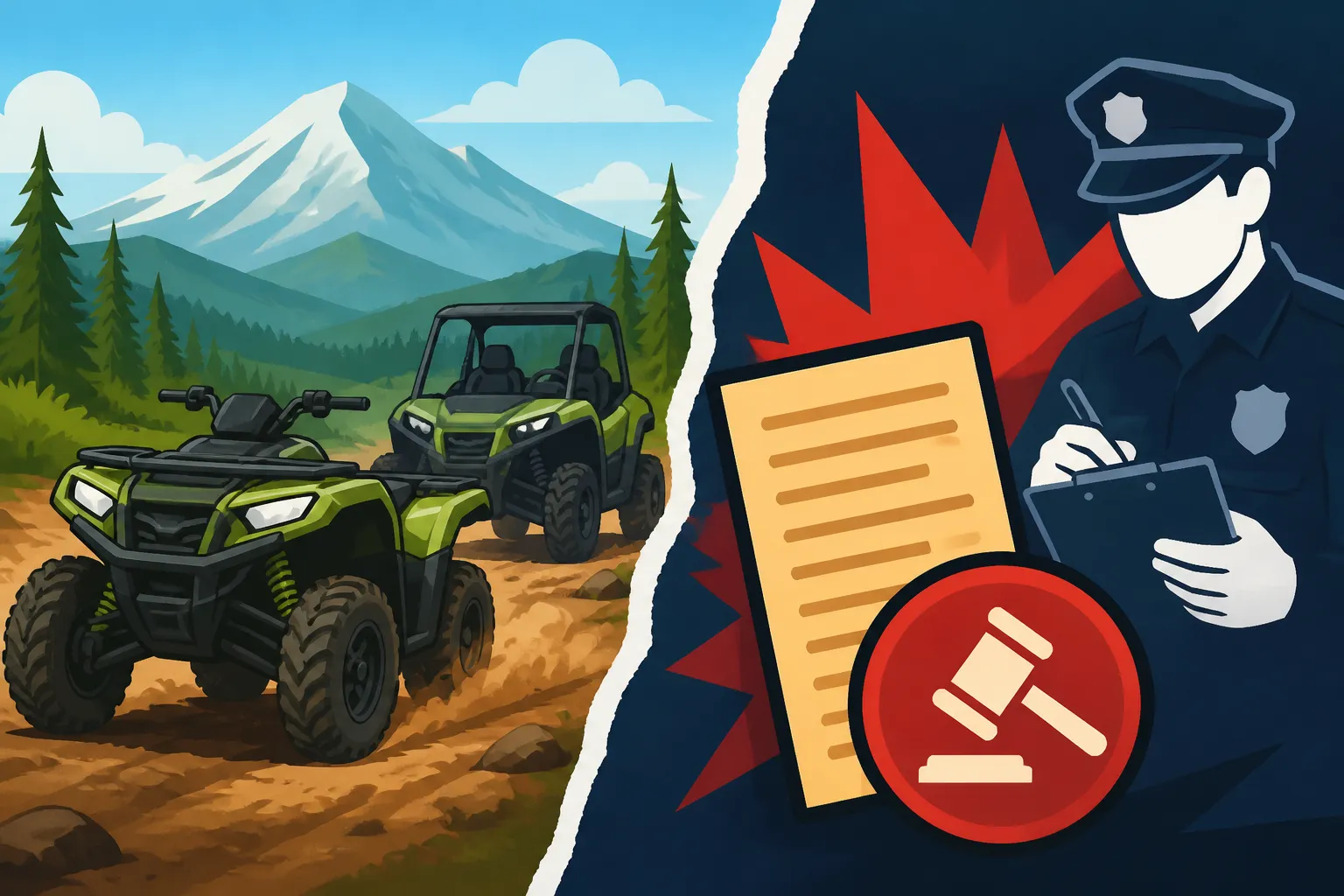
Let's be blunt: getting a ticket for riding your WATV or UTV on a road that isn't designated for off-road vehicle use in Washington can hit your wallet hard, right from the get-go. This isn't just a slap on the wrist; it's a formal legal infraction with a cascade of potential costs that extend far beyond the number printed on the citation itself. It's vital for every rider to understand these financial implications, not just to avoid them, but to grasp the seriousness of the regulations designed to keep everyone safe and preserve our shared natural resources.
Understanding the Base Fine for Illegal Road Use
When a law enforcement officer writes you a citation for riding an ORV on a prohibited road in Washington, the initial fine amount will depend on the specific statute violated and the county or city jurisdiction. These aren't always set in stone across the entire state. While Washington law provides the overarching framework for ORV use, local jurisdictions — counties and cities — have the authority to implement their own ordinances and set fine schedules within those guidelines. You might find that a violation in Snohomish County carries a different base fine than an identical violation in Lewis County, for example.
For instance, riding on a county road that has not been specifically designated and opened for WATV use can often result in a misdemeanor charge or an infraction carrying a substantial fine. In many cases, these fines can start in the range of a few hundred dollars. It's not uncommon for a base fine to be in the ballpark of $200-$500, though this can fluctuate significantly. This base amount is what you'd pay if you simply admit guilt and mail in your payment. However, that's rarely the only cost involved, which brings us to the less obvious expenses. It's a good idea to check local ordinances or even resources like [Washington Fines for an Unregistered WATV] for context on other ORV-related penalties, as the spirit of these enforcement actions often applies across various violations.
Hidden Costs Beyond the Initial Ticket
Ah, the "hidden" costs. These are the ones that often catch riders off guard and can quickly make that initial several-hundred-dollar fine balloon into a much larger sum. First, if you choose to contest the citation and appear in court, you'll likely face court fees and administrative charges, regardless of the outcome. Even if the judge reduces your fine, you might still be on the hook for these additional costs. These can easily add another $50 to $100 or more to your total bill.
Then there's the time factor. Taking a day off work to appear in court, or even just spending hours researching the laws and preparing your defense, has its own economic cost. For many, that's lost wages or lost opportunities. Furthermore, if the officer determines you lacked other necessary components, such as proper registration or specific safety equipment, you could face multiple citations from a single stop. Imagine getting a ticket for riding an unopened road, and then another for not having your [Washington's Off-Road Tab Explained] displayed correctly, or perhaps even an infraction for not carrying your registration documentation. Each additional ticket compounds the financial burden, turning a single mistake into a truly expensive outing.
The Impact of Multiple Violations or Prior Incidents
The legal system tends to treat repeat offenders more harshly, and ORV citations are no exception. If this isn't your first rodeo and you have a history of ORV-related infractions—especially for illegal road use—the consequences can escalate. A judge might impose a higher fine than the standard, or in more severe cases, you could face more serious legal repercussions, potentially moving from an infraction to a more serious misdemeanor charge, which carries even greater fines and could even involve community service or other penalties.
Moreover, if the violation involves egregious behavior, such as reckless driving on an unopened road, or if it leads to property damage or injury, the penalties will obviously be far more severe. The legal costs associated with defending against such charges, including attorney fees, can quickly reach thousands of dollars. It's a stark reminder that staying on designated trails and obeying all signage isn't just about avoiding a minor fine; it's about avoiding a potentially life-altering legal and financial nightmare. This emphasizes the importance of understanding not just where you can ride, but how to ride responsibly and legally at all times.
Why These Roads Are Closed: Navigating Washington's ORV Road Laws
It might seem arbitrary sometimes, but the designation of which roads are open or closed to WATVs and UTVs in Washington is rooted in specific legal frameworks, safety considerations, and environmental concerns. Understanding "the why" behind these restrictions is crucial for any responsible rider and helps clarify why riding on an "unopened" road carries such a penalty. It's not just about a sign; it's about a deliberate decision-making process.
The Legal Framework: How Roads Become "Unopened"
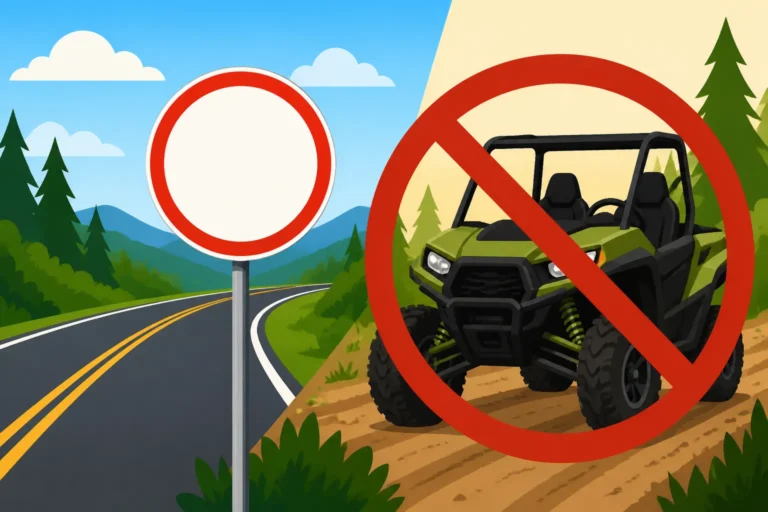
In Washington State, the law regarding off-road vehicle use on public roads is quite specific, and often, counter-intuitive to what riders might expect. The general rule is that all public roads – whether county roads or city streets – are closed to ORV use unless explicitly designated and opened by the local jurisdiction. This is a critical distinction: roads aren't "open until posted closed"; they are "closed until posted open." This inverse logic trips up many riders.
Counties often follow a process to determine which of their roads are suitable for ORV use. This usually involves public hearings, environmental reviews, and safety assessments. They consider factors like traffic volume, road width, speed limits, sightlines, and proximity to residential areas or schools. Once a road segment is deemed suitable, the county council or commissioners pass an ordinance officially opening it. The state's Department of Licensing (DOL) outlines these requirements, and it's something riders need to be aware of when considering where to take their machines. For counties with populations over 15,000, they must proactively opt-in and publish a list of open roads. Conversely, [Washington Counties Under 15,000 Open by Default] unless they specifically opt-out certain roads, but even then, it's wise to assume a road is closed unless you can verify otherwise. This detailed process ensures that when roads are opened, it's done with safety and community well-being in mind.
Identifying Open Roads Versus Restricted Zones
So, how do you know which roads are legitimately open for your WATV or UTV? This is where research and diligence come into play, and it's where many riders find themselves in a predicament. Local county and city governments are required to publish lists or maps of roads that are designated for ORV use. These lists are usually available on their official websites, often under the public works, parks and recreation, or sheriff's department sections. Sometimes, there are physical signs posted at entry points to these designated road systems.
Beyond official government lists, organizations like the Washington State Parks and Recreation Commission or the Department of Natural Resources (DNR) might also have resources or maps indicating permissible ORV routes, especially in areas bordering state forests or recreational lands. It's not enough to simply see other tire tracks or assume that a gravel road must be fair game. You must consult the authoritative sources. For example, if you're in a specific county, you need to be looking for [Finding a County's Approved Road List] for that particular county. Without this explicit confirmation, any paved or even unpaved public road should be considered a restricted zone for your ORV. Some riders equip their machines with robust accessories from companies like SuperATV, thinking their vehicle is ready for anything, but no aftermarket part can override state and local laws about where you can legally ride.
Common Misconceptions About Road Access
There are several persistent myths that lead riders astray and directly contribute to citations for illegal road use. One of the biggest is the "if it's not posted, it's open" fallacy, which we just debunked. Another common misconception is that if a road leads directly to an ORV trail system, you can automatically ride your machine on that road segment to get to the trailhead. Unfortunately, this is often not the case. Unless that connector road is explicitly opened by the local authority, it remains closed. You might need to trailer your machine to the trailhead parking area, even if it feels like just a short hop on a quiet road.
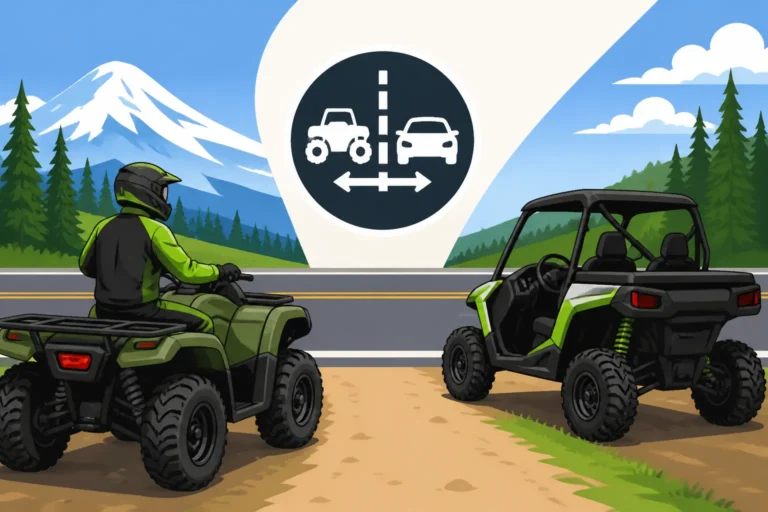
Some riders also believe that having an ORV tab (like the [Washington's On-Road Tab Explained]) automatically grants them access to all roads. While the on-road tab is a requirement for legal street use where permitted, it doesn't unilaterally open up every road. It's a prerequisite, not a blanket permission slip. Similarly, merely crossing a road from one trail segment to another often requires specific conditions and is not the same as riding on the road. [Washington Rules for Getting Across a Road] are very different from sustained travel. These nuances are why it's so important to be proactive in your research and avoid relying on assumptions or anecdotal advice from fellow riders.
Beyond the Fine: Other Consequences of Riding Illegally
While the immediate financial hit of a fine is certainly painful, the repercussions of riding an ORV on an unopened road in Washington can extend much further. These additional consequences might not be immediately obvious, but they can significantly impact your access to riding areas, your financial stability, and even your vehicle ownership. It's important to consider these less direct, but equally impactful, outcomes.
Potential Vehicle Impoundment and Recovery Costs
One of the most severe consequences that can arise from riding an ORV on an unauthorized road is the impoundment of your vehicle. Law enforcement officers have the discretion to impound a machine if it's being operated illegally, especially if there are other violations involved (like operating an unregistered vehicle) or if the rider is deemed a risk to public safety. Imagine finishing your ride only to find your prized UTV being loaded onto a tow truck. The process of getting your machine back can be both frustrating and incredibly expensive.
Impoundment involves several layers of fees. First, there are the towing charges, which can be substantial, especially if you're in a remote area or need specialized ORV transport. Then come the daily storage fees, which accumulate quickly. Depending on the impound lot and the duration your machine is held, these fees can easily add up to hundreds of dollars. Before you can even recover your vehicle, you'll often need to prove ownership, pay all outstanding impound and storage fees, and in some cases, you might even need to show proof that the underlying citation has been addressed or paid. This entire process can easily push your total costs well into the four-figure range, not to mention the stress and inconvenience of being without your machine.
Insurance Implications for Off-Road Incidents
When you operate your WATV or UTV, especially on roads, insurance is a critical consideration. While off-road only machines might not legally require liability insurance in Washington, any machine operating on public roads does. If you're caught riding on an unopened road, and you happen to be involved in an incident or accident—even a minor one that doesn't involve other vehicles—your insurance provider could deny coverage. Many standard ORV policies have clauses that exclude coverage for incidents occurring during illegal operation, which would certainly include riding on a prohibited road.
If your insurance claim is denied, you would be personally responsible for all damages, injuries, and legal fees. This could mean paying out of pocket for repairs to your machine, any property damage you caused, and potentially significant medical bills if you or a passenger were injured. Furthermore, even if your policy does cover the incident, receiving a citation for illegal road use could lead to an increase in your insurance premiums. Insurers view such violations as an indicator of higher risk, and that increased risk often translates to higher rates for your future coverage. The cost of [Washington WATV Insurance Cost per Year] can already be a factor, and a citation could make it even steeper.
Long-Term Impacts on Your Driving Record
While an ORV citation for illegal road use might not always directly affect your standard driver's license points (as it's often an ORV-specific infraction or misdemeanor), it can still appear on certain background checks or driving records, depending on the nature of the violation. For professional drivers, or individuals seeking employment where a clean driving record is paramount, any mark can be detrimental.
More directly, repeat violations or very serious incidents can sometimes lead to a suspension of your ORV operating privileges. If you're found to be a habitual offender, the state could temporarily or permanently revoke your ability to ride your WATV or UTV on any public lands or designated roads in Washington. This is the ultimate consequence for any enthusiast: losing the privilege to enjoy your passion. It underlines why understanding and adhering to rules like [Washington Rules for Riding a County Road] or [Washington Rules for Riding a City Street] is not just about avoiding a single fine, but about protecting your long-term ability to ride.
Preventing a Costly Mistake: Staying Informed and Riding Legally
The best way to avoid the financial and legal headaches of an ORV citation for illegal road use in Washington is, quite simply, to prevent it from happening in the first place. This requires proactive effort, a commitment to staying informed, and a willingness to respect the rules designed to ensure safe and responsible recreation for everyone.
Resources for Verifying Road Status
As we've discussed, the burden is on the rider to know where they can and cannot legally operate their ORV on public roads. Fortunately, there are reliable resources available to help you verify road status:
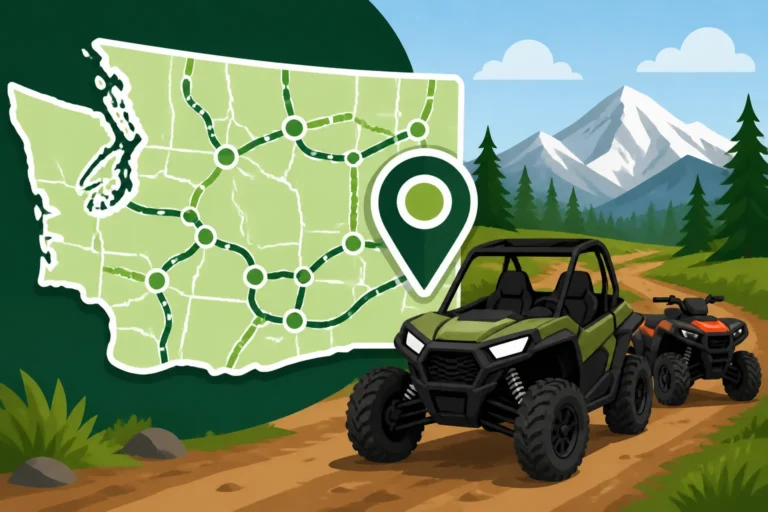
- County and City Websites: This is your primary source of truth. Most counties and cities that have opened roads to ORVs will publish official lists, maps, or ordinances on their websites. Look under departments like Public Works, Parks & Recreation, Sheriff's Office, or their legislative/commissioner's section. For instance, if you're planning to ride in Pierce County, you'd specifically search for "Pierce County ORV road ordinance" or "Pierce County WATV map" to find authoritative information, rather than relying on forum posts or outdated maps. Remember, [Washington Counties That Allow WATVs on Roads] will have these lists readily available.
- Washington State Parks and Recreation Commission (WSPRC): This agency often compiles information on statewide ORV opportunities and can point you towards resources for road access.
- Department of Natural Resources (DNR): For roads and trails on DNR lands, their recreation maps and online alerts are essential. While DNR roads are often considered "forest roads" and might have different rules than county roads, it's still crucial to check their specific guidelines.
- Local ORV Clubs and Associations: Many local clubs are highly knowledgeable about legal riding areas, including roads. They often actively work with local governments and can be an excellent source of up-to-date information. Just be sure to cross-reference their advice with official government sources.
- GPS and Mapping Apps: While useful for navigation, do not solely rely on these for legal status. A road shown on a map might be physically passable but legally closed to ORVs. Always double-check with official sources. Aftermarket accessory providers like SuperATV offer robust navigation systems, but even these devices need the rider to input and understand local regulations.
Before every ride, take the time to check the most current information for your planned route. Road statuses can change due to new ordinances, construction, or seasonal closures.
The Importance of Local Ordinances and Signage
Beyond just looking for a list of open roads, it's equally important to understand the specific local ordinances and to pay close attention to all signage you encounter. An ordinance might stipulate not only which roads are open, but also when they are open (e.g., daylight hours only), specific speed limits for ORVs on those roads, or other conditions. For example, some jurisdictions might open certain roads but require that ORVs travel directly to a trail system and not just cruise the roads.
Roadside signage is your immediate alert system. While the general rule is "closed unless posted open," in areas where ORVs are permitted, you will often see signs indicating specific ORV routes, speed limits, or restrictions. Conversely, if you see signs explicitly prohibiting ORVs, or "No Trespassing" signs (especially on private timberland or sensitive ecological areas), heed them immediately. Ignorance of a sign is rarely a valid defense. Remember that a Washington Trooper will be checking for adherence to these rules during a [What a Washington Trooper Checks Roadside].
What to Do if You Receive a Citation
Despite your best efforts, you might find yourself with a citation for riding an unopened road. It's an unpleasant experience, but how you react can significantly impact the outcome.
- Be Respectful and Cooperative: When pulled over, remain calm and polite with the officer. Arguing or being uncooperative will not help your situation and could potentially lead to further charges. Provide any requested documentation promptly, such as your driver's license, ORV registration ([Washington WATV Registration Paperwork]), and proof of insurance (if applicable).
- Understand the Charge: Politely ask the officer to clarify the specific violation they are citing you for. This information will be crucial if you decide to contest the ticket.
- Document Everything: As soon as it's safe to do so after the stop, make notes. Record the exact location, time, and circumstances. Take photos of any signage (or lack thereof) at the site, the condition of the road, and anything else that might be relevant to your defense.
- Review Your Options: You typically have a few choices:
- Pay the Fine: If you believe you were in violation or simply want to avoid the hassle of court, you can pay the fine by the due date.
- Mitigate: In some jurisdictions, you might be able to request a mitigation hearing, where you explain the circumstances to a judge and ask for a reduced fine or alternative penalty.
- Contest the Ticket: If you genuinely believe you were not in violation (e.g., the road was officially open, or there was confusing signage), you have the right to contest the ticket in court. This will require preparation and potentially presenting your evidence. Resources like [Appealing a WATV Citation] can offer guidance.
Seeking legal advice from an attorney specializing in traffic or ORV law can be highly beneficial, especially if the citation carries significant penalties or if it's not your first offense. They can advise you on the best course of action and represent you in court if necessary. Remember, the goal is to enjoy Washington's beautiful landscapes responsibly, and that includes understanding and respecting the rules of the road—even the ones less traveled.
Disclaimer
This article is for general informational purposes only and does not constitute professional advice. Laws, prices and regulations vary by location and change over time. Consult a qualified professional for guidance on your specific situation.