Washington Rules for Riding a Logging Road
The allure of Washington's vast backcountry, with its winding logging roads carving through dense forests and offering breathtaking views, is undeniable for any ATV or UTV rider. But the reality is, many riders feel a knot of anxiety trying to figure out if they're even allowed to be on these roads, let alone what rules apply. It's a confusing maze of public, private, and actively used routes that can lead to frustration, or worse, an unexpected citation. This guide is here to untangle that web, giving you clear, actionable information on the rules for riding logging roads across Washington, so you can explore with confidence and peace of mind.
Understanding Logging Road Ownership in Washington
One of the biggest sources of confusion for riders eyeing those inviting gravel paths is simply knowing who owns them. It's not always obvious, and assuming a road is public can land you in hot water. Washington's landscape is a complex mosaic of land ownership, and logging roads crisscross through all of it.
Public Versus Private Logging Roads
First things first, let's talk about the fundamental difference: public versus private. Public logging roads are typically found on lands managed by the Washington State Department of Natural Resources (DNR), the U.S. Forest Service (USFS), or sometimes other state or federal agencies. These are often built and maintained with taxpayer dollars or public funds, and generally, they are open for public recreational use, provided you follow specific rules and have the correct permits. Think of them as extensions of the public trail system, even if they're primarily for timber operations.
On the other hand, private logging roads are just that – private. These are owned and maintained by private timber companies, such as Weyerhaeuser or Rayonier, or even smaller private landowners. Their primary purpose is to facilitate timber harvesting and management on their property. This distinction is absolutely crucial because the rules for access differ dramatically. While a public road might be open to your quad with the right tabs, a private road requires explicit permission, and riding without it is considered trespassing, which can come with hefty fines and even impoundment of your machine. It's a common frustration to find a perfect-looking road only to realize a "No Trespassing" sign lurks just around the bend, forcing a disappointing turnaround. You're trying to have a fun day, not become an accidental lawbreaker. When exploring [Riding on DNR Land], for example, you're generally on public land, but you still need to be aware of specific regulations.
Who Manages These Roads?
The management of logging roads aligns directly with ownership. Roads on state lands fall under the purview of the DNR, which has its own set of rules, often requiring a [The Discover Pass and Washington Riders] for parking and access. Federal lands, like those in national forests, are managed by the USFS, and they may require a [The Northwest Forest Pass in Washington] in addition to your ORV tabs. Both of these agencies publish maps and regulations that are essential for planning your ride.
Private timber companies, however, operate under their own terms. Large companies might have hundreds of miles of logging roads, and their policies on public access vary widely. Some might offer recreational permits, while others have a strict "no public access" policy due to active operations, liability concerns, or security. It's not uncommon to find areas where DNR land abuts private timberland, and the road you're on suddenly changes ownership and access rules without much warning. This patchwork of management means that relying on a single source of information isn't enough; you need to understand the specifics of each area you plan to ride. Imagine finding a fantastic route on your map, only to discover that a critical section passes through a private parcel, abruptly cutting off your adventure if you haven't done your homework.
Navigating Access on Private Logging Roads
Private logging roads present a unique challenge for Washington ATV and UTV riders. Unlike public lands where the default is often "open unless posted closed," private timberlands operate on the principle of "closed unless expressly permitted." This distinction is critical to avoid legal trouble and maintain good relationships with landowners.
Obtaining Permission from Timber Companies
The absolute golden rule for riding on private logging roads is simple: get permission first. Riding on private property without permission is trespassing, full stop. This isn't just about avoiding a ticket; it's about respecting private property rights and ensuring these lands remain available, even if on a permit basis, for future generations of riders. Many timber companies, especially the larger ones, have dedicated websites or land use departments where you can inquire about recreational access. Some may offer seasonal permits or day-use passes, sometimes for a fee, while others may have no public access whatsoever due to ongoing operations or environmental concerns.
The process of obtaining permission can vary. It might involve filling out an online form, calling a land manager, or even sending an email. Be prepared to provide details about your planned route, the dates you intend to ride, and even your vehicle information. For example, some companies require you to carry proof of liability insurance, even if it's not a state requirement for off-road use. It's a bit of an extra step, but it's far better than showing up only to be turned away or, worse, cited. Imagine planning a multi-day trip deep into the woods, only to encounter a locked gate and a "No Entry" sign because you didn't secure [A Timber Company Permit in Washington]. That's a surefire way to spoil a much-anticipated adventure. Sometimes, if you're lucky and the company allows access, they might even provide [Getting a Gate Key From a Timber Company] for specific gates, but always confirm the conditions for its use.
Identifying "No Trespassing" and Active Hauling Zones
Even with the right permits for some private lands, you must remain vigilant for "No Trespassing" signs or indications of active hauling. Timber operations are inherently dangerous, and logging trucks are massive, heavy, and often operate on tight schedules. They cannot stop quickly and have limited visibility. If you encounter signs indicating active logging, a closed gate, or even just fresh tire tracks and dust on a weekday, it's a clear signal to stay out. These signs are non-negotiable and are there for your safety and the safety of the workers.
Look for various indicators: freshly cut timber, stacked logs, heavy equipment, and even radio call signs posted at road entrances, indicating active communication among log truck drivers. It's crucial to understand that even if a logging road appears quiet, conditions can change rapidly. A truck could come around a blind corner at any moment. Your safety, and the safety of timber workers, depends on your awareness. When you're out there, always assume a log truck could be coming, especially on weekdays. It's a chilling thought to [Meeting a Log Truck on a Gravel Road] on a narrow, winding path, and you absolutely want to avoid that scenario. If you're riding in an area where [Riding a Road That Crosses Private Land] is common, constant vigilance is your best friend.
To help differentiate, here’s a quick overview:
| Feature | Public Logging Road (DNR/USFS) | Private Logging Road (Timber Co.) |
|---|---|---|
| Ownership | State or Federal Government | Private Companies or Individuals |
| Primary Purpose | Timber extraction, recreation, resource management | Timber extraction, private land access |
| Access Default | Generally open to ORVs with proper tabs/passes, unless posted closed | Generally closed to public, requires explicit permission (permit) |
| Required Permits | Washington ORV tabs, Discover Pass (DNR), Northwest Forest Pass (USFS) | Washington ORV tabs, plus specific timber company permit or permission |
| Active Hauling Zones | Posted with closures, temporary restrictions for safety | Strict "No Entry" or permit-only during operations for safety |
| Trespassing Risk | Low, if tabs/passes are current and areas are open | High, if no explicit permission is obtained |
| Mapping Information | Available from DNR, USFS, often on public recreation maps | Often not publicly mapped for recreation; check company websites |
Rules and Regulations for Riding on Public Logging Roads
Riding on public logging roads in Washington, whether on DNR or USFS lands, can be a fantastic experience, but it's not a free-for-all. There are specific rules and requirements you need to adhere to to ensure you're riding legally, safely, and responsibly. This isn't just about compliance; it's about preserving access for everyone.
Off-Road Vehicle Tabs and Passes
First and foremost, your ATV or UTV must be properly registered for off-road use in Washington. This means you need current Washington [Washington's Off-Road Tab Explained] displayed on your machine. This tab is your entry ticket to nearly all public off-road trails and logging roads. Without it, you're essentially riding an unregistered vehicle, which can lead to fines. It's a simple, yearly fee that goes directly back into funding trail maintenance, development, and enforcement.
Beyond your ORV tabs, you'll often need additional passes depending on the land manager. If you're riding on Washington State Department of Natural Resources (DNR) lands, which manage a significant portion of the state's public logging roads, you'll need a [The Discover Pass and Washington Riders]. This pass is crucial for accessing state parks, water access areas, and DNR recreation lands. For those venturing into national forests, managed by the U.S. Forest Service (USFS), a [The Northwest Forest Pass in Washington] is often required for parking at trailheads or accessing certain recreation sites. It's easy to forget these, but a ranger checking vehicles can quickly turn a fun day into a costly one if you're caught without the correct passes. Always check which agency manages the specific area you plan to ride and acquire the necessary passes beforehand. Think of it as investing in the future of the trails you love.
General Rules for Riding Public Logging Roads
Even with your tabs and passes in order, there are fundamental rules for riding on public logging roads designed to ensure safety, minimize environmental impact, and promote respectful shared use. The most important rule is to stay on designated roads and trails. This isn't the time to forge new paths through the forest. Off-trail riding can damage fragile ecosystems, disturb wildlife, and lead to erosion. Stick to the established routes, even if they seem less adventurous.
Speed limits are another consideration. While many logging roads don't have posted speed limits, common sense and safety dictate appropriate speeds. Blind corners, unexpected hazards (like fallen trees or washouts), and the potential for encountering other vehicles or wildlife mean you should always ride at a speed that allows you to react safely. Remember, these roads are often shared by hikers, mountain bikers, horseback riders, and even official vehicles. Yield to all other users, especially if they are slower or more vulnerable.
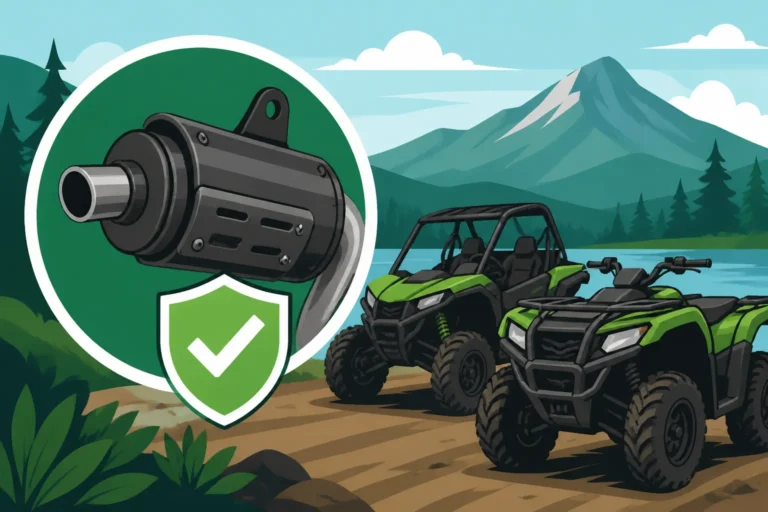
Environmental responsibility is key. Your machine must be equipped with a spark arrester, which is a device that prevents sparks from escaping your exhaust and potentially starting a wildfire, a serious concern in Washington's dry summers. Additionally, [Washington Sound Limits on Public Land] are in place to minimize noise pollution, which can disturb wildlife and other recreational users. Make sure your machine complies with these requirements; a loud, unmodified exhaust can lead to a citation. [Washington Spark Arrester Requirements] are strictly enforced, especially during fire season.
Beyond equipment, adhere to the "Leave No Trace" principles. Pack out everything you pack in, and perhaps even a little more if you spot trash left by others. Avoid splashing through streams or mud puddles if it means driving off the designated road, as this can contribute to erosion and water pollution. Be mindful of dust, especially around other users or residential areas. Essentially, treat these public lands as if they were your own backyard – with care and respect. This responsible behavior is what helps keep these valuable logging roads and trails open for everyone to enjoy.
Safety and Courtesy on Any Logging Road
Riding logging roads in Washington, whether public or private, offers an incredible opportunity to explore the state's natural beauty. However, these aren't your typical groomed trails. They are often remote, can be poorly maintained, and are sometimes actively used for timber operations. Therefore, a strong emphasis on safety and courtesy is not just a good idea—it's absolutely essential.
Essential Gear and Preparedness
When you head out onto a logging road, preparedness is your best friend. Beyond the legal requirement of wearing a helmet on a [Washington Helmet Law for WATV Riders], you should always have proper riding gear, including eye protection, sturdy boots that cover your ankles, gloves, and long sleeves and pants to protect against scrapes and sun. The environment can be unforgiving, with branches, rocks, and uneven terrain.
Given the often-remote nature of logging roads, reliable communication is vital. Cell phone service is frequently nonexistent. Consider carrying a satellite messenger or a two-way radio to stay in contact with your group or call for help in an emergency. A well-stocked first-aid kit is non-negotiable, along with basic tools for minor repairs, extra fuel, and plenty of water. It's also wise to carry a spare tire plug kit, a small air compressor, and a recovery strap. For deeper mud or more challenging terrain, a winch can be a lifesaver. Many riders outfit their machines with heavy-duty accessories from brands like SuperATV, known for robust winches, skid plates, and suspension upgrades that are perfectly suited for the rugged conditions of Washington's logging roads. Having a reliable winch, perhaps from SuperATV, can mean the difference between getting unstuck yourself and a very long, cold wait for help.
When sharing the road, remember that logging trucks always have the right-of-way. These massive vehicles are difficult to maneuver and stop, especially on steep, winding gravel roads. If you encounter one, pull over to the side of the road, stop, and let it pass. Make yourself as visible as possible. Never assume a truck driver sees you. This is not about who is "right"; it's about survival. You might also encounter other vehicles like excavators, graders, or even forest service personnel. Always yield and exercise extreme caution.
Respecting the Environment and Other Users
The forests and logging roads are shared spaces. You're not the only one out there. Hunters, hikers, mountain bikers, horseback riders, and even quiet nature observers frequent these areas. Be courteous. Slow down when you approach other users, minimize dust, and keep your engine noise respectful. A wave and a friendly nod go a long way in fostering a positive image for ATV and UTV riders.
Wildlife is another important consideration. You are entering their habitat. Give animals space, observe from a distance, and never chase or harass them. Be especially vigilant during dawn and dusk when animals are most active and harder to see. Many roads wind through critical habitat areas, and your presence can easily disturb wildlife patterns.
Perhaps one of the most critical environmental considerations is fire season. Washington's summers can be incredibly dry, turning forests into tinderboxes. Always be aware of current fire restrictions and closures. These can range from bans on campfires to full closures of certain areas or even specific times of day for motorized use. [Washington Fire Season and Trail Access] information is usually posted by DNR or USFS, and checking these alerts before you leave is paramount. Ignoring fire restrictions can lead to devastating consequences and severe penalties. [Washington Rules for Riding During Fire Season] are in place for a reason and must be respected by all.
Finally, always adhere to "Leave No Trace" principles. Pack out everything you bring in, including all trash and food waste. Stay on established roads and trails, avoiding sensitive areas like wetlands or stream banks. Your actions reflect on the entire riding community. By demonstrating responsibility and respect, you help ensure that these incredible logging roads remain accessible for motorized recreation for years to come. Thinking ahead about recovery gear from SuperATV or packing out every bit of your trash reflects a commitment to the environment and safe riding practices.
Disclaimer
This article is for general informational purposes only and does not constitute professional advice. Laws, prices and regulations vary by location and change over time. Consult a qualified professional for guidance on your specific situation.