Ferry Crossings With a Loaded Trailer
Washington ferry crossings with a loaded trailer require knowing total rig length and securing equipment for safe vehicle transport.
The map is not the permission.
National forest and BLM routes, state OHV parks, and club trails crossing private land — with the closures and passes that decide whether today counts.
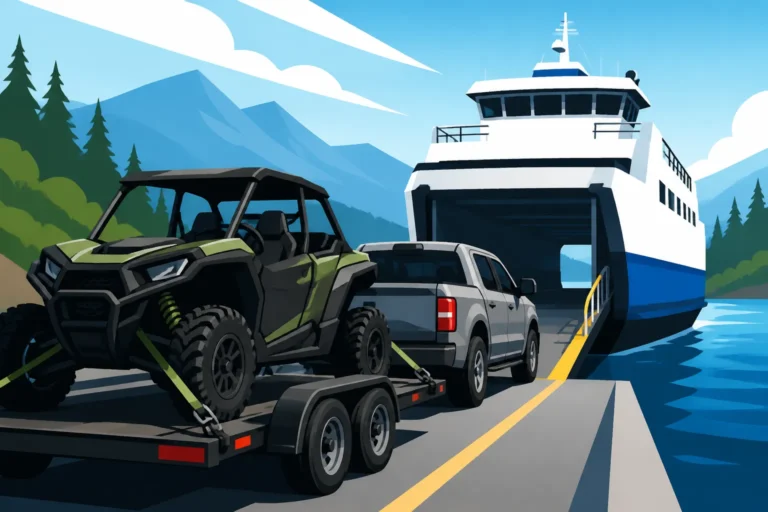
Washington ferry crossings with a loaded trailer require knowing total rig length and securing equipment for safe vehicle transport.
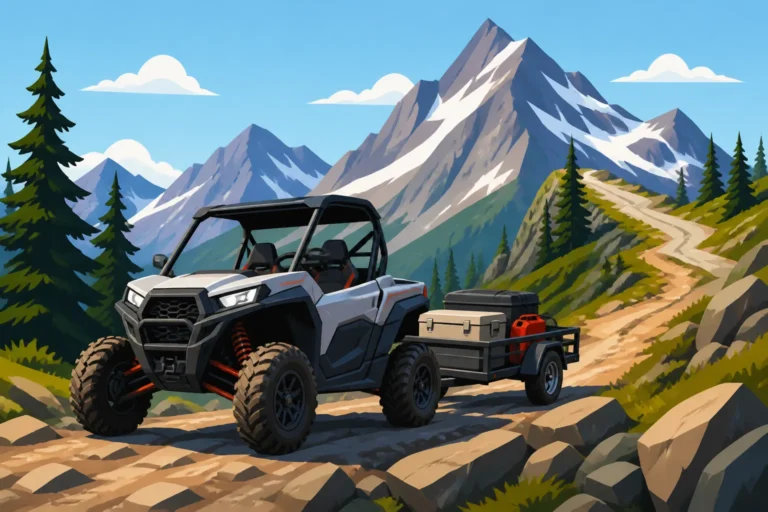
Driving an ATV trailer over Washington Cascade passes requires choosing a suitable route and preparing the equipment.
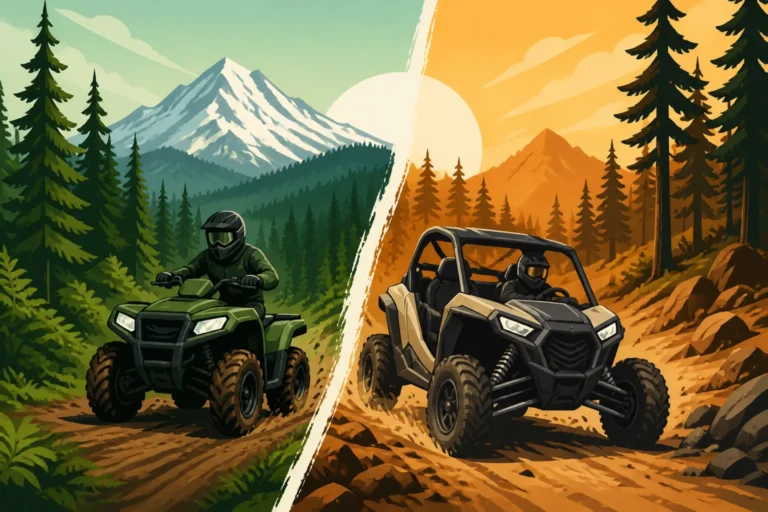
Washington riding trips across two forests require smart pairings, route planning, and checks on seasonal access and closures.
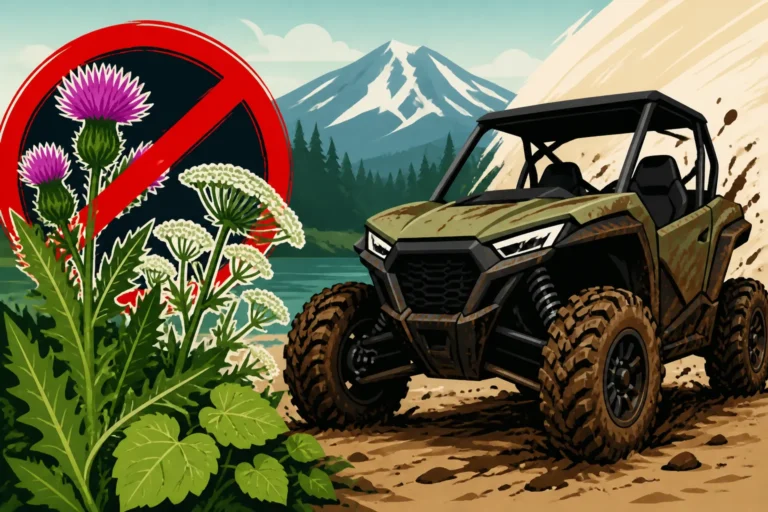
ATV and UTV cleaning techniques prevent invasive weeds from spreading across Washington trail systems and private property.
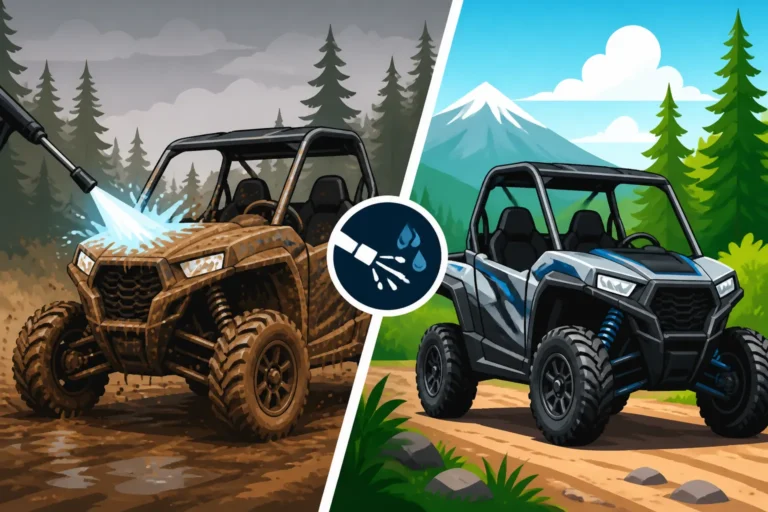
Pressure washing ATVs and UTVs between Washington forests removes mud, prevents weed seed transfer, and protects machines.
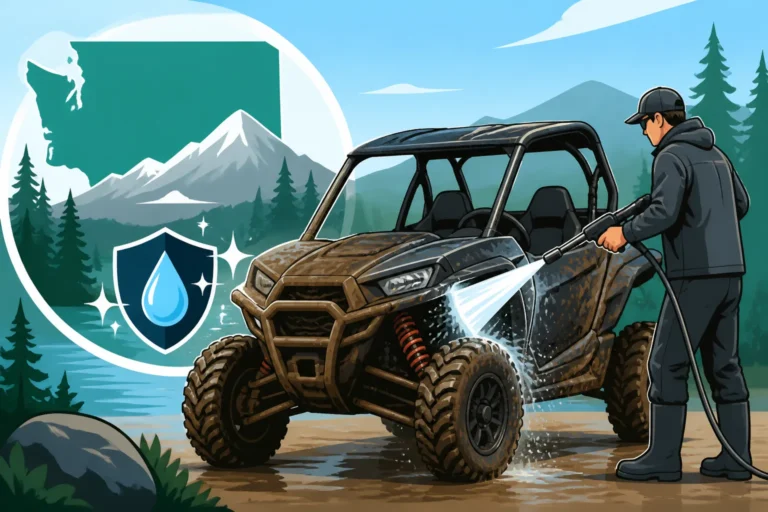
Washing a Washington ATV or UTV before leaving removes seeds and mud, preventing invasive weeds and trail damage.
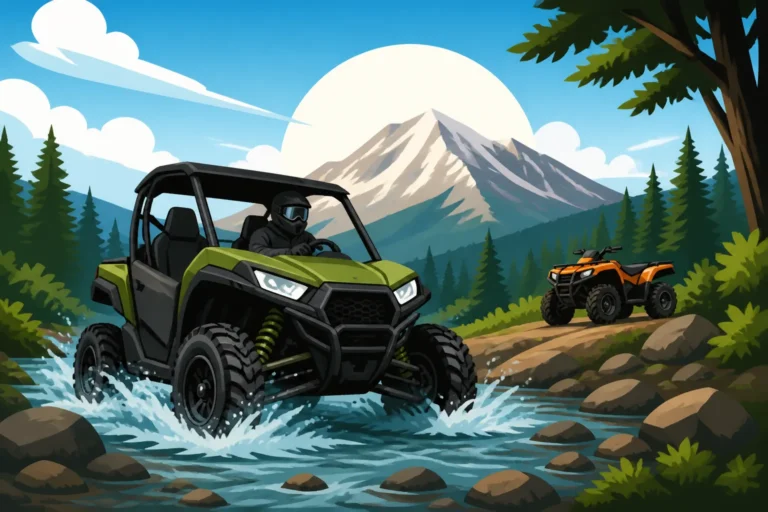
Washington creek crossings require careful assessment of water depth, changing currents, slick banks, and hidden trail hazards.
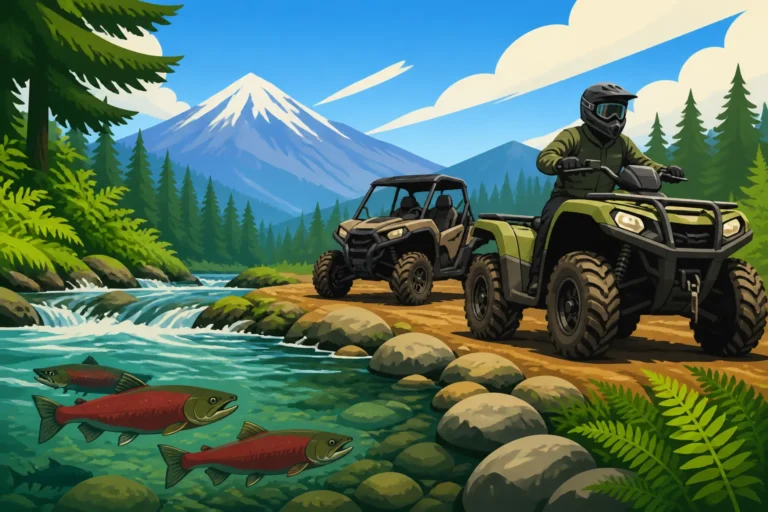
Washington off-road riding rules and stream protection methods help prevent bank damage and muddy runoff in salmon habitats.
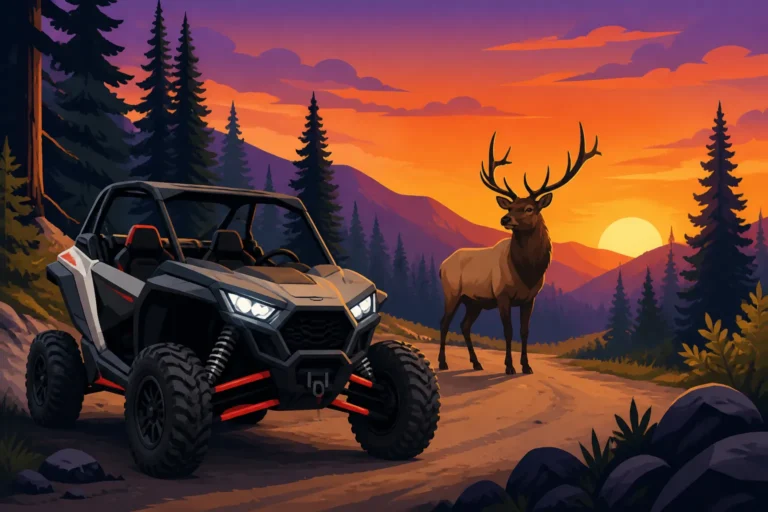
Elk encounters on Washington forest roads require ATV and UTV riders to slow down, keep space, and wait safely.
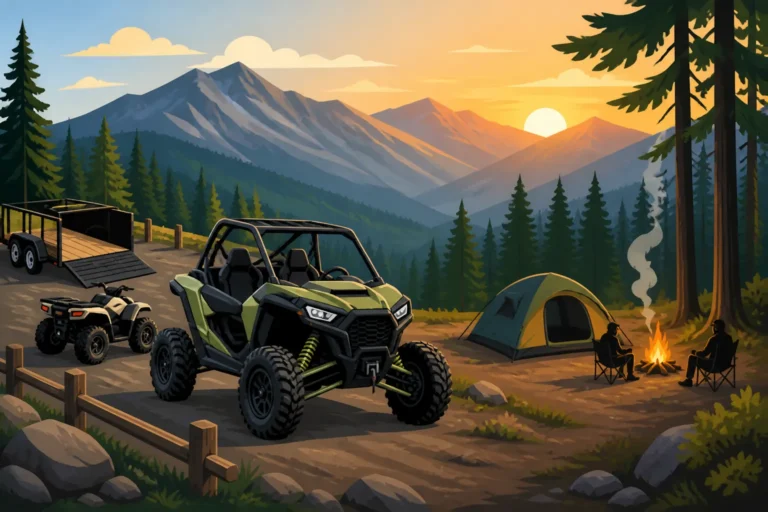
Washington DNR staging lot rules, land manager restrictions, and site signs explain whether overnight camping is permitted.