Washington Rules for Riding in Snow
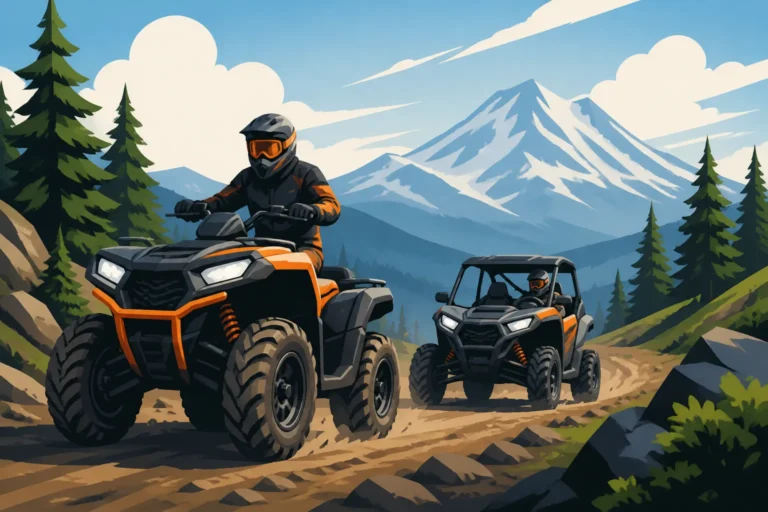
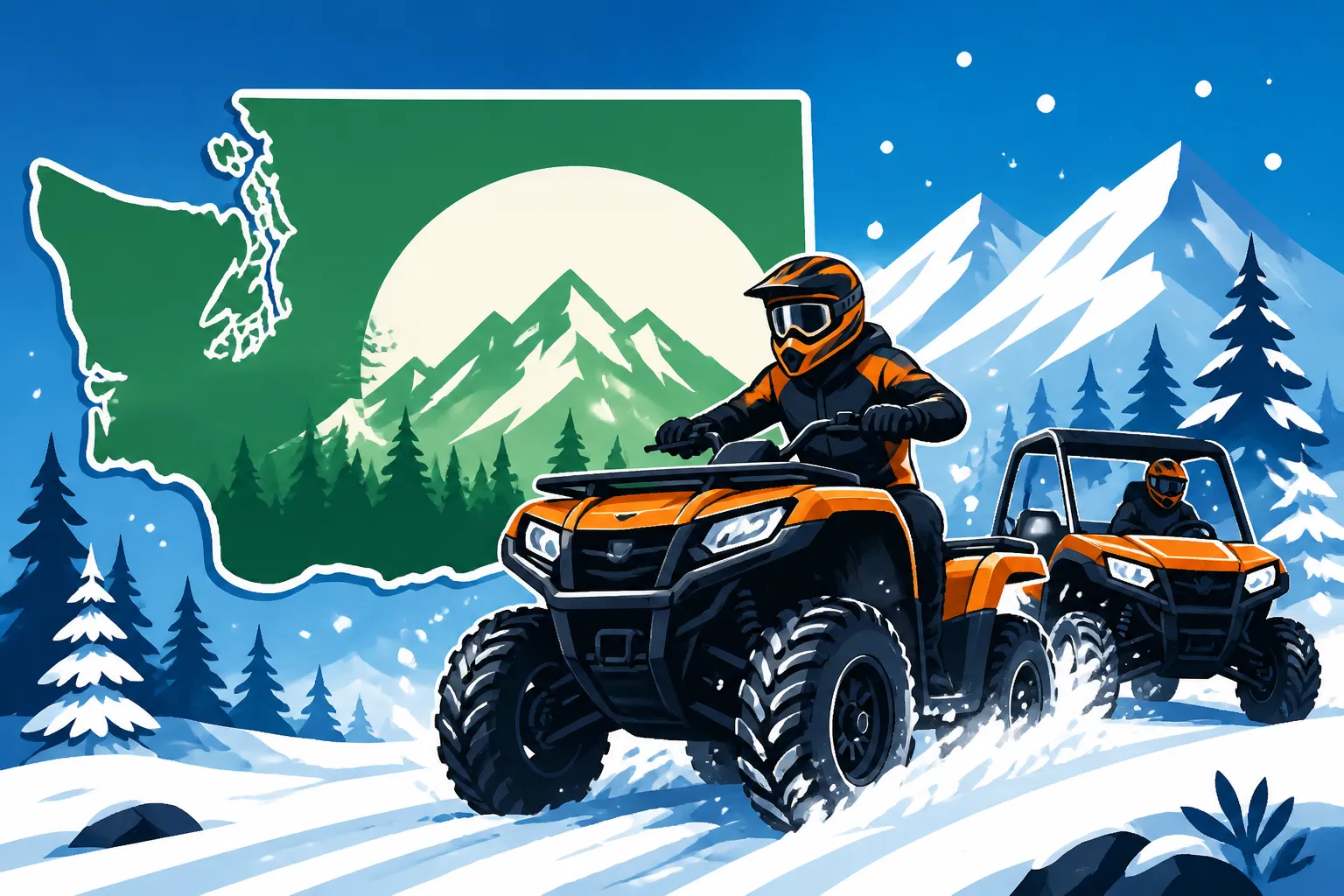
The crisp air, the hushed landscape blanketed in fresh powder, the unique challenge of navigating a familiar trail transformed by snow – winter riding on your Washington ATV or UTV can be an absolutely breathtaking experience. But before you dream of carving fresh tracks, it's crucial to understand that snow riding isn't just "regular riding, but colder." Washington has specific rules, seasonal closures, and safety considerations that can quickly turn an exhilarating adventure into a frustrating, or even dangerous, ordeal if you're not prepared. This guide will walk you through everything you need to know to enjoy Washington's winter wonderland responsibly and legally on your off-road machine.
The Lure and the Laws: Understanding Washington's Winter Riding Landscape
There's something uniquely appealing about taking your ATV or UTV out when the landscape is covered in snow. The world feels quieter, the scenery is dramatically different, and the sensation of floating over powder can be incredibly fun. However, this allure often masks a complex web of regulations, access restrictions, and significant safety challenges that are unique to winter conditions in Washington State.
Why Snow Riding Appeals and Where the Challenges Lie
For many off-road enthusiasts, the first snowfall brings with it a special kind of excitement. Imagine the fresh powder muffling the sounds of the forest, the low winter sun glinting off snow-laden branches, and the thrill of navigating terrain that looks completely new. It's a chance to see familiar trails through a different lens, to test your machine and your skills against the elements in a way that summer riding simply doesn't offer. There’s a certain solitude to it, too, as fewer people venture out in the colder months.
However, this beauty and thrill come with a hefty dose of challenge. The most obvious is the cold, which demands specialized gear and preparation to prevent hypothermia. Beyond that, snow drastically changes the trail itself. What was once a clear path can become a hidden minefield of submerged rocks, logs, and deep ruts, all concealed beneath a deceptively smooth white blanket. Reduced visibility from falling snow or whiteout conditions can disorient even experienced riders. And then there are the legal aspects: many areas that are open to ORVs in the summer are strictly closed in winter, often for very good reasons. Ignoring these closures isn't just illegal; it can disrupt wildlife, damage sensitive ecosystems, and even put rescue personnel at risk if you get stuck where you shouldn't be.
General Rules of the Road or Trail in Winter
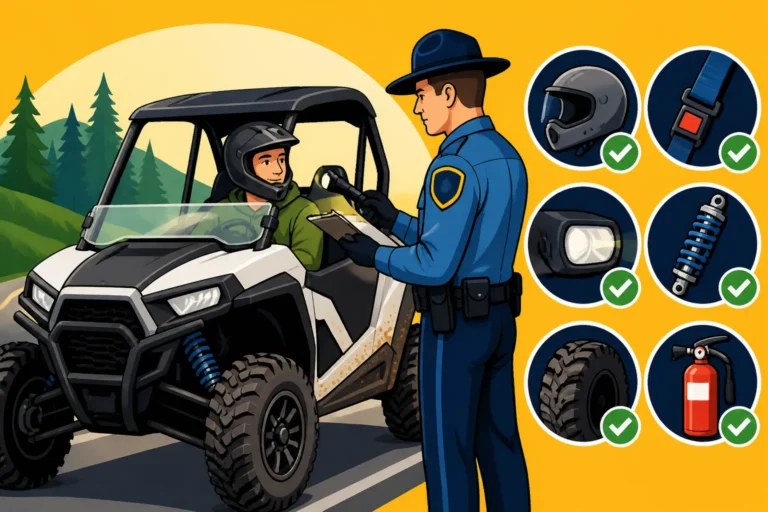
Even when covered in snow, Washington's general ORV rules don't suddenly disappear. You still need valid registration tabs for your machine, whether it's the [Washington's Off-Road Tab Explained] for trail riding or both tabs for designated road use. Your machine still needs a functioning spark arrester, and noise limits remain in effect. Don't assume that because there's snow on the ground, enforcement relaxes; rangers and wardens are still out there, especially in popular recreation areas.
The biggest shift in winter isn't a change in the type of rules, but rather a dramatic change in access. Many of Washington's vast network of trails and forest roads are subject to seasonal closures specifically to protect wildlife during vulnerable winter months, prevent damage to thawing roads (known as "mud season" closures), or ensure public safety in areas prone to avalanches or active winter logging operations. This means that simply having your tabs isn't enough; you need to know where you are allowed to ride and when. The frustration of hauling your machine hours into the mountains only to find a locked gate and a "Closed for Season" sign is a common tale, and it’s one you definitely want to avoid by doing your homework beforehand.
Navigating Restricted Access: Sno-Parks and Winter Closures
One of the most common misconceptions about winter ORV riding in Washington revolves around Sno-Parks. While these designated winter recreation areas are fantastic for snowmobilers, cross-country skiers, and snowshoers, they are generally not open to ATVs and UTVs. Understanding where you can't go is just as important as knowing where you can.
Sno-Park Specifics for ORVs
Washington's Sno-Park system is a network of managed winter recreation sites, many of which require a Sno-Park permit. These areas are incredibly popular, but they're typically categorized for specific types of winter use. You'll find "non-motorized" Sno-Parks primarily for skiing and snowshoeing, and "snowmobile" Sno-Parks where snowmobiles are permitted. Notice what's usually missing from that list? ATVs and UTVs.
The vast majority of Sno-Parks across the state are not open to wheeled ORVs. This is a critical distinction that can catch many riders off guard. You might drive for hours, excited to hit the snow, only to discover a sign clearly stating "No Wheeled Vehicles Beyond This Point" or "Snowmobile and Non-Motorized Use Only." This rule isn't arbitrary; it's to prevent damage to groomed trails intended for lighter-weight equipment, reduce conflicts between different user groups, and protect the quiet winter experience for skiers and snowshoers. In fact, if you've ever imagined [Riding to a Sno-Park in Summer], you'll know they serve a different purpose entirely when the snow is gone.
There are very few, if any, Sno-Parks in Washington that explicitly permit ATVs or UTVs on their groomed routes. Some specific regions might have adjacent trails that are open to wheeled ORVs in winter, but these are exceptions that you must verify with local authorities, like the DNR or Forest Service, before you go. Never assume that just because there's snow, a Sno-Park is fair game for your quad or side-by-side. Always check the specific regulations for the individual Sno-Park you plan to visit.
Seasonal Closures and Why They Matter
Beyond Sno-Parks, a significant portion of Washington's public lands, including many DNR and National Forest trails and roads, are subject to seasonal closures during the winter months. These aren't just minor inconveniences; they are put in place for crucial ecological and safety reasons. Understanding why these closures exist can help prevent frustration and ensure you're riding responsibly.
One primary reason for winter closures is wildlife protection. Many species, like deer, elk, and bear, enter critical winter survival periods where their energy reserves are low. Disturbing them with motorized vehicles can cause them to expend precious energy fleeing, leading to starvation or increased vulnerability. Areas critical for winter range are often closed to all or most motorized access to give these animals the peace they need to survive.
Another major factor is road and trail preservation. As the snow melts and the ground thaws, forest roads and trails become incredibly soft and susceptible to deep ruts and erosion. Riding heavy ORVs on these saturated surfaces can cause significant, long-lasting damage, requiring expensive repairs. This is why you'll often see "mud season" closures in the spring, protecting these routes until they dry out and firm up. [Washington Riding Seasons by Forest] are heavily influenced by these freeze-thaw cycles.
Finally, public safety is a huge concern. Winter conditions bring increased risks of avalanches in mountainous terrain, and limited visibility can make navigating treacherous. Active winter logging operations, particularly on DNR and private timber lands, also necessitate closures to protect both riders and logging crews. For example, [Washington Trails Closed by Timber Work] aren't just a summer phenomenon; timber harvests continue year-round, and access roads may be gated. Always check current conditions and closure maps before you load up your machine.
Equipment and Safety for Washington Snow Riding
Riding in the snow demands more than just a sense of adventure; it requires a serious commitment to safety through proper gear, machine preparation, and an understanding of winter-specific hazards. Skimping on these can turn a beautiful outing into a dangerous situation very quickly.
Essential Gear for Cold Weather and Snow
When the temperatures drop and snow is on the ground, your everyday riding gear simply won't cut it. Layering is key: start with moisture-wicking base layers, add insulating mid-layers like fleece or down, and top it off with a waterproof and windproof outer shell. Gloves should be insulated and waterproof, and you might even consider heated grips for your ATV or UTV. Your helmet needs to be suitable for cold weather, with good ventilation to prevent fogging and adequate insulation. Balaclavas or neck warmers are also invaluable for keeping exposed skin warm.
Traction is another major concern. Standard ATV/UTV tires can struggle in deep snow or on icy patches. Many riders opt for specialized snow tires or even tire chains for added grip. For serious snow exploration, some enthusiasts install track systems on their machines, transforming them into true snow beasts. If you plan on tackling anything beyond light snow, having a reliable winch is non-negotiable. A good quality winch, perhaps from a brand like SuperATV, isn't just for pulling out stuck friends in mud; it's a lifesaver when you misjudge a snowdrift or encounter unexpected icy terrain. Remember to carry a shovel, tow strap, and a small first-aid kit. Extra fuel, a cell phone, a GPS device, and even a satellite communicator are all crucial, as cell service is often spotty in remote Washington winter areas. [Studded Tires in the Cascades] are also an option for some riders seeking better grip on icy forest roads.
| Item Type | Specific Items | Why It's Essential for Snow Riding |
|---|---|---|
| Apparel | Moisture-wicking base layers | Keeps sweat off skin to prevent chilling. |
| Insulated mid-layers (fleece, down) | Provides warmth. | |
| Waterproof/windproof outer shell | Protects against snow, wind, and moisture. | |
| Insulated, waterproof gloves/mittens | Prevents frostbite and maintains dexterity. | |
| Balaclava/neck warmer | Protects face and neck from windburn and cold. | |
| Insulated waterproof boots | Keeps feet warm and dry. | |
| Traction | Snow tires or tire chains | Improves grip on snow and ice. |
| Track system (optional, for deep snow) | Transforms machine for optimal flotation and traction in deep powder. | |
| Safety/Rescue | Winch with recovery straps (e.g., from SuperATV) | Essential for self-recovery or assisting others in deep snow or stuck situations. |
| Shovel (collapsible) | For digging out stuck machines. | |
| Tow strap/rope | For vehicle recovery. | |
| First-aid kit (winterized) | Addresses injuries in cold conditions. | |
| Fire starter/emergency blanket | For survival in unexpected overnight stays. | |
| GPS device/maps (waterproof) & compass | Navigation, as trails can disappear under snow. | |
| Satellite communicator/PLB (if no cell service) | Emergency communication in remote areas. | |
| Machine Prep | Extra fuel (securely stored) | Machines burn more fuel in snow and cold; fuel stops are sparse. |
| Battery tender/jump pack | Cold weather drains batteries faster. | |
| Tool kit (winter-specific repairs) | For roadside repairs. | |
| Headlights/tail lights in good working order | Essential for reduced visibility and short daylight hours. |
Machine Prep for Winter Conditions
Your machine also needs special attention before tackling Washington's winter elements. Cold weather can be brutal on engines and electrical systems. Ensure your battery is in top condition; cold weather significantly reduces battery efficiency. Consider running a battery tender through the winter, or carrying a portable jump pack. Check your coolant levels and ensure your antifreeze is mixed to handle extreme cold. Fuel stabilizer is a good idea if your machine will sit for periods, but for active riding, a full tank of fresh fuel is best.
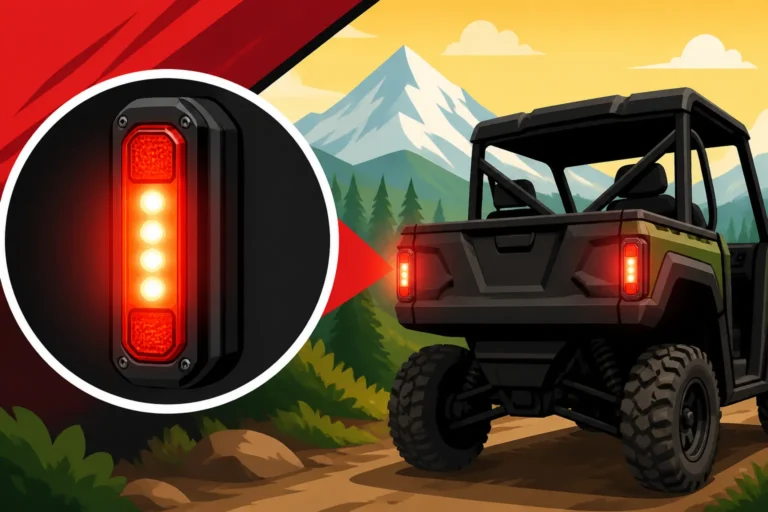
Visibility is often compromised in winter, so confirm all your lights are working, including headlights, taillights, and any auxiliary lighting. Consider adding a light bar or brighter headlights for navigating through falling snow or on short winter days. Protecting your machine from the corrosive effects of winter road chemicals (if you happen to travel any paved roads to your trailhead) is also smart. Regular cleaning and applying a protective spray can help, linking to practices often discussed for [Washington ATV Corrosion Protection]. For those contemplating a full winter season of riding, exploring options like [Washington ATV Winterizing Costs] can provide insights into preparing your machine for storage or rugged use. You'll definitely appreciate having [A Winch Worth Fitting for Washington Trails] in the winter, especially one like those offered by SuperATV, to help get yourself or others unstuck from deep drifts.
Riding Techniques and Hazards in Snow
Riding in snow is fundamentally different from riding on dry dirt. Speeds need to be significantly reduced, and all inputs—throttle, steering, brakes—should be smoother and more deliberate. Sudden movements can easily cause a loss of traction or send you sliding. Maintain extra space between riders to account for reduced braking ability and unpredictable slides.
The biggest hazard is what lies hidden beneath the snow. Small rocks can become launch ramps, hidden logs can snag your undercarriage, and deep ruts or holes can swallow a wheel, leading to sudden stops or rollovers. Always scout ahead if you're unsure of the terrain, and ride with at least one other person. Whiteout conditions, where falling snow and low clouds make it impossible to distinguish the horizon or terrain, can disorient you quickly; know when to stop and wait it out.
Hypothermia is a silent killer in winter. If you get wet or stranded, your body temperature can drop rapidly. This is why proper layering and emergency gear are so important. Additionally, in certain mountainous areas, avalanche danger is a very real threat. If you're venturing into known avalanche terrain, formal training, proper equipment (beacon, probe, shovel), and constant vigilance are essential. Never assume a snow-covered slope is safe.
Where You Can Ride in Washington Snow and How to Find Out
Given all the restrictions and hazards, you might be wondering if you can even ride an ATV or UTV in the snow anywhere in Washington. The good news is, yes, you absolutely can – but it requires careful planning and knowing where to look for open access.
Forest Service Roads and DNR Lands
While many popular summer trails are closed, some lower-elevation Forest Service roads and Department of Natural Resources (DNR) lands remain open to ORV use through the winter. These are typically multi-use roads that are not regularly plowed for passenger vehicle traffic, making them ideal for snow-ready ORVs. Areas like parts of the [Ahtanum State Forest] in Eastern Washington are known for their "Green Dot" road system, where some routes remain open year-round for various recreational uses. [Following Green Dot Roads] can sometimes lead to great winter riding, but always confirm current status.
The key here is "some" and "check before you go." Conditions can vary dramatically by elevation, aspect (which way a slope faces), and recent snowfall. What's open one week might be closed the next due to heavy snow or a new timber sale. Always consult the official websites of the land managing agency (DNR, US Forest Service) for the specific district you plan to visit. Look for current recreation alerts, closure maps, and snow depth reports. This due diligence is crucial for finding [Riding a Snow-Covered Forest Road] that is both legal and safe. [Washington Trail Maps From DNR] are an indispensable resource, but make sure you have the most up-to-date winter versions.
Private Land with Permission
For some riders, private land offers another avenue for snow riding. This could be your own property, or, more commonly, land owned by friends, family, or even timber companies. The golden rule here is absolute: always get explicit permission from the landowner before riding on private property, especially in winter. Trespassing laws are strictly enforced, and you do not want to risk a citation or damage to your machine.
Timber company lands often have extensive road networks that can be enticing for winter riding. However, many timber companies have strict "no public access" policies during winter months, or only issue seasonal permits for specific activities. Active logging operations continue through the winter, making these areas incredibly dangerous if you're not authorized to be there. Some companies might offer a [A Timber Company Permit in Washington] for limited access, but these are increasingly rare and often come with strict conditions. Never assume gates are open or that "no one will notice." [Asking a Landowner Before You Ride] is the only responsible approach.
Checking Before You Go
We cannot emphasize this enough: always, always check current conditions and closures before you head out. Washington's weather is notoriously unpredictable, especially in the mountains. A trail that was open and clear of snow yesterday might be impassable or closed today after a storm. This is where validating your frustrations comes in: nothing is more disheartening than driving hours with a loaded trailer, full of anticipation, only to find the gates closed.
Here’s your action plan for checking:
- DNR and US Forest Service Websites: These are your primary sources. Look for specific forest districts, recreation alerts, and closure orders. They often have interactive maps or PDF downloads showing seasonal closures.
- Local Ranger Stations: Call the ranger district office directly. They are often the most knowledgeable about local conditions, specific road status, and any informal closures not yet posted online.
- Washington State Parks: While most Sno-Parks are off-limits, some state parks might have specific ORV areas that permit winter use or provide access to other lands.
- Washington ORV Associations/Forums: Local rider groups and online forums can be a great resource for real-time conditions and informal reports from other riders. However, always cross-reference this information with official sources.
- Check Weather and Snow Reports: Use reliable weather forecasts for the specific elevation of your riding area, not just the nearest town. Check snow depth reports.
- Alerts and Updates: Make it a habit to look for [Checking Alerts Before You Load Up] and understand [How to Know When a Trail Reopens Mid-Season], as these can change quickly in winter.
By diligently checking these resources, you dramatically increase your chances of a successful, safe, and legal winter riding experience in Washington.
Disclaimer
This article is for general informational purposes only and does not constitute professional advice. Laws, prices and regulations vary by location and change over time. Consult a qualified professional for guidance on your specific situation.