Old Owen, Mann and Ben Howard Roads
Trying to figure out exactly where you can legally take your trusty WATV (Wheeled All-Terrain Vehicle) onto public roads in Washington State can feel like navigating a maze blindfolded. Many enthusiasts dream of connecting trails or running into town for supplies without having to load up on a trailer, but the rules are notoriously complex and vary from county to county, leaving many riders scratching their heads. This comprehensive guide will cut through the confusion, specifically detailing the possibilities and requirements for riding on well-known Snohomish County roads like Old Owen Road, Mann Road, and Ben Howard Road, so you can plan your next adventure with confidence.
Understanding Washington's WATV Road Access Laws
Washington State has a unique framework for allowing Wheeled All-Terrain Vehicles (WATVs) onto public roads, which often differs significantly from how other states manage off-highway vehicle access. It's not a blanket allowance, and it certainly isn't a free-for-all. Instead, it's a carefully structured system that places a lot of power in the hands of local counties and cities. This local control means that what's legal in one county might be strictly prohibited just across the line. The frustration of piecing together these localized rules is something every Washington rider understands deeply, especially when you're just trying to enjoy your machine.
The General Rule: Counties Must Opt In (or Out)
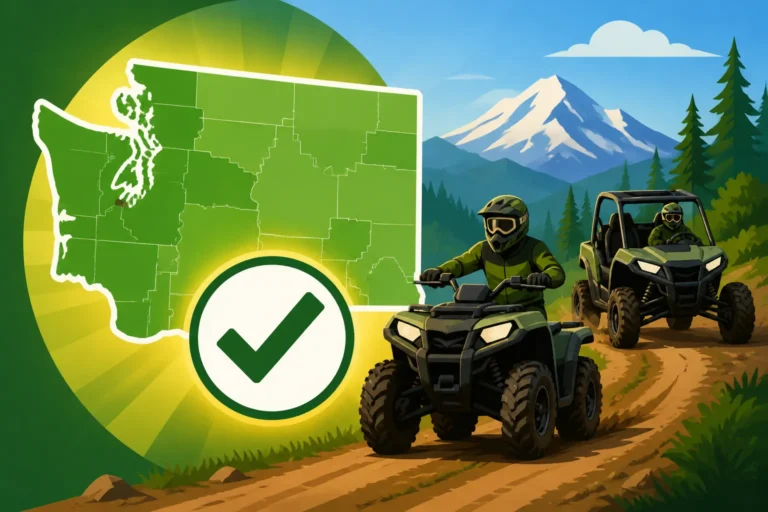
The core of Washington's WATV road access law is tied to population density. For counties with a population of 15,000 residents or more, the default position is that WATVs are not allowed on county roads unless the county actively "opts in" by passing a specific ordinance. This means that if you're in a more populous county, you can't assume you can ride on the roads. You absolutely must verify that the county has taken the necessary steps to open up roads for WATV use. This "opt-in" requirement is a significant hurdle for many riders, as it places the burden of proof and proactive legislation on local governments. For counties with populations under 15,000, the situation is flipped: WATVs are generally allowed on county roads by default, unless the county specifically "opts out" certain roads or areas. This difference is crucial, as it dictates where you even begin your research. Many riders find themselves poring over county council meeting minutes and obscure municipal codes, wishing for a simpler, statewide approach.
The challenge here is that there isn't one central database for all county ordinances. Each county maintains its own records, often on websites that aren't exactly user-friendly for navigating legal documents. You might find yourself sifting through planning department pages or legal archives just to find the critical piece of information that confirms or denies WATV access on a given road. This decentralized approach can lead to a lot of wasted time and, if you're not careful, unintentional violations. It's why many riders rely on word-of-mouth or dedicated local riding groups to keep up with the latest changes, rather than trusting that the county website is always perfectly up-to-date and easy to understand.
The Role of Local Ordinances
When a county decides to open its roads to WATVs, it does so through a local ordinance. These ordinances are the legal bedrock of road-legal WATV use and are incredibly specific. They don't just say "WATVs are allowed"; they often list exactly which roads, or segments of roads, are open. They might also specify speed limits, times of day when riding is permitted, or other conditions unique to that particular jurisdiction. For instance, Snohomish County, where Old Owen, Mann, and Ben Howard Roads are located, falls into the category of counties with over 15,000 residents, meaning they had to actively pass an ordinance to open these roads. Their ordinance, like others, details the specific road segments open for WATV travel.
Understanding these ordinances is absolutely critical. It's not enough to know that a county has allowed WATVs; you need to know the specifics of that county's ordinance and whether the particular road you intend to ride is included. For example, Snohomish County Ordinance 17-032 is the specific document you'd want to examine if you're interested in [Riding Old Owen Road] or other county roads in that area. These ordinances are usually available on the county's official website, typically under the planning department, public works, or county clerk's section. However, as mentioned, actually finding them can be an exercise in patience. Always check the most current version, as these laws can be amended or updated. Misinterpreting an ordinance or riding on a road not explicitly listed as open can lead to significant fines and a lot of unnecessary hassle. It's a prime example of why being a responsible WATV owner in Washington requires a good deal of legal homework.
Old Owen Road: A Gateway to Riding in Snohomish County
Old Owen Road, nestled in Snohomish County, has become a known route for WATV enthusiasts looking to legally traverse county roads. For many, it's more than just a road; it's a connector, a scenic drive, and sometimes even a means to get to other riding areas or local amenities without having to trailer their machine. The presence of specific roads like Old Owen on a county's approved list is a testament to the community's engagement and the local government's willingness to create accessible opportunities for WATV riders. However, simply knowing the road exists isn't enough; understanding its characteristics and the specific rules that apply is paramount for a safe and legal journey.
Navigating the Old Owen Road Corridor
Old Owen Road itself is primarily a paved, two-lane county road, typical of many rural routes in the Pacific Northwest. It winds through a mix of residential areas, forested sections, and open land, offering a pleasant and often scenic ride. The road conditions are generally good, but like any rural route, you should expect potential potholes, gravel shoulders, and wildlife, especially during dawn and dusk. For WATV riders, [Riding Old Owen Road] often serves as a crucial link. It might be used to connect different sections of privately managed timberland (with appropriate permits), or simply to allow riders to access a local store, gas station, or a friend's property that is otherwise inconvenient to reach by trailer. The ability to ride directly from a home or staging area onto a road like Old Owen opens up a whole new dimension of riding flexibility, reducing the logistics often associated with trailering.
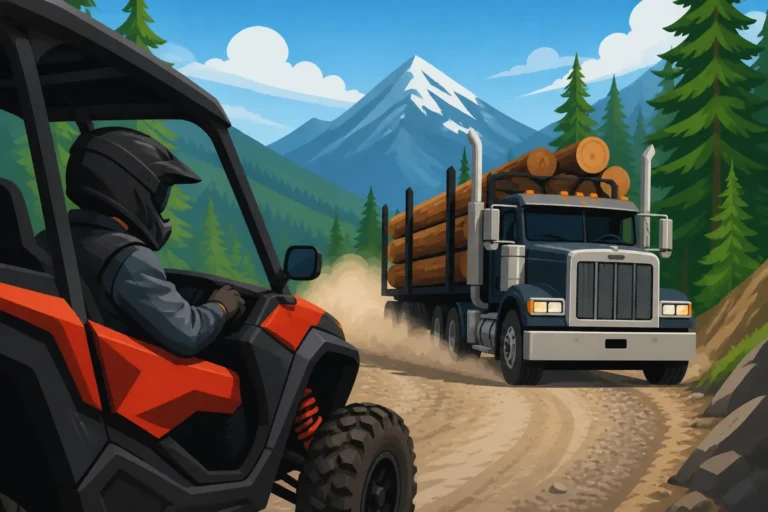
The experience of riding Old Owen Road is generally relaxed, provided you adhere to all traffic laws and WATV-specific regulations. You'll share the road with cars and trucks, so maintaining appropriate speeds and situational awareness is crucial. It's not a trail, it's a public road, and that distinction is vital. Many riders appreciate the opportunity to stretch their legs on pavement, feeling the breeze and enjoying the landscape without the confines of a truck cab. For those who have invested in quality aftermarket accessories, perhaps even some sturdy SuperATV mirrors or a robust horn, Old Owen Road offers a practical proving ground for their street-legal setup before heading to more challenging terrain. It's a great example of how a county road can enhance the overall WATV experience, making it more integrated into the local landscape rather than confined solely to dedicated off-road parks.
Rules Specific to Old Owen Road
Because Old Owen Road is a designated WATV route under Snohomish County Ordinance 17-032, there are specific rules that apply beyond the general state laws for WATVs. While the ordinance explicitly opens this road, it doesn't mean anything goes. Riders must always observe posted speed limits, which are typically 35 mph or lower on these types of roads. This is a crucial point, as the state law for WATV road use generally caps speeds at 35 mph, but local ordinances can set even lower limits. Therefore, always pay attention to the specific signage along Old Owen Road. Enforcement is handled by the Snohomish County Sheriff's Office, and they are well aware of the WATV ordinance. Troopers will be looking for proper registration, required safety equipment, and adherence to traffic laws.
Beyond speed, other critical rules include having all the necessary street-legal equipment on your WATV (which we'll delve into more deeply later), possessing a valid driver's license, and adhering to Washington's helmet laws for all riders and passengers. It's not uncommon for riders to see law enforcement patrolling these roads, ensuring compliance. The spirit of these specific rules is to integrate WATVs safely into the existing road network, minimizing conflict with other vehicle traffic and ensuring the safety of all road users. For this reason, respecting the rules on Old Owen Road isn't just about avoiding a ticket; it's about preserving the privilege of using these roads for the entire WATV community. Failing to follow these specific guidelines could lead to citations, or worse, put the future of WATV access on these roads at risk.
Mann Road and Ben Howard Road: Connecting the Dots
Beyond Old Owen Road, Snohomish County's ordinance extends to other vital arteries like Mann Road and Ben Howard Road. These roads, much like Old Owen, play a crucial role in providing legitimate connectors for WATV riders. The strategic opening of these specific roads demonstrates a clear effort by the county to facilitate responsible WATV use, allowing enthusiasts to navigate parts of the region more freely without having to constantly load and unload their machines. For many, these routes transform what would be a disjointed series of trails or private access points into a more fluid, integrated riding experience, truly enhancing the utility of their WATVs.
Mann Road: Bridging Communities and Trails
Mann Road in Snohomish County offers another designated corridor for WATV use, often serving as an essential link for riders. Characteristically, Mann Road shares similarities with Old Owen Road: it's typically paved, two lanes, and traverses a diverse landscape of rural residences, farmland, and occasional forested stretches. Its significance for WATV riders often lies in its ability to bridge gaps between different areas, potentially connecting riders to staging points for off-road trails or even guiding them towards specific amenities like local eateries or fuel stops. Imagine being able to ride from a private property or a small campground, directly onto Mann Road, and then perhaps connect to other permitted segments or areas for further adventure. This kind of access is invaluable for maximizing riding time and minimizing the logistical headaches of trailering.
[Riding Mann Road to the River] or other local points of interest can be a truly enjoyable experience, allowing you to appreciate the Snohomish County landscape from a different perspective. Just like Old Owen Road, you'll be sharing the road with regular vehicle traffic, so defensive riding, maintaining proper lane position, and signaling turns are all non-negotiable. While the specific sections of Mann Road designated for WATVs will be outlined in the county ordinance, generally, these roads are not high-speed thoroughfares, reinforcing the need for caution and adherence to lower speed limits. The intent behind opening roads like Mann Road is to provide practical access, not to create high-speed corridors. Therefore, appreciating the journey, observing your surroundings, and riding respectfully are key to a positive experience for both WATV riders and other road users.
Ben Howard Road: Scenic Routes and Regulations
Ben Howard Road represents yet another valuable link in Snohomish County's WATV-friendly road network. Often praised for its scenic qualities, [Riding Ben Howard Road] can lead you through picturesque rural settings, offering views of the surrounding natural beauty that defines much of the Pacific Northwest. Like its counterparts, Ben Howard Road is typically a paved county road, but its character might vary slightly depending on the specific segment. Some parts might feel more secluded, winding through denser tree cover, while others might open up to expansive views of fields or valleys. This variety adds to the appeal for riders who enjoy both the utility and the aesthetic pleasure of their WATV excursions.
When planning to ride Ben Howard Road, it’s imperative to consult the precise language of Snohomish County Ordinance 17-032, or any subsequent amendments, to confirm which sections are officially open for WATV use. As with all county roads, the general regulations for WATV operation on public roadways in Washington apply here, including the 35 mph speed limit ceiling (or lower if posted) and the requirement for all necessary street-legal equipment. Furthermore, local enforcement will be monitoring these roads, so ensuring your WATV is properly registered with the [Washington Road Use Declaration], has its [Washington's On-Road Tab Explained] affixed, and all riders are licensed and helmeted is crucial. Ignoring these foundational rules not only risks a citation but also jeopardizes the broader community's access to these valuable riding routes. Riding responsibly on roads like Ben Howard Road helps demonstrate to local authorities that WATVs can safely coexist with other traffic, reinforcing the argument for continued and expanded access in the future.
Essential Equipment and Compliance for Washington Road Riding
Riding a WATV on county roads in Washington isn't just about knowing where you can go; it's equally about ensuring your machine is properly equipped and you, as the operator, are fully compliant with state and local laws. This is where many riders can get tripped up, assuming that if a road is open, their stock off-road machine is good to go. The reality is that [Washington WATV Road Requirements] are quite specific and comprehensive, designed to bring these vehicles up to a safety standard comparable to other road-going vehicles. Overlooking any of these critical requirements can not only lead to a citation but also compromise your safety and the safety of others on the road.
What Your WATV Needs to Be Street Legal
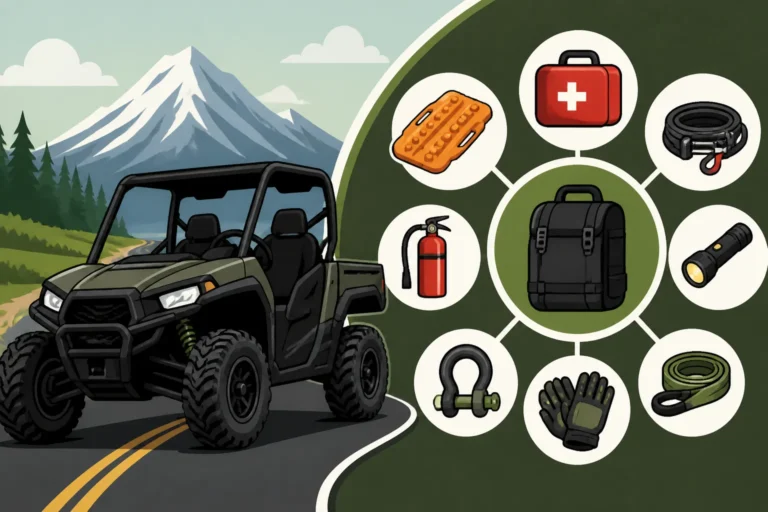
To legally operate your WATV on an approved Washington county road, it must be outfitted with a range of safety equipment that goes beyond what's needed for strictly off-road use. Think of it as bringing your machine up to a basic automotive standard. Here's a rundown of the essentials:
- Headlights and Tail Lights: Your WATV must have at least one headlight and one tail light. These need to be functional and visible, especially when riding in low-light conditions or at night. The tail light must also incorporate a brake light feature.
- Turn Signals: Yes, just like a car, you need working front and rear turn signals. These are crucial for indicating your intentions to other drivers, particularly on roads with mixed traffic. Aftermarket kits, often available from reputable brands like SuperATV, can make adding these a straightforward process for many machines.
- Mirrors: Your WATV must have at least one rearview mirror, mounted to provide the operator with a clear view of the road behind the vehicle. Many riders opt for two mirrors for enhanced visibility, mimicking a car's setup.
- Horn: A functional horn is required. It needs to be audible from a reasonable distance, serving as a warning device for other drivers or pedestrians.
- Windshield or Eye Protection: The operator must either have a windshield on the WATV or wear eye protection (like goggles or a face shield on a helmet). This protects against debris and ensures clear vision.
- Seat Belts (for UTVs/Side-by-Sides): If your WATV is designed with seatbelts, they must be in good working order, and all occupants must use them. This is primarily applicable to side-by-sides or utility vehicles that feature automotive-style seating.
- Brakes: Of course, fully functional service brakes and a parking brake are essential.
- Muffler and Spark Arrester: While crucial for off-road use, a quiet muffler and a U.S. Forest Service-approved spark arrester are also necessary for road use, ensuring noise levels are reasonable and preventing wildfires.
Equipping your WATV can seem like a daunting list, but many of these items can be added with readily available aftermarket kits. It's an investment in safety and compliance, allowing you to fully enjoy the expanded riding opportunities that Washington's road laws provide.
Rider Requirements and Safety
Beyond the machine itself, the operator and any passengers also have specific requirements to meet when riding a WATV on Washington's public roads. These rules are in place to protect everyone on the road and ensure a basic level of competency and safety.
- Valid Driver's License: Any person operating a WATV on a public road must possess a valid driver's license. This means a standard automobile driver's license; an ORV safety certificate alone is not sufficient for road use. This rule ensures that operators have demonstrated basic knowledge of traffic laws and safe driving practices.
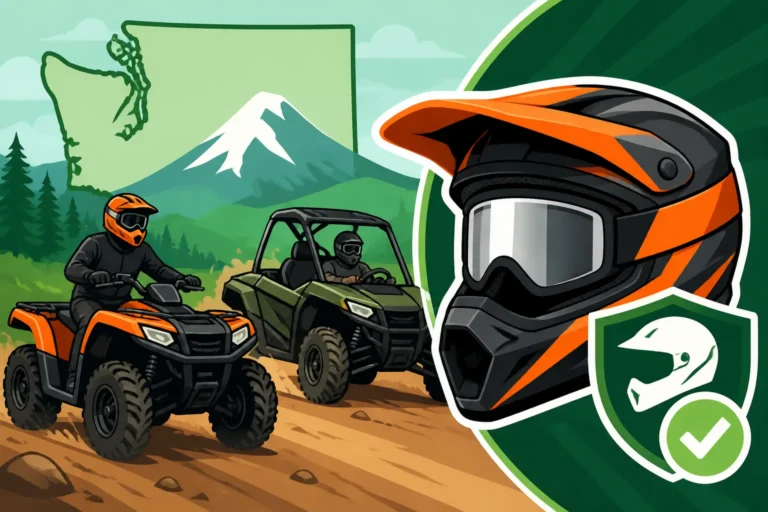
- Helmet Law: Washington has a universal helmet law for WATV riders and passengers when operating on public roads. This means everyone, regardless of age, must wear a USDOT-compliant helmet. This rule is non-negotiable and strictly enforced, as head injuries are a primary concern in WATV accidents. You can learn more about the specifics in [Washington Helmet Law for WATV Riders].
- Insurance: While not explicitly required for all off-road WATV use, if you are operating your WATV on public roads, you absolutely must carry liability insurance. This is the same type of insurance required for cars and trucks and provides protection in case of an accident where you are at fault. Always check with your insurance provider to ensure your policy covers road use for your WATV. The specifics are covered in [Washington WATV Insurance Requirement].
- Passenger Rules: If your WATV is designed to carry passengers, they must be properly seated and use any available safety restraints. Children also have specific rules; generally, passengers must be able to reach the footrests and hold onto the handholds securely. Riders under the age of 16 often require direct adult supervision, even on approved roads.
- Minimum Age: While there's no specific minimum age for passengers if they can safely ride, the operator must be old enough to hold a valid driver's license. For off-road use, Washington has specific rules for minors, but for road use, the driver's license requirement effectively sets the minimum age.
These rider and safety requirements are not merely suggestions; they are legally binding rules. Adhering to them is crucial for your safety, the safety of others, and to maintain the privilege of using WATVs on Washington's diverse road network. Always be prepared for a roadside stop by law enforcement, and ensure you have all your documentation and equipment in order.
Planning Your Ride: Permits, Passes, and Preparation
Embarking on a WATV adventure that includes legal road segments in Washington requires more than just a well-equipped machine and a licensed rider. There's a layer of administrative preparation that's just as crucial for a smooth and legal experience. Understanding the tab system, securing the right passes, and performing thorough pre-ride checks can save you from unexpected fines and ensure you make the most of your time on the trails and roads. Many riders find themselves frustrated by the various hoops to jump through, but these steps are designed to fund trail maintenance, ensure accountability, and promote safety across the state.
Understanding Washington's Tab System and Discover Pass
Washington State employs a dual-tab system for WATVs, distinguishing between off-road and on-road use. For any road riding, you'll need both.
- Off-Road Tab: This is the foundational registration for your WATV in Washington. It indicates that your machine is legally registered for off-road recreational use on designated trails and lands. Without this basic registration, your WATV isn't legal for any public riding, on or off-road. The cost for this tab contributes directly to the Nonhighway and Off-road Vehicle Activities (NOVA) Account, which funds trail development and maintenance.
- On-Road Tab: This is the critical additional tab that grants you permission to operate your WATV on approved public roads. It's an extra step and usually involves a separate fee on top of the off-road registration. To obtain this, you'll generally need to fill out the [Washington Road Use Declaration] form, confirming your WATV meets all the necessary street-legal equipment requirements. This tab is evidence that your machine has been declared road-ready and legally permitted for those specific county roads. [Adding the $12 On-Road Tab on Top] is a common process that every WATV owner who wants road access must undertake. Both tabs must be current and properly displayed on your WATV.
- Discover Pass: While not directly related to your WATV's road legality, the Washington Discover Pass is frequently necessary for accessing the staging areas and trails that these county roads often lead to. The pass is required for vehicle access to recreation lands managed by the Washington State Parks, Washington Department of Fish and Wildlife (WDFW), and Washington State Department of Natural Resources (DNR). So, if Old Owen, Mann, or Ben Howard Roads are connecting you to a DNR-managed forest for trail riding, you'll likely need a Discover Pass displayed on your tow vehicle or WATV (if driving into a permitted area). It's an additional cost, but it's essential for legal access to many of Washington's natural wonders.
It's absolutely vital to carry the correct paperwork with you when you ride. This typically includes your WATV registration (showing both tabs), proof of insurance, and your driver's license. [Which Paperwork You Must Carry While Riding] is a question many riders ask, and being prepared can save you from an otherwise avoidable citation during a routine stop.
Pre-Ride Checks and Local Etiquette
A successful and enjoyable WATV ride on county roads and connecting trails involves more than just legal compliance; it requires responsible planning and adherence to local etiquette.
- Check for Closures and Conditions: Before you even load up your machine, always check for any road closures, trail closures, or advisories. Weather can change quickly in Washington, leading to downed trees, washouts, or fire restrictions that can close access points without much notice. County public works websites, DNR recreation alerts, and local ranger district pages are your best friends here. A quick check can prevent a long, frustrating drive to a closed road or trailhead.
- Vehicle Condition: Conduct a thorough pre-ride inspection of your WATV. Check tire pressure, fluid levels, brakes, lights, and all your street-legal equipment. Ensure your turn signals flash, your horn honks, and your mirrors are adjusted correctly. A quick once-over can prevent mechanical issues that could leave you stranded, especially on less-traveled county roads.
- Respect Private Property: While you're riding on approved county roads, you'll often be passing by private residences and land. Always stay on the designated public right-of-way, respect private property boundaries, and keep noise levels to a minimum, particularly in residential areas. Excessive noise or disrespectful behavior can quickly lead to public complaints and potentially jeopardize future WATV access.
- Share the Road: Remember that county roads are multi-use, shared by cars, trucks, bicycles, pedestrians, and sometimes even horses. Drive defensively, maintain safe following distances, and be courteous to everyone else using the road. Keep to the right, signal your turns clearly, and never assume other drivers see you.
- Minimize Environmental Impact: When you do transition from county roads to trails, ensure you stay on marked trails and avoid riding in sensitive areas. Pack out everything you pack in, and tread lightly on the environment. Protecting these natural resources ensures they remain open for future generations of riders.
By taking the time for thorough preparation, from understanding the legal requirements to practicing good riding etiquette, you contribute to a positive image for the WATV community and ensure that the privilege of riding on Washington's diverse network of roads and trails can continue for years to come.
Disclaimer
This article is for general informational purposes only and does not constitute professional advice. Laws, prices and regulations vary by location and change over time. Consult a qualified professional for guidance on your specific situation.