What a Washington Trooper Checks Roadside
There's nothing quite like the sudden flash of blue and red lights in your rearview mirror when you're out enjoying your ATV or UTV. That pit-of-the-stomach feeling is universal, whether you're cruising a county road or just pulled off a forest trail. Most of us just want to enjoy our ride without trouble, and understanding what a Washington State Trooper looks for during a roadside stop can go a long way in turning that anxiety into confidence. This guide will walk you through the common checks and requirements, so you're prepared and compliant for your next adventure.
The Initial Stop: What Triggers a Trooper's Attention?
It's easy to assume the worst when you see those lights, but sometimes a stop is simply part of a routine check in an area known for off-road activity. Other times, however, there's a specific reason you've been singled out. Understanding these triggers can help you ride smarter and safer.
Obvious Violations and Public Complaints
Let's be honest, sometimes we or others are doing something that naturally draws attention. Speeding, weaving, or operating a machine in a way that looks unsafe is a surefire way to get pulled over, whether you're in a car or on an ORV. This isn't unique to ATVs or UTVs; it's basic traffic law. Troopers are trained to spot erratic driving behavior, and on a county road, that includes off-road vehicles. If you're riding in a prohibited area, like a state highway segment that isn't authorized for ORV use, or if you're riding off-trail in a designated area, that's another clear reason for a stop.
Beyond direct observation, public complaints are a significant trigger. Imagine a homeowner whose property borders a county road that's been opened to WATVs. If riders are consistently creating excessive noise, kicking up dust in residential areas, or perceived as riding recklessly, a call to the State Patrol is highly likely. Troopers take these complaints seriously, especially when they involve potential safety hazards or disturbances to peace and quiet. This means even if you are riding perfectly, a complaint about a group you're with, or even just general ORV activity in the area, could lead to a stop where everyone is checked. It's a tough pill to swallow, but one person's poor judgment can affect everyone.
General Roadside Checks and Patrol Areas
Sometimes, it’s not about something you did wrong at all. Just like cars get pulled over for routine equipment checks or during proactive patrols in certain zones, ORVs can too. Washington State Troopers often conduct focused patrols in areas popular with off-road riders, especially on county roads designated for WATV use or near popular trailheads. They know these areas are high-traffic zones for machines, and it's part of their job to ensure compliance and safety.
Consider a sunny Saturday morning near Capitol State Forest, a prime riding spot. A trooper might set up near an entrance to a legal ORV road, or patrol a known section of county pavement that connects riders to trails. Their goal isn't necessarily to catch people doing something wrong, but to verify that everyone is properly registered, equipped, and operating their machine legally. These checks are about general enforcement and public safety. They might be looking for current tabs, appropriate safety gear, or simply making sure riders are aware of local regulations. It’s less about suspicion and more about maintaining order and ensuring that the privilege of riding on certain roads is exercised responsibly. They might also be on the lookout for machines that appear overly modified for speed or noise, or those with clearly missing safety equipment.
Essential Paperwork: Your First Line of Defense
When a trooper approaches your machine, the first thing they'll usually ask for is your paperwork. Having everything in order and easily accessible is crucial and can make the stop quick and stress-free. Fumbling around for expired documents or not having them at all is a red flag that can prolong the stop and lead to citations.
Registration and Tabs: Proof You're Legal
In Washington, operating an off-road vehicle on public lands (and certain designated roads) requires it to be properly registered. This means you need a valid Washington Off-Road Vehicle (ORV) tab. If you plan to ride on designated county roads, you'll also need the additional [Washington's On-Road Tab Explained]. Both of these are evidenced by decals that should be affixed to your machine in the specified locations, typically on the rear fender or a visible spot on the frame. When a trooper asks for your registration, they'll want to see the physical registration card. This card proves that your machine has valid tabs and that you are the registered owner.
It's common for riders to keep this paperwork tucked away in a waterproof bag, perhaps in a storage compartment or even a dedicated fanny pack. The key is that it's protected from the elements and readily available. A trooper will verify the expiration date on your registration card against the decals on your machine. If your tabs are expired, even by a few days, you're looking at a potential citation. This is also where they might check your [Washington's Metal Tag Explained], which is a physical plate issued for road-legal WATVs. Don't forget, simply having the tabs isn't enough; the registration card is the official proof. [Keeping the Registration Inside the Machine] is a really good habit to get into.
Driver's License and ID
This is a critical piece of the puzzle, especially if you're operating your WATV on a public road that has been opened for ORV use. If you're riding solely on designated off-road trails and not on any public roads, Washington state doesn't require a driver's license for an adult. However, if you are riding on a street or county road that has been designated for WATV use, then you absolutely must possess a valid driver's license. This is a non-negotiable requirement for on-road operation.
A trooper will ask for your driver's license to verify your identity and ensure you're legally permitted to operate a motor vehicle on public roadways. This also ties into age requirements. For example, if you're under 16, there are specific [Washington Rules for Riders Under 16] regarding supervision and where you can ride. A trooper will confirm that the rider meets the minimum age requirements for the specific riding conditions. Even if you're an adult riding purely off-road, carrying some form of government-issued photo ID is always a good idea for identification purposes and in case of an emergency. It just makes things smoother for everyone involved.
Proof of Insurance (for Road Use)
Here's another point that often trips riders up: insurance. If you are operating your WATV on any public road that has been opened for ORV use in Washington state, then you are required to have liability insurance. Just like with a car, this insurance must meet the state's minimum coverage requirements. If you're strictly riding off-road, on trails and private land, then state law does not mandate insurance. However, many riders still choose to carry it for their own protection against damage or theft, but it's not legally required for purely off-road use.
When you're stopped on a county road, the trooper will ask for proof of this liability insurance. This could be your insurance card, a digital copy on your phone, or a declaration page. It's essential to have this readily accessible if you're planning any road riding. Failure to provide proof of insurance when operating on an open road can result in a significant citation. This is a common requirement for any street-legal vehicle, and a road-registered WATV falls under that umbrella. So, if your machine has that coveted on-road tab, make sure your insurance paperwork is current and with you, right alongside your registration and driver's license. [Washington WATV Insurance Requirements] covers this in more detail.
Machine Compliance: Is Your WATV Street-Legal (If Applicable)?
Beyond your paperwork, a trooper will quickly assess your machine itself, especially if you're on a public road. They're looking to ensure your WATV meets all the necessary safety and equipment standards. Many riders modify their machines for performance or aesthetics, but when it comes to road use, those modifications must not compromise safety or legality. Brands like SuperATV offer a wide range of aftermarket parts, but riders need to ensure that any additions or changes still adhere to Washington's specific regulations for road use.
Required Safety Equipment for Road Use
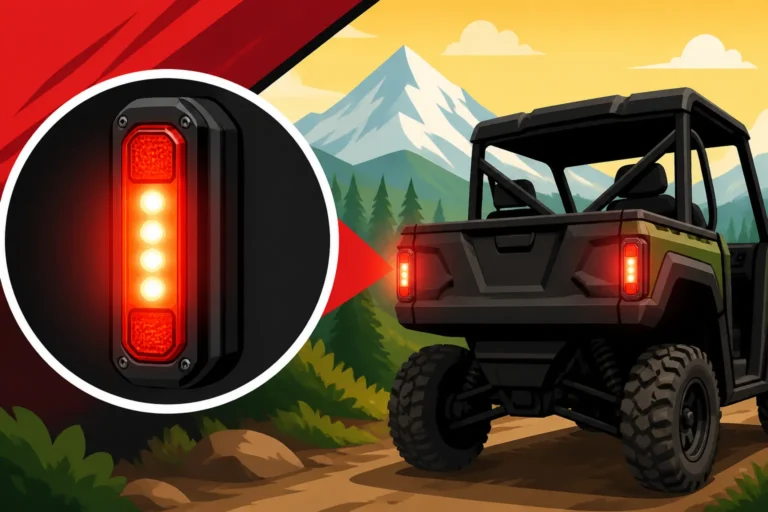
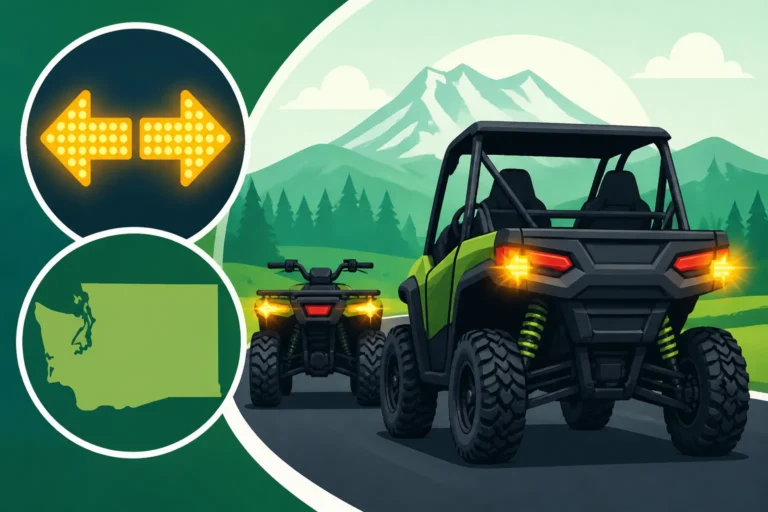
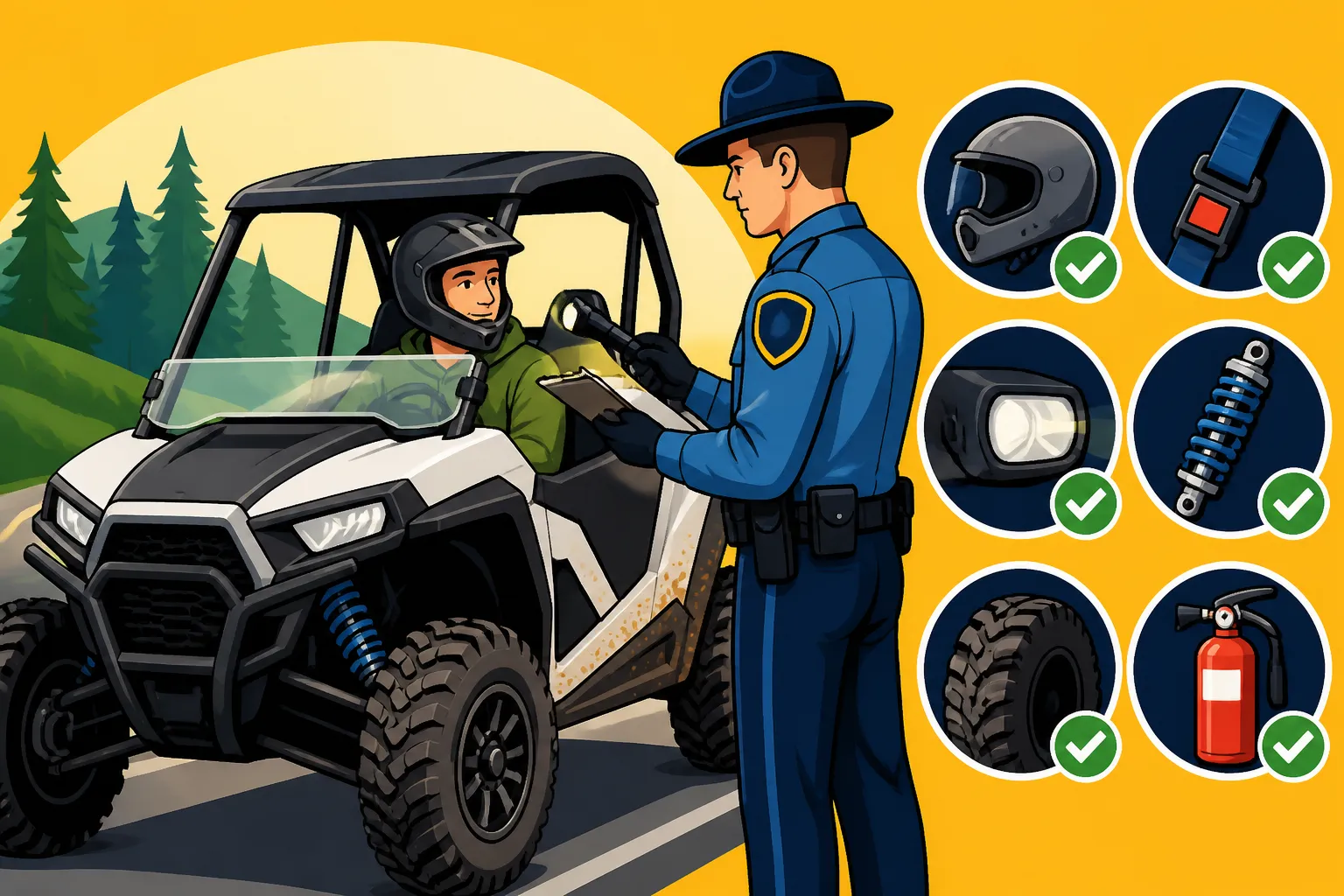
If you're operating your WATV on a Washington public road, your machine needs to be equipped similarly to a standard vehicle. This isn't just about common sense; it's about specific legal requirements. A trooper will check for functional headlights (both high and low beams), tail lights, brake lights, and turn signals. They’ll also look for at least one rearview mirror (often two, one on each side, is a good idea for visibility) and a working horn. Many riders install a universal horn kit or an aftermarket mirror kit, possibly from a brand like SuperATV, to meet these requirements.
Furthermore, you need either a windshield or appropriate eye protection (like goggles or safety glasses) while riding on the road. Seat belts are mandatory for utility vehicles (UTVs/side-by-sides) that come equipped with them from the factory, and they must be worn. Your tires also need to be Department of Transportation (DOT) approved if you're hitting the pavement regularly. The trooper isn't just taking your word for it; they'll often do a quick visual and functional check of these items. [Equipment a Washington WATV Needs on a Road] is a comprehensive resource to ensure you've got everything covered before you hit the blacktop.
Spark Arresters and Mufflers
Even when riding exclusively off-road, and certainly on public lands that allow ORVs, spark arresters are a non-negotiable requirement in Washington. A spark arrester prevents incandescent particles from escaping your exhaust system, which is critical for preventing wildfires, especially during dry seasons. A trooper will visually inspect your exhaust to ensure it has a U.S. Forest Service (USFS) approved spark arrester. Most factory machines come with one, but if you've installed an aftermarket exhaust, you need to confirm it still incorporates a compliant arrester.
Mufflers are also essential for noise control. Washington has sound limits for ORVs, designed to minimize disturbance to wildlife and other recreational users, as well as nearby residents. While a trooper might not carry a decibel meter for a routine stop, they can certainly tell if your machine is excessively loud. A modified exhaust system that bypasses or removes the muffler can lead to a citation for noise violations. This applies to both on-road and off-road use. Keeping your machine's exhaust system in good working order and ensuring it's not overly loud is a sign of responsible riding and helps maintain positive relationships with other land users and the community. [Washington Spark Arrester Requirement] goes into more detail about these important fire prevention devices.
Tire and Width Considerations
For the most part, tire choice on dedicated off-road trails is a matter of rider preference and terrain suitability. However, when a WATV hits a public road, DOT-approved tires are usually required. These tires are designed and tested to withstand the demands of road driving, unlike some aggressive off-road-only tires. A trooper may check for the DOT marking on your tires if you're operating on a county road.
Beyond tires, the overall width of your machine is a less common but still relevant check, especially if you're stopped in a specific riding area or on a narrower trail. Washington has regulations regarding the maximum width of ORVs allowed on certain designated trails. While a trooper on a county road might not immediately measure your machine, if you're riding in an area known for width restrictions, or if your side-by-side looks particularly large, it could prompt a closer look. Most modern UTVs are designed within common trail width limits, but some specialized or heavily modified machines can exceed them. For example, [Washington Rules for a Machine Over 50 Inches] might come into play if you are venturing onto trails designated for narrower vehicles. While a casual roadside stop might not feature a tape measure, being aware of these limits is part of responsible riding, especially if you've added wider A-arms or wheel spacers, perhaps from a company like SuperATV, that significantly increase your machine's footprint.
Rider Compliance: Safety and Age Regulations
It's not just the machine that needs to be compliant; the rider also has a set of rules to follow. These regulations are primarily focused on safety, ensuring that everyone using an ORV, particularly on public roads or with minors, is doing so responsibly. A trooper's check will definitely include verifying these points.
Helmet Laws: Protecting Your Head
Washington state has clear helmet laws for ORV riders. For anyone under the age of 18, wearing an approved helmet is mandatory whenever operating an ORV. This applies whether you're on a designated trail, a county road, or even private property (unless the owner specifically grants permission for no helmet use). For adults (18 and over), the helmet law is a little different: if you're riding on a public road that has been opened for ORV use, then a helmet is also required. However, if you're an adult riding exclusively on off-road trails, a helmet is not legally mandated by the state. That said, wearing a helmet at all times, regardless of age or location, is always the safest choice.
A trooper will observe whether helmets are being worn, especially by younger riders or those on public roads. They'll also check if the helmet is properly fastened. It's not just about having one; it's about wearing it correctly. If you're pulled over and a minor in your group isn't wearing a helmet, or an adult on an open road isn't, expect a citation. This is a primary safety concern for law enforcement. [Washington Helmet Law for WATV Riders] provides a full breakdown.
Age and Supervision Rules
Operating an ORV in Washington comes with specific age restrictions, particularly for public lands and roads. Generally, a child under 16 years of age cannot operate an ORV on public lands unless they are under the direct supervision of a licensed adult (18 years or older) and meet specific training requirements. "Direct supervision" usually means the adult is within sight and sound, and close enough to intervene if necessary. For operation on county roads opened to WATVs, the rules become even stricter, often requiring the operator to hold a valid driver's license, which inherently raises the age minimum.
A trooper will absolutely check the age of any rider they stop, especially if they appear to be minors. If a young rider is found operating a machine without proper supervision, or in an area they are not legally permitted to be, the supervising adult (or even the minor themselves, depending on the severity) could face consequences. It's vital for parents and guardians to understand these rules before heading out. [Washington Rules for Riders Under 16] is a must-read if you have youth riders in your family. Ensuring your kids are on appropriately sized machines and are properly supervised is about their safety and your legal responsibility.
Impairment and Open Container Laws
Just like operating a car, operating an ORV under the influence of alcohol or drugs is illegal and extremely dangerous. Washington's DUI laws apply equally to off-road vehicles. A trooper will be looking for signs of impairment in riders, such as slurred speech, unsteady gait, or the smell of alcohol. They might also notice open containers of alcohol in plain view on the machine.
Riding an ORV while impaired not only puts you and your passengers at extreme risk but also endangers other riders, hikers, and anyone else enjoying the outdoors. If a trooper suspects you are impaired, they will conduct field sobriety tests and potentially make an arrest. The consequences for an ORV DUI are just as severe as for a vehicle DUI, including heavy fines, loss of driving privileges, and even jail time. It's simple: if you plan to drink, do not ride. Designate a sober driver, or save the celebratory beverages for after the ride, back at camp. [Washington DUI Rules for ORV Riders] are clear and strictly enforced for ORVs.
Location, Location, Location: Where You're Riding Matters
One of the most frequent reasons for an ORV stop is simply being in the wrong place at the wrong time. Washington has a patchwork of regulations regarding where ORVs can and cannot be operated. What's legal on one road or trail might be completely forbidden just down the way. Troopers are highly familiar with these local distinctions.
Approved Roads and Designated Trails
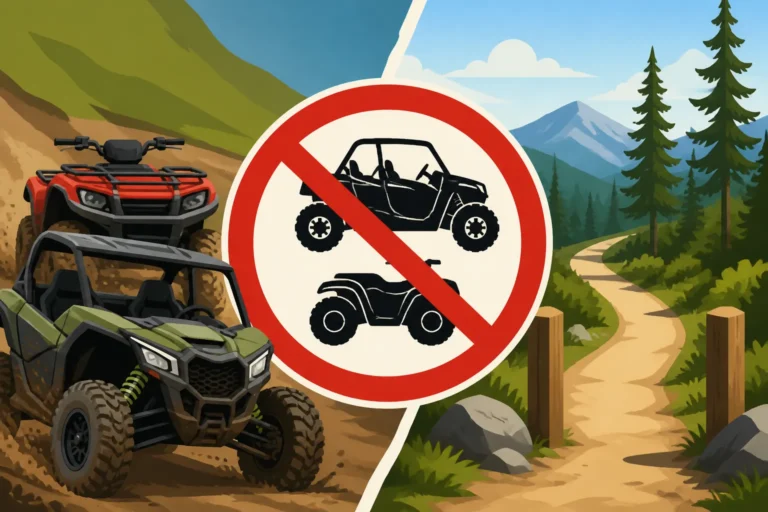
Washington state has a unique system where individual counties and cities can opt to open specific public roads to WATV use. However, this isn't a blanket rule; only designated roads are open. You cannot just ride your WATV on any county road you choose. A trooper will know which roads in their patrol area are approved and which are not. If you're riding on a road that hasn't been specifically opened, you're in violation. The same goes for trails: riding off a designated trail, or in an area explicitly closed to motorized vehicles, is a common reason for a stop.
Many counties publish lists or maps of their approved ORV roads. [Finding a County's Approved Road List] before you head out is crucial. Similarly, the Department of Natural Resources (DNR) and Forest Service provide maps for their designated ORV trail systems. If a trooper stops you, they'll want to confirm you're operating your machine within legal boundaries. Claiming ignorance often won't hold up in court, as it's the rider's responsibility to know and abide by the local rules. Always plan your route, stick to marked trails, and verify road access before you go.
Trespassing and Restricted Areas
This goes hand-in-hand with knowing where you can ride. Private property, whether it's commercial timberland, farms, or residential lots, is strictly off-limits unless you have explicit permission from the landowner. Riding past "No Trespassing" signs, going through closed gates, or venturing onto land without verifying its ownership are all serious infractions. Troopers frequently respond to trespassing complaints from landowners, and the penalties can be severe, including fines and potential impoundment of your machine.
Similarly, some public lands have restricted areas, such as wilderness areas, wildlife preserves, or areas undergoing logging or restoration. These are typically well-marked with signage or shown on official maps. Riding in these restricted zones, even if you inadvertently wander off a main trail, can lead to a stop and citation. It's paramount to respect private property boundaries and public land restrictions. A good rule of thumb: if you're unsure if you're allowed to be somewhere, don't go there. Always check maps and signage. [Washington Trespass Rules for Riders] should be reviewed by all riders.
Public Land Passes
Accessing certain public lands in Washington, including many state parks, DNR lands, and Fish and Wildlife areas, requires a Discover Pass. If you're riding on an ORV trail system managed by one of these agencies, a trooper might check for your valid Discover Pass. While the ORV tab money helps fund trails, the Discover Pass is a separate requirement for vehicle access to these state recreation lands.
Additionally, some federal lands, particularly certain National Forests, might require a Northwest Forest Pass instead of or in addition to a Discover Pass. For example, some ORV areas in the Cascades might fall under this federal requirement. A trooper (or sometimes a park ranger) will check for these passes. Forgetting or not purchasing the correct pass can result in a fine. It’s important to understand which pass applies to the specific land you plan to recreate on. Many riders purchase an annual Discover Pass and keep it prominently displayed in their tow vehicle or with their ORV paperwork. [Washington Discover Pass and Its Own Rules] provides more information on this.
What Happens Next: Understanding the Consequences
Nobody wants to receive a ticket, but understanding the potential outcomes of a roadside stop can help you navigate the situation and take corrective action if needed. The consequences can range from a friendly warning to a serious citation or even impoundment of your machine, depending on the violation.
Warnings and Corrections
Not every stop results in a citation. Troopers have discretion, and for minor, non-safety-related infractions, or if you're genuinely cooperative and it's your first time being stopped for a particular issue, you might receive a verbal warning or a "fix-it ticket." For instance, if your registration decal is slightly obscured but otherwise valid, or if you've missed a minor equipment detail that can be easily fixed, a trooper might simply advise you to correct the issue.
The key here is your attitude and cooperation. Being polite, respectful, and providing requested documents promptly can significantly influence the outcome. If you are argumentative, uncooperative, or disrespectful, a trooper is far less likely to extend leniency. Think of a warning as a valuable lesson and an opportunity to ensure you're fully compliant for future rides. It's a chance to learn the rules without the sting of a fine.
Citations and Fines
More serious violations, or repeated infractions, will likely result in a citation and associated fine. Common reasons for ORV citations include:
- Expired registration or no tabs: This is a big one. [What a Washington Citation for No Tabs Costs] can be substantial.
- Operating on an unauthorized road: Riding where ORVs are explicitly not allowed.
- Lack of required safety equipment for road use: Missing turn signals, mirrors, or proper lighting on an open road.
- No driver's license (for road use): A definite no-go on public roads.
- No proof of insurance (for road use): Another significant fine.
- Failure to wear a helmet (if required): Especially for minors or on public roads.
- Trespassing: Riding on private property without permission.
- Excessive noise: For machines with modified or absent mufflers.
Fines vary widely depending on the specific violation and local ordinances. Some are set statewide, while others might have additional county-level penalties. Always take a citation seriously. You typically have options to pay the fine or contest it in court, but ignoring it will only lead to further problems, including potential warrants or license suspensions.
Machine Impoundment and Escalated Penalties
For the most egregious violations, or in cases of repeat offenses, a trooper has the authority to impound your machine. This is not a common occurrence for minor infractions but can happen for serious issues like:
- Operating under the influence (DUI): If you're arrested for DUI, your machine will almost certainly be impounded.
- Extreme reckless endangerment: Operating your machine in a manner that poses severe risk to others or property.
- No valid registration or title, especially if suspected stolen: If there are serious doubts about the legal ownership or status of the machine.
- Repeated, uncorrected violations: If you've been warned multiple times or have multiple open citations.
Impoundment is a costly and inconvenient process. You'll be responsible for towing fees, storage fees, and any fines before you can retrieve your machine. In addition to impoundment, severe violations can lead to criminal charges, significant fines, mandatory court appearances, and even jail time. For minors, repeat offenses can lead to probation or restrictions on riding privileges. These escalated penalties are reserved for situations where rider behavior poses a clear and present danger or demonstrates a flagrant disregard for the law. Responsible riding is not just about fun; it's about avoiding these serious consequences.
Disclaimer
This article is for general informational purposes only and does not constitute professional advice. Laws, prices and regulations vary by location and change over time. Consult a qualified professional for guidance on your specific situation.