Riding Juniper Dunes in Spring
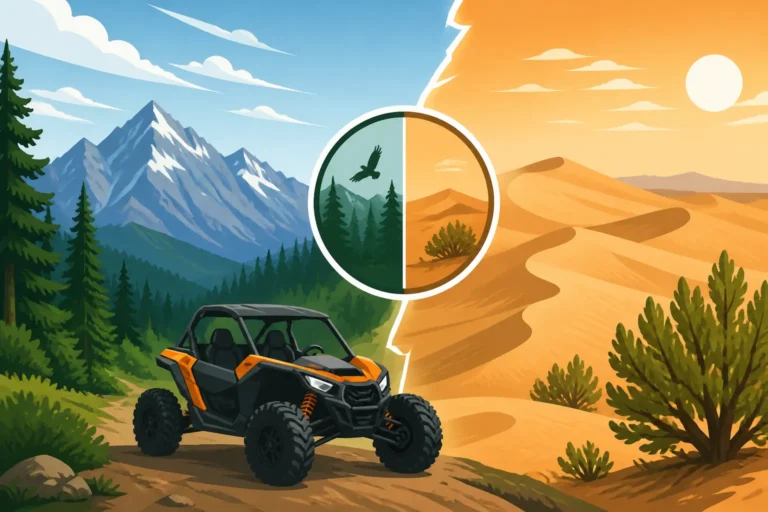
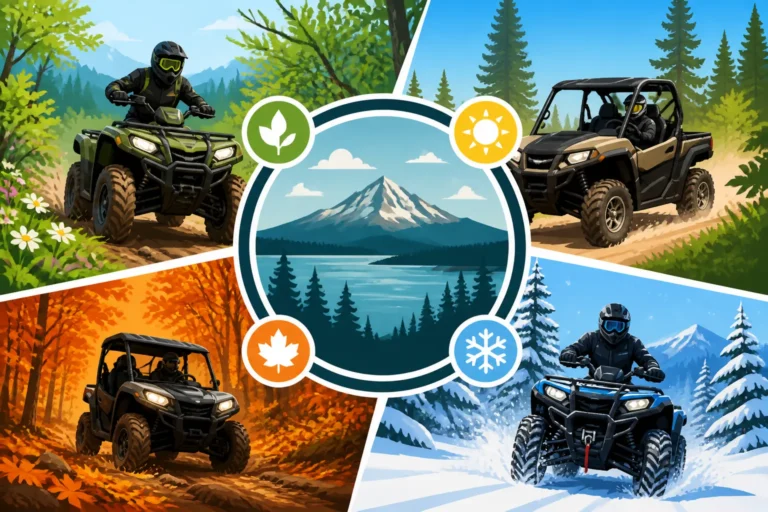
Spring can make Juniper Dunes feel like two different places in one day: firm, easy-to-read sand in the morning and soft, tiring terrain after the sun and wind shift. The bigger frustration is arriving without knowing which routes are open or where motorized riding must stop. This guide covers spring conditions, preparation, navigation, and practical ways to ride responsibly.
Plan for Spring Conditions at Juniper Dunes
Expect changing sand, weather, and visibility
Juniper Dunes is in Washington’s Columbia Basin, north of the Tri-Cities, where spring conditions can change quickly. A cool, damp morning may leave some sand firmer than it will be later in the day. As the surface warms and dries, the same route can become softer and more demanding. Wind can reshape tracks and lift dust, while a passing shower may leave access roads slick or uneven.
That variability matters whether you ride an ATV, UTV, or another permitted off-road vehicle. A route that felt straightforward on a previous trip may have a different surface, visibility, or traffic pattern on your next visit. Give yourself room to adjust rather than treating a saved track or an old trip report as a guarantee of current conditions. A little flexibility is especially valuable if you’re bringing newer riders or a wide side-by-side.
Spring is also a season when access conditions deserve attention. Heavy rain, soft ground, maintenance, or land-management restrictions can affect the route you planned to use. Check for current notices before you leave, then look again at signs and closures when you arrive. [Washington Trail Closures to Check First] is a useful reminder that a trail shown on an older map isn’t necessarily open today.
Choose a riding plan that matches the group
Before loading up, talk through what each person wants from the ride. One group may be happy exploring at a relaxed pace and stopping often; another may want to cover more ground. Those plans can clash if riders have different experience levels, machines, or expectations about how far they’ll travel. Agree on a turnaround point, a meeting spot, and a simple plan for what to do if the group gets separated.
For a family outing or a first visit, keep the first loop modest. Let everyone get used to the sand and the local layout before committing to a longer ride. A comfortable start leaves time to stop, check equipment, or head back if the wind picks up. It also helps reduce the temptation to ride beyond a beginner’s ability just to keep up with the most experienced person in the group.
Use a current land-status map to understand the riding area and its boundaries. The broader landscape includes places where motorized travel may be restricted, so don’t assume that every open-looking dune or track is available to ride. The overview in [Juniper Dunes in Eastern Washington] can help you think about the area’s layout, while signs and current land-manager information should guide decisions on the ground.
Prepare Your ATV or UTV for Sand
Check the machine before you reach the dunes
A quick inspection in the driveway is easier than trying to fix a problem in the sand. Check tire condition and pressure, brakes, steering, throttle return, battery connections, and visible leaks. Look for loose cargo, damaged straps, and anything that could fall off over rough ground. On a UTV, check seat belts and make sure all occupants understand how to use them. Carry the basic tools and recovery items suited to your machine and your group.
Sand can make small problems more noticeable. A loose connection or a weak battery may become a bigger headache when you’re away from a paved road, and overheating or a warning light deserves attention rather than wishful thinking. If your vehicle has a manual with specific checks for riding in sand, follow those directions. Avoid making last-minute mechanical changes unless you know how they affect the machine.
Tire pressure is a common question, but there isn’t one setting that fits every vehicle, tire, load, and surface. Follow the vehicle and tire manufacturer’s guidance, and make only cautious adjustments within their recommendations. [Airing Down for Washington Sand] explains why riders consider pressure changes and why they need to be thoughtful about the trade-offs. Lower pressure can affect handling and increase the chance of tire or wheel damage if you go too far.
Pack for a self-supported day
Don’t count on finding fuel, food, water, or repair supplies at the dunes. Plan to take enough drinking water for the day, plus extra for delays, warm weather, or a rider who needs to cool down. Bring food, a first-aid kit, a charged phone, and a backup way to contact your group if your phone has no service. Fuel up before leaving the main service area for your chosen approach, and don’t plan a ride that depends on an uncertain fuel stop.
A basic recovery kit should match the machines and conditions in your group. Depending on your setup, that may include a tow strap or recovery gear, gloves, eye protection, and tools for routine adjustments. Make sure everyone knows where the equipment is and how it is meant to be used. A recovery strap is only helpful if the group understands safe attachment points and keeps people clear of tensioned gear.
Spring can still feel cold, particularly when you’re moving at speed or standing in the wind. Pack layers, rain protection, and a dry change of clothing for the ride home. Dust protection matters too: carry goggles or other appropriate eye protection and consider how you’ll keep spare clothing and food clean. Keep your phone and essential papers protected from sand and moisture rather than loose in an open cargo area.
Navigate Carefully and Respect Boundaries
Use maps as a planning tool, not permission to ride
Digital maps can help you plan, but a line on a screen should not be treated as proof that a route is open to motorized use. Boundaries, seasonal notices, and land rules can be difficult to interpret from a single map layer. Check the appropriate land-manager information, pay attention to posted signs, and turn around when access is unclear. [Where the Dunes End and Wilderness Begins] is especially relevant when you’re planning around the boundary between riding opportunities and protected land.
If you use onX Offroad, download the information you need before leaving an area with dependable service. Offline access can help with orientation when cell coverage is limited, but it does not replace current official notices or on-site signs. Use the app to support your plan, not to override a closure or justify entering an area with restrictions. Keep your phone secured and charged, and consider carrying a separate backup navigation option.
Build navigation into the group plan. Choose a lead rider and a sweep rider, agree on stops, and make sure everyone can recognize the intended route. If your group splits temporarily, set a specific meeting point instead of relying on everyone to improvise. Riders who are new to the area should know how to identify the way back to the staging area or vehicle, not just how to follow the rider in front of them.
Keep motorized riding out of restricted areas
The open appearance of a sandy landscape can make boundaries feel less obvious than they are. Stay within routes and areas where motorized use is allowed, and do not ride around a sign or closure simply because a track continues beyond it. Protected areas are not extensions of the riding zone. [Why a Wilderness Area Borders Juniper Dunes] provides useful context for why the boundary matters.
Avoid creating new tracks to get around soft ground, congestion, or a blocked route. Going around an obstacle can widen damage and make it harder for future visitors to tell where riding is allowed. If a route is impassable, turn around or choose a clearly permitted alternative. When in doubt, stop and check current land information rather than letting the group’s momentum make the decision for you.
Be considerate around other visitors and wildlife. Slow down near people, parked vehicles, and places where visibility is limited. Give other riders space, and avoid sudden maneuvers on crests where someone approaching from the other side may not see you. Keep noise reasonable, pack out everything you bring in, and leave vegetation and natural features undisturbed. For broader rules that apply to motorized recreation on federal land, see [Washington Rules for Riding Federal Land].
Make the Ride Safer and More Enjoyable
Adjust your riding to the surface and sightlines
Sand can hide changes in firmness and make a machine behave differently than it does on packed dirt. Keep a speed that lets you respond to the terrain, especially near dune crests and turns. Don’t charge over a rise when you can’t see what is on the other side. Ease off, approach with a clear line of sight, and leave room for someone traveling in the opposite direction.
Avoid tailgating. Sand and dust can reduce visibility, and a rider ahead may need to slow down or change direction without warning. Leave enough space to see the trail and react comfortably. If the group is producing a lot of dust, increase the gap or pause until visibility improves rather than pressing forward close behind another machine.
Tire choice can shape how a machine feels on soft sand, but the best setup depends on the vehicle, the rider, and the type of terrain. [Paddle Tires on Washington Dunes] offers a starting point for understanding a specialized option, but don’t assume a particular tire is right for every spring trip. Consider how the machine will be used across the whole ride, and follow the vehicle and tire makers’ recommendations.
Use the table to match the day to your plan
Spring conditions can vary from one visit to the next, so use this table as a planning aid rather than a forecast. The safest choice may be to shorten the route or postpone the trip if access, weather, or visibility isn’t suitable for your group.
| What you notice | What it may mean for the ride | A sensible response |
|---|---|---|
| Damp, firm sand early in the day | The surface may become softer as it dries | Start with a short loop and reassess later |
| Strong wind or blowing dust | Reduced visibility and more tiring riding | Increase following distance and consider cutting the ride short |
| Recent rain or soft access roads | Vehicle access may be difficult or conditions may be changing | Check current notices and avoid driving onto ground that could be damaged |
| Unclear boundary or closure information | The route may not be open to motorized use | Stop, check land-manager information, and don’t cross into uncertain areas |
| A rider is struggling to keep pace | The group plan may be too demanding | Slow down, regroup, and choose a shorter route |
If overnight camping is part of your plan, confirm where camping is allowed and what facilities, if any, are available. Don’t assume that a convenient open patch is an approved campsite or that water and services will be nearby. [Camping in the Open Dunes] can help you think through the difference between planning to camp and simply stopping wherever space appears available.
Finish with a deliberate return plan
Agree on a time to head back before the group gets tired or the light changes. Leave enough daylight to retrace your route without rushing, and check that everyone has what they need for the return. If the weather worsens, visibility drops, or a machine begins acting strangely, treat that as a reason to adjust the plan—not a challenge to push through.
When you return to the staging area, do a quick count of people and equipment before loading. Look over the machines for loose parts, damage, or sand packed into areas that need attention. Brush or rinse off dirt responsibly where appropriate, and check the vehicle manual before using high-pressure water around bearings, seals, electrical connections, or sensitive components. A little cleanup and a brief post-ride check can make the next trip easier.
Juniper Dunes is more enjoyable when the group arrives prepared, keeps its route within permitted areas, and leaves enough flexibility for spring’s changing conditions. Check current access information before each visit, use maps carefully, and let the conditions—not the original itinerary—set the pace.
Disclaimer
This article is for general informational purposes only and does not constitute professional advice. Laws, prices and regulations vary by location and change over time. Consult a qualified professional for guidance on your specific situation.