Riding During Modern Firearm Season
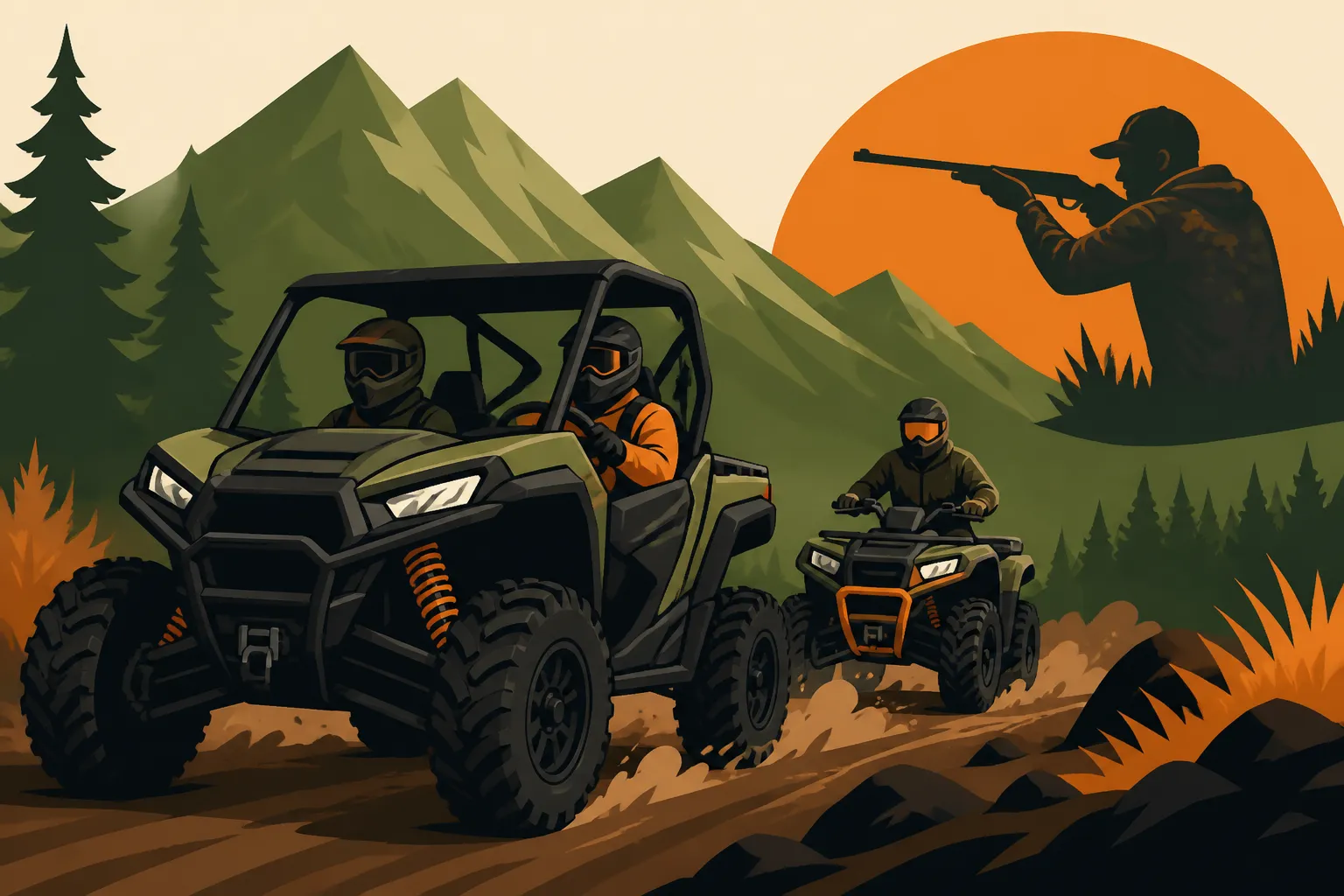
Modern firearm season can change the feel of a Washington trail: more hunters may be in the woods, trucks may be parked at access points, and some routes may have restrictions. You can often still ride where motorized use is allowed, but a valid tab or permit is only one part of the plan. Check the land rules, current closures and hunting activity before you head out.
Check access before you load the machine
Start by identifying who manages the land and which roads or trails are open to your type of machine. A route shown on an old map, a familiar logging road or a track visible on a phone does not necessarily have permission for public motorized use. Seasonal closures, active timber work, fire restrictions and local access rules can affect a route independently of hunting season.
On Washington Department of Natural Resources land, use the current map and notices for the specific recreation area. For national forest land, check the relevant forest’s motor-vehicle information and alerts. Private timberland and tribal land have their own access conditions; a road that looks public may cross property where riding requires permission. The practical distinction is whether motorized travel is currently authorized, not whether a road is physically passable.
If your planned ride crosses several types of land, check each one. A route can be open on one section and closed on the next. These resources explain the basics for Washington Rules for Riding DNR Land and Washington Rules for Riding a National Forest. For a broader pre-trip routine, see Washington Trail Closures to Check First.
Modern firearm season dates and open areas depend on the hunt and the current regulations. Confirm the dates and locations through the Washington Department of Fish and Wildlife’s current hunting information, then compare them with the land manager’s notices. Do not assume that every forest is in the same season, or that the absence of a closure means a route is quiet.
| Before the ride | What to verify | Why it matters |
|---|---|---|
| Your route | Current motorized access and any seasonal restrictions | A map or past trip may not reflect today’s access |
| The land | Whether it is DNR, national forest, private, tribal or other land | Different owners and managers set different conditions |
| Hunting activity | Current season, area and any posted notices | Hunters may be using roads, trailheads and nearby terrain |
| Your machine | Registration, tabs or permit required for that land and use | Access does not replace vehicle requirements |
| Your group | Route plan, meeting point and communication method | A group is easier to manage when plans are clear |
Registration and permits are not interchangeable with land access. A Washington tab or a visitor permit addresses vehicle-use requirements; it does not grant permission to enter a closed area or ride a non-motorized trail. If you are visiting from another state, confirm whether your home registration qualifies under Washington ORV Reciprocity Rules. Reciprocity does not override a land manager’s restrictions.
Share the woods carefully with hunters
During firearm season, expect more people to use forest roads and access points, including hunters on foot, parked vehicles and people carrying equipment. That does not mean you must avoid every shared-use area. It does mean you should ride at a pace that lets you respond to what is ahead, especially around blind corners, narrow roads, trail junctions and parking areas.
Give people and parked vehicles plenty of room. Slow down well before passing, avoid raising dust or mud toward people, and wait if the road is too narrow for a safe pass. If you meet a group on foot, stop and let them choose how to move through the space. Do not assume they have heard you coming; a machine can be difficult to hear through weather, terrain or other activity.
Stay on the authorized route. Riding around a gate, taking an unmarked shortcut or cutting across brush to avoid a busy trail can create a safety problem and may amount to trespass or travel where motorized use is not allowed. If a route is blocked, turn around or use a clearly authorized alternative rather than making one.
Be particularly alert at dawn and dusk, when visibility is reduced and people may be moving between a vehicle, a road and a hunting area. Use required lighting when conditions call for it, keep enough distance to stop, and avoid surprising others by coming up quickly from behind. If you ride in a group, leave space between machines so the lead rider can stop without forcing everyone behind to brake sharply.
A group should agree on simple habits before leaving:
- Set a conservative pace and appoint a lead and sweep rider.
- Stop in safe, visible places rather than bunching up on a narrow road.
- Keep the group together at junctions, without blocking access for other users.
- Do not rev engines, use the horn unnecessarily or linger near people who are hunting.
- Turn back if a route is closed, crowded beyond safe use or difficult to share respectfully.
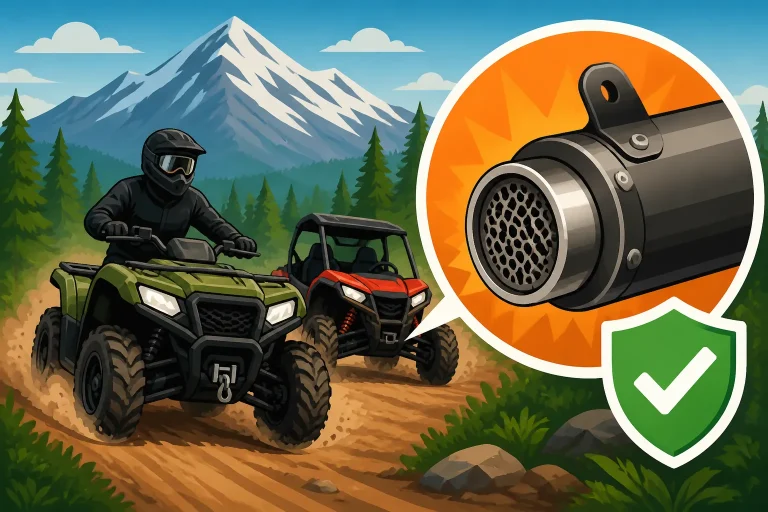
Noise and speed matter more when other users are nearby. Follow the route’s posted limits and applicable sound rules, and avoid unnecessary throttle near camps, trailheads or people on foot. Washington Sound Limits for ORVs covers the sound rules and expectations for riding on public land.
Carrying a firearm is different from hunting from a machine
Riding during hunting season does not by itself make a rider a hunter, and carrying a firearm is a separate issue from simply traveling on an authorized route. Firearm possession, transport and hunting rules can depend on the circumstances, the land and the type of activity. Check current state rules and land-specific conditions before combining a ride with hunting.
Do not assume that a firearm may be carried or handled in any way just because the machine is off-road. If you are transporting one, understand the applicable requirements for the firearm and the location. Keep it secured and do not handle or load it while operating a machine. Passengers should know how equipment is being transported, and the driver should be able to focus on riding rather than managing gear.
Hunting from, shooting from or using a machine in connection with taking wildlife can bring additional restrictions. Do not treat a WATV as a platform for shooting or as a substitute for walking where hunting rules require a different method. The details can be specific, so check Washington Rules for Hunting From a Machine and Washington Rules for Carrying a Firearm on a WATV before planning that kind of activity.
Wear visible clothing when it makes sense for the conditions, especially when people may be moving through the same area. Blaze orange can help other users notice you, but it is not a replacement for required equipment, legal hunting clothing or safe riding. Check the current hunting regulations for any visibility requirements that apply to your activity. Blaze Orange in Washington Woods explains the safety context without treating a bright garment as permission to enter a closed area.
If a hunter signals that you should stop or wait, do so where it is safe. Avoid arguing about access on the trail. If there is a genuine conflict, move away from the immediate area and contact the appropriate land manager or enforcement agency later. Never assume that a person carrying a firearm is acting unsafely simply because you encounter them in the woods; focus on maintaining space and following the rules.
Make a season-specific ride plan
A useful plan accounts for both the machine and the people who may be in the area. Before departure, check current access notices, hunting information and the weather. Tell someone where you expect to ride and when you plan to return. If service may be limited, agree on a meeting point and what the group will do if it gets separated.
Carry the machine’s required registration or permit information and keep it protected from rain and mud. Carry identification and any other documentation required for your ride. Equipment rules depend on how and where you use the machine, so review Washington’s Off-Road Vehicle Rules Explained if you need to confirm the basics.
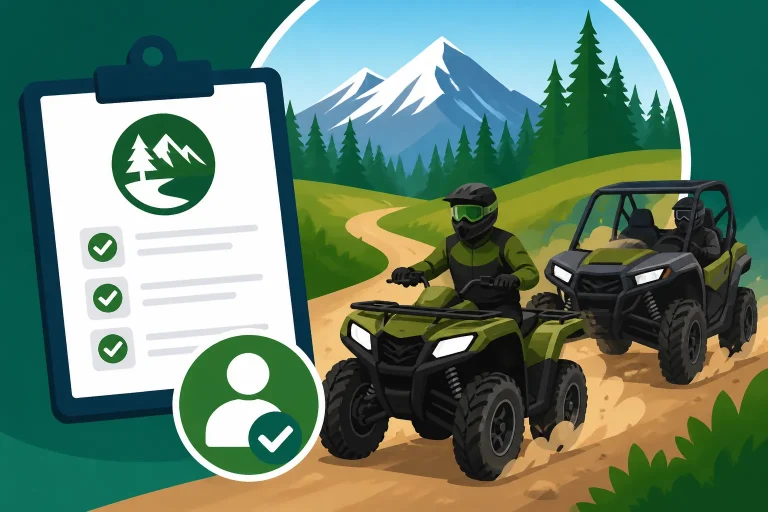
Use this quick check before setting off:
- Confirm the route. Check current notices and make sure every segment allows your machine.
- Check hunting activity. Verify the season and area, then expect people on foot near roads and trailheads.
- Prepare the machine. Check tires, brakes, lights, fuel and load security. Keep tools and gear from shifting or blocking the driver’s view.
- Set group expectations. Agree on speed, spacing, stops, passing and what to do if someone needs to turn back.
- Ride with a margin. Slow down near people, parked vehicles, junctions and limited sightlines.
- Respect a closure or request to wait. Do not bypass a gate or make a new route around an obstruction.
- Recheck conditions on site. A posted notice at an entrance may be more current than information saved before the trip.
A checklist helps, but it cannot make an unsuitable route safe or lawful. If signs conflict with a map, the road is unexpectedly busy, or you cannot tell whether motorized access is allowed, pause and verify before proceeding. Turning around is often the simplest way to avoid a collision, trespass or citation.
The safest approach is straightforward: ride only where access is currently permitted, assume other people may be nearby, and leave enough space and time to react. Hunting season can make a familiar route less predictable, so planning and courteous riding matter as much as having the right tabs.
Disclaimer
This article is for general informational purposes only and does not constitute professional advice. Laws, prices and regulations vary by location and change over time. Consult a qualified professional for guidance on your specific situation.