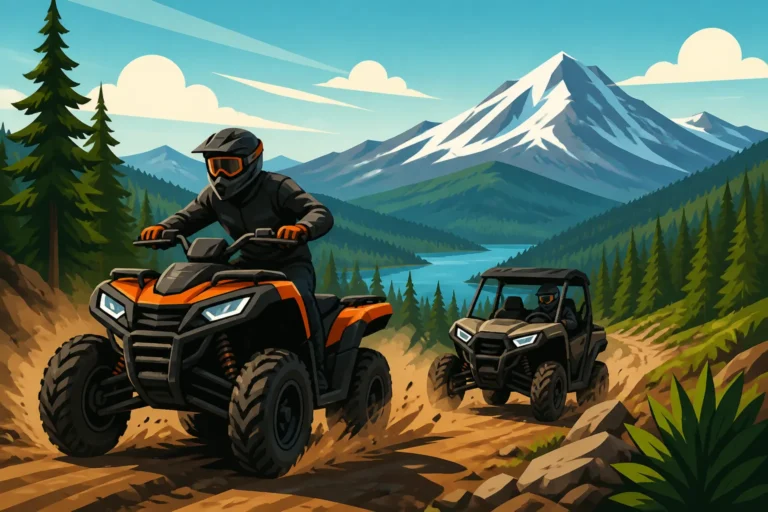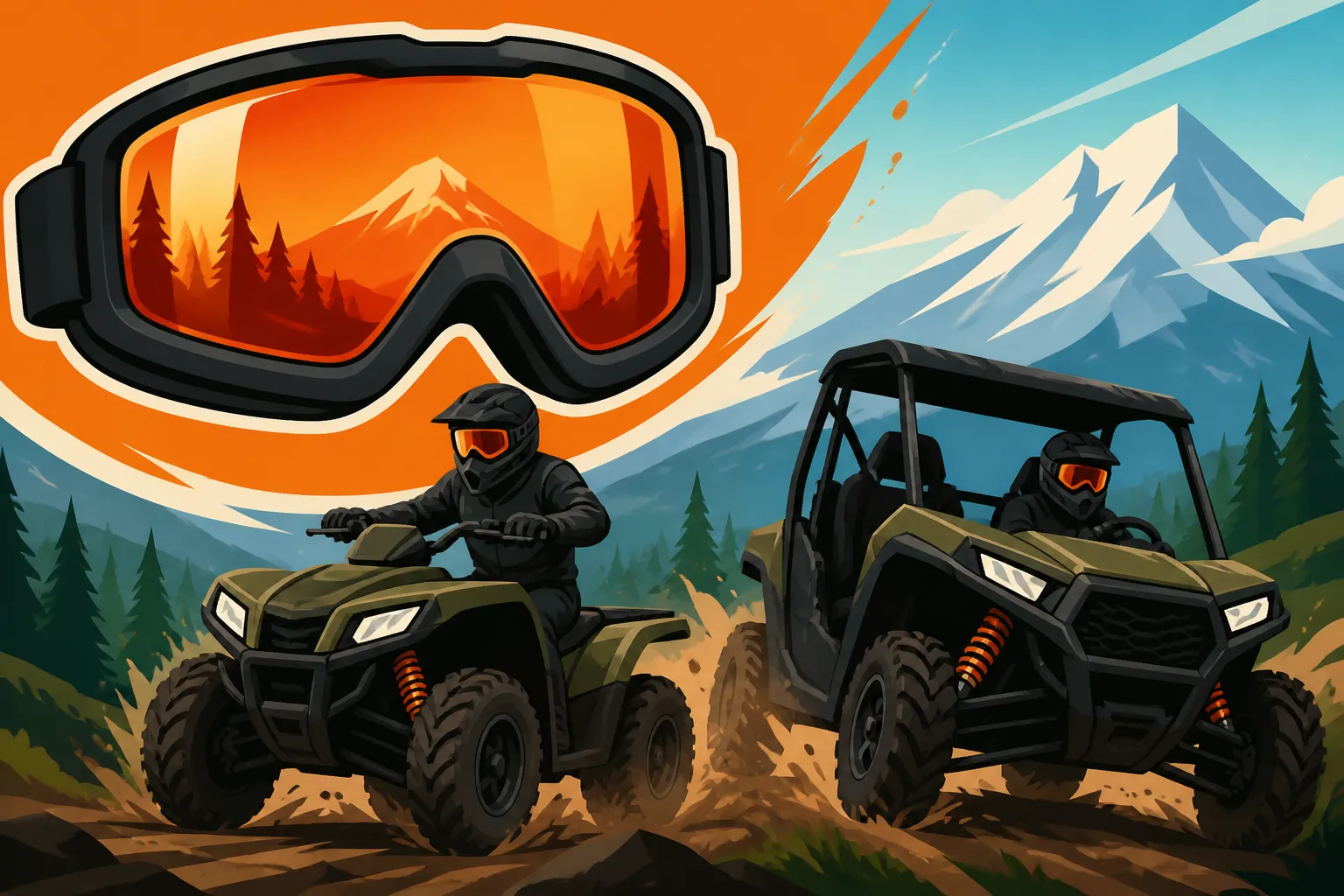
Goggles Instead of a Windshield
The thought of taking your Washington All-Terrain Vehicle (WATV) or Utility Terrain Vehicle (UTV) onto public roads can bring up a lot of questions, especially concerning what gear you need to stay legal and safe. One common point of confusion revolves around eye protection: does Washington State absolutely demand a full windshield for your machine, or can you simply strap on a good pair of goggles? It's a valid concern for many riders who love the open-air feel but want to comply with the rules. This guide is here to cut through the noise and clarify Washington's requirements, helping you understand when goggles are perfectly acceptable and when a windshield might be a smarter choice, both legally and practically.
Understanding Washington's Eye Protection Requirements for WATVs
Navigating the specific equipment requirements for making your WATV street legal in Washington can feel like deciphering a cryptic puzzle. Many riders assume that if a vehicle is on the road, it must have a windshield, just like a car. However, when it comes to WATVs, the rules offer a bit more flexibility, which is great news for those of us who love the wind in our faces (safely, of course!).
The Core Statute: Washington's Vision Protection Mandate
Let's get straight to the heart of the matter: Washington State law doesn't explicitly mandate a windshield for a WATV operating on public roads. Instead, the statute wisely focuses on the outcome: you need "adequate eye protection." This is a crucial distinction that often gets overlooked. What does "adequate eye protection" actually mean in practice? It means wearing something that effectively shields your eyes from the elements and potential hazards you might encounter while riding. Think of it this way: the road, even a smooth paved one, can kick up dust, small rocks, or even flying insects. Without proper eye protection, these can be more than just annoying; they can be genuinely dangerous and impair your vision, leading to an accident.
So, if you're out there connecting trails or making a quick run to the store, whether you're behind a full polycarbonate windshield or wearing a sturdy pair of goggles, the goal is the same: keep your vision clear and your eyes safe. Many riders find that high-quality, impact-resistant goggles designed for off-road use provide excellent protection. They seal around your eyes, preventing dust and wind from getting in, and often have anti-fog coatings to maintain visibility. This flexibility is a huge win for riders who prefer the unencumbered feeling of open-air riding, rather than feeling boxed in by a windshield. For more on this, you'll want to check out the specifics in [Washington Windshield or Goggle Rule].
When a Windshield is Required by Default (and How to Avoid It)
While the law allows for alternatives, it's also true that many UTVs, especially newer models or those designed with more creature comforts, come equipped with some form of windshield right from the factory. If your machine already has one, great! You've got your eye protection covered. However, don't mistakenly believe that if your WATV doesn't have a windshield, it's automatically disqualified from road use. That's simply not the case, provided you're wearing appropriate eye protection.
The key is understanding that the law prioritizes protection over a specific piece of equipment. If your UTV has a roof but no windshield, you're still expected to protect your eyes. This often means wearing goggles or a full-face helmet with a visor. This distinction is especially important for those of us who ride machines that are primarily designed for rugged off-road conditions, where a windshield might actually be more of a hindrance – getting scratched, caked with mud, or prone to breaking on aggressive trails. So, while adding an aftermarket windshield is always an option – and there are plenty of great ones out there, perhaps from a brand like SuperATV – it's not a legal obligation if you're committed to using other forms of eye protection.
The Practicalities of Goggles vs. Windshields on Washington Roads
Deciding between goggles and a windshield isn't just a matter of legal compliance; it's also about personal preference, comfort, and the type of riding you primarily do. Each option brings its own set of practical advantages and disadvantages when you're navigating Washington's diverse terrain, from dusty forest roads to short stretches of paved county roads.
Advantages and Disadvantages of Goggles
For many seasoned off-roaders, goggles are a natural extension of their riding gear, offering an immersive experience that a windshield simply can't match. The immediate benefit is often better airflow. Without a large pane of glass blocking the wind, you get a more direct connection to the environment, which can be wonderfully refreshing on a hot day. This also means less distortion from rain or mud splashing directly onto a windshield, which can quickly obscure your view. Goggles, when properly fitted, keep dirt and debris out of your eyes while offering a clear, unobstructed field of vision right in front of you. They are generally lighter and often more affordable than a full windshield, making them a cost-effective solution for eye protection. They're also fantastic for seamlessly transitioning from a super dusty trail section to a quick paved connector, as you don't have to worry about a mud-splattered windshield. If you're looking for durable, high-quality options or replacement lenses, many riders turn to aftermarket providers like SuperATV for their needs.
However, goggles aren't without their drawbacks. They can sometimes fog up, especially in humid conditions or when you're exerting yourself, though many modern goggles come with anti-fog coatings. Depending on the design, they might offer slightly less peripheral vision compared to an open field of view through a clean windshield. Your face is still exposed to the elements, meaning bugs, windburn, or even small branches can still make contact. For long stretches of road riding, the constant wind hitting your face might become uncomfortable or tiring. The decision hinges on how much road riding you anticipate and your tolerance for the elements. For more on the official stance, refer to [Washington Windshield or Goggle Rule].
Advantages and Disadvantages of Windshields
A windshield, on the other hand, offers a distinctly different riding experience, one that many find more comfortable, especially for longer road excursions or in less-than-ideal weather. The most obvious advantage is the comprehensive protection it provides from wind, rain, bugs, and kicked-up debris. When the weather turns chilly or rainy, a windshield can make a huge difference in keeping you and your passengers warmer and drier. It also offers a more "car-like" comfort, reducing wind noise and buffeting, which can be a relief on extended rides. For those who enjoy a more enclosed feeling or who frequently carry passengers, a windshield is often the preferred choice.
The downsides of a windshield are primarily related to maintenance and environmental factors. They can get dirty, muddy, and scratched very easily, especially if your primary riding is off-road. Glare can be an issue, particularly with certain angles of sunlight or if the material isn't high-quality. Some riders find that the reduced airflow makes summer riding hotter, and visibility can be severely compromised in heavy rain or mud without a wiper system. Installing a windshield is typically more involved and costly than simply buying a pair of goggles. They can also be more fragile, susceptible to cracks or breaks from impacts that goggles would shrug off. When you're making the choice, consider how much of your riding involves paved roads versus the kind of rough trails you might encounter, say, when heading from camp to a trailhead. It's a balance of protection, comfort, and the unique demands of your adventures. You might also find this useful: [Washington Rules for Riding to a Trailhead].
Making the Choice: When Goggles Make Sense (and When They Don't)
Choosing between goggles and a windshield for your Washington WATV isn't about one being inherently "better" than the other; it's about finding the right tool for the job. Your decision should align with your primary riding activities, the conditions you typically encounter, and your personal comfort preferences. Understanding when each option shines can help you make an informed choice that keeps you safe, legal, and happy on the trails and roads.
Scenarios Where Goggles Shine
Goggles are truly in their element when your riding primarily consists of off-road adventures, with only brief transitions onto public roads. Imagine you're deep in [Riding From a Campground to a Trailhead], navigating dusty forest service roads, and then you need to hop onto a short segment of county road to reach the next trail system. In these instances, a windshield might constantly be caked in dust or mud, requiring frequent stops to clean, which is a real hassle. Goggles, on the other hand, allow for quick, easy cleaning and provide unobstructed vision crucial for technical off-road riding. They offer maximum airflow, which is a blessing during strenuous riding or on hot summer days. For riders who live for the raw, open-air, full sensory experience of off-roading, goggles are often the preferred choice, connecting them more intimately with their surroundings.
Furthermore, if your WATV is a purebred off-road machine, not really designed with a windshield in mind, forcing one onto it can sometimes feel like an afterthought. Goggles maintain the machine's intended character and performance, allowing for aggressive riding without the worry of damaging a windshield. They are also highly practical for individual riders who aren't carrying passengers who might appreciate the added protection of a windshield. When you’re only traversing small sections of pavement, like those you might encounter when familiarizing yourself with [Washington Rules for Riding a County Road], goggles are usually more than sufficient and entirely legal.
When a Windshield is the Better Option
Conversely, there are definitely situations where a windshield becomes the undisputed champion. If you anticipate commuting longer distances on open roads, perhaps using your WATV for errands or utility work that involves significant pavement time, a windshield significantly enhances comfort and reduces fatigue. The constant buffeting and exposure to elements over many miles can be tiring with just goggles. When riding in inclement weather – think Washington's famous rain, or colder temperatures – a windshield provides a much-needed barrier, keeping you drier and warmer. This is particularly true if you have passengers, especially children, who would greatly benefit from the added protection and reduced exposure.
For machines regularly used for tasks on public roads, such as property maintenance or accessing different work sites, the convenience and comfort of a windshield often outweigh the potential off-road disadvantages. It creates a more enclosed, car-like environment that can be preferable for day-to-day use. Ultimately, if your riding habits lean more towards extensive road use, frequent adverse weather conditions, or prioritizing passenger comfort, investing in a good quality windshield – perhaps a durable, scratch-resistant option from a reputable brand – is likely the smarter and more enjoyable choice. The decision for extensive road use is a significant one that directly impacts your compliance with [Washington WATV Road Requirements] and overall riding experience.
Here's a quick comparison to help you weigh your options:
| Feature | Goggles | Windshield |
|---|---|---|
| Legal | Yes, if "adequate eye protection" | Yes, provides eye protection |
| Protection | Good for eyes (dust, small debris) | Excellent for entire face/body (wind, rain, bugs, large debris) |
| Airflow | High (open-air experience) | Low (enclosed, can be hotter in summer) |
| Visibility | Clear (direct view), can fog | Clear (through glass), can get dirty/scratched/glare |
| Comfort | Raw, immersive, but face exposed to elements; tiring over long distances | More car-like, sheltered, comfortable for long distances |
| Cost | Generally lower | Generally higher (initial purchase, installation, maintenance) |
| Maintenance | Easy to clean/replace lenses | Requires cleaning, can scratch/crack, wipers needed in rain |
| Best For | Primarily off-road with short road links, aggressive riding, hot weather | Frequent road use, bad weather, passenger comfort, utility work |
Ensuring Compliance and Safety Beyond Eye Protection
While understanding Washington's eye protection rules is crucial, it's just one piece of the larger puzzle when it comes to riding your WATV legally and safely on public roads. A responsible rider considers all aspects of compliance and safety, knowing that a holistic approach ensures a more enjoyable and protected experience for everyone.
The Importance of a Helmet with Goggles (or Without a Windshield)
Let's be absolutely clear: even if you choose a full windshield, and certainly if you opt for goggles, a helmet is almost always a non-negotiable item for road-legal WATV use in Washington. The state's helmet law extends to WATV riders and passengers on public roads, and for good reason. Your head is your most important asset, and while eye protection keeps your vision clear, a helmet provides critical protection against head injuries in the event of a fall or collision. When riding with goggles, your face remains exposed, making a helmet with robust chin and jaw protection even more vital.
Choosing a helmet that integrates well with your goggles is also important. Many off-road helmets are designed with wide eyeports to accommodate goggles comfortably, ensuring a good seal and minimizing pressure points. Don't skimp on quality here; a good helmet, combined with your chosen eye protection, is the foundation of safe road-legal WATV riding. For all the specifics on this, make sure to review [Washington Helmet Law for WATV Riders].
Other Essential Road-Legal Equipment
Eye protection is only one of many requirements for making your WATV truly street legal in Washington. The state demands a full complement of equipment to ensure your machine is visible and controllable on public thoroughfares. You'll need properly functioning turn signals, just like a car, to clearly indicate your intentions to other drivers. Mirrors are also essential, providing you with a clear view of traffic behind you without constantly turning your head. A horn is required for alerting others to your presence, and adequate lighting – headlights, taillights, and brake lights – is necessary for visibility, especially when riding after dark or in low-light conditions.
Many riders, when outfitting their machines for street legality, turn to aftermarket suppliers that specialize in these kinds of accessories. For instance, SuperATV offers a wide range of lighting kits, mirrors, and turn signal kits specifically designed for WATVs and UTVs, making it easier to meet all the state's requirements. These components are critical not only for legal compliance but, more importantly, for your safety and the safety of others sharing the road. Understanding and installing all necessary equipment is part of being a responsible WATV owner. Dive deeper into the specifics by consulting [Washington Lighting Requirements for WATVs], [Washington Mirror Requirements for Road Use], and [Washington Turn Signal Requirements].
Legal vs. Practical Safety Considerations
Finally, it's vital to remember that "legal" doesn't always perfectly equate to "safest" or "most comfortable" for every single situation. The law sets minimum standards, but you, as the rider, are responsible for exercising good judgment and assessing conditions. For example, while goggles are legally sufficient, riding on a highway for an extended period in freezing rain with only goggles might be legal but certainly wouldn't be comfortable or even practically safe due to visibility issues and extreme exposure.
Consider the speed limits of the roads you plan to use, the amount of traffic, and the prevailing weather conditions. A quick hop across a 25 mph side road with goggles is very different from cruising a 35 mph county road for several miles. Your machine, your passengers, and your personal risk tolerance all play a role in making these practical safety decisions. Always assess the situation: just because you can do something legally, doesn't always mean it's the best or smartest choice for that particular moment. Staying informed about all aspects of road use, including [What Washington Requires for On-Road ORV Use], empowers you to make the best decisions for your adventures.
Disclaimer
This article is for general informational purposes only and does not constitute professional advice. Laws, prices and regulations vary by location and change over time. Consult a qualified professional for guidance on your specific situation.