Why the Coast Town Says No
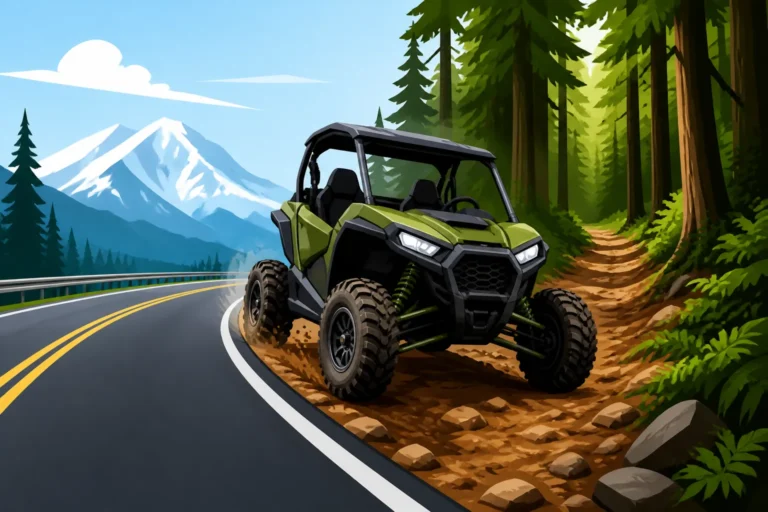
There's nothing quite like dreaming of a scenic ride along Washington's beautiful coast, imagining your WATV or side-by-side cruising through a charming beach town. But then reality hits: you do your research, and you find out that some of these idyllic locations, like the popular destination of Long Beach, have put a firm "no" on off-road vehicle use on their streets. This can be incredibly frustrating when you're just looking for an enjoyable, legal ride, and it often leaves riders wondering, "Why?" This guide is here to unravel the specific reasons why certain coastal towns in Washington, despite the state's broader WATV laws, have decided to keep off-road vehicles off their paved roads.
The Nuances of Washington's WATV Road Access Laws
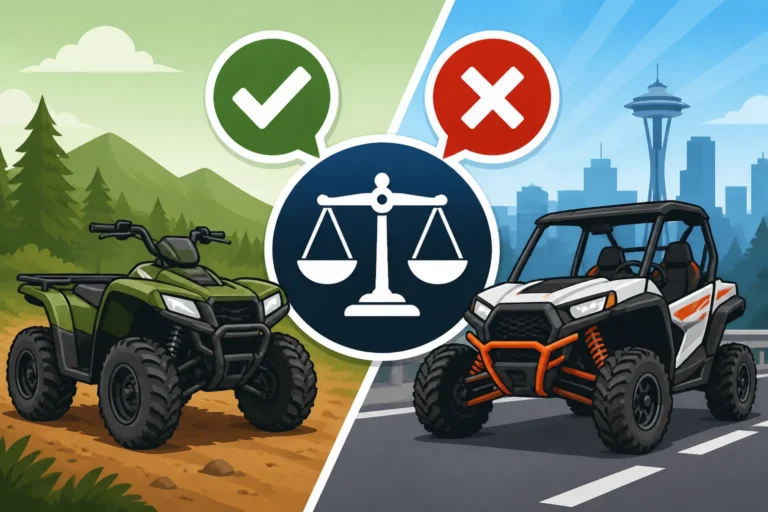
It's easy to assume that because Washington State has a legal framework for WATVs to be street-legal, every city and county would embrace it. However, the reality is far more complex, and it often comes down to local control and very specific ordinances. The state law provides the option for counties and cities to open their roads to wheeled all-terrain vehicles (WATVs), but it doesn't mandate it. This means that while a county or city can allow WATVs on certain roads, they also have the power to restrict or even completely prohibit their use within their jurisdiction.
This local control is a double-edged sword for riders. On one hand, it allows communities to tailor regulations to their unique needs and concerns. On the other hand, it means that riders must do their homework meticulously before venturing out, as rules can change drastically from one town line to the next. What's perfectly legal in one city might earn you a ticket just a few miles down the road. It adds a layer of complexity that can be genuinely disheartening when you're trying to plan a fun, hassle-free ride. It's not always as simple as getting your [Washington WATV Road Requirements] in order and heading out.
For a city to open its streets, it typically needs to pass a local ordinance that specifically designates which roads are open and under what conditions. Smaller counties, those with populations under 15,000, actually operate under a different premise: their roads are generally open by default unless they specifically close them. This distinction means that in some of Washington's more rural, less populated areas, you might find more open roads without much fuss. However, for many of the state's more established or popular destinations, especially those that are highly developed or reliant on a specific kind of tourism, the process almost always leans towards careful consideration, and often, restriction. Always check [Washington Rules for Riding a City Street] before planning your trip.
Why Long Beach Said No to WATV Street Access
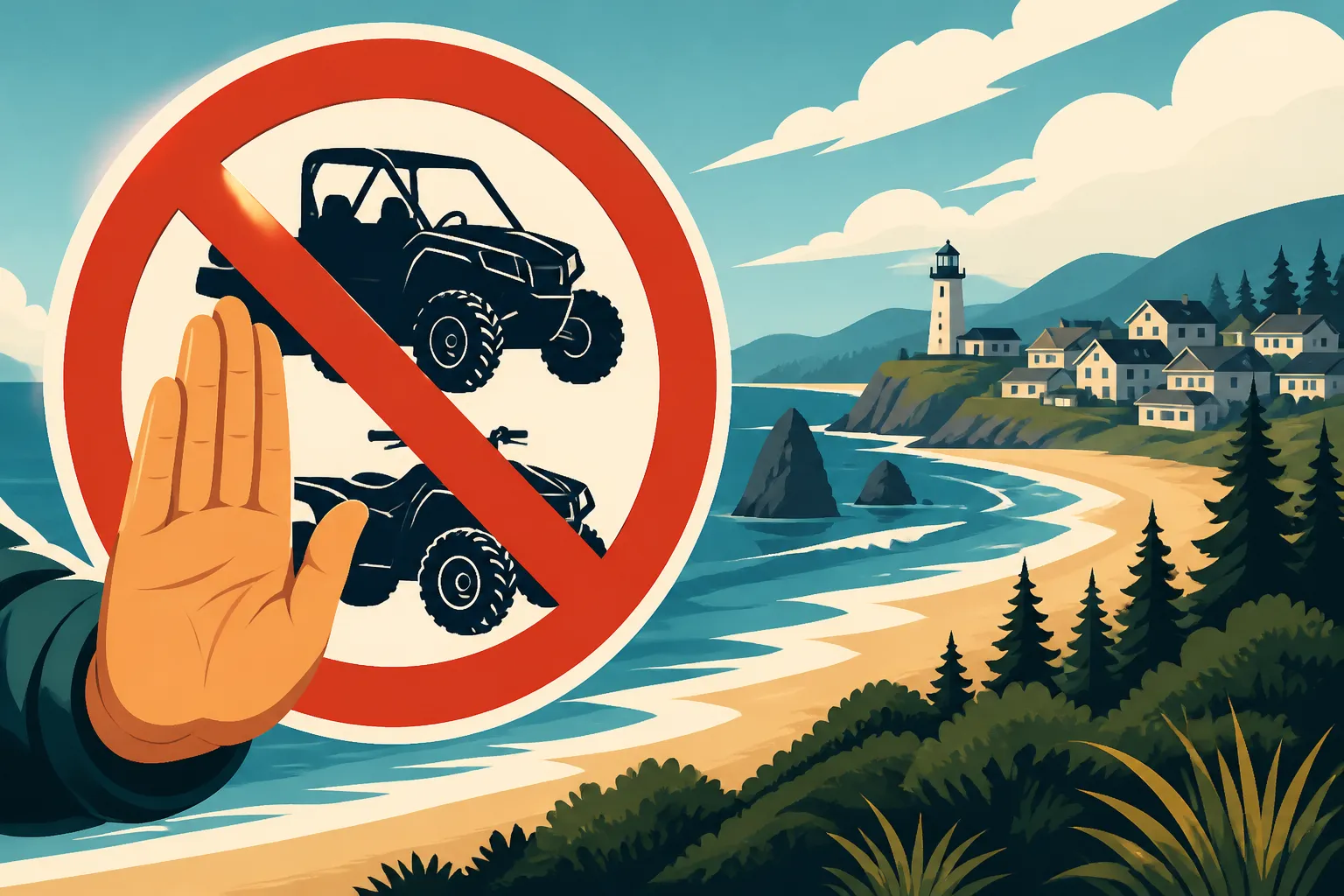
Long Beach, Washington, is a prime example of a popular coastal town that has chosen to prohibit WATV use on its city streets. If you've ever visited, you can probably picture why this decision was made. The town center is designed for pedestrians, cyclists, and traditional vehicle traffic, all moving at a relatively slow pace, enjoying the unique charm of the area. Introducing off-road vehicles into this mix presents a host of challenges that the local government and residents deemed too significant to overcome.
One of the primary concerns revolves around safety, particularly for pedestrians. Long Beach is a major tourist destination, especially during peak seasons, with visitors often strolling across streets, walking dogs, and enjoying the relaxed atmosphere. WATVs, while fun and versatile, can be perceived as louder, faster, and less predictable in a dense urban environment compared to regular passenger cars. The potential for accidents involving pedestrians, children, or even other vehicles, was likely a significant factor in their decision. They want to ensure that families can walk around safely, without having to constantly worry about a machine turning a corner. The town clearly considered its primary demographic and the desired visitor experience.
Beyond safety, the character of the town and its economic focus likely played a crucial role. Long Beach thrives on its unique blend of traditional seaside attractions, quiet charm, and natural beauty, including its famous long, sandy beach. The presence of WATVs on city streets, with their associated noise and often rugged appearance, could be seen as clashing with this established aesthetic and potentially detracting from the desired visitor experience. Many coastal communities strive to maintain a certain ambiance, and while off-road vehicles are fantastic for exploration, they don't always align with a tranquil, pedestrian-friendly downtown. This is a common challenge for many tourist-focused areas trying to balance various interests.
The Special Case of the Discovery Trail
Further compounding the restrictions in Long Beach is the existence of specific recreational infrastructure designed for non-motorized use, like the popular Discovery Trail. This scenic paved path stretches for miles, offering stunning views and opportunities for walking, cycling, and even horseback riding. It's a cornerstone of the area's recreational offerings, built specifically to provide a peaceful and accessible experience for a wide range of users.
Because the [The Discovery Trail Is Closed to Machines], and similar trails are prevalent, the town's decision to restrict WATVs on city streets helps to reinforce the distinct separation between motorized and non-motorized recreation. This segregation ensures that visitors seeking a quiet stroll or a leisurely bike ride aren't disrupted by off-road vehicle traffic. It’s about maintaining the integrity of the recreational experiences that the town has invested in and that its visitors expect. This approach prevents conflicts between different user groups and helps preserve the natural tranquility of specific areas.
Moreover, the environment around Long Beach, with its delicate dune systems and proximity to sensitive coastal habitats, adds another layer of consideration. While WATVs can be fantastic for exploring certain natural areas, ensuring responsible use and preventing environmental damage can be a logistical challenge in a highly visited area. The choice to restrict street access likely ties into a broader strategy to protect these sensitive ecosystems. When you consider the environmental aspects, the local government has to weigh the benefits against the potential long-term impact, especially in areas where [Washington Rules for Riding a Beach] or [Washington Rules for Riding a Dune] are already in place and heavily regulated to protect fragile environments.
The Impact on Riders and the Search for Alternatives
For those of us who love riding our WATVs, finding out a coveted destination like Long Beach is off-limits can be a real bummer. You've likely invested in a great machine, maybe even customized it with accessories from a brand like SuperATV for various terrains, and you want to enjoy it wherever possible. It takes the wind out of your sails when you arrive with your rig, ready for adventure, only to realize the local signs say "no." It requires a shift in your planning, moving from an assumption of freedom to a necessity for detailed research.
This situation often means that riders planning a trip to the Long Beach area need to adjust their expectations significantly. Instead of planning to cruise directly through town or use its streets to access other points of interest, they must focus on trailering their machines to designated off-road riding areas that do allow WATVs. This might mean driving further inland, or to different counties entirely, to find a place where they can legally and safely enjoy their machines. It adds extra logistical steps and can make what should be a straightforward day trip into a more complicated affair.
However, it's not all bad news. The Pacific Northwest, including Washington, still offers a plethora of amazing off-road riding opportunities. While Long Beach itself may be off-limits for street riding, there are numerous forest roads, designated ORV parks, and trail systems within a reasonable drive where your machine can truly shine. It's about knowing where to look and understanding that each community has its own unique rules. For instance, while you might not be riding through Long Beach, you could be exploring incredible backcountry trails where a rugged SuperATV winch or heavy-duty skid plates would be essential.
Here’s a look at common reasons why some areas restrict WATV street access:
| Reason for Restriction | Description | Impact on Riders |
|---|---|---|
| Pedestrian Safety | High foot traffic, narrow sidewalks, and a desire to minimize accidents in tourist-heavy areas. | Cannot ride in pedestrian zones; increased need for alternative access points. |
| Noise Concerns | WATVs can be louder than traditional vehicles, disrupting the peace in residential or quiet tourist areas. | Frustration over being perceived as noisy; leads to restricted hours or outright bans. |
| Traffic Congestion | Adding slower-moving or different types of vehicles can exacerbate existing traffic issues. | Can be cited as a reason for limiting access, especially in busy town centers. |
| Character of the Community | Desire to maintain a specific "feel" or aesthetic, often focused on quiet, historic, or pedestrian appeal. | Limits access in areas prioritizing a specific tourist or local experience. |
| Environmental Protection | Proximity to sensitive ecosystems like dunes, wetlands, or wildlife habitats. | Restrictions aimed at preventing habitat damage or pollution. |
| Limited Infrastructure | Narrow roads, lack of shoulders, or insufficient parking for WATV trailers. | Makes it difficult for towns to safely integrate WATV traffic. |
Navigating Local Ordinances and Advocating for Access
Understanding that local control dictates WATV access is the first step in successful ride planning. Before you ever load up your machine, it's crucial to consult the relevant county and city websites for their specific ordinances. Many local governments provide online maps or lists of approved roads, which can be an invaluable resource. Checking [Finding a County's Approved Road List] is always a good starting point. You'll want to differentiate between what a county allows on its unincorporated roads and what an incorporated city within that county might permit on its own streets.
If you're eyeing a particular area and can't find clear information, don't hesitate to reach out directly to the local county sheriff's office or the city's police department, or even the city clerk's office. They can provide the most accurate and up-to-date information on where you can and cannot ride. Remember, getting caught riding where you shouldn't can lead to significant fines and a lot of unnecessary hassle, something no one wants when trying to enjoy a hobby. A brief chat with a local official can save you a lot of grief roadside if a [What a Washington Trooper Checks Roadside] situation arises.
For riders who are passionate about expanding legal riding opportunities, there are avenues for advocacy. Communities sometimes reconsider their ordinances, especially if local riders or rider associations present well-researched arguments and solutions to common concerns like safety and noise. This might involve attending local council meetings, forming a local rider group, or participating in public hearings to [Asking a County to Open a Road]. By demonstrating responsible riding practices and proposing practical solutions—such as designated routes, specific hours of operation, or even advocating for specific safety gear standards—riders can sometimes influence local policy.
It’s worth noting that simply having the right gear, like durable tires or suspension upgrades from a company like SuperATV, doesn't automatically grant you access to restricted roads. The regulations are about public safety, noise, and community character first and foremost. While your machine might be fully capable and equipped for any terrain, local laws are the ultimate arbiter of where you can legally operate it. By understanding these local rules, researching before you go, and engaging respectfully with local governments, you can help ensure a positive future for WATV riding in Washington. Keep an eye out for [Washington Counties That Allow WATVs on Roads] and [Washington Cities That Allow WATVs on Streets] to find your next adventure. If you encounter a situation where you only need to get from one legal trail to another, remember to research [Washington Rules for Getting Across a Road] for any specific crossing regulations that might apply, even in otherwise restricted areas.
Disclaimer
This article is for general informational purposes only and does not constitute professional advice. Laws, prices and regulations vary by location and change over time. Consult a qualified professional for guidance on your specific situation.