Washington Rules for a Rider Under 16
As a parent or guardian, letting your child experience the thrill of an ATV or UTV ride can be incredibly rewarding, but the thought of navigating all the rules and regulations can feel like a maze. It’s easy to get overwhelmed trying to figure out who can ride, where, and under what conditions, especially when it comes to younger riders. This guide is here to untangle the specific Washington rules for riders under 16, breaking down everything you need to know to ensure your young adventurer stays safe, compliant, and has a fantastic time on the trails.
Understanding the Foundation – Age and Supervision Basics
One of the biggest areas of confusion for parents is often around the age at which children can start riding off-road vehicles (ORVs) in Washington. It’s not as simple as a single number; rather, it’s a combination of age, supervision, and the type of riding you're doing. Washington prioritizes safety, especially for its youngest riders, which is reflected in its regulations.
The Minimum Age to Ride Public Land
When it comes to hitting the dirt on Washington's public lands, there isn't a hard-and-fast "minimum age" that completely prohibits a child from riding an ORV. Instead, Washington's laws focus heavily on supervision for riders under a certain age. This means that if your child is under 16, they absolutely must be accompanied by a licensed adult while operating an ORV on public land, including designated trails in state forests and DNR lands. This isn't just a suggestion; it's a legal requirement designed to ensure an experienced, responsible adult is always on hand to provide guidance and assistance. The expectation is that the adult is actively overseeing the child, able to intervene if needed, and close enough to communicate. For more details on this, you can check out [Washington Minimum Age to Ride Public Land].
What does "direct supervision" really entail? Imagine you're at a popular ORV park like Capitol State Forest. Your 14-year-old is on their quad, navigating a winding trail. "Direct supervision" means you, as the licensed adult, are on your own machine, riding right alongside or just behind them, within visual sight and earshot. You're not off on a different trail, or so far ahead that you can't see what's happening. If your child encounters a tricky section, needs help, or gets into trouble, you need to be right there to assist immediately. It's about constant, active monitoring to ensure their safety and adherence to trail rules. Understanding [What Direct Supervision Means in Washington] is critical for compliance.
Who Can Supervise a Minor Rider
So, who qualifies as a "licensed adult" capable of supervising a rider under 16? Washington law specifies that this person must be at least 18 years old and possess a valid driver's license. This means a parent, guardian, or any other responsible adult who meets these two criteria can legally supervise a minor. It's important to remember that this isn't just about having a license; it's also about having the experience and judgment to guide a young rider safely. A good supervisor understands the machine, the terrain, and the capabilities of the child.
Let's say your 12-year-old is itching to ride, and their 18-year-old older sibling, who just got their driver's license, wants to take them out. As long as the 18-year-old holds a valid driver's license, they absolutely qualify as a legal supervisor under Washington law. However, as the parent, you’d still want to assess the older sibling's maturity and riding experience to ensure they can truly provide responsible oversight. The intent of the law is to have a competent, experienced person in charge. The rule regarding [Who Must Ride Alongside a Fifteen-Year-Old] further clarifies these requirements, emphasizing the need for that licensed adult presence. It’s not just about age, but about responsible guidance and the ability to step in when necessary.
Equipment and Safety for Young Riders
Beyond supervision, the physical safety of young riders is paramount, and Washington state has clear guidelines on the equipment necessary to protect them. This includes not only personal protective gear but also ensuring the off-road vehicle itself is appropriate for the rider. Investing in the right gear isn't just about compliance; it's about minimizing risks and maximizing enjoyment.
Helmet and Protective Gear Requirements
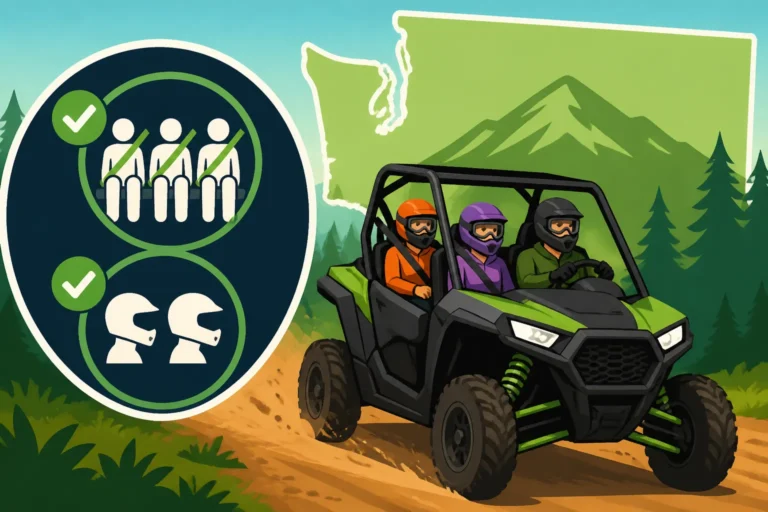
When your child swings a leg over an ATV or buckles into a UTV, the very first piece of equipment they need is a helmet. Washington's helmet law is universal: everyone, regardless of age, must wear a U.S. DOT-compliant helmet whenever riding an ORV on public land or any road where ORV use is permitted. This isn't a suggestion; it's a non-negotiable safety mandate. A properly fitting helmet can be the difference between a minor bump and a serious head injury. Ensure the helmet fits snugly, without obstructing vision, and that the chin strap is securely fastened. For a deeper dive, check out [Washington Helmet Law for WATV Riders].
But safety extends beyond just a helmet. Eye protection, such as goggles or a full-face shield, is also critical to shield eyes from dust, debris, branches, and insects. Long pants and long-sleeved shirts, made from durable material, are essential to protect skin from abrasions and scratches. Over-the-ankle boots provide crucial support and protection for feet and ankles, while gloves can prevent blisters and improve grip. Think of it as a full suit of armor for your young rider. When it comes to outfitting your youth machine for safety, you'll find a lot of great options out there, from reputable brands offering everything from stronger roll cages to protective skid plates. Companies like SuperATV, for instance, offer a range of accessories that can enhance safety and durability for any rider, including younger ones, helping to provide an extra layer of protection against the inevitable bumps and scrapes of trail riding.
Appropriate Machine Sizing and Type
Matching the machine to the rider is just as important as the protective gear. A child on an ORV that’s too large or too powerful for their size and skill level is a recipe for disaster. Washington doesn't enforce specific engine displacement (CC) limits based solely on age, but manufacturers generally provide age recommendations for their youth models. These recommendations are based on factors like machine weight, top speed, and handling characteristics. It's crucial to select a machine where the child can comfortably reach the controls, touch the ground with their feet, and handle the weight and power effectively. A machine that is too big will be difficult to steer and stop, increasing the risk of accidents.
Consider the physical capabilities of your child. Can they easily turn the handlebars? Can they apply the brakes effectively without straining? Can they operate the throttle smoothly? If your child is struggling with any of these basics, the machine is likely too big, or they need more practice on a smaller, safer model. It’s about building confidence and skill gradually. A great resource to consult is [Youth Machine Sizes and Washington Rules], which can help guide your decision-making. Ensuring your machine is equipped with the right accessories for safety and durability is key. Whether it's robust skid plates to protect the undercarriage from unexpected rocks or high-quality helmets for head protection, investing in good gear, perhaps from a trusted name like SuperATV, can make a huge difference in peace of mind when your child is out on the trail.
Navigating Washington's Diverse Riding Environments
Washington offers a breathtaking array of landscapes for ORV enthusiasts, from dense forests to open dunes. However, the rules for young riders can differ depending on whether you're on a dedicated trail or considering crossing a paved road. It’s vital to understand these distinctions to avoid legal trouble and ensure safety.
Rules for Riding on Designated ORV Trails
For the most part, designated ORV trails on public lands are where young riders under 16 will spend the majority of their time. Here, the primary rules are the general ORV regulations that apply to everyone, combined with the specific supervision requirements for minors. This means the machine needs to be properly registered with an off-road tab, have a spark arrester, and meet sound limit requirements. But, crucially, your young rider must always be under the direct supervision of a licensed adult, as discussed earlier. These trails are designed for off-road recreation, offering a controlled environment away from general traffic. You can find more comprehensive details in [Washington's Off-Road Vehicle Rules Explained].
Imagine a family weekend ride in Walker Valley ORV in Washington's Skagit County. Your kids are confidently navigating the trails, but you're constantly keeping an eye on them, guiding them through obstacles, and reminding them of trail etiquette – like yielding to uphill traffic or slowing down around blind corners. This environment is ideal for skill development. It's also important to be aware of the specific rules for the land you're on, be it DNR land, like Reiter Foothills State Forest, or Forest Service land. Each might have subtle nuances in rules or seasonal closures. For more information specific to state lands, check out [Washington Rules for Riding DNR Land].
What About Riding on Open Roads and Streets?
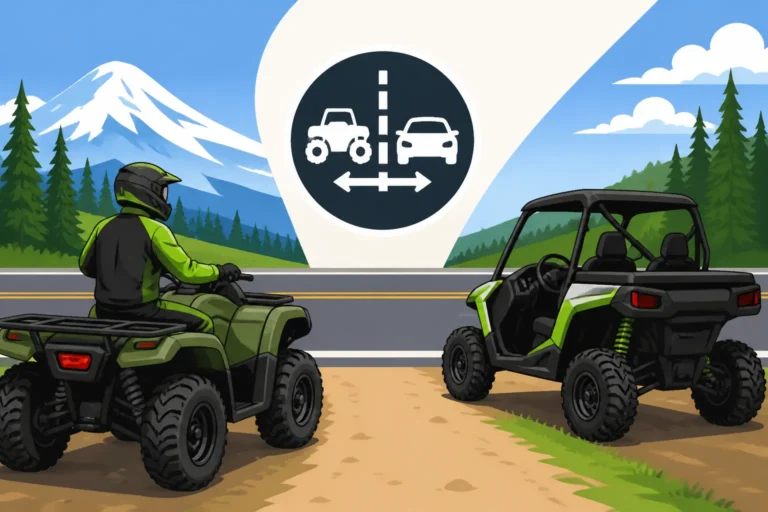
This is where things get considerably stricter for riders under 16, and it's a point of frequent misunderstanding. While Washington allows street-legal WATVs (Wheeled All-Terrain Vehicles) on certain county roads and city streets that have opted in, the law has very specific age and licensing requirements for the operator. A rider must be at least 16 years old and possess a valid driver's license to operate a WATV on public roads and streets. This means that even with direct adult supervision, a 14-year-old, for example, is generally not permitted to operate a WATV on an open public road or street.
The distinction here is between supervised off-road riding and operating a motor vehicle on a public roadway. Road use carries different risks and demands different legal responsibilities. So, if your teenager dreams of riding their quad down a county road to the local store, they likely won't be able to do so until they turn 16 and get their driver's license, even if the road is open to WATVs. While aftermarket accessories from a company like SuperATV might equip a machine for street legal status with turn signals and mirrors, these additions do not override the age and licensing requirements for the rider. For a comprehensive understanding of what’s required to ride on public roads, consult [Washington Rules for Riding a County Road] and [Washington Minimum Age to Ride a Road]. The strict age limit exists to ensure that only individuals with the necessary maturity and driving skills are operating vehicles in shared traffic environments.
Education and Permits – Going Beyond the Basics
While Washington has clear regulations for young riders, there's also an emphasis on proactive safety measures and understanding the necessary administrative steps. Education and proper documentation are key components of a responsible riding experience for the whole family.
Safety Courses and Certificates
One common question parents have is whether their child needs to take an ORV safety course or obtain a safety certificate in Washington. The good news is that Washington state does not currently mandate an ORV safety certificate for minors. However, this absolutely doesn't mean safety training isn't important. In fact, taking a voluntary safety course is one of the best investments you can make for your young rider's safety and confidence. These courses teach critical riding skills, hazard awareness, proper machine operation, and responsible trail etiquette, often covering topics far beyond what a parent might teach informally.
Think of it this way: while not legally required, sending your child to a certified ORV safety course is like giving them advanced training for their passion. They'll learn proper braking techniques, how to handle difficult terrain, and important decision-making skills that can prevent accidents. Many organizations offer these courses, and they are highly recommended for all riders, especially beginners. For those interested in pursuing this extra layer of safety, exploring [Where Washington Riders Take a Safety Course] can provide valuable options. Even if there's no mandatory certificate, the knowledge gained is invaluable and could be the factor that keeps your child safe on the trails.
Understanding ORV Tabs and Passes
Even if your young rider is on a youth model machine, that ORV still needs to be properly registered and carry the necessary tabs for riding on Washington's public lands. Just like an adult's machine, a youth ATV or UTV requires a valid Washington off-road vehicle (ORV) tab. This tab helps fund the maintenance and development of the trails your family enjoys. The tab needs to be renewed yearly and displayed properly on the machine.
Beyond the ORV tab, if you're planning to ride on lands managed by the Washington State Department of Natural Resources (DNR), State Parks, or Washington Department of Fish and Wildlife (WDFW), you'll likely need a [The Discover Pass and Washington Riders]. This pass is required for vehicle access to recreation lands managed by these agencies. While the ORV tab covers the machine's registration for off-road use, the Discover Pass covers the vehicle accessing the land. So, if you're trailering your child's machine to a DNR forest, you'll need the Discover Pass displayed on your tow vehicle. For specifics on registration costs and requirements, refer to [Washington WATV Registration Cost]. Making sure all these documents are in order before you hit the trails is a small but critical step for a hassle-free and legal riding adventure.
Rider Age vs. Washington Rules Summary
Here's a quick overview of how Washington's rules break down for different age groups:
| Rider Age Category | Off-Road Riding Requirements | On-Road Riding Requirements | Key Considerations |
|---|---|---|---|
| Under 16 | Must be under direct supervision of a licensed adult (18+). Helmet required. Machine must fit rider. | Generally prohibited from operating WATVs on public roads/streets, even with supervision. Some specific county/city ordinances might have exceptions for crossing, but operating is restricted. | Focus on designated ORV trails. Prioritize voluntary safety courses. All machines must have a valid ORV tab. |
| 16 and Over | No direct supervision required (though always recommended for safety). Helmet required. | May operate on approved public roads/streets if 16+, holds a valid driver's license, and the WATV meets all [Washington WATV Road Requirements]. | Machine must be properly registered with on-road tab. Requires driver's license. |
Navigating the rules for young riders in Washington can seem like a lot, but at its heart, it's all about ensuring safety and fostering a love for responsible outdoor recreation. By understanding the supervision requirements, equipping your child with the right gear and a properly sized machine, and knowing where they can legally ride, you're setting them up for countless hours of fun and adventure on Washington's incredible trails. Remember, while the thrill of riding is immense, safety and compliance should always come first.
Disclaimer
This article is for general informational purposes only and does not constitute professional advice. Laws, prices and regulations vary by location and change over time. Consult a qualified professional for guidance on your specific situation.