Riding a Snow-Covered Forest Road
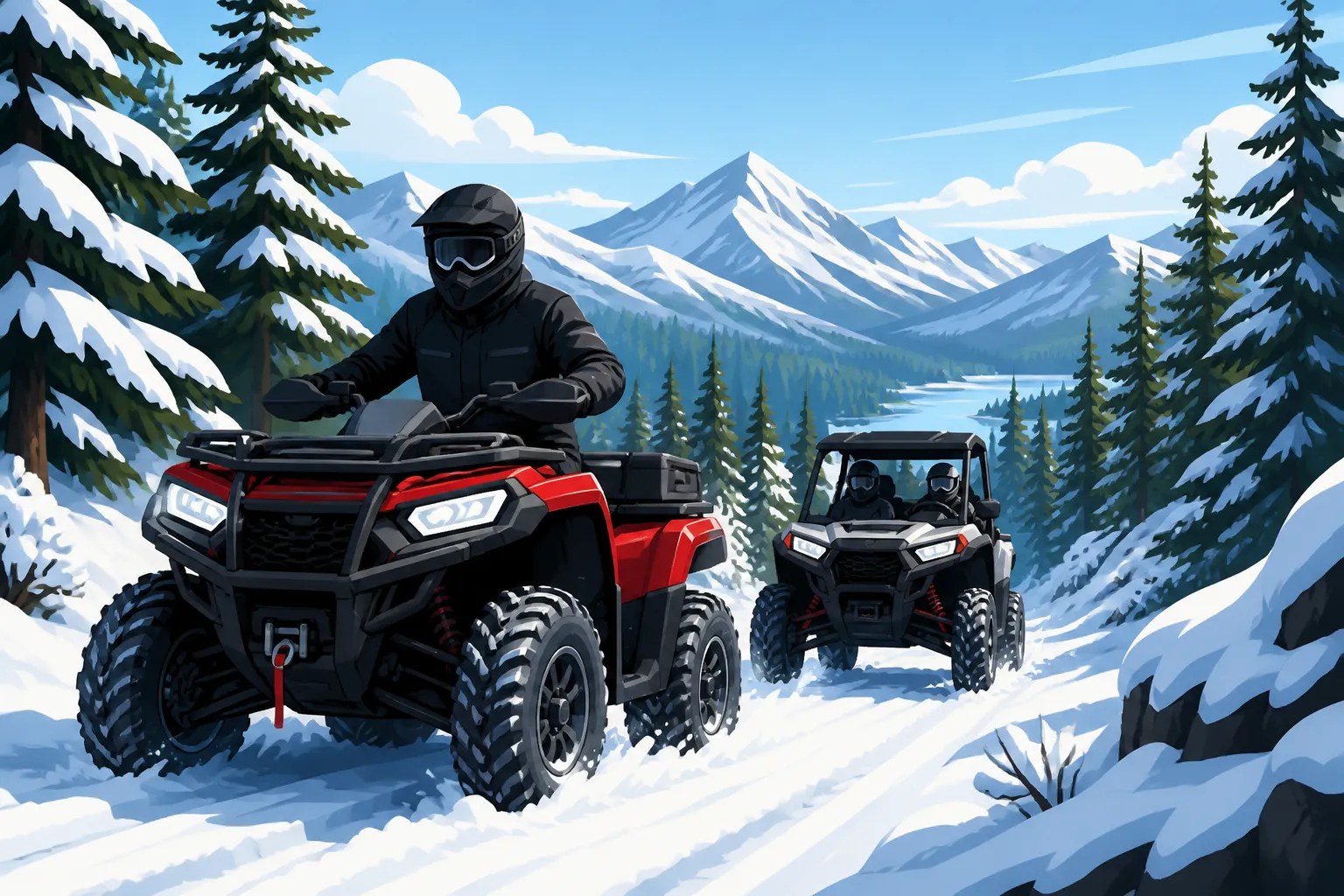
The allure of Washington's forest roads doesn't disappear when the snow starts to fall; for many, it only deepens. However, venturing onto those pristine, white-covered paths with your ATV or UTV presents a unique set of challenges, from unpredictable traction to bone-chilling cold. This guide will help you understand the preparations, safety considerations, and legalities involved in making your winter forest road rides safe, enjoyable, and compliant with Washington's specific rules.
Gearing Up Your Machine for Washington Snow
Taking your ATV or UTV out into Washington's snowy backroads requires more than just throwing on a jacket. Your machine needs specialized attention to handle the cold, moisture, and reduced traction that winter conditions bring. Skipping these preparations can lead to frustrating breakdowns, dangerous situations, or even costly repairs.
Cold Weather Maintenance and Fluids
Winter riding puts extra strain on your machine's engine and components. The cold can thicken fluids, reduce battery performance, and make starting difficult. It's crucial to ensure your ATV or UTV is mechanically sound before you head out. This isn't just about comfort; it's about reliability when you're miles from anywhere with limited daylight.
First, check your battery. Cold weather significantly reduces a battery's cranking power. If your battery is old or shows signs of weakness, consider replacing it. A fully charged, healthy battery is non-negotiable for reliable starts. Next, think about your fluids. Engine oil should be appropriate for cold temperatures; consult your owner's manual for recommended winter viscosity. Thicker oils can struggle to circulate in freezing conditions, leading to premature wear. Your coolant should be a proper mix of antifreeze and water to prevent freezing, which can cause severe engine damage. Check your fuel system for water accumulation, as water can freeze and block fuel lines. Consider adding a fuel stabilizer or de-icer, especially if your machine will sit for periods between rides. Many riders also ensure their winches are in top working order, especially the cable or rope, as it can stiffen in the cold. You might even consider looking into [Washington ATV Maintenance Costs] to get a clearer picture of what a tune-up and winterization might entail.
Traction Options for Snowy Conditions
Snow-covered roads are slippery. Period. Whether it's a fresh layer of powder or packed ice from previous traffic, your standard all-terrain tires will struggle to find grip. Enhancing your machine's traction is perhaps the most critical preparation for winter riding. Without it, you're not just sliding around; you're putting yourself and your machine at risk.
Your first line of defense is often aggressive mud tires, which offer deeper, wider lugs that can bite into soft snow. However, for more serious snow depths or icy patches, tire chains are a game-changer. These wrap around your existing tires, providing metal claws that dig into the snow and ice, dramatically improving grip. Installation can be a bit fiddly, especially with cold hands, so practice at home first. For the ultimate in snow mobility, especially in deeper snow or for sustained winter travel, tracks are an exceptional, albeit more expensive, option. Systems from brands like SuperATV offer conversion kits that replace your wheels with track systems, transforming your ATV or UTV into a true snow machine. These distribute weight over a larger area, allowing you to float over snowdrifts that would bog down wheeled vehicles. When considering these upgrades, remember the specific [Washington Rules for Riding in Snow] and what is permitted on various types of forest roads. Also, if you plan on riding on pavement for short stretches to connect trails, [Studded Tires in the Cascades] are legal, but ensure your machine's tires are rated for them.
Navigating Washington's Snow-Covered Forest Roads
Riding in the snow is an entirely different beast than fair-weather cruising. Visibility drops, hazards hide, and the terrain itself becomes a living, shifting challenge. To stay safe and enjoy the pristine winter landscape, you need a heightened sense of awareness and specific strategies for navigating the white stuff.
Assessing Snow Depths and Hidden Hazards
One of the biggest dangers of a snow-covered road isn't the snow you can see, but the snow that hides what you can't. A seemingly smooth expanse of white can conceal deep ruts, fallen branches, rocks, or even small culverts. This isn't just a bump in the road; hitting a hidden obstacle at speed can cause a loss of control, damage to your machine, or serious injury.
Before venturing too far, especially into unfamiliar territory, start slow and assess the conditions. Fresh, light powder might be easy to drive through, but a crusty layer on top of slush can be treacherous. Watch for areas where snow has drifted deep, as these can quickly high-center your machine. If you're unsure about the depth, consider walking a short stretch or sending a rider ahead to test the waters. Pay close attention to tire tracks from previous vehicles; they can reveal hidden dips or ruts, but also be aware that those ruts might be frozen solid, making them difficult to navigate if they don't match your machine's width. Be extra cautious around creeks or drainage areas, as snow can bridge over thin ice or open water. Remember, trees can drop heavy snow or branches without warning, so keep your head up. Having a sturdy winch on your machine, perhaps from a reputable brand like SuperATV, can be a lifesaver if you do get stuck.
Maintaining Control and Safe Speeds
When you're riding on snow, your machine's handling characteristics change dramatically. Braking distances increase, steering becomes less responsive, and sudden movements can easily lead to a slide. It's not about speed; it's about finesse and control. The thrill of winter riding comes from the challenge, not from pushing limits on slippery surfaces.
The golden rule for snow riding is to slow down. Maintaining a reduced, consistent speed allows your tires (or tracks) to maintain grip and gives you more time to react to changing conditions. Avoid sudden acceleration or braking, which can break traction instantly. Instead, use smooth, gradual inputs on the throttle and brakes. If your machine has four-wheel drive, engage it for maximum traction. For turns, ease off the throttle, initiate a wider arc than usual, and gently apply power through the turn to maintain momentum. If you start to slide, resist the urge to slam the brakes; instead, feather them and steer into the slide, much like you would in a car. Remember that other vehicles, including logging trucks or snowmobiles, might be using the same roads, so maintain situational awareness. It's also worth noting that getting a ticket for careless operation on an unopened road could lead to [Washington Fines for Illegal WATV Road Use], so ride responsibly.
Navigation and Emergency Preparedness
Getting lost is a serious risk in winter. Snow can obscure familiar landmarks, trails can become indistinguishable from the surrounding forest, and limited daylight means disorientation can quickly turn dangerous. Furthermore, the cold can exacerbate minor issues, turning a small problem into a full-blown emergency if you're unprepared.
Always carry a detailed map of the area, even if you have GPS. Batteries die in the cold, and satellite signals can be unreliable under heavy tree cover. Mark your planned route and an alternative escape route. Tell someone your plans – where you're going, your route, and when you expect to return. This "float plan" is critical for search and rescue if you don't show up. Pack a winter emergency kit: extra layers of warm clothing, waterproof matches or a lighter, a small shovel, a first-aid kit, a headlamp with extra batteries, a tow strap, and a fully charged cell phone (with a portable charger). Food and water are also essential, as your body burns more calories to stay warm. Consider carrying a small saw for clearing fallen trees. Even if you're legally riding, always be prepared for the unexpected. You also need to ensure your [Washington ORV Registration and Use Tax] is current, as officials might check it. Getting caught with expired tabs could result in [Washington Fines for an Unregistered WATV].
Rules and Considerations for Winter ORV Use in Washington
Washington's beautiful landscapes offer incredible opportunities for winter riding, but navigating the legalities and specific conditions can be tricky. It's not just about what your machine can handle; it's about what the land management agencies allow, and the unique challenges snow presents to access and regulations.
Washington DNR and Forest Service Road Status
Just because a forest road is open in summer doesn't mean it's fair game in winter, especially if it's covered in snow. Many roads managed by the Washington State Department of Natural Resources (DNR) or the U.S. Forest Service have seasonal closures or specific rules for winter access. Ignorance of these rules isn't an excuse, and riding on a closed road can lead to fines, environmental damage, and even loss of access for everyone.
Before you load up your machine, always check the current status of the roads and trails you plan to ride. The DNR and Forest Service websites are the best places to find this information, often with real-time updates on closures, snow levels, and fire restrictions (yes, even in winter, some restrictions can apply). Many forest roads, particularly those at higher elevations, are gated and closed to motorized traffic once significant snow accumulates. These closures are often in place to protect road surfaces from damage when wet and soft, to manage wildlife, or to create non-motorized recreation areas for activities like cross-country skiing or snowshoeing. Respecting these closures is paramount. Additionally, if you're riding on state lands, you'll likely need a Discover Pass. [Washington Discover Pass Cost] can vary, but it's an essential item to have, and not having it can lead to [Washington Fines for No Discover Pass].
Safety and Equipment Requirements
Winter riding adds layers of safety considerations beyond the typical summer guidelines. The cold itself is a major hazard, and specific equipment can make the difference between an enjoyable outing and a dangerous one. Washington has rules regarding certain safety gear, which are even more critical when temperatures plummet and conditions become unforgiving.
For starters, proper cold-weather gear is non-negotiable. Layering is key: start with a moisture-wicking base layer, add insulating mid-layers, and top it off with a waterproof and windproof outer shell. Protect your extremities with insulated, waterproof gloves, warm socks, and waterproof boots. A helmet is always required for WATV riders in Washington, and in winter, a full-face helmet with an anti-fog shield is highly recommended to protect against wind chill and improve visibility. Consider a balaclava or neck gaiter to cover exposed skin. If you're riding at dusk or in low light conditions (which happen much earlier in winter), ensure your machine's lights are fully functional. In some areas, or for on-road segments, specific lighting, mirrors, and a horn might be required. Review [Washington Helmet Law for WATV Riders] for comprehensive details. If you're bringing along passengers, they also have specific requirements, including helmets.
Environmental Responsibility in Winter
Riding in snow offers a unique connection to nature, but it also demands a heightened sense of environmental responsibility. The cold, wet conditions can make the land more fragile and susceptible to damage. Protecting these areas ensures that we can all continue to enjoy them for years to come.
Stay on designated roads and trails. Riding off-trail in snow can damage vegetation, disrupt wildlife habitats, and create ruts that lead to erosion once the snow melts. Be especially mindful of sensitive areas like wetlands or stream crossings, where compacted snow can affect water flow and habitat. Avoid riding on private land unless you have explicit permission; snow doesn't erase property lines, and trespass laws still apply. Packing out everything you pack in, including trash and any broken machine parts, is even more critical in winter when objects can be buried and forgotten until spring. If you encounter wildlife, give them a wide berth; winter is a challenging time for animals, and disturbing them can expend critical energy reserves. Remember to wash your machine thoroughly before moving between different riding areas, especially between different forests, to prevent the spread of invasive weeds, even in winter.
| Category | Summer Riding Focus | Winter Riding Focus |
|---|---|---|
| Machine Prep | General maintenance, fluid levels, tire pressure | Cold-weather fluids, battery health, traction (chains/tracks), winch functionality |
| Safety Gear | Helmet, goggles, sturdy clothing, boots | Insulated, waterproof layers, full-face helmet, balaclava, emergency kit, communication devices |
| Navigation | Trail maps, GPS, knowing your route | Detailed maps (paper + digital), float plan, extra batteries, knowledge of closures, avalanche awareness (if applicable) |
| Hazards | Dust, heat, other riders, unexpected trail changes | Hidden obstacles under snow, ice, cold, limited visibility, shorter daylight, getting stuck |
| Regulations | ORV tabs, Discover Pass, general trail rules | Seasonal road closures, specific winter access rules, Discover Pass, ensuring your [Washington ORV Registration Online] is current |
| Environmental | Stay on trails, pack it in/out, fire safety | Stay on designated snow-covered routes, avoid sensitive areas, respect wildlife, minimize impact |
Disclaimer
This article is for general informational purposes only and does not constitute professional advice. Laws, prices and regulations vary by location and change over time. Consult a qualified professional for guidance on your specific situation.