Washington ORV Registration for a Borrowed Machine
It’s a fantastic feeling when a friend or family member offers to let you borrow their off-road vehicle for a weekend adventure. Visions of tearing through Washington’s beautiful forests or carving up some sand dunes probably fill your head immediately. But hold on a second before you load up that side-by-side or quad! A common pitfall many riders overlook is understanding the registration requirements for a machine that isn't their own. While the generosity is appreciated, a lack of proper documentation can quickly turn a fun day into an expensive and frustrating encounter with law enforcement. This guide is here to help you navigate the nuances of Washington's ORV registration rules when you're riding a borrowed machine, ensuring your good times stay hassle-free.
The Basics: Does a Borrowed ORV Need to Be Registered in Washington?
This is perhaps the most fundamental question, and thankfully, the answer is quite straightforward: Yes, absolutely. The critical thing to remember about off-road vehicle (ORV) registration in Washington State is that the registration applies to the machine itself, not the person operating it. Think of it like a license plate for a car; the plate belongs to the vehicle, regardless of who is driving it at any given moment.
The Machine, Not the Rider, Is Registered
When you see those colorful tabs affixed to an ATV or utility terrain vehicle (UTV) fender, or the metal tag bolted to the chassis, those signify that the machine has met its registration obligations. It's not a personal permit for the rider. This means that whether the original owner is riding it, a friend is borrowing it for an afternoon, or it's being used by a family member, the expectation from Washington's Department of Licensing (DOL) and enforcement agencies is that the vehicle itself is currently and properly registered for the type of riding it's doing. If it's going to be on designated ORV trails, it needs a current off-road tab. If it's going to be on authorized county roads, it needs a current on-road tab in addition to the off-road tab. The machine's status doesn't change just because the hands on the handlebars are different.
So, before you even think about firing up the engine, your very first step should be to confirm with the owner that the machine has valid and appropriate registration for your intended use. It’s not enough to assume; you need to see proof. An unregistered borrowed machine is just as illegal as an unregistered machine that you own yourself.
The Owner's Responsibility
While you, as the borrower, have a responsibility to ensure the machine you’re operating is legal, the primary burden of keeping an ORV registered falls squarely on the owner. It’s the owner who initially applies for the title and then the registration with the DOL. They are the ones who pay the yearly fees and ensure the tabs are renewed on time. This is a crucial distinction. If you borrow an ORV that is not properly registered, the owner is ultimately the one in violation of the law.
However, don't mistake this for a free pass for the borrower. If you are stopped by a ranger or sheriff and the machine is found to be unregistered, you will be the one facing the immediate citation and the potential for the machine to be impounded. While the owner might bear the ultimate legal responsibility, you’ll be the one dealing with the roadside headache. This is why a simple conversation with the owner to verify registration status, and ideally to see the actual registration card, is incredibly important before you head out. It protects both you and your generous friend or family member from unnecessary trouble.
What Happens If It's Not Registered?
Riding an unregistered ORV in Washington State can lead to some rather unwelcome consequences, turning that exciting day out into a costly regret. The exact penalties can vary depending on the officer, the location, and whether there are other infractions, but generally, you're looking at fines. These fines aren't just a slap on the wrist; they can be substantial enough to make you wish you had just rented a machine.
Beyond the monetary penalties, there’s also the possibility of your borrowed machine being impounded. Imagine being miles out on a trail, getting stopped, and then having to figure out how to get yourself and an impounded ORV back home. It's not a fun scenario. Furthermore, any good relationship with the owner could be strained if they have to deal with retrieving their machine from an impound lot and paying associated fees, all because it wasn't properly registered when you borrowed it. It’s a preventable situation by simply confirming the [Washington ORV Registration Processing Time] and ensuring the machine has valid tabs before you ever leave the driveway. You can read more about the specific costs and implications in our guide on [Washington Fines for an Unregistered WATV].
What Paperwork Should You Carry When Borrowing an ORV?
Riding a borrowed ORV in Washington means you need to be prepared with more than just a full tank of gas and a sense of adventure. Carrying the correct documentation is non-negotiable, and it acts as your proof that you’re legally operating the machine. This is critical for avoiding issues with law enforcement, who will undoubtedly ask for proof of ownership and registration if they stop you.
Proof of Current Registration
This is the absolute cornerstone of your paperwork arsenal. Every ORV that is legally operating on Washington's public lands or authorized roads needs to have a current registration card. This isn't just about the visual tab on the fender; it's about the physical document that the Department of Licensing provides. This card typically lists the owner's name, the vehicle identification number (VIN), the make and model of the ORV, and the expiration date of the registration.
When you borrow a machine, it is vital that the owner provides you with this original registration card, or at the very least, a clear photocopy. Keep this document on your person or securely within the machine itself while riding. While a photocopy might be accepted in some situations, having the original is always best practice. Without it, even if the tabs are physically present on the machine, you might struggle to prove its legality to an officer. It’s your tangible evidence that the machine is current on its fees and officially allowed to be where it is. We cover more details on what you must carry in [Carrying the Registration in the Machine].
A Written Permission Statement
This is where many people fall short when borrowing a machine. While you might trust your friend implicitly, a law enforcement officer doesn't know your relationship. A written permission statement from the owner is highly recommended, especially if the owner is not present with you during your ride. This simple document helps clarify that you have legitimate permission to possess and operate the ORV, dispelling any suspicion of theft or unauthorized use.
What should this statement include? At a minimum, it needs:
- The full name and contact information of the actual owner.
- The full name and contact information of the person borrowing the machine (you!).
- A clear description of the ORV, including its make, model, year, and crucially, its Vehicle Identification Number (VIN). This links the permission directly to the specific machine.
- A statement explicitly granting you permission to operate the ORV.
- The dates or duration for which you have permission to use the machine.
- The owner's signature and the date the statement was signed.
While a simple note on a napkin might technically suffice in a pinch, for clarity and peace of mind, a more formal written agreement is highly recommended. You can find excellent templates for these kinds of agreements online, from resources like LawDepot, which offers customizable forms to ensure all the necessary details are covered. Having a clear, signed document can save you a lot of hassle and potential questions about the legitimacy of your possession.
The Washington Road Use Declaration (If Applicable)
If the ORV you are borrowing has opted for the additional "on-road" tab, which allows it to be ridden on certain authorized public roads in Washington, then there's another piece of paperwork to consider: the Washington Road Use Declaration. This document is a critical component of making an ORV "street-legal" in Washington, as it certifies that the machine meets specific safety and equipment requirements for road use, such as proper lighting, mirrors, and a horn.
While the declaration itself is submitted during the registration process to obtain the [Washington's On-Road Tab Explained], it's a good idea to have a copy of the completed form with you if you plan on using the machine on public roads. This provides an officer with further confirmation that the machine has been declared road-ready by its owner. You can often find a blank [Washington Road Use Declaration Form] online, but the crucial part is having the one specific to that machine that was filed by the owner. Confirm with the owner if they have a copy you can carry.
| Document Required | Purpose | Who Provides It | Notes |
|---|---|---|---|
| ORV Registration Card | Proof machine is legally registered (off-road and/or on-road). | Owner | Essential. Original or clear photocopy should be carried. |
| Written Permission Statement | Proof you have owner's consent to operate the machine. | Owner (signed) | Highly recommended for all borrowed machines. Templates available from sources like LawDepot. |
| Washington Road Use Declaration | Certifies machine meets road-legal equipment standards (if applicable). | Owner | Only needed if machine has an "on-road" tab and you plan to ride on public roads. |
| Your Valid Driver's License | Required for operating any motor vehicle on public roads. | Borrower (your own) | If riding on public roads with an "on-road" tab. Not strictly required for trail-only use. |
| Discover Pass (if applicable) | Required for parking at many state recreation sites. | Borrower or Owner | Check where you're riding. A Do You Need a Discover Pass to Ride in Washington? can be bought. |
Scenarios and Special Considerations for Borrowed ORVs
Borrowing an ORV isn't always a one-size-fits-all situation. Different circumstances can introduce additional layers of consideration, from where the owner lives to the duration of the loan. Understanding these specifics will help you prepare properly and avoid any unforeseen issues.
Borrowing From a Friend or Family Member
This is probably the most common scenario for borrowing an ORV. It feels casual, friendly, and often comes with an implicit trust. However, it's precisely because of this casualness that riders often overlook the formal requirements. Even if it's your sibling, your best friend, or your parent, the Washington State laws don't differentiate. The ORV still needs to be registered, and you, as the operator, need to carry the proper documentation.
Having that written permission statement is even more important in these informal arrangements. It might feel awkward to ask your buddy for a signed letter, but it’s a small step that provides immense protection for both of you. It clarifies the terms of the loan and serves as undeniable proof that you're not joyriding or, worse, riding a stolen machine. A simple agreement, perhaps using a template from a service like LawDepot, can make this process painless and professional, ensuring everyone's peace of mind. Remember, a quick check to ensure the machine has its current [Washington's Off-Road Tab Explained] is always a good idea before you hit the trails.
Borrowing From an Out-of-State Owner
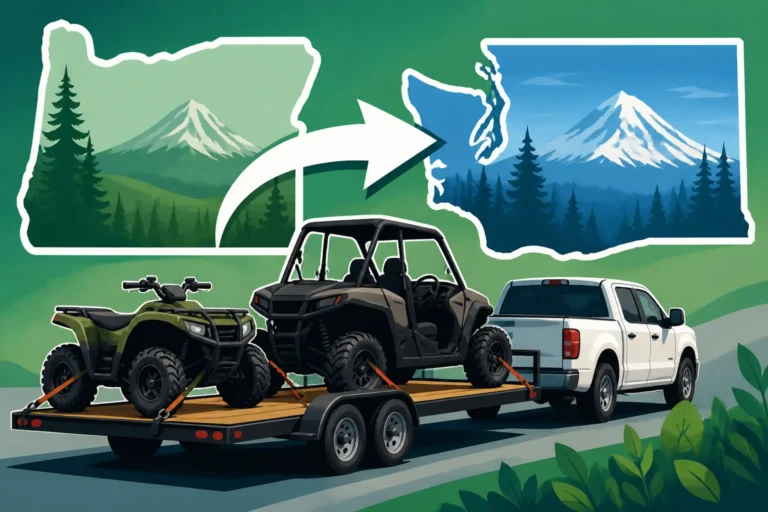
This situation adds another layer of complexity because Washington State has reciprocity rules for out-of-state ORVs. Generally, if an ORV is legally registered in its home state and that state has a comparable ORV registration program, Washington will honor that registration for a limited time. This is fantastic news for visitors!
However, there are crucial caveats. First, the home state's registration must be current and valid. Second, the machine must meet Washington’s basic equipment requirements (like a spark arrester). Third, this reciprocity is usually intended for visitors and for temporary use. If you, a Washington resident, are borrowing an ORV from an out-of-state friend for an extended period or regular use, you might push the boundaries of what reciprocity covers. In such cases, Washington might expect the machine to eventually be registered here, especially if it's being "principally operated" within the state.
Always carry the out-of-state registration card, just as you would a Washington card. And again, a written permission statement from the out-of-state owner is paramount. Even if the ORV is from Oregon or Idaho, officers in Washington will still want to confirm that you have legal permission to operate it. For a deeper dive into these rules, check out our guide on [Washington ORV Reciprocity With Other States].
What If the Machine Isn't Titled?
This is a red flag. In Washington, all ORVs generally need to be titled before they can be registered. The title establishes legal ownership, and without it, the registration process becomes impossible or at least incredibly complicated. If you're considering borrowing a machine and the owner tells you it doesn't have a title, you should probably pump the brakes.
Operating an untitled and therefore unregistered machine is illegal. Even if the owner "assures" you it's fine, it's not. As the operator, you would be caught in the middle of a legal quagmire. You certainly wouldn't be able to register it yourself without the title being in your name, which isn't possible if you're just borrowing. This situation is fraught with peril for both the owner and you. If you're unsure about the titling requirements, consult our guide on [Washington WATV Title Requirements]. If there's no title, there's no way to legally register the machine, which means you shouldn't be riding it on public lands or roads. Sometimes, owners may use a [A Washington Bill of Sale for a WATV] as proof of purchase, but this is not the same as a title for registration purposes.
Short-Term Versus Long-Term Borrowing
Does the duration of the loan change anything? Not from a legal perspective regarding registration and required paperwork. Whether you borrow the ORV for an hour, a day, a weekend, or a month, the machine still needs to be properly registered for its intended use, and you still need to carry the same documentation.
What does change with the duration is the practical importance of that written permission statement. For a quick, casual ride with the owner present or within eyesight, a written note might seem overkill. But for an extended loan, say for a week-long trip to a remote riding area, that written statement becomes your single most important piece of personal protection. It explicitly grants you authority to operate the machine for the defined period and helps prevent any misunderstandings or legal issues should you encounter difficulties far from home. Always err on the side of caution and formality when borrowing for longer periods, especially when using a tool like LawDepot to draft a clear permission agreement.
Ensuring Your Borrowed Ride is Legal and Safe
Beyond the paperwork, there are a few other critical aspects to consider when borrowing an ORV to ensure your experience is both legal and, most importantly, safe. Your responsibility as the borrower extends to understanding the machine and the rules of the road (or trail).
Inspecting the Machine Before You Ride
Just because you’re borrowing a machine doesn’t mean you can skip a pre-ride inspection. In fact, it might be even more important. You’re not intimately familiar with its quirks, its maintenance history, or any potential issues the owner might be accustomed to but you are not. A quick visual and functional check can prevent a breakdown on the trail or, worse, an accident.
Before you head out, take a few minutes to:
- Check the tires: Look for proper inflation, cuts, or excessive wear.
- Test the brakes: Ensure both front and rear brakes are working effectively.
- Inspect lights: If you plan to ride near dusk or on roads, confirm headlights, taillights, and any turn signals are operational.
- Check fluid levels: Engine oil, coolant, and brake fluid should be at appropriate levels.
- Listen to the engine: Any unusual noises?
- Verify essential equipment: Does it have a spark arrester (required in Washington)? Are the mirrors present if it’s street-legal?
- Confirm fuel: Don't assume the owner filled it up for you!
Taking these simple steps not only ensures your safety but also shows respect for the borrowed machine. If you find any significant issues, it's crucial to discuss them with the owner before you ride.
Understanding Washington's Riding Rules
Operating any ORV, borrowed or not, comes with a responsibility to know and abide by Washington State's specific riding regulations. These rules cover everything from where you can ride to required safety gear.
- Helmet Laws: In Washington, helmets are generally required for all ORV riders and passengers, regardless of age, when riding on public lands or roads. Make sure you and any passengers are wearing DOT-approved helmets. You can learn more in our guide on the [Washington Helmet Law for WATV Riders].
- Age Restrictions: There are specific rules regarding the minimum age to operate ORVs and supervision requirements for younger riders. Ensure you comply with these, especially if you have minors riding the borrowed machine.
- Spark Arrester: All ORVs operating in Washington must be equipped with a U.S. Forest Service-approved spark arrester to prevent wildfires. Check that the borrowed machine has one and that it's in good condition. We detail this requirement in [Washington Spark Arrester Requirement].
- Designated Trails and Roads: Always stick to designated ORV trails or roads where ORV use is permitted. Trespassing on private land or riding on unauthorized public land can lead to hefty fines.
- Sound Limits: Washington has sound limits for ORVs. While you might not have a decibel meter, if the borrowed machine sounds excessively loud, it might attract attention from enforcement.
Ignorance of the law is not an excuse. As the operator, you are expected to know these rules.
Who is Responsible in an Accident?
This is a serious consideration when borrowing an ORV. In the unfortunate event of an accident, liability can become very complex. Generally, the operator (you, the borrower) is responsible for any damage you cause while operating the machine. However, the owner could also bear some liability, especially if they knowingly lent out an unsafe machine or an unregistered one.
Regarding insurance, many standard auto insurance policies do not cover ORVs, or if they do, the coverage is often limited. The owner's ORV-specific insurance policy (if they have one) might cover the machine itself, but it might not extend to liability if someone else is operating it. This is why having a clear understanding with the owner about insurance coverage before you ride is crucial. Do they have a policy? Does it cover others operating the machine? What are the deductibles? If the machine has an on-road tab, Washington requires liability insurance for road use. Discussing these details upfront protects both parties from significant financial and legal headaches down the line.
Disclaimer:
This article is for general informational purposes only and does not constitute professional advice. Laws, prices and regulations vary by location and change over time. Consult a qualified professional for guidance on your specific situation.