Washington ORV Registration for a Stolen-Recovered Machine
The moment you get the call that your stolen ATV or UTV has been recovered is a whirlwind of emotions—relief, gratitude, and maybe even a bit of apprehension. But once the initial shock wears off, a new kind of stress often sets in: the bureaucratic maze of getting your beloved machine properly registered and legal to ride again in Washington. It's a frustrating situation, to say the least, and this guide is here to walk you through every step of re-registering your stolen-recovered off-road vehicle.
The Emotional Rollercoaster and the First Steps After Recovery
Recovering your off-road vehicle after it's been stolen is a huge milestone, but it's rarely as simple as just riding it home. The initial euphoria can quickly give way to the reality of paperwork, inspections, and making sure everything is legitimate. It's a unique kind of hassle, a blend of relief and administrative burden, and it's completely normal to feel overwhelmed.
Immediate Actions: Police, Proof, and Protection
Your very first point of contact, even before you physically retrieve the machine, should be with the law enforcement agency that recovered it. They will have documented the recovery, likely taken photos, and might have even processed it for evidence. Make sure you get a copy of the recovery report. This isn't just a formality; it's a crucial piece of evidence that officially confirms the machine's recovery and its status. It ties back to the original theft report and provides a clear paper trail.
Once you have the machine back in your possession, ensure it's secure. Thieves can sometimes leave behind subtle damage or even make modifications that aren't immediately apparent. Before you even think about riding, get it to a safe place. Document its condition meticulously with photos and notes, especially if there's any damage. This initial documentation will be vital for insurance claims and also for showing authorities that you've taken due diligence in ensuring the machine's integrity. It's about protecting your asset and preparing for the next steps.
Assessing Damage and Legal Considerations
After the machine is safe, take a really close look at it. Beyond obvious physical damage, check for any signs of tampering with the Vehicle Identification Number (VIN). Sometimes thieves try to obscure, alter, or remove the VIN to make the machine harder to trace or to sell it illegally. If you notice any issues with the VIN plate or stampings, it's absolutely critical to bring this to the attention of law enforcement immediately. This could indicate further criminal activity and will definitely complicate your re-registration process.
You'll also need to consider any legal implications. If your machine was recovered out of state, there might be additional hurdles with cross-jurisdictional paperwork. If you had an insurance claim on the stolen machine, you'll need to work closely with your insurance provider. Sometimes, if they've already paid out a total loss, the machine legally belongs to them, even after recovery. You might have the option to buy it back from them. These situations add layers of complexity, so clear communication with all parties—police, insurance, and the Department of Licensing (DOL)—is paramount.
Navigating the Paperwork Maze: Getting Your Title Back in Order
The title is the fundamental proof of ownership for your off-road vehicle in Washington. When your machine is stolen, its status in the system changes, and upon recovery, you'll need to ensure your title is correctly linked to the recovered machine. This often means providing substantial proof and navigating the DOL's processes.
Proof of Ownership and the Stolen Vehicle Report
To get your Washington title straightened out after a recovery, you'll need to present clear and undeniable proof that you are the rightful owner. This usually starts with your original title document, if you still have it. Even if you reported it stolen, having the physical title helps immensely. Crucially, you'll need the official police report confirming the theft, along with the subsequent recovery report. These documents are the backbone of your claim, demonstrating the chain of events.
If your original title was lost or stolen along with the machine, you might need to apply for a duplicate title. This process itself requires proof of ownership, such as a bill of sale, previous registration documents, or lien release forms. Having a robust paper trail makes this significantly easier. Sometimes, obtaining an affidavit of ownership can also be helpful, especially if some documents are missing. Resources like LawDepot can provide templates for various legal documents, though always ensure they meet Washington State's specific requirements. [Do You Need a Title for a WATV in Washington?] and [Washington WATV Title Requirements] both underscore the importance of this document.
The Role of the Department of Licensing and Your New Title
The Washington State Department of Licensing (DOL) is the central authority for all vehicle titling and registration. Once you have your recovery report and proof of ownership in hand, you'll need to visit a vehicle licensing office. You'll likely fill out an application for a certificate of title, indicating that the machine has been recovered. The DOL will cross-reference your information with their records and the stolen vehicle database. [The Department of Licensing and Washington ORVs] explains their role more broadly.
There's a chance that the VIN on your machine might be flagged in the system, or there could have been an administrative error during the theft reporting process that needs correction. Be prepared for a thorough review. If the VIN was tampered with or replaced, the DOL might require a VIN inspection by a qualified law enforcement officer or a licensed VIN inspector to verify the machine's identity before they can issue a new or re-activate the existing title. This step is critical to prevent fraud and ensure stolen parts aren't being retitled. Make sure all your paperwork is in order, as delays can often stem from incomplete submissions.
Re-Registering Your Machine: Tabs, Inspections, and Getting Back on the Trail
Once your title is sorted, the next hurdle is getting your off-road vehicle re-registered, meaning new tabs for the current year. This often involves a specific inspection process for recovered machines, ensuring they meet safety and identity standards before being allowed back onto Washington's trails or roads.
The Safety Inspection Requirement for Recovered Machines
Washington State has a specific requirement for recovered stolen vehicles: they must undergo a safety inspection to verify their condition and identity. This isn't just a suggestion; it's a mandatory step before you can get new registration tabs. The inspection aims to ensure the machine is safe to operate and that no illegal alterations have been made that could compromise its safety or identity. This includes checking the VIN, verifying that essential safety components are intact, and generally ensuring the machine is in good working order.
The cost of this inspection is capped, usually around $50, but you'll want to check current figures with an authorized inspector. Not just any mechanic can perform this. It typically needs to be done by an authorized inspection station or a law enforcement officer. [Washington WATV Safety Inspection Cost] and [Where to Get a Washington WATV Inspection] offer more details on this process. Once the inspection is complete and the machine passes, you'll receive a signed inspection report, which is another crucial piece of paperwork you'll need for registration.
Securing Your Off-Road and On-Road Tabs
With your title in your name and a passing safety inspection report, you're finally ready to apply for your Washington ORV registration tabs. You'll take all your accumulated paperwork—proof of ownership, police recovery report, inspection certificate, and your updated title—to a vehicle licensing office. Here, you'll complete the registration application. You'll have the option to get the basic [Washington Off-Road Tab Cost] if you only plan to ride trails, or you can add the [Washington On-Road Tab Cost] if your machine meets the requirements for street-legal use on approved roads.
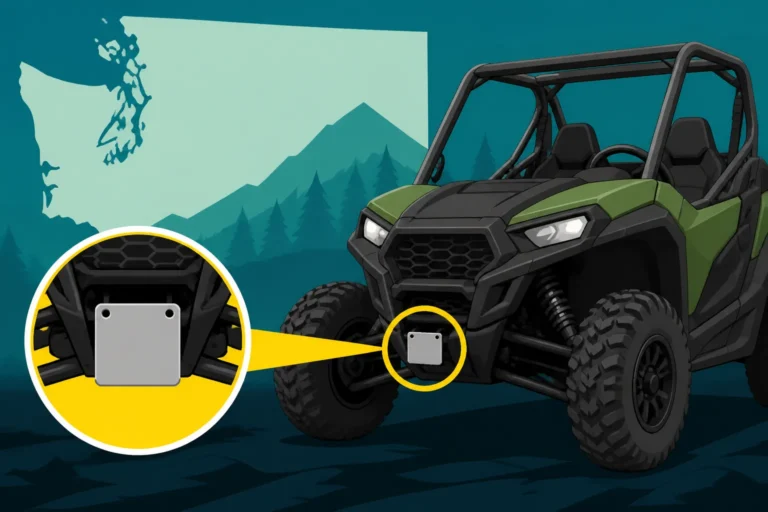
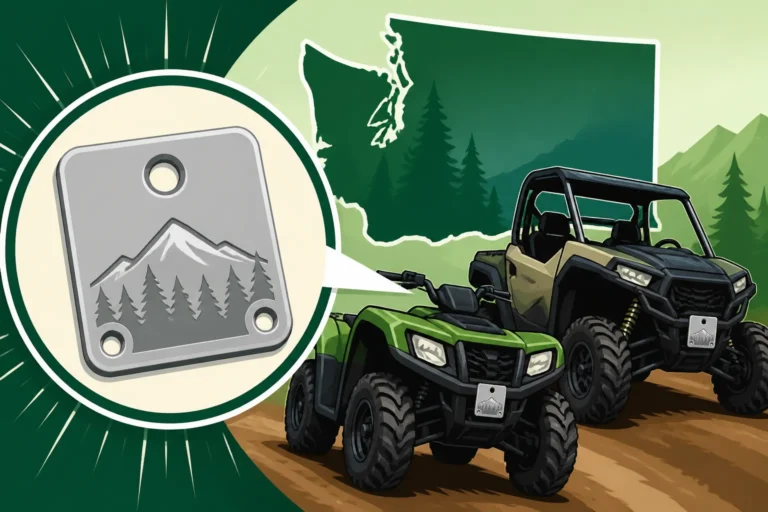
The friendly folks at the licensing office will process your application, collect the necessary fees, and issue your new decals and the metal tag. Remember to adhere the decals to your machine in the specified locations and securely mount your metal tag. [Washington ORV Decal Placement] and [Where the Metal Tag Mounts] provide guidance on this. It's a moment of triumph when you finally peel off those new decals, knowing your machine is fully legitimate and ready for adventure. This step officially puts your machine back into the Washington ORV system, allowing you to ride without fear of fines for an unregistered machine.
Beyond Registration: What Else to Consider for Your Recovered ORV
Getting your machine registered is a huge step, but the journey doesn't end there. There are other important considerations, from dealing with your insurance company to taking proactive steps to prevent another theft. It’s about more than just paperwork; it's about peace of mind and protecting your investment for the long haul.
Insurance Implications and Coverage
If you filed a claim with your insurance company when your off-road vehicle was stolen, you'll need to loop them in immediately upon recovery. As mentioned earlier, if they paid out a total loss, they might now own the machine. You'll then need to negotiate buying it back from them, which can involve a new bill of sale and further paperwork to transfer ownership back to you. Be prepared for potential changes to your policy premiums or even a deductible if they covered any damage incurred during the theft or recovery.
Even if you didn't file a claim, or if your machine was recovered quickly with minimal damage, it's wise to review your policy. Confirm that your ORV is still properly covered, especially if you've made any modifications or if its value has changed. It's also a good idea to discuss additional theft prevention measures with your insurer to see if they offer any discounts for security devices. [Washington ATV Theft and Insurance] delves deeper into these topics, emphasizing the importance of staying in touch with your provider.
Preventing Future Theft and Protecting Your Investment
Having your machine stolen is a traumatic experience, and the last thing anyone wants is a repeat. Now that you've gone through the arduous process of recovery and re-registration, invest in robust theft prevention. Consider installing a GPS tracker on your machine, which can significantly aid in recovery if it's ever stolen again. High-quality disc locks, chain locks, and even ground anchors for your storage area can make it much harder for thieves.
Think about how and where you store your machine. A secure, locked garage or shed is always preferable to leaving it exposed. If you must store it outdoors, a heavy-duty cover and multiple layers of security are essential. Engraving your VIN in hidden locations on parts of the machine can also deter thieves, as it makes the parts harder to sell. Using legal templates, for example from LawDepot, to create a detailed inventory list with photos and serial numbers of your machine and all its accessories can also be a good idea for insurance purposes and proof of ownership. Being proactive in securing your off-road vehicle is the best way to avoid the stress and expense of another theft and recovery process.
| Key Step | Required Documents/Actions | Primary Goal |
|---|---|---|
| Police Recovery Notification | Official police recovery report, original theft report | Establish legal recovery, link to original theft |
| Proof of Ownership | Original title, bill of sale, previous registration, lien release (if applicable) | Verify current rightful owner |
| VIN Verification (if necessary) | Inspection by authorized law enforcement or VIN inspector (if VIN tampered or unclear) | Confirm machine's identity and legitimacy |
| Safety Inspection | Passed inspection report from authorized station or officer | Ensure operational safety and identity before re-registration |
| DOL Title Application | Application for Certificate of Title, all supporting recovery/ownership documents | Update title status, re-issue if needed |
| ORV Registration Application | Completed application, current title, inspection report, fees for tabs | Obtain new yearly off-road and/or on-road registration tabs and metal tag |
| Insurance Review | Communication with insurance provider, policy review, potential buy-back if total loss was paid | Ensure ongoing coverage, resolve previous claim status |
| Theft Prevention Measures | Purchase/install locks, trackers, secure storage, property marking, detailed inventory (e.g., LawDepot) | Safeguard against future theft, maintain detailed records for peace of mind |
Disclaimer
This article is for general informational purposes only and does not constitute professional advice. Laws, prices and regulations vary by location and change over time. Consult a qualified professional for guidance on your specific situation.