Washington Helmet Law for Passengers
It can be incredibly confusing trying to keep track of all the rules and regulations when you're excited to hit the trails or even just cross a county road on your all-terrain vehicle (ATV) or utility terrain vehicle (UTV) here in Washington State. One area that often leaves riders scratching their heads, especially when bringing friends or family along, is the helmet law, particularly for passengers. This guide is going to clear up that confusion, diving deep into what Washington law requires for anyone riding shotgun (or even just riding behind you) on your wheeled all-terrain vehicle (WATV).
The Core Washington Helmet Law for WATV Riders and Passengers
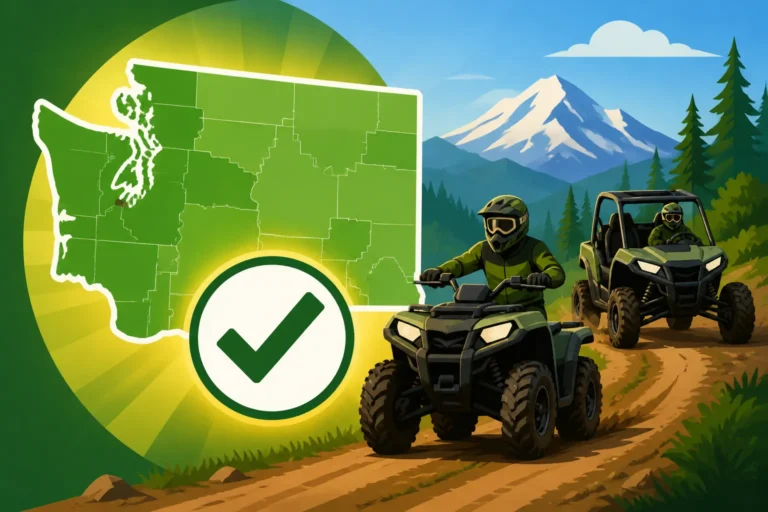
Let's cut right to the chase because this is where many people get it wrong: Washington State law is pretty unequivocal when it comes to helmets on public roads for WATV riders and their passengers. It doesn't matter if they're a seasoned adult or a curious youngster; if you're on a public road, a helmet is a must. This rule is designed for everyone's safety, acknowledging the inherent risks of riding these machines on surfaces shared with other traffic.
The Mandate for All Ages on Public Roads
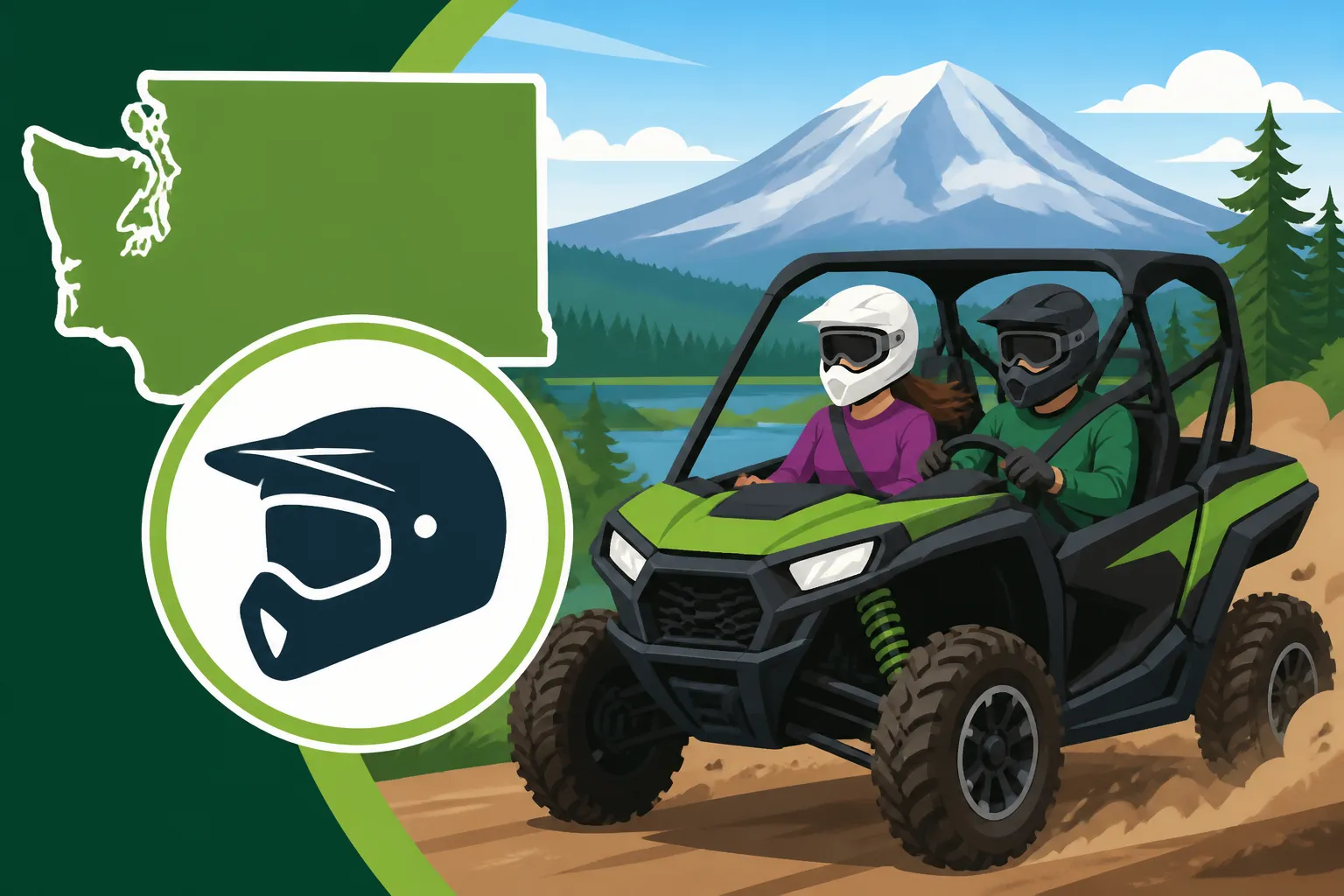
The moment your tires touch a public road, whether it's a designated county road that allows WATV access or just crossing a state highway, the helmet law kicks in for everyone on the machine. This isn't a suggestion; it's a legal requirement. Imagine you're riding your side-by-side with your spouse heading to a local diner on a designated [Washington County Over Fifteen Thousand Must Opt In] road, or perhaps your teenager is riding on the back of your quad across a small street to get to a trail. In both scenarios, every person on that WATV, regardless of their age, must be wearing a properly fastened helmet. There's no age carve-out that says "kids under 12 don't need one" or "adults are exempt." The law treats every head on a WATV on a public road equally – it needs protection. This can be a bit of a shock for riders coming from states with different rules, or even those who only ride off-road and are just starting to explore Washington's expanding road access opportunities.
Off-Road vs. On-Road Riding: Different Rulesets
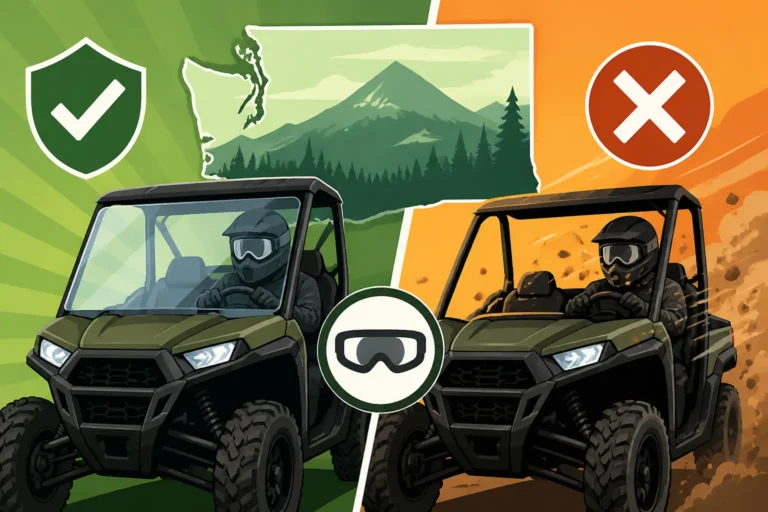
Now, here's where the nuance often gets lost. The strict helmet mandate for all WATV occupants applies specifically to public roads. When you're riding solely off-road, perhaps deep in the [Capitol State Forest Near Olympia, Washington] or traversing the vast network of trails at [Reiter Foothills State Forest], the rules can be a little different. For off-road riding on DNR (Department of Natural Resources) or other public lands designated for ORVs, Washington law does not require adults (18 and older) to wear a helmet, though it's always highly recommended. However, for youth riders under the age of 18, a helmet is mandatory, even off-road.
This distinction is crucial. Many families enjoy heading out to places like [Walker Valley ORV in Washington's Skagit County] where the terrain is challenging but you're rarely on a "road" in the traditional sense. In these environments, while adults might opt for the freedom of no helmet (again, not recommended from a safety standpoint), any passenger under 18 still needs that certified head protection. The thinking here is likely due to the varied speeds, surfaces, and potential hazards found on public roads, where interactions with other vehicles are a real possibility. So, before you load up and head out, always consider where you'll be riding. If even a short stretch of pavement is involved, every head needs a helmet.
Understanding "Wearing a Helmet": What Does It Really Mean?
It's not enough to simply have a helmet on your machine or even just resting on your head. The Washington helmet law for passengers, and indeed all riders, specifies what "wearing a helmet" truly entails. It's about proper fit, approved certification, and ensuring it's secured correctly. A helmet that isn't worn properly offers little to no protection, turning a safety device into a mere formality that won't save you from a citation or, more importantly, from injury.
Approved Helmets: DOT Certification and Fit
When we talk about an "approved" helmet, Washington law, like many states, typically refers to one that meets the safety standards set by the U.S. Department of Transportation (DOT). You'll see a sticker on the back of the helmet confirming this certification. This isn't just a label; it means the helmet has been tested to withstand certain impacts and provide adequate head protection. Buying a cheap, uncertified helmet online might seem like a bargain, but it won't meet legal requirements, and more importantly, it might not protect you or your passenger when it truly counts.
Beyond the DOT certification, proper fit is paramount. A helmet that's too big can shift around, obstruct vision, and even come off during an impact. One that's too small will be uncomfortable and might not cover all necessary areas. For passengers, especially children, it's vital to ensure their helmet fits snugly, not wobbling side-to-side or front-to-back. The chin strap should be securely fastened, allowing only about two fingers to slide underneath. If you're outfitting your machine for family rides, remember that a proper fit for each individual, including passengers, is non-negotiable. Don't forget that many retailers offer a wide range of sizes, from youth helmets to adult sizes, ensuring a good fit for everyone.
The Importance of Proper Helmet Use for Passengers
Think about the dynamics of riding a WATV as a passenger. You're not in control, and you're relying entirely on the driver's skill and judgment. This can sometimes put passengers in a more vulnerable position if they're not adequately protected and prepared. A passenger might instinctively brace themselves or try to grab onto something, but their head is still exposed. This is why the proper use of a helmet – meaning it's DOT-approved, fits well, and is securely strapped – is so critically important.
Consider a scenario where you hit an unexpected bump or swerve to avoid a hazard. A passenger, even if they're holding on tight, can be jostled significantly. Their head could strike a roll bar, the ground, or even another part of the vehicle. A helmet drastically reduces the risk of serious head injury in such events. Moreover, helmets protect against debris, branches, and even the wind and sun, making the ride more comfortable and safer. While aftermarket accessories like sturdy grab handles or side enclosures (some of which you might find from companies like SuperATV) can enhance passenger comfort and a sense of security, they are no substitute for a properly worn helmet. When discussing [Washington Rules for Passengers on a WATV], the helmet rule is at the top of the list for their safety.
Exemptions and Nuances: When the Rules Shift
While the Washington helmet law for passengers is quite broad on public roads, there are specific situations where the rules might apply differently or exceptions could be considered. These nuances often involve the type of land you're riding on and, to some extent, the age of the rider, though for helmets on public roads, the age distinction largely disappears. Understanding these exceptions ensures you're always in compliance and avoiding unnecessary legal trouble.
Private Property vs. Public Access Areas
One of the biggest distinctions is between riding on private land and riding on public access areas. If you own a large property or have permission to ride on private timberland, for example, the state's public road helmet laws for WATVs typically do not apply. On your own land, you set the rules for safety, including helmets. However, even on private property, it is highly, highly recommended that everyone, especially passengers, wear a helmet. Accidents can happen anywhere, and the consequences of a head injury are just as severe on private land as on public.
The moment you transition from private land to a public right-of-way, such as a county road or an officially designated [Washington Forest Road], the public road rules, including the helmet mandate for all occupants, immediately come into play. This can sometimes be a subtle distinction, especially on rural roads where private driveways blend seamlessly into county roads. Always be aware of your location and adjust your safety gear accordingly. For instance, if you're riding your quad to a friend's cabin that involves a short stretch of gravel county road, every person on that quad needs to be helmeted for that specific segment of the journey. Once you turn onto your friend's private drive, the state law technically relaxes, but good judgment should still prevail.
How Age and Supervision Impact Requirements
While Washington's helmet law for passengers on public roads applies to all ages, age and supervision rules do play a significant role in other aspects of WATV riding. For instance, [Washington Rules for Riders Under 16] require direct supervision by a licensed adult, and specific age restrictions exist for operating machines of certain engine sizes. This means that while a 12-year-old passenger on a public road needs a helmet just like an adult passenger, the operator of the machine carrying that passenger would also need to meet age and licensing requirements if on a public road, and potentially supervision requirements if they are also underage.
Essentially, the helmet law on public roads is a blanket rule for everyone's head, regardless of age. Other rules, like needing a valid driver's license for on-road operation (which applies to anyone 16 or older operating the WATV), or the requirement for a supervisor for a younger rider, are separate but equally important. Always consider the full spectrum of Washington's WATV regulations, from who can drive to [Washington Passenger Rules on a WATV], to ensure a safe and legal outing for all. Even if your machine is equipped with advanced safety features or accessories that enhance the passenger experience, like specialized seating or grab bars from a company like SuperATV, nothing replaces adherence to the core safety regulations.
Why This Law Matters: Safety and Legal Repercussions
It’s easy to view regulations like the helmet law as just another hoop to jump through, but they exist for very serious reasons. Ignoring the Washington helmet law for passengers carries significant risks, not just in terms of legal penalties, but, far more importantly, in terms of personal safety and well-being. Understanding these repercussions can help reinforce the importance of always suiting up correctly before you ride.
Consequences of Non-Compliance: Fines and Safety Risks
Let's talk about the immediate, tangible consequences first. If a Washington State Patrol trooper or a local sheriff's deputy spots you or your passenger riding a WATV on a public road without a helmet when one is required, you're likely going to receive a citation. While I can't provide specific dollar amounts, fines for violations of traffic laws, including helmet laws, can be substantial. Beyond the initial fine, there might be court costs, and repeat offenses could lead to even more severe penalties. This is part of what a [What a Washington Trooper Checks Roadside] involves during a stop.
But far more critical than a financial penalty is the risk to human life and health. Head injuries can range from concussions to severe traumatic brain injuries, leading to long-term disability or even death. A helmet acts as a crucial protective barrier, absorbing and distributing impact forces that would otherwise directly affect the skull and brain. Imagine a low-speed tip-over on a gravel road; without a helmet, a passenger's head could strike a rock or hard ground, leading to devastating consequences. With a helmet, that same incident might result in nothing more than a bruised ego and a scuff on the helmet. The law isn't just about control; it's about protecting every individual who chooses to enjoy the thrill of WATV riding in Washington.
Insurance Implications and Liability
Another often-overlooked consequence of not complying with the helmet law is its impact on insurance coverage and legal liability. While [Washington WATV Insurance Requirements] typically don't mandate insurance for off-road-only machines, if you're riding your WATV on public roads, personal liability insurance is generally a wise idea, and sometimes required depending on the type of road and local ordinances. In the unfortunate event of an accident involving a passenger who was not wearing a legally required helmet, an insurance company might deny or reduce coverage for their injuries.
Furthermore, the driver of the WATV could face significant civil liability. If your passenger sustains a severe head injury while riding without a helmet on a public road, and the law required one, you, as the operator, could be found negligent. This could result in substantial financial claims for medical expenses, lost wages, and pain and suffering. This isn't just a hypothetical scenario; these situations do happen. Taking a few moments to ensure everyone on your machine, especially passengers, is wearing a properly fitted and DOT-approved helmet isn't just about avoiding a ticket; it's about safeguarding their health, your finances, and ensuring you comply with the fundamental [Washington Helmet Law for Riders and Passengers]. Think of it as investing in peace of mind for everyone involved in your adventure.
Disclaimer
This article is for general informational purposes only and does not constitute professional advice. Laws, prices and regulations vary by location and change over time. Consult a qualified professional for guidance on your specific situation.