Washington Counties Under 15,000 Open by Default
It can be incredibly frustrating to just want to go for a ride on your WATV, side-by-side, or dirt bike and feel like you need a law degree just to figure out where you're even allowed to put a tire on pavement. Especially in Washington, where the rules seem to change depending on which side of a county line you're on, it's easy to get lost in the details. This guide is here to untangle the specific state law that makes riding county roads much simpler in many of Washington's more rural areas, explaining how counties with smaller populations operate under a default "open" policy for WATV access.
Understanding Washington's Default "Open" Rule for Smaller Counties
Washington state law, specifically the Revised Code of Washington (RCW), has a very distinct way of approaching where wheeled all-terrain vehicles (WATVs) can operate on public roads. It's not a blanket rule that applies uniformly across all 39 counties, and that's often where the confusion begins for riders. Many people assume that every county has to pass a specific ordinance to allow WATV use on its roads, but this simply isn't the case for a significant portion of the state.
The Core Statute and Its Intent
The state law draws a clear line based on population density. It essentially says that counties with a population under 15,000 residents operate under a different set of assumptions regarding WATV access. The intention behind this legislative distinction is rooted in the realities of rural living. In less populated areas, county roads often see less traffic, are frequently used for agricultural or recreational access, and serve as vital links for residents who might rely on WATVs for various purposes. The legislature recognized that imposing the same "opt-in" burden on these smaller, often geographically larger, counties would be an unnecessary bureaucratic hurdle, potentially hindering access for local communities and recreational users alike. Instead, the law flips the script, making access the default rather than the exception.
What "Open by Default" Truly Means
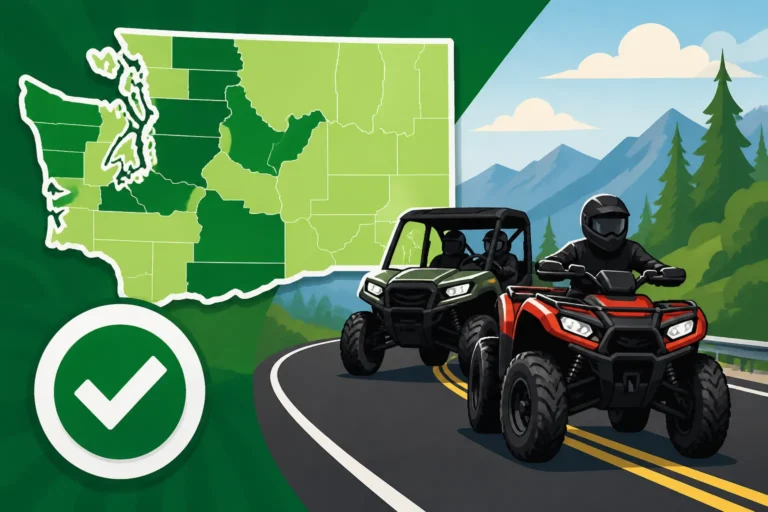
For a county under 15,000 population, the state law dictates that its county roads are, by default, open to WATV use. This means that these counties do not need to pass a specific ordinance or resolution stating that WATVs are permitted on their roads. The permission is inherently granted by state law. Think of it as a standing invitation. The onus is then placed on the county to prohibit WATV use on specific roads or segments of roads if they deem them unsuitable for safety or other reasons. This would typically be done via a county resolution or ordinance specifically listing the closed roads. So, in these smaller counties, if you don't see a sign or a specific county declaration saying a road is closed to WATVs, it's generally considered open, provided your machine meets all other legal requirements for road use. This is a crucial distinction that often surprises riders who are used to navigating stricter rules in more populous regions.
The Contrast: Larger Counties Must "Opt-In"
To truly grasp the "open by default" concept, it helps to understand its counterpoint. For Washington counties with populations over 15,000 residents, the situation is completely reversed. These larger, more urbanized counties are not open by default. Instead, they must proactively pass a resolution or ordinance to specifically allow WATVs on certain county roads. This is known as the "opt-in" approach. This means that if you're riding in a more populous county, you cannot assume any road is open unless that county has explicitly stated it is. The state sets the framework, but the local jurisdiction makes the specific decision. This distinction is vital for every rider to understand, as mistakenly riding on an unapproved road in an "opt-in" county can lead to fines and legal trouble. If you want a deeper dive into this, check out [Washington Counties Over Fifteen Thousand Must Opt In].
Identifying Washington's Smaller Counties and Their Roads
Navigating the landscape of Washington's WATV laws requires a little homework, especially when it comes to understanding which counties fall under the "open by default" rule. You can't just assume a county is small enough; you need to verify its population status.
How to Confirm a County's Population Status
Since population numbers can shift over time, it's always best to consult reliable sources when trying to determine if a county falls under the 15,000 threshold. While I can't give you real-time data, you can typically find official population estimates and census information on county government websites, the Washington State Office of Financial Management (OFM) website, or the U.S. Census Bureau. A quick search for "[County Name] Washington population" will usually lead you to official sources. Remember, the key is to look for the most recent official population count to ensure you're working with up-to-date information regarding the 15,000-person cutoff. This step is fundamental because misinterpreting a county's status can lead to unlawful riding.
Navigating Road Closures in "Open by Default" Counties
Just because a county is "open by default" doesn't mean every single road within its borders is fair game for your WATV. These counties still retain the authority to close specific roads or segments of roads to WATV use if they identify legitimate safety concerns, environmental impacts, or other local considerations. So, how do you find this information? Your first stop should always be the county's official website, specifically looking for sections related to Public Works, County Commissioners, or Ordinances. Many counties will publish a list of roads that are specifically closed to WATVs. Additionally, pay close attention to signage when you're out riding. A clearly posted sign prohibiting WATV use overrides the general "open by default" rule for that specific road segment. Don't assume that if a road looks open, it is. Always look for explicit local restrictions.
Common Sense and Road Selection
Even in the most WATV-friendly, "open by default" counties, common sense, courtesy, and responsible riding are paramount. The state law allows WATV use on roads posted at 35 mph or less. So, just because a county road is "open" doesn't mean you can ride it if its posted speed limit is, say, 45 mph. Always adhere to posted speed limits for the road itself, which will also tell you if your WATV is even legally allowed on that segment. For a deeper dive into speed limits, check out [Washington's 35 mph Road Rule]. Furthermore, always respect private property. An "open by default" county road doesn't grant you permission to venture onto private land that borders it. Stick to the designated road, be mindful of residents, and avoid creating excessive dust or noise in residential areas. The continued access we enjoy often depends on how respectfully and responsibly we ride.
Essential Gear and Rules for Riding County Roads (Even Open Ones)
Getting out on those beautiful, less-trafficked county roads in Washington's smaller counties is a fantastic experience, but having an "open by default" welcome doesn't mean you can just throw a leg over your machine and go. The state has very specific requirements for making your WATV truly "street legal" for any public road use, regardless of the county's population. These rules are in place for your safety, the safety of others, and to ensure your machine integrates properly with other traffic.
Equipment Requirements for Road-Legal WATVs
To legally operate your WATV on any public road in Washington, even in an "open by default" county, your machine needs to meet certain equipment standards. This isn't just about having fun; it's about being visible, controllable, and predictable to other drivers. You'll need:
- Headlights and Taillights: These must be fully functional for visibility, especially during dawn, dusk, or adverse weather.
- Brake Lights: Essential for signaling your deceleration to vehicles behind you.
- Turn Signals: You must have working turn signals on both the front and rear of your machine to clearly indicate your intentions. Many aftermarket companies, like SuperATV, offer universal turn signal kits that can be adapted to various WATV models, making this upgrade straightforward. You can learn more about this in [Turn Signals on a Washington Road Machine].
- Mirrors: At least one rearview mirror, typically mounted on the left side, is required to see traffic behind you. Again, SuperATV and other accessory providers offer various mirror options, from clamp-on styles to those integrating into windshields, ensuring you have clear rearward visibility. More on this here: [Mirrors and a Horn for Washington Road Use].
- Horn: A working horn is necessary to alert other drivers or pedestrians to your presence.
- Brakes: Your braking system must be in good working order.
- Tires: Must be DOT-approved if specifically marked, or suitable for highway use if not explicitly marked DOT.
- Spark Arrester and Muffler: Your exhaust system must have a U.S. Forest Service-approved spark arrester and a muffler that keeps noise levels within legal limits.
- Windshield or Eye Protection: If your WATV doesn't have a windshield, you'll need to wear adequate eye protection.
- Seat Belts (for UTVs): If your machine came equipped with seat belts, they must be used.
These are the fundamental requirements that transform your off-road warrior into a machine capable of legally sharing the pavement. For a comprehensive list of what you need, refer to [Equipment a Washington WATV Needs on a Road].
Driver and Rider Requirements
Beyond the machine itself, the person operating it, and any passengers, must also adhere to specific rules:
- Driver's License: Any person operating a WATV on a public road must possess a valid driver's license. This isn't a learner's permit situation; it needs to be a full, unrestricted license. For a deeper dive, check out [Washington Driver License Rules for WATVs].
- Helmets: This is a big one. All riders and passengers on a WATV, regardless of age, must wear a USDOT-compliant helmet when operating on public roads. This includes county roads, even in "open by default" areas. There's no exception for adults; everyone needs head protection. Learn more in [Washington Helmet Law for WATV Riders].
- Age Restrictions: There are specific age requirements for operating WATVs, especially for younger riders. Generally, a rider needs to be at least 16 years old to operate a WATV on a public road and possess a valid driver's license. Supervision rules apply for younger riders on trails. For more details, see [Washington Minimum Age to Ride a Road].
- Passengers: WATVs are designed for a specific number of occupants. Ensure you do not exceed the manufacturer's passenger capacity. All passengers must also meet helmet requirements and any age-specific rules.
Safety and Etiquette on Shared Roads
When you're riding your WATV on a county road, you're sharing that space with cars, trucks, bicycles, and sometimes even horses or pedestrians. This means practicing extra vigilance and courtesy.
- Stay Alert: Always be aware of your surroundings, anticipate potential hazards, and be prepared to react.
- Yield to Other Traffic: WATVs are often smaller and less visible than other vehicles. Be prepared to yield the right-of-way.
- Single File: Washington law generally requires WATVs to ride single file on public roads, meaning no riding two abreast. This is crucial for maintaining safe traffic flow and avoiding accidents, especially on narrow rural roads. This is covered in more detail in [Washington Rules for Riding Two Abreast].
- Avoid Excessive Noise: While many riders love the sound of their machines, be mindful of noise levels, especially in residential areas.
- Dust Control: On gravel roads, try to minimize kicking up excessive dust, particularly when passing homes or other vehicles.
- Environmental Responsibility: Stay on designated roads and avoid disturbing vegetation or sensitive areas.
By adhering to these rules and practicing good road etiquette, you're not just ensuring your own safety, but also helping to preserve the privilege of WATV access on Washington's diverse road network for all riders.
Planning Your Ride in Washington's Default Open Counties
Before you load up your machine and head out for an adventure on Washington's "open by default" county roads, a little planning can save you a lot of grief. Knowing the law is one thing, but knowing the specifics of your chosen riding area and being prepared for the unexpected is key to a truly enjoyable and compliant ride.
Researching Before You Go
Even with the "open by default" rule, the devil is often in the details. You don't want to find yourself on a closed road or facing an unexpected restriction.
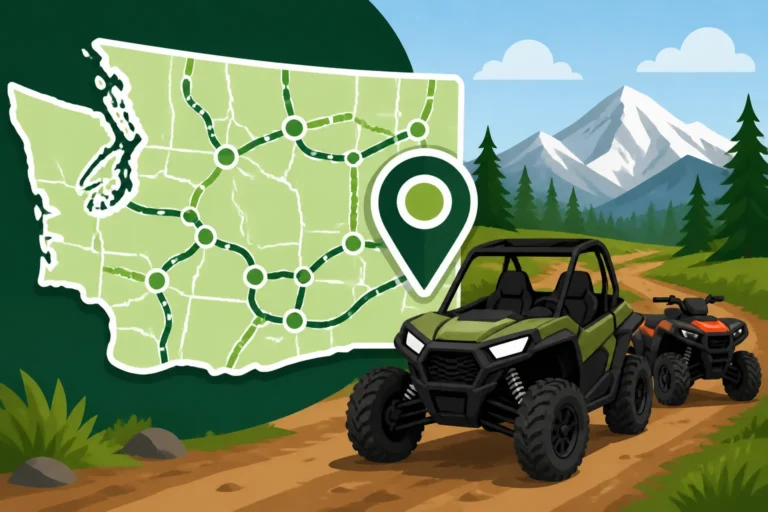
- County Websites are Your Best Friend: Always start by visiting the official website of the county you plan to ride in. Look for sections on public works, road departments, or ordinances. Many counties will publish a list of roads that are specifically closed to WATV use. Remember, "open by default" means they only list the exceptions. If you can't find specific WATV rules, look for general road use ordinances. For guidance on where to look, consider [Finding a County's Approved Road List].
- Local Authorities: If the website is unclear or you have specific questions, don't hesitate to call the county sheriff's office or the county public works department. They are the best resources for up-to-date local regulations.
- Maps and Apps: Utilize mapping apps that offer satellite views to scout potential routes. Look for paved versus gravel roads, identify private property, and note any potential hazards or areas where a road might seem to dead-end or become unsuitable.
- Community Forums: Online riding groups or forums specific to Washington can sometimes offer anecdotal advice or point you to local resources. However, always verify any information with official county sources.
By taking the time for thorough research, you minimize surprises and ensure your ride is legal and safe.
Carrying the Right Documentation
Being prepared isn't just about what your machine has or what you know; it's also about what you carry. Should you encounter a law enforcement officer or need to prove your compliance, having your documents readily accessible is crucial.
- WATV Registration: Your current Washington WATV registration card is absolutely essential. This proves your machine is legally registered for off-road use, which is a prerequisite for any on-road tab.
- On-Road Tab (if applicable): If you've opted for the additional on-road tab, you'll have specific decals and potentially additional documentation confirming its active status.
- Driver's License: Your valid driver's license is required, as mentioned earlier, for operating on public roads.
- Proof of Insurance: While not always required for off-road-only machines, if you have the on-road tab, you generally need to have proof of liability insurance. Check current regulations for specifics.
- The Metal Tag: Your Washington metal tag, bolted securely to your machine, signifies its registration. Make sure it's visible and clean.
It’s always a good idea to keep these documents in a waterproof bag or container stored securely on your machine. Nothing ruins a ride faster than soaked paperwork or not being able to find what you need. For more on this, read [Carrying the Registration in the Machine].
Respecting the Rules and Preserving Access
Ultimately, the continued ability to enjoy Washington's diverse riding opportunities, especially on county roads in "open by default" areas, rests heavily on the shoulders of every rider. When we ride responsibly, adhere to the rules, and show respect for the environment and local communities, we act as ambassadors for the sport.
- Leave No Trace: Pack out everything you pack in. Avoid littering, and minimize your impact on the natural surroundings.
- Be a Good Neighbor: Slow down near homes, keep noise to a minimum, and wave to residents you encounter. A positive interaction goes a long way.
- Report Issues: If you notice illegal riding, damaged trails, or other issues, consider reporting them to the appropriate authorities. Protecting access means everyone doing their part.
- Advocate for Access: Stay informed about local ordinances and participate in public meetings or surveys if the opportunity arises. Your voice can help maintain and even expand riding opportunities.
By being mindful and proactive, we ensure that the "open by default" status in Washington's smaller counties remains a fantastic benefit for WATV enthusiasts for years to come.
| County Type | Population Status | WATV Road Access Rule | How to Find Information |
|---|---|---|---|
| "Open by Default" County | Under 15,000 population | Roads are open unless explicitly closed by ordinance. | Check county website for specific road closures. |
| "Opt-In" County | Over 15,000 population | Roads are closed unless explicitly opened by ordinance. | Check county website for specific road openings. |
Disclaimer
This article is for general informational purposes only and does not constitute professional advice. Laws, prices and regulations vary by location and change over time. Consult a qualified professional for guidance on your specific situation.