Washington Discover Pass for Two Vehicles
A Washington Discover Pass can cover two vehicles, which is useful when you switch between a car and a truck to reach state recreation land. The key limit is that the pass is for one vehicle at a time, not two vehicles arriving together. Here’s how to use it, when you need another pass, and what it does not cover for ATV and UTV trips.
How one Discover Pass can serve two vehicles
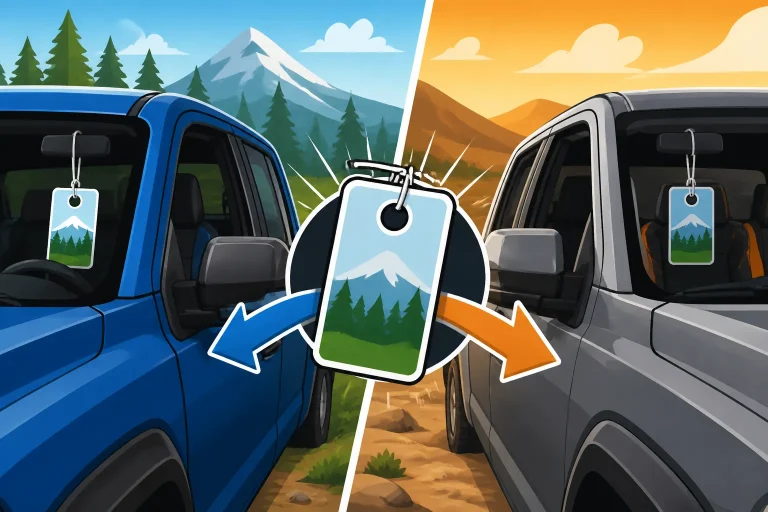
An annual Discover Pass is transferable between two vehicles. That means you can use the same pass in either of the two vehicles, as long as only one is using it at a time. For example, you might move it between your everyday car and the truck you use to tow an ATV.
The pass does not become two passes simply because two vehicles are associated with it. If both vehicles drive to a recreation site and park there at the same time, each needs its own valid pass or another accepted way to meet the site’s vehicle-access requirement. One pass cannot cover two vehicles parked at the site simultaneously.
This distinction is easy to miss when planning a group outing. A household may use one annual pass for different trips in different vehicles, but it should not count on that pass to cover a convoy. If you are taking two cars, or a truck and a separate ATV-hauling vehicle, plan for each vehicle that needs a pass to have its own coverage.
| Situation | Is one annual pass generally enough? | What to check |
|---|---|---|
| You use either of two vehicles on separate visits | Yes, if the pass is used according to its transfer and display instructions | Confirm the current pass terms and display method |
| Both vehicles arrive and park at the same site | No; one pass cannot be used by both at once | Get separate coverage for the second vehicle |
| You tow an ATV in one vehicle and leave a second vehicle at home | Usually, if the pass is being used with the vehicle at the site | Confirm the specific site requires a Discover Pass |
| You take two vehicles to the same trailhead | One pass is not enough for both vehicles | Check whether both parked vehicles need coverage |
| You visit federal land | A Discover Pass may not meet the site’s access or parking requirements | Check the land manager’s rules |
The annual pass is about vehicle access to Washington state recreation lands, not the number of people in your group or the number of machines you own. The practical question is which vehicle is being used to access the site and whether that vehicle is covered.
If you mainly want to know whether your destination requires a pass at all, start with Where a Washington Discover Pass Is Required and Do You Need a Discover Pass to Ride in Washington?. Requirements depend on the land and site, so do not assume every trailhead, road, or riding area uses the same pass.
Using the pass with a car, truck, or ATV trip
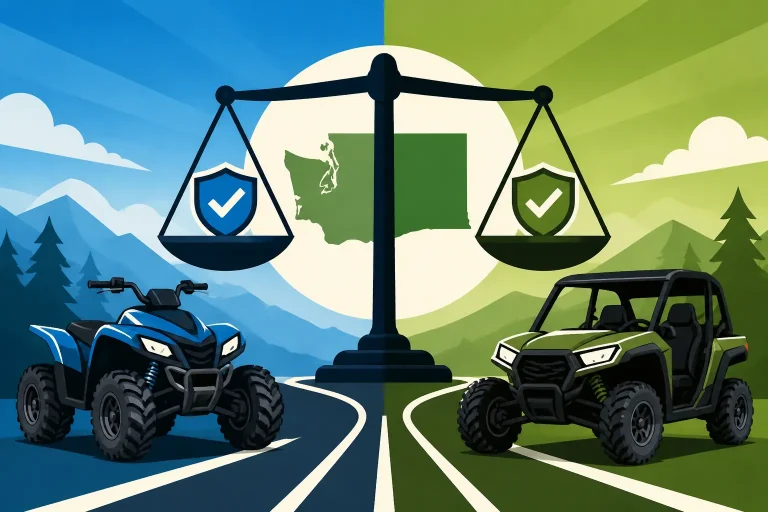
For an ATV or UTV outing, the Discover Pass generally relates to the vehicle you drive onto or park at covered state recreation land. It does not register your machine, replace its tabs, or grant permission to ride wherever you can unload. The pass is one part of trip planning, separate from the rules for operating an off-road vehicle.
A common setup is to drive a truck carrying a quad to a state-managed staging area. If that site requires a Discover Pass, the pass requirement applies to the truck accessing or parking at the site. The quad still needs to meet the applicable registration and riding rules. Review Washington ORV Permits Explained for the separate permit picture, and check the site’s riding rules before unloading.
The pass does not automatically give you permission to ride on roads, trails, or land that is closed to motorized use. Access to a parking area and permission to ride a particular route are different questions. A trail may be closed, limited to certain vehicle types, or subject to seasonal restrictions even when you have paid the required access fee.
The pass covers a vehicle, not a whole convoy
If you travel with another rider in a separate vehicle, count that vehicle separately. The other driver cannot rely on your pass while their vehicle is parked beside yours. Arrange separate coverage before leaving, or confirm whether the site offers another accepted parking option.
This applies even if both vehicles belong to the same household. The two-vehicle feature is for transferring the pass between vehicles, not for using it on both at once. It also does not mean that a pass automatically transfers to every vehicle in a family. Follow the current pass instructions about which vehicles are covered and how the pass must be displayed.
If one vehicle drops off a rider or unloads a machine and then leaves, the exact situation may depend on where vehicles are parked and how the site administers its access rules. The safest plan is to make sure every vehicle left at the recreation site has valid coverage. If the arrangement is unusual, ask the land manager before the trip rather than treating the pass as shared group access.
Check the land manager before loading up
Washington recreation areas may be managed by different agencies, and a Discover Pass is not a universal public-land permit. State parks, Department of Natural Resources land, and Fish and Wildlife lands can have different site rules. State Parks, DNR and Fish and Wildlife Land explains why identifying the land manager matters.
Federal recreation sites use their own access rules. A Washington Discover Pass should not be assumed to cover a federal trailhead or campground. Check Why Federal Sites Refuse a Washington Discover Pass if your route crosses into federal land, and look into a Northwest Forest Pass where the site requires one. Some locations may require a different pass or have no fee, so verify the exact destination rather than buying based on a map label alone.
A pass also does not replace any separate parking reservation, camping reservation, permit, or vehicle registration that may apply. If your trip includes several stops, check each one. A single weekend route can cross state, federal, and private land, each with different access conditions.
Choosing between an annual pass and a day pass
If you use the same two vehicles at different times, an annual pass may be convenient because it can be transferred between them under its terms. If you only need access for a single outing, a day pass may suit the trip. The right choice depends on how often you visit covered lands, how many vehicles will be parked there at once, and the current rules and costs.
Do not choose the annual option solely because you own two vehicles. Its two-vehicle feature does not provide simultaneous coverage. If you regularly take both vehicles to the same site, compare the cost and availability of separate coverage with the cost of changing your travel plan to use one vehicle.
| Your riding pattern | What to consider |
|---|---|
| One vehicle makes most trips | Compare a day pass for occasional visits with an annual pass for frequent visits |
| You alternate between two vehicles | An annual pass may be convenient if you transfer and display it as instructed |
| Two vehicles often travel together | Budget for coverage for each vehicle that needs a pass |
| You ride at state and federal sites | Check each land manager; one pass may not cover the whole trip |
| You use a rental, borrowed vehicle, or work vehicle | Confirm that the pass terms and display method fit that vehicle and trip |
Pass costs and purchasing options can change. Check the current Discover Pass information from the state before buying, especially if you need a pass for a particular date or want to confirm how it is issued. Avoid relying on an old receipt, a photo of someone else’s pass, or an assumption that a pass in one vehicle covers a second vehicle parked nearby.
If you are comparing passes for different kinds of riding trips, The Discover Pass and Washington Riders provides broader context. For sites that use a Northwest Forest Pass, Which Trailheads Ask for a Northwest Forest Pass can help you identify when a different pass may apply.
Before you leave for the trailhead
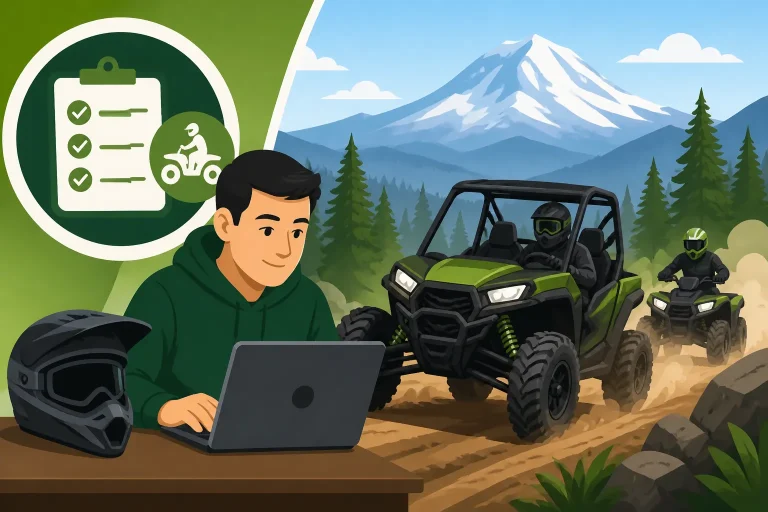
A few quick checks can prevent a pass problem from turning into a citation or a wasted trip.
- Identify the land manager. Confirm whether your destination is state, federal, or other land. Do not assume a Discover Pass applies everywhere.
- Check the site’s pass requirement. Some state recreation locations require one; others may have different arrangements. Use the destination’s current rules.
- Count vehicles, not machines. If two separate vehicles will park at the site, plan for coverage for both. An ATV carried on a trailer is not the same as a second tow vehicle, but the rules for the site and how the machine is transported still matter.
- Follow the pass display instructions. Use the current method supplied with the pass. If you move it between your two vehicles, move or display it as directed before accessing the site.
- Keep other requirements separate. A Discover Pass does not substitute for ORV registration, a riding permit, a trail authorization, or permission to use private land.
- Check alerts before departure. Closures, seasonal restrictions, and access changes can affect a site even when your pass is valid.
When you arrive, make sure the pass is visible or otherwise presented as required. Showing a Discover Pass at a Washington Trailhead covers the practical display question. If you forget the pass or are unsure whether a digital record will be accepted, do not assume a phone image or proof of purchase will count as the required display. Check What Happens If You Forget Your Discover Pass for the consequences and options.
The simplest rule to remember is: one annual pass may move between two vehicles, but it cannot cover both vehicles at the same time. For a trip with one vehicle, transfer and display the pass properly. For two vehicles parked at the same recreation site, arrange separate coverage and confirm that the site accepts the pass you plan to use.
Disclaimer
This article is for general informational purposes only and does not constitute professional advice. Laws, prices and regulations vary by location and change over time. Consult a qualified professional for guidance on your specific situation.