Riding a Burn Scar the Year After
Riding a burn scar requires checking land manager closures, spotting unstable ash, and avoiding fallen timber.
The map is not the permission.
National forest and BLM routes, state OHV parks, and club trails crossing private land — with the closures and passes that decide whether today counts.
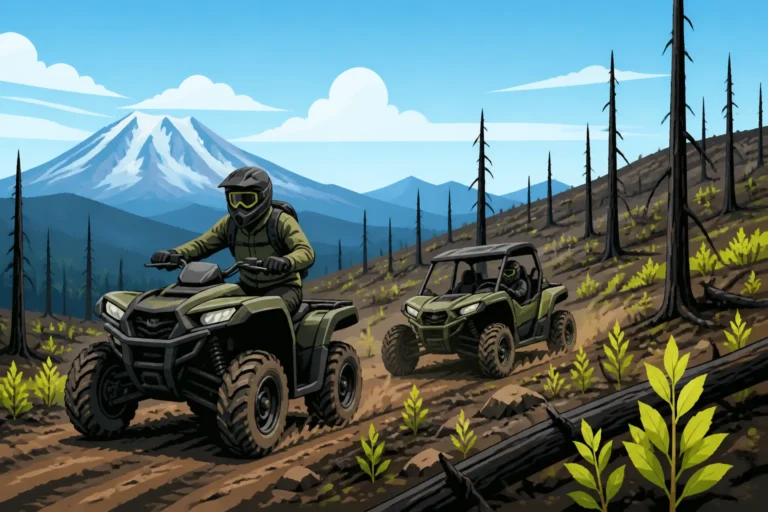
Riding a burn scar requires checking land manager closures, spotting unstable ash, and avoiding fallen timber.
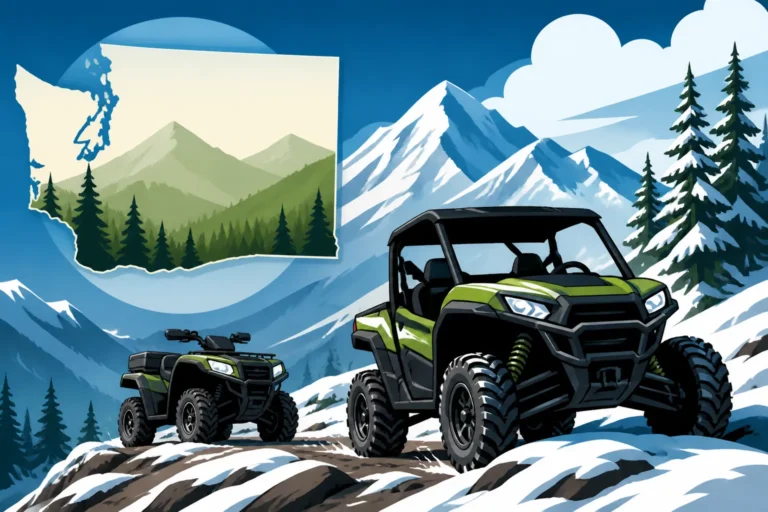
Washington ATV and UTV routes above 3,000 feet present snow hazards, changing road conditions, and planning methods.
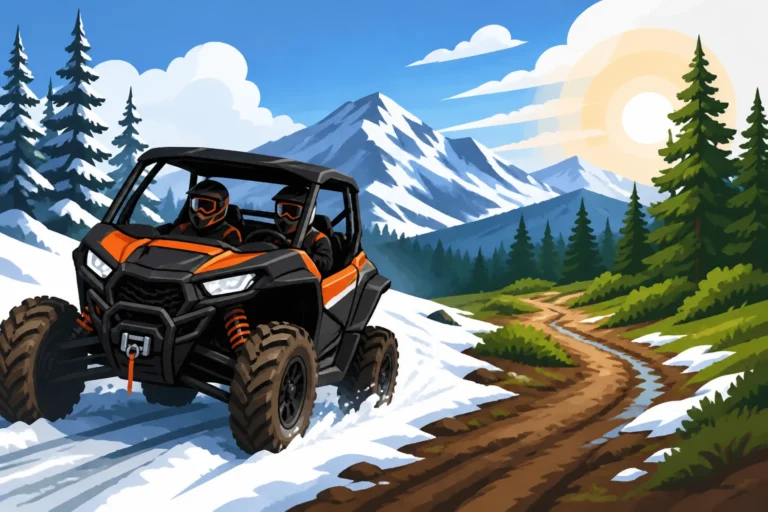
Washington trail closures caused by heavy snowmelt, saturated ground, and winter storm damage explained for riders.
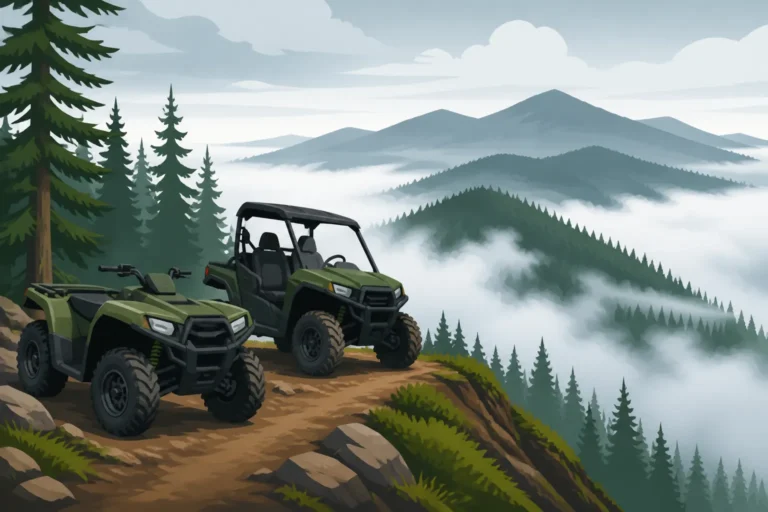
Fog on a Coast Range ridge creates low visibility and slick trails, requiring careful ATV preparation and safe riding strategies.
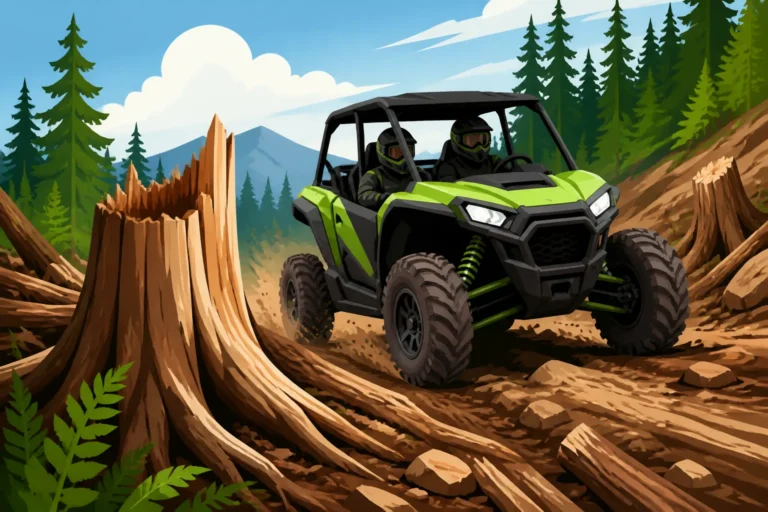
Cedar stumps on old Washington skid roads hide beneath vegetation and pose hazards for vehicles. This text explains how to spot them safely.
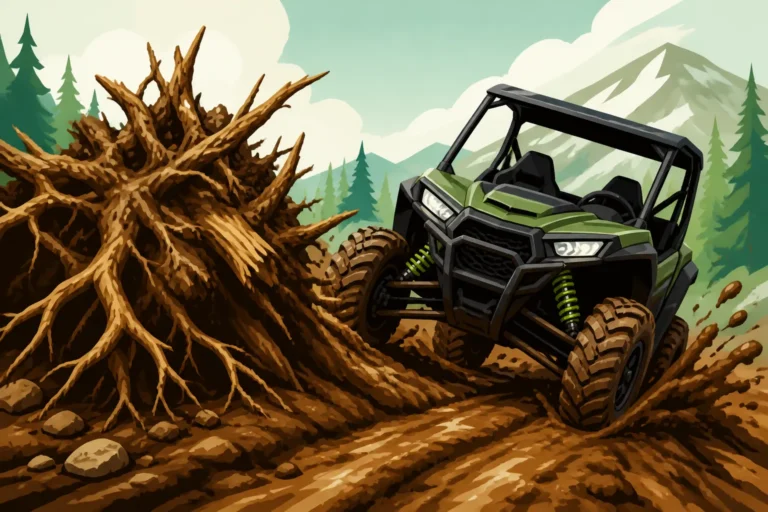
Washington trail riding on wet roots and slick clay requires reading terrain, choosing safe lines, and using smooth ATV control.
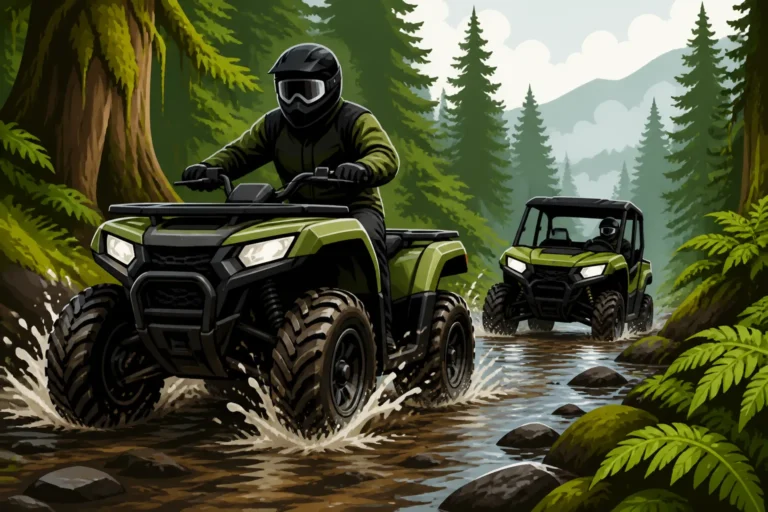
Washington forest trail conditions, vehicle suitability, and weather checks help riders prepare safely for wet weather.

Paddle tires on Washington dunes provide traction in soft sand, but selecting the right setup depends on your vehicle.
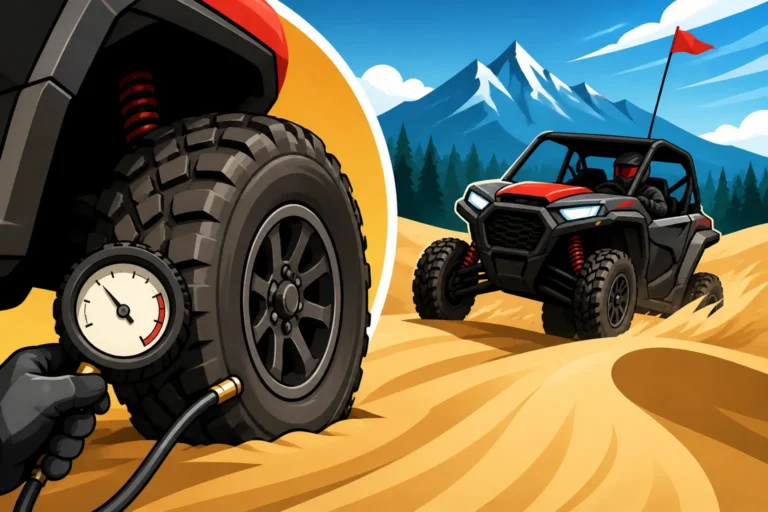
Lowering tire pressure for Washington sand improves vehicle traction, prevents deep wheelspin, and helps riders navigate dunes.
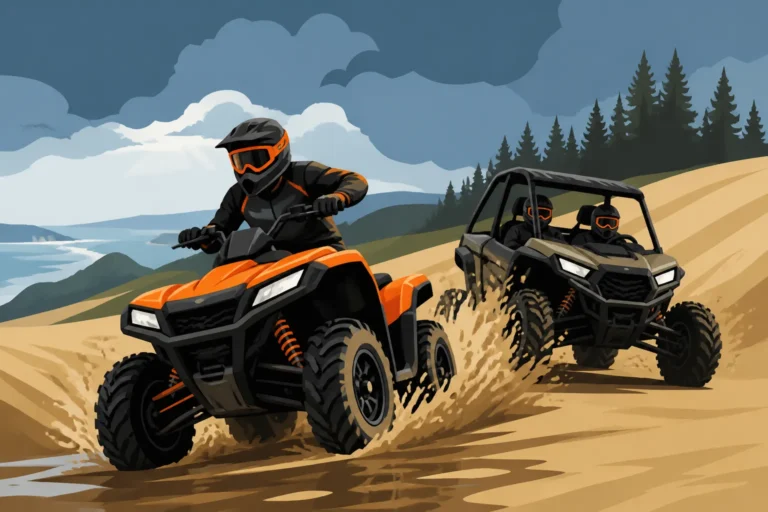
Washington sand riding after rain involves mixed surfaces, hidden water, and changing terrain requiring careful scouting and access checks.