Buying a Quad From a Logging Outfit
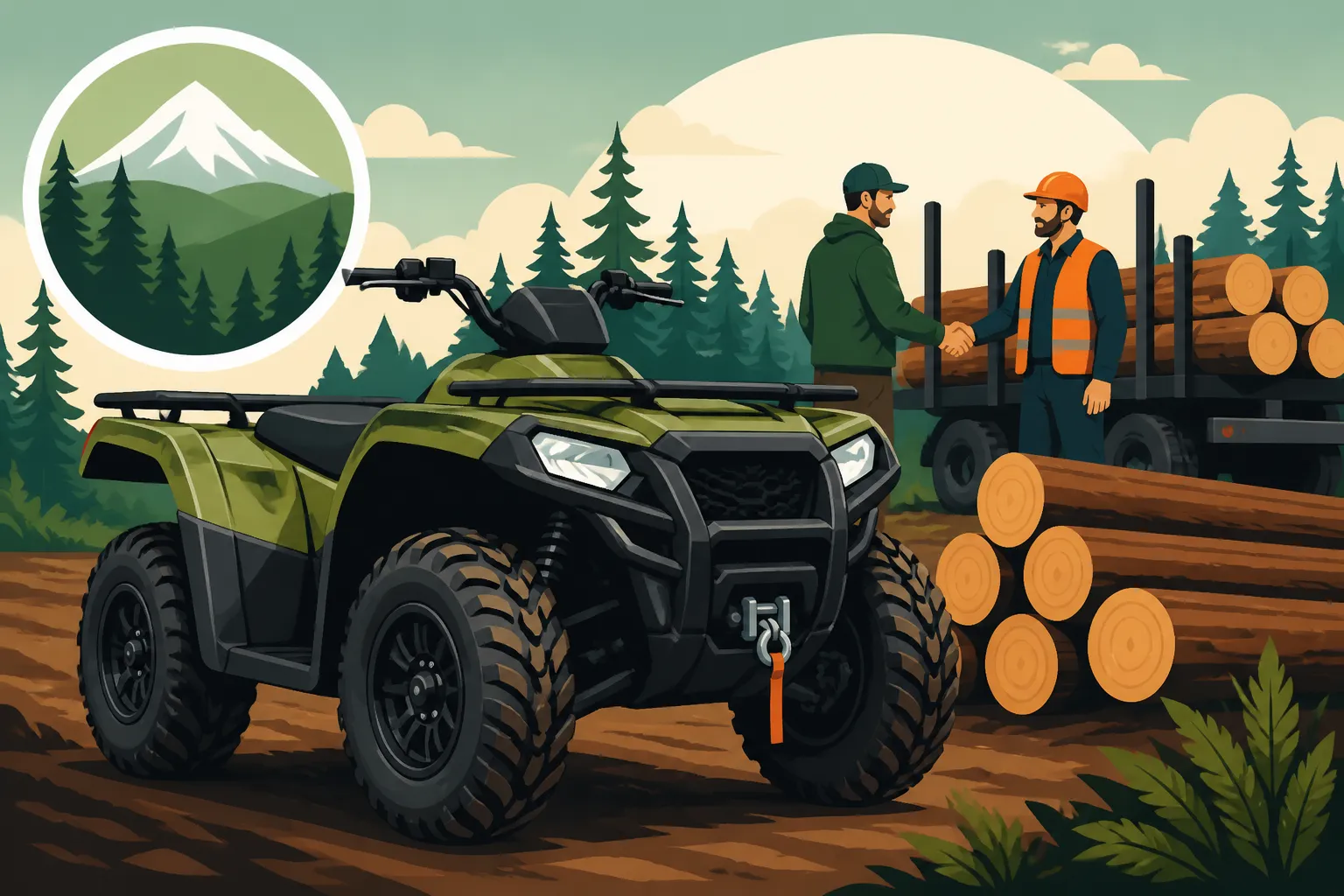
You've been out scouting for a new all-terrain vehicle, maybe dreaming of hitting the trails in Capitol Forest or exploring the vast landscapes east of Yakima, when you hear a whisper: a local logging outfit is selling off some of its older quads or side-by-sides. It sounds like a fantastic deal – tough machines, potentially well-maintained, and often at a price point that makes your wallet sing. But buying a workhorse machine from a commercial operation isn't quite the same as buying from a neighbor, and there are some unique hoops to jump through in Washington state. This guide will walk you through everything you need to know to make that logging quad yours, legally and safely.
The Appeal and Potential Pitfalls of Buying from a Logging Outfit
When a commercial operation, especially one like a logging company, decides to upgrade its fleet, it can present a golden opportunity for savvy buyers. These aren't your typical recreational machines; they're built for grunt work and often maintained with a different mindset. However, that commercial past also means a different set of considerations for you, the next owner.
Why These Machines Are Appealing (and Often Affordable)
There's a certain rugged charm to a machine that's seen real work. Logging outfits often use heavy-duty utility vehicles (UTVs) or larger ATVs designed for hauling gear, navigating rough terrain, and standing up to daily abuse. These aren't machines that sat in a garage all winter, only seeing sunlight on fair-weather weekends. They are true workhorses. This can mean a more robust build quality than some consumer-grade recreational machines.
Another big draw is the price. Logging companies frequently cycle through equipment based on hours, fleet age, or tax write-offs, not necessarily because the machine is "used up." They're often looking to move these assets quickly to make way for new investments. This can translate to a significantly lower purchase price for you compared to buying from a dealer or even a private seller who's looking to recoup their recreational investment. You might find a well-appointed side-by-side with a winch, upgraded tires, and a full skid plate package, all features you'd pay extra for on a new machine, already built into the price of a used commercial unit. It's a fantastic way to get more machine for your money, especially if you're comfortable with a bit of elbow grease.
What to Look Out For: Unique Wear and Tear
While the robust nature of these machines is a plus, their history of heavy use means you need to be extra vigilant during your inspection. A machine used for logging isn't going to have the same wear patterns as one primarily used for joyriding on smooth trails.
Think about a quad that's spent years traversing muddy, rocky logging roads. The suspension components – shocks, A-arms, bushings – will have endured constant jarring and heavy loads. The frame might show signs of stress, not necessarily cracks, but perhaps bent mounting points for accessories or areas where impact has occurred. Electrical systems can be particularly prone to issues on a work machine. If it had lights, winches, or other accessories constantly wired in, check for frayed wires, corroded connections, and properly installed relays. Rust is another big one, especially in the damp Pacific Northwest climate. Inspect the frame, exhaust, and any exposed metal for deep rust, not just surface oxidation. The engine, while often well-maintained (companies usually follow strict service schedules), will likely have high hours. This isn't necessarily a dealbreaker, but it means checking for compression, oil leaks, and any abnormal noises is even more critical. Imagine this machine being started up every morning, driven hard all day, and perhaps even left out in the elements overnight. It’s seen a life of service, and you need to assess how gracefully it’s aged.
Essential Paperwork and Legalities in Washington State
Buying any vehicle, especially an off-road one, requires careful attention to paperwork, but when you're buying from a business like a logging outfit, there are specific considerations to ensure the transfer of ownership is smooth and legal in Washington state.
The Crucial Role of a Bill of Sale
A bill of sale isn't just a formality; it's your absolute proof of purchase and a critical document for registering and titling your new machine. When you're buying from a logging company, they might have their own generic bill of sale forms. However, it's always wise to ensure it contains all the necessary details.
At a minimum, the bill of sale should clearly identify both the buyer and the seller (including the logging company's full legal name and contact information). It must have the full Vehicle Identification Number (VIN) of the quad or side-by-side, the exact purchase price, the date of sale, and signatures from both parties. Don't forget to include specific descriptions of the machine, such as make, model, and year. This document is what you'll present to the Department of Licensing (DOL) when you go to register and title the machine in your name. Without a properly executed bill of sale, you could run into serious headaches proving ownership. For a robust and legally sound document, services like LawDepot can be incredibly helpful. They offer customizable bill of sale templates that ensure you haven't missed any vital information, providing peace of mind during the transaction. You can find more specific details on what Washington requires by looking at [Washington WATV Bill of Sale Requirements].
Titling and Registration Challenges (and Solutions)
This is often where buying from a commercial outfit can get a bit tricky. Unlike a private individual selling their personal ATV, a logging company might not have a "title" in the conventional sense, especially if the machine was never intended for public road use and operated solely on private or leased timberland. In Washington, you do need a title to register a WATV. Washington's system insists on a clear chain of title before you can get those all-important tabs. You can delve into why this is so important by reading [Why Washington Wants a Title First] and [Do You Need a Title for a WATV in Washington?].
First, ask the logging company for the existing title. If they have one, ensure it's properly signed off and matches the VIN on the machine. If they don't have a title, or if it's a "fleet title" that wasn't designed for individual transfer, you'll need to work with the DOL to establish ownership. This might involve applying for a new title, which can sometimes require a surety bond if the title history is unclear. Ensure the logging company is willing to assist with any necessary paperwork or provide notarized statements of ownership history. It's crucial that the VIN on your bill of sale matches the VIN on the machine perfectly. When it comes to use tax, even though you're buying from a business, if they're not a licensed dealer, you'll still pay use tax when you register the machine at the DOL, just as you would when buying from a private individual. The tax is based on the purchase price or fair market value, whichever is greater. Be prepared to settle this at the licensing counter, as described in [Paying Use Tax at the Licensing Counter].
The Inspection Process: What to Scrutinize
A thorough inspection is absolutely non-negotiable when buying a used ATV or UTV, especially one that's been through the rigors of commercial logging work. Don't let the excitement of a good deal overshadow the need for a detailed examination.
Comprehensive Mechanical Assessment
When you're looking at a machine from a logging outfit, think like a mechanic who understands heavy use. Start with the engine: check the oil for signs of metal flakes or milky contamination. Pull the dipstick and smell the oil – a burnt smell is a red flag. Look for any active leaks around the engine block or transmission. Listen for unusual noises during a cold start and after it's warmed up. Check for play in the steering column and wheel bearings. Move to the drivetrain: engage and disengage 4×4, listen for grinding or clunking. Inspect all CV boots for tears; torn boots mean contaminated joints and expensive repairs.
Suspension is another major area. Compress each corner of the machine by hand and watch the shocks' rebound. Look for bent A-arms or tie rods. Examine all bushings for excessive play. The frame, as mentioned, is critical. Look under the machine from front to back, checking for bends, cracks, or crude welding repairs. Electrical components often get overlooked but are vital. Test all lights, the horn (if present), and any factory or aftermarket accessories like a winch. If a winch is installed, run it in and out to ensure it functions smoothly. Tires, while easily replaceable, can tell a story about how the machine was used. Uneven wear can indicate suspension issues or alignment problems. Remember, this machine has likely been worked hard, so approach the inspection with a critical eye, as if [Checking a VIN Before You Pay] is just the first step in a much larger detective process.
Here's a handy table of key inspection points for a logging quad:
| Component | What to Look For | Potential Red Flag |
|---|---|---|
| Engine | Oil leaks, strange noises, exhaust smoke color, strong odors, compression test | Blue/black smoke, milky oil, knocking, low compression, visible leaks |
| Drivetrain | Smooth 2WD/4WD engagement, CV boot condition, differential fluid leaks | Grinding, clunking, torn CV boots, excessive play, metal shavings in diff oil |
| Suspension | Shock fluid leaks, bent components, worn bushings, spring sag, ball joint play | Oil on shocks, visible bends, rubber bushings cracked/missing, excessive play |
| Frame | Cracks, bends, welds, rust, accessory mounting points | Visible cracks, previous repairs, heavy rust through, bent frame sections |
| Electrical | Functioning lights, winch, accessories; frayed wires, corroded connections | Non-working components, exposed wiring, flickering lights |
| Tires/Wheels | Tread wear (evenness), sidewall cracks, bent rims, missing lug nuts | Uneven wear (alignment), deep cracks, visibly bent wheels |
| Brakes | Pad thickness, rotor condition, fluid leaks, lever feel | Spongy lever, grinding noise, deeply grooved rotors, low fluid |
| Steering | Play in handlebars/steering wheel, tie rod condition, easy turning | Excessive slop, stiff turning, bent tie rods |
| Cooling System | Radiator condition, fluid level, fan function, leaks | Clogged fins, low coolant, fan not engaging, active leaks |
| Accessories | Winch function, lights, skid plates (damage), cargo racks (bends/breaks) | Non-functional winch, damaged accessories |
Safety and Compliance Checks for Washington Trails
Beyond mechanical integrity, you need to ensure the machine meets Washington's basic requirements for riding on public lands. This isn't just about avoiding a ticket; it's about safety for you and others.
One of the most critical components is the spark arrester. Washington state, like most places, requires all off-road vehicles to have a functioning spark arrester to prevent forest fires. This is a common requirement for anyone riding in a place like the Reiter Foothills or Capitol State Forest. Make sure the exhaust system has one, and it's in good condition. You can learn more about this by checking out [Washington Spark Arrester Requirement]. Another important consideration is the muffler. While logging machines are built tough, they might not always prioritize quiet operation. If you plan to ride designated ORV trails, there are sound limits you'll need to adhere to. You can dive deeper into these rules by reading [Washington Muffler Requirements for an ORV]. If you intend to ride after dark, even on trails, you'll need proper lighting. A work machine might have powerful floodlights, but ensure they're aimed correctly and don't blind other riders. If you're considering adding the on-road tab, you'll have additional safety requirements like turn signals, mirrors, and a horn. This is where a formal safety inspection comes in, which can cost up to $50, as detailed in [Washington WATV Safety Inspection Cost]. Knowing these requirements upfront will help you decide if the machine is worth the potential modifications or if it's best suited for off-road-only adventures.
Registration After the Purchase: Getting It on the Trail (or Road)
Once you've sealed the deal and brought your new (to you) logging quad home, the next crucial step is getting it properly registered with the Washington State Department of Licensing (DOL). This is where your bill of sale and title (or proof of ownership) truly shine.
Navigating the Washington Department of Licensing
Registering a newly acquired WATV, whether it's from a dealer, a private seller, or a logging outfit, follows a specific process in Washington. First and foremost, you'll need your original bill of sale and the properly signed-off title (if one existed). If you had to establish ownership via other means, bring all supporting documentation. You'll take these documents to a local vehicle licensing office or authorized subagent. They will process the ownership transfer and issue you new registration. For a comprehensive list of what paperwork to gather, check out [Washington WATV Registration Paperwork].
During this process, you'll need to decide on your registration tabs. Washington offers both an off-road tab, which allows you to ride on designated ORV trails, and an optional on-road tab, which allows limited use on public roads where permitted. Many riders opt for just the off-road tab, which is explained in [Washington's Off-Road Tab Explained]. However, if you plan to connect trails via county roads or need to run into town for supplies, the on-road tab might be worth it, as detailed in [Washington's On-Road Tab Explained]. Keep in mind that Washington has a strict [Washington's Fifteen-Day Registration Deadline] from the date of purchase to get your machine registered, so don't delay!
What to Expect: Costs and Ongoing Responsibilities
Registering your logging quad will involve a few different costs. You'll pay the base registration fees, which include the cost for the off-road tab and, if you choose it, the additional cost for the on-road tab. You can find a breakdown of these fees in [Washington WATV Registration Cost], [Washington Off-Road Tab Cost], and [Washington On-Road Tab Cost]. Additionally, as previously mentioned, you will be assessed Washington's use tax on the purchase price (or fair market value, whichever is higher), paid at the time of registration.
If you opt for the on-road tab, you'll also need to complete and submit a [Washington Road Use Declaration Form]. This form certifies that your machine meets the minimum equipment requirements for limited road use, such as having a rearview mirror, headlight, taillight, turn signals, and a horn. Additionally, any WATV operated on public roads in Washington state must be covered by liability insurance, so be prepared to show proof of [Washington WATV Insurance Requirements]. Remember that these registrations and tabs expire annually, and you'll be responsible for [Renewing a Washington ORV Registration Yearly] to keep your machine legal for riding. It's an investment, but a necessary one to enjoy the incredible riding opportunities Washington has to offer.
Disclaimer
This article is for general informational purposes only and does not constitute professional advice. Laws, prices and regulations vary by location and change over time. Consult a qualified professional for guidance on your specific situation.