Where Washington ORV Fees Go
It’s a common frustration to shell out money for registrations, permits, and taxes, and then wonder, "Where does it all go?" When you’re passionately investing in your Washington off-road vehicle (ORV) lifestyle, those fees can add up. This guide is here to pull back the curtain and show you precisely how your hard-earned dollars, paid for tabs, permits, and taxes, are put to work to support the ORV community and public lands across Washington state.
Navigating Washington's ORV Fee Landscape
Getting out on the trails or even just cruising down an approved county road in your all-terrain vehicle (ATV), utility terrain vehicle (UTV), or dirt bike in Washington requires a bit of an investment. Beyond the initial purchase of your machine, there are ongoing costs associated with registration and licensing. It’s easy to feel like you’re just constantly paying into a void, especially when you encounter a trail that could use a little TLC or a staging area that feels neglected. But in Washington, these fees are specifically earmarked to support the very activities and infrastructure that make ORV riding possible.
The Many Hats of ORV Fees
Think of the various fees you pay for your Washington ORV as wearing different hats, each with its own job. You've got the annual off-road tab, which is really the backbone of trail funding. Then there's the optional, but increasingly popular, on-road tab, opening up new avenues for street-legal riding. Don't forget the temporary permits for visitors or short-term users, and the metal tag that identifies your machine. On top of these, every time a machine changes hands, sales or use tax comes into play, contributing to broader state services. Each of these fees funnels into different accounts, designated for specific purposes, ensuring that your money is working directly for the ORV community or the greater good of the state. It’s not just a grab bag; it’s a structured system designed to maintain and expand access.
Why Understanding Your Fees Matters
Knowing where your money goes isn't just about curiosity; it empowers you as a rider and a taxpayer. When you understand the direct impact of your fees, you can advocate more effectively for trail improvements, maintenance, and responsible land management. It helps you appreciate the often-unsung work that goes into keeping trails open and safe, from clearing fallen trees to repairing eroded sections. It also highlights the importance of proper registration – because an unregistered machine isn't contributing to the very system it relies on, potentially burdening those who are playing by the rules. Ultimately, it fosters a sense of community and shared responsibility among riders, knowing that everyone's contributions help sustain the sport we all love. It's about seeing the bigger picture beyond just the sticker on your fender.
The Off-Road Tab: Fueling Trail Systems and Recreation
When you purchase that bright green off-road tab each year for your WATV, you’re not just getting a sticker for your fender; you're directly investing in the future of off-road recreation in Washington. This is arguably the most critical fee for dedicated trail riders, as its revenue is specifically channeled into programs that maintain, improve, and expand our beloved trail networks. It’s the lifeblood for many of the projects we see out on the ground, keeping our riding experiences vibrant and accessible.
The Nonhighway and Off-Road Vehicle Activities Account
The primary destination for your off-road tab fees is the Nonhighway and Off-Road Vehicle Activities (NOVA) Account. This account is a dedicated fund within the Washington State Treasury, specifically created to support motorized recreation. It's not just for ATVs and UTVs; it also benefits snowmobilers, dirt bikers, and even four-wheel-drive enthusiasts. The funds are administered by the Washington State Recreation and Conservation Office (RCO), which works closely with various land management agencies like the Department of Natural Resources (DNR) and the U.S. Forest Service (USFS), as well as local park departments and even private landowners, to allocate funds where they're most needed. Think of the RCO as the central hub, ensuring that projects get funded fairly and effectively across the state, from the dense forests of the west side to the drier, open lands of eastern Washington. It's a critical mechanism for turning your registration dollars into tangible trail assets. You can also explore Where Washington ORV Fees Go for more details on this.
Supporting Trail Maintenance and Development
A significant portion of NOVA Account funds goes directly into maintaining and developing ORV trails. This covers a huge range of activities you might encounter – or not notice, because they're done so well – out on the trail. This includes everything from routine brush clearing and downed tree removal, which keeps trails passable and safe, to more substantial infrastructure projects like repairing wooden bridges, installing culverts for proper water drainage, and grading trails to prevent severe erosion. These funds also support the design and construction of new trail mileage, opening up fresh areas for riders to explore. For instance, funds might be used to purchase new land or secure easements that connect existing trail systems, creating longer and more varied riding opportunities. Local clubs and volunteer groups often apply for grants from the NOVA Account to help with specific projects in their areas, leveraging community effort with financial backing. When you see a freshly graveled staging area or new signage guiding you through a complex intersection, chances are NOVA funds helped make that possible. Organizations often rely on these grants to purchase necessary equipment like mini-excavators or even just new hand tools for trail crews. This dedicated funding is what keeps our trails from falling into disrepair and ensures they remain enjoyable for generations of riders. This is where [Which Trails the Nonhighway Vehicle Account Pays For] comes into play.
Funding Education and Safety Programs
Beyond the physical trails, the NOVA Account also plays a crucial role in funding ORV education and safety initiatives. This includes programs aimed at teaching new riders, especially youth, about safe operating procedures, proper etiquette, and environmental stewardship. For example, grant money might go towards creating educational materials distributed at trailheads, developing online resources, or supporting safety clinics organized by local clubs or agencies. Enforcement efforts also benefit, with funds potentially helping agencies purchase necessary equipment for patrols or supporting staffing for ranger presence on popular trails. The goal here is twofold: to ensure riders have the skills and knowledge to operate their machines safely, reducing accidents and conflicts, and to promote responsible riding practices that minimize environmental impact. When you see a public service announcement about "Tread Lightly!" principles or encounter a knowledgeable ranger offering advice, those efforts are often backed by NOVA Account funding. This holistic approach ensures that the riding experience isn't just about having places to ride, but also about fostering a culture of safety and respect for the environment and other users.
The On-Road Tab: Paving the Path for Street-Legal Rides
The world of street-legal ATVs and UTVs (or WATVs, as Washington prefers) has been a game-changer for many riders, allowing for direct access to trailheads or even just a quick run to the local store. If you've opted for the additional on-road tab for your machine, you're contributing to a different, but equally vital, funding stream. This fee addresses the unique challenges and opportunities that arise when these machines share public roadways with traditional vehicles, ensuring that the necessary infrastructure and regulations are in place for safe and smooth integration.
The Multiuse Roadway Safety Account
When you pay for your Washington [Washington On-Road Tab Cost], those funds are deposited into the Multiuse Roadway Safety Account. This account, as its name suggests, is specifically designed to address the safety and logistical considerations of allowing various non-traditional vehicles – including WATVs – on designated public roads. Unlike the NOVA Account, which is focused purely on off-road recreation, this account acknowledges the broader transportation network and the need to ensure the safety of all road users. It's about finding that balance between expanding access for ORVs and maintaining the integrity and safety of our existing road systems. The funds within this account are typically managed through state transportation or licensing departments, working in conjunction with local jurisdictions that have chosen to open their roads to WATVs. It helps facilitate the research, planning, and implementation required to make multiuse roadway access a reality across different counties and cities. [What the Multiuse Roadway Safety Account Funds] provides more details on its specific uses.
Infrastructure Improvements and Road Safety
One of the primary uses of the Multiuse Roadway Safety Account is to fund infrastructure improvements and safety initiatives directly related to WATV use on public roads. This can include things like enhanced signage on roads designated for WATV use, warning traditional motorists of their presence, or indicating specific speed limits. Funds might also be allocated for traffic calming measures in areas where WATVs are common, or for the development of improved road surfaces on less-traveled county roads to better accommodate these machines. Beyond physical infrastructure, the account can support studies and data collection to assess the impact of WATVs on road safety, helping policymakers make informed decisions about which roads can be safely opened. This ensures that as more counties and cities opt to allow WATVs on their streets, the necessary safety precautions are in place to protect riders, pedestrians, and other drivers. It's about proactively managing the integration of a new type of vehicle into established road networks, rather than simply opening roads without considering the consequences.
Enforcement and Administration for Road Use
The administration and enforcement of WATV road use rules are complex, and the Multiuse Roadway Safety Account helps bear some of that cost. This can include funding for law enforcement training specifically geared towards WATV regulations, ensuring that deputies and troopers understand the nuances of the law – from speed limits and equipment requirements to helmet rules and driver licensing. It also covers the administrative overhead associated with processing the [Washington Road Use Declaration] forms and managing the system that allows counties to opt-in or designate specific roads for WATV travel. Furthermore, funds can be used to develop and distribute educational materials for the public, informing both WATV riders and regular motorists about the rules of the road when sharing space. This ensures that the system works efficiently and that all parties are aware of their responsibilities. Without dedicated funding for these aspects, the expansion of street-legal WATV use would be much more challenging to manage effectively, potentially leading to confusion, accidents, or inconsistent enforcement across the state. This account helps bridge the gap between policy and practical implementation, making street-legal riding a safer and more viable option.
Temporary Permits and Metal Tags: Short-Term Access and Long-Term Identification
Beyond the annual tabs, there are other, smaller fees associated with Washington ORV use that also contribute to the overall system. These include the fees for temporary ORV permits, often used by visitors or for short-term access, and the relatively infrequent cost of the metal tag that permanently identifies your machine. While these individual fees might seem minor compared to the annual tabs, their collective contribution helps fill specific administrative and identification needs within the state’s ORV program.
Where Temporary Permit Funds Go
Washington's temporary ORV permits are a fantastic solution for out-of-state visitors, or for those who need short-term access to Washington's trail systems without committing to a full annual registration. The [Washington Temporary ORV Permit Cost] for these permits, while modest, primarily covers the administrative costs associated with their issuance and management. This includes the processing of applications, printing and distribution of the permits, and maintaining the digital records. A portion of these funds might also indirectly support the general administrative functions of the Department of Licensing (DOL) or the Recreation and Conservation Office (RCO), which oversees the broader ORV program. While these permits are explicitly for off-road use and do not confer any on-road privileges, their revenue helps ensure that the state can continue to welcome riders from other states, contributing to local economies around popular riding areas. It's a way to ensure that even casual or visiting riders are contributing to the upkeep of the trails they enjoy, reinforcing the principle that everyone who uses the system helps support it. These permits typically allow for sixty days of off-road use, making them ideal for vacationers or those testing the waters of Washington's vast trail network.
The Role of Metal Tag Fees
The [Washington WATV Metal Tag Cost] is a small, one-time fee when you initially title your machine in Washington, and then a very low fee for replacement every seven years or if it becomes unreadable. This fee primarily covers the manufacturing and distribution costs of the physical metal tag itself, which serves as a durable, long-term identifier for your off-road vehicle. Think of it like a permanent ID for your machine. These funds ensure that the state can consistently produce high-quality, weather-resistant tags that will stand up to the rigors of off-road use. While the revenue generated isn't directed towards trail maintenance in the same way the off-road tab is, it's crucial for the administrative backbone of the ORV registration system. The metal tag helps law enforcement identify registered machines, aids in theft recovery, and ensures that each ORV has a unique identifier linked to its title and registration records. Without this identification system, managing the vast number of ORVs in Washington would be significantly more challenging. It's a foundational element that supports the entire regulatory framework, ensuring accountability and traceability for every registered machine.
Sales and Use Tax: A Broader Contribution
When you purchase an ATV or UTV in Washington, whether new from a dealer or used from a private seller, you’ll encounter sales or use tax. While not an "ORV fee" in the same vein as the tabs or permits, these taxes are a significant financial outlay and contribute broadly to state and local services. It’s important to understand that unlike the dedicated ORV accounts, these taxes don't specifically target ORV recreation but are part of the general revenue streams that fund a wide array of public services.
The State's General Fund Connection
When you buy a new machine from a dealer, you pay Washington's sales tax. If you buy a used machine from a private party in Washington, or bring a machine into Washington from another state where you didn't pay sales tax, you'll pay a use tax when you register it. The [Washington Sales Tax on an ATV Purchase] and corresponding use tax revenue primarily funnels into the state’s General Fund. This is the largest fund in the state budget, and it's essentially the financial engine that powers a vast spectrum of state government operations. From funding public education and healthcare programs to supporting state parks, law enforcement, and infrastructure projects that benefit all citizens, the General Fund is where the majority of state-collected taxes land.
So, while your sales or use tax on an ORV isn't directly building a new trail, it's contributing to the foundational services that make Washington a great place to live and recreate. It's the cost of doing business and living in our state, and every purchase, including your off-road machine, plays a part in sustaining these essential public services. For instance, the Department of Natural Resources, which manages many ORV trails, also benefits from the General Fund for its broader land management responsibilities, even if specific trail work is funded by NOVA. When dealing with private sales, having a clear and accurate [Washington WATV Bill of Sale Requirements] is crucial for calculating the correct use tax, ensuring that your contribution to the General Fund is properly assessed. Resources like LawDepot can be invaluable for creating professional, legally sound documents like a bill of sale, ensuring that all details are properly recorded for tax purposes and clear ownership transfer. This way, both buyer and seller are protected, and the state collects the appropriate revenue to support its many functions.
Local Tax Distributions and Community Benefits
It's not just the state that benefits from sales and use tax; a significant portion of these taxes also goes to local jurisdictions. Washington state has a base sales tax rate, but cities and counties can add their own local sales tax rates on top of that. This means the total sales tax you pay when purchasing an ORV can vary depending on where the transaction occurs. For example, a machine bought in Spokane might have a different combined sales tax rate than one purchased in Olympia or a rural county.
These local tax revenues are absolutely vital for funding services at the community level. They support everything from local police and fire departments to parks and recreation facilities, libraries, and local road maintenance. While these funds aren't earmarked specifically for local ORV trails, they contribute to the overall quality of life and public infrastructure in the communities you might pass through on your way to a trailhead or where you live. This indirect benefit means that even if you're riding in a remote forest, the taxes you paid on your machine helped pave a local street or fund a school in a nearby town. Ensuring accurate record-keeping for such purchases, possibly with templates found on sites like LawDepot, is important not just for state tax purposes but also to ensure proper local distributions. This network of funding highlights how even seemingly unrelated taxes contribute to the broader ecosystem of public services that underpin our ability to enjoy recreational activities throughout the state.
Summary of Washington ORV Fee Allocation
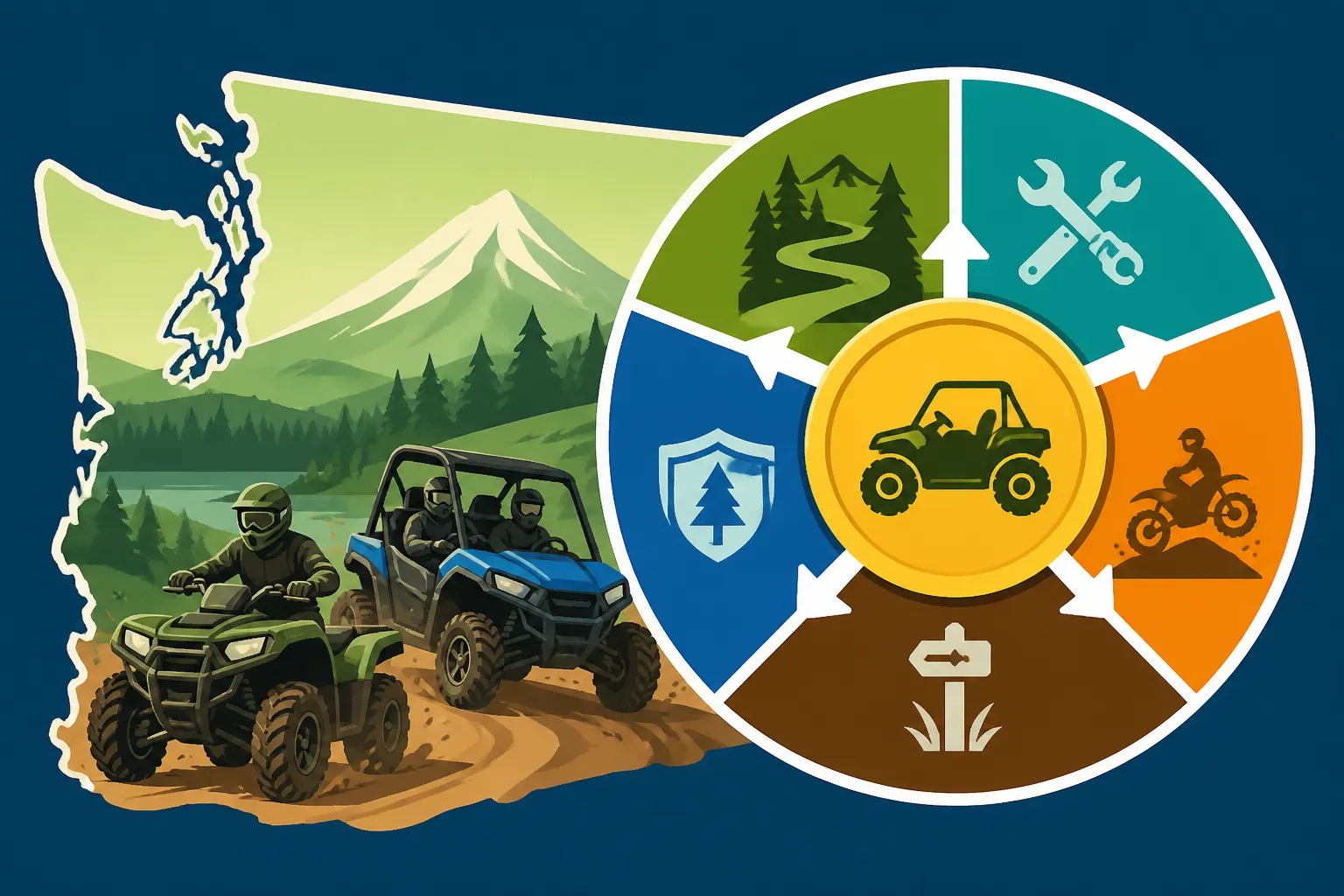
To help visualize where your ORV dollars go, here's a breakdown of the primary fees and their main destinations:
| Fee Type | Primary Destination | Key Funded Activities |
|---|---|---|
| Off-Road Tab | Nonhighway and Off-Road Vehicle Activities (NOVA) Account | Trail maintenance, new trail development, land acquisition for recreation, ORV safety education, grant programs for local clubs, enforcement, environmental stewardship initiatives. |
| On-Road Tab | Multiuse Roadway Safety Account | Research and planning for WATV road access, infrastructure improvements (signage, road surfaces), law enforcement training for WATV rules, public education on road sharing, administrative overhead for road designation and permits. |
| Temporary ORV Permit | Administrative Costs (DOL/RCO) | Processing and distribution of permits, record-keeping, general administrative support for the ORV program, ensuring visitor access and contribution. |
| Metal Tag | Manufacturing & Distribution Costs | Production of durable metal identification tags, maintenance of the ORV identification system, aiding in law enforcement identification and theft recovery. |
| Sales/Use Tax (on purchase) | Washington State General Fund & Local Jurisdictions | Broad state services (education, healthcare, public safety, general infrastructure), local community services (police, fire, local parks, roads), supporting the overall economic and social fabric of Washington state. A proper Washington Bill of Sale for a WATV is essential here. |
This table illustrates the diverse impact of your contributions, showing how each fee plays a distinct role in either directly supporting ORV activities or contributing to the broader public services that make Washington a thriving state for residents and visitors alike. Whether you're purchasing a brand new side-by-side or picking up a used dirt bike from a neighbor, ensuring you have a solid bill of sale, perhaps leveraging a service like LawDepot for a template, helps clarify the purchase for tax purposes and ensures your contributions are accurately recorded.
Disclaimer
This article is for general informational purposes only and does not constitute professional advice. Laws, prices and regulations vary by location and change over time. Consult a qualified professional for guidance on your specific situation.