What to Do at a Locked Timber Company Gate
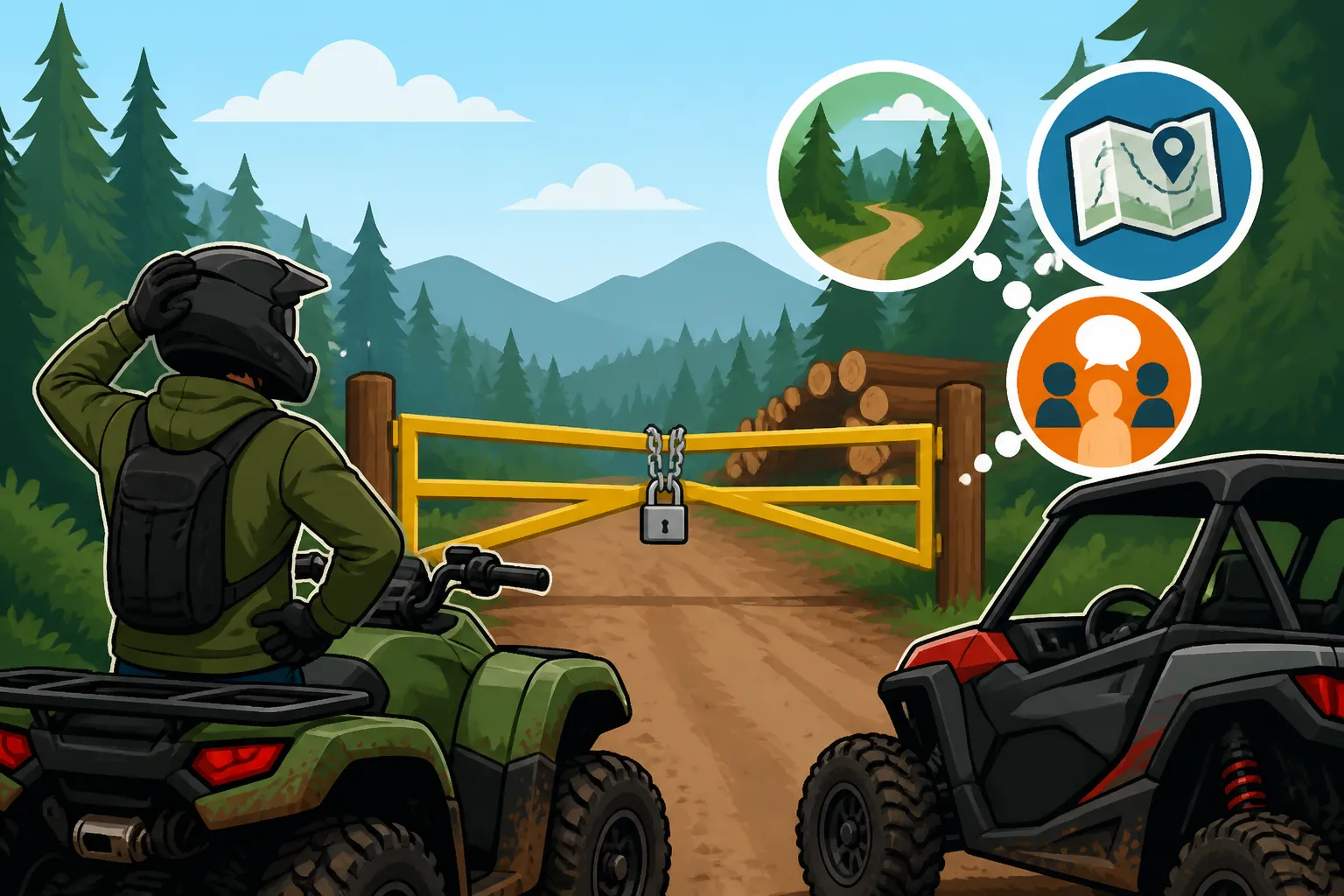
There’s nothing quite as frustrating as planning an epic ATV or UTV ride deep into the beautiful forests of Washington, only to encounter a sturdy, locked gate blocking your path. It feels like hitting a brick wall, especially when you’ve driven for hours to get to a trailhead you thought was accessible. This guide is all about navigating those moments, understanding why those gates are there, and, most importantly, what you can and absolutely cannot do to ensure you continue enjoying Washington’s incredible motorized trails responsibly and legally.
Understanding Why Timber Company Gates Are Locked
When you're out exploring Washington's vast landscapes on your quad or side-by-side, it's easy to assume that all forest roads lead to adventure and are open to everyone. However, a significant portion of the forested land in our state, especially in the lowlands and foothills, is privately owned, often by large timber companies. These companies aren't just letting their land sit idle; they're actively managing it for timber harvest, which is a major industry here. Those locked gates aren't put there just to be an annoyance; they serve several critical purposes for the landowners.
Protecting Private Property and Resources
Imagine owning hundreds, if not thousands, of acres of valuable timber and equipment. Theft, vandalism, and illegal dumping become very real and costly threats. Timber companies use locked gates as a primary defense against these issues. It's not uncommon for valuable logging equipment, fuel, and harvested timber to be targeted by thieves. Gates also deter illegal dumping of trash, old appliances, and even hazardous materials, which costs the landowner significant money and time to clean up. Furthermore, these gates protect young, replanted forests from accidental damage by off-road vehicles or, unfortunately, intentional destruction. Companies like Green Diamond Resource Company and Weyerhaeuser manage massive tracts of land, and they invest heavily in protecting their assets.
Beyond just preventing theft, these gates help control access to sensitive areas. Some parts of a timber tract might be undergoing regeneration, or they might contain streams and wetlands that are particularly vulnerable to disturbance. By limiting vehicle traffic, companies can better manage these ecological zones and ensure compliance with environmental regulations. It’s all part of a larger land management strategy that prioritizes the long-term health and productivity of the forest. Without these measures, their ability to sustain their operations and even maintain the land for future use could be severely compromised.
Managing Operations and Safety
Logging is a dangerous business. Heavy machinery, falling trees, and active hauling operations present significant hazards to anyone not authorized to be in the area. Timber companies close gates to ensure the safety of their workers and the public. An unexpected ATV or UTV rider suddenly appearing around a blind corner could lead to a catastrophic accident involving a log truck or a feller buncher. These gates create a buffer, allowing work crews to operate without the added stress of public traffic. Active timber sales often mean altered road conditions, too – fresh gravel, steep grades, and temporary bridges might be in place, none of which are typically signed for public recreational use.
Furthermore, fire risk is a constant concern in Washington's forests, especially during the dry summer months. Sparks from exhaust systems, improperly maintained machines, or even carelessly discarded cigarettes can ignite devastating wildfires. Many timber companies have strict fire season closures, and locked gates are an effective way to enforce these restrictions. They also manage road use to prevent damage. Heavy logging trucks can chew up gravel roads quickly, and recreational use, especially during wet weather, can exacerbate this damage, leading to expensive repairs. The roads are built primarily for industrial use, not necessarily for sustained recreational traffic, and the company has the right to manage them accordingly.
Environmental Stewardship
While profit is a driving force, many timber companies also engage in significant environmental stewardship. They often manage land for wildlife habitat, water quality protection, and maintaining biodiversity. Locked gates can be part of a strategy to reduce human disturbance in critical wildlife corridors, nesting areas, or sensitive riparian zones. For example, restricting vehicle access during certain times of the year can protect elk calving grounds or salmon spawning streams.
These gates also help manage erosion and sedimentation. Uncontrolled vehicle access, particularly off-trail riding, can accelerate soil erosion, leading to sediment washing into streams and rivers, which harms aquatic life. By channeling traffic or restricting it entirely, timber companies can protect their watersheds and comply with state and federal clean water regulations. It’s a delicate balance between harvesting timber, protecting natural resources, and managing access, and those gates are a key tool in maintaining that balance. Sometimes, these companies even partner with local conservation groups or wildlife agencies to coordinate land management efforts, all of which might involve access restrictions.
What NOT to Do at a Locked Gate (And Why)
It's completely understandable to feel a surge of frustration when you encounter a locked gate. You've mapped your route, loaded up your [Washington Registration for a Side-by-Side], and driven a long way, ready for adventure. The temptation to find a way around, or even over, that gate can be strong. However, succumbing to that impulse can have serious, long-lasting negative consequences, not just for you, but for the entire riding community in Washington.
Never Trespass or Damage Property
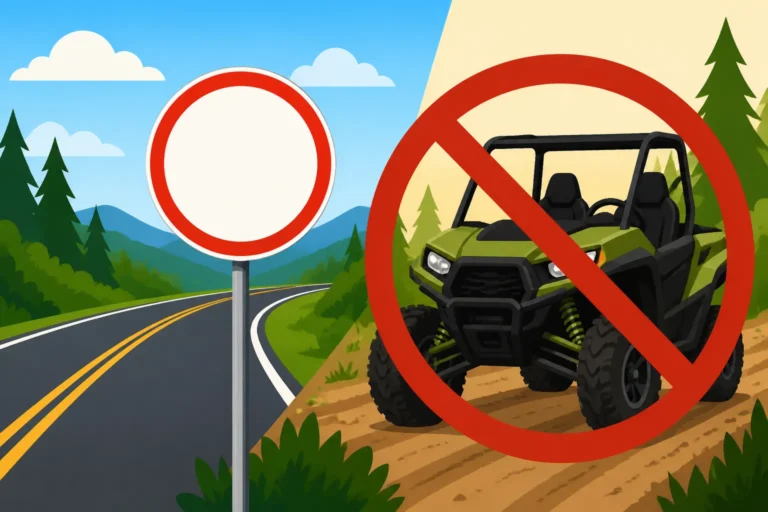
Let's be absolutely clear: climbing over, riding around, or attempting to break through a locked timber company gate is trespassing. This is private property, and unauthorized entry is illegal. The consequences can range from a simple warning to significant fines, impoundment of your machine, or even criminal charges, depending on the severity of the act and the specific laws in Washington State. Imagine getting a citation or having your prized UTV seized far from home – that’s a costly and miserable end to a riding trip. [Washington Fines for an Unregistered WATV] can be steep, and fines for trespassing or property damage can be even higher.
Beyond legal trouble, damaging a gate, a lock, or any other property is a serious offense. This isn't just a matter of replacing a cheap lock; these gates can be substantial, and repairs are costly. When you damage property, you open yourself up to civil lawsuits from the timber company to cover repair costs, lost revenue from work stoppages, and even punitive damages. It also severely erodes the trust between landowners and the recreational community. Every instance of damage or illegal entry makes it harder for responsible riders to gain access in the future, as companies become even more protective and less willing to consider opening gates or granting permits. Your actions reflect on every other rider.
Avoiding Dangerous Situations
Those gates are often there for your safety, even if it doesn't feel like it in the moment. Blasting around a gate could put you directly into an active logging operation. Picture this: you're riding along a quiet forest road, and suddenly you're face-to-face with a massive log truck barreling down a steep grade, or a feller buncher swinging heavy timber. These situations are incredibly dangerous. Logging equipment is huge, slow to maneuver, and operators might not expect recreational vehicles in their work zone. They are focused on their job, not on dodging an unexpected side-by-side.
Moreover, conditions on active timberland roads can be hazardous. They might be slick with mud, deeply rutted by heavy equipment, or have unstable shoulders due to recent work. You could also encounter falling trees, temporary hazards like stumps or debris, or even unguarded excavations. These aren't trails designed for recreational enjoyment but for industrial work. By respecting the closed gate, you’re not just avoiding legal trouble; you’re potentially saving yourself from a serious accident or injury in a remote area where help might be hours away. Always prioritize safety over the desire to continue your ride.
The Ramifications for All Riders
Perhaps the most damaging long-term effect of illegal access or property damage is the negative impact it has on the entire ATV/UTV riding community. When a timber company experiences trespassing, vandalism, or safety incidents due to unauthorized recreational use, their immediate response is often to increase security, implement stricter closures, and become less receptive to future requests for access. This means fewer opportunities for everyone.
Every time a gate is breached, it reinforces a negative stereotype of off-road riders as irresponsible thrill-seekers who disregard rules and private property. This makes it incredibly difficult for organizations and individuals who work tirelessly to establish [Getting a Gate Key From a Timber Company] and maintain positive relationships with landowners to open up new trails or preserve existing access. The actions of a few can literally shut down miles of potential riding opportunities for many. It's crucial for us all to be good stewards of the land and ambassadors for our sport, ensuring that future generations can also experience the joy of riding Washington's amazing back country. Respect for private land is paramount if we want to secure future access.
Legitimate Ways to Seek Access to Timberland
While encountering a locked gate can feel like the end of the road, it's not always a permanent "no." There are legitimate, respectful, and often successful ways to gain access to timber company lands, or at least to identify alternative routes. It just takes a little homework and a willingness to engage respectfully with landowners.
Identifying the Landowner
The first step in seeking access is knowing who owns the land. You can't ask for permission if you don't know who to ask! In Washington, county assessor's offices maintain publicly accessible parcel maps, often available online. Websites like your county's GIS (Geographic Information System) portal can allow you to zoom in on a specific location and click on a parcel to see the owner's name. Larger timber companies, such as Weyerhaeuser, Green Diamond Resource Company, or Olympic Resource Management, will often be listed. Sometimes, smaller, local timber outfits own tracts as well.
Once you identify the company, a quick online search can usually provide contact information – a general inquiry line, a land use department, or a public access coordinator. Be prepared to be polite, clear, and concise in your communication. You're making an impression for all riders. Knowing the exact location you wish to access (e.g., specific road names, GPS coordinates, or parcel numbers) will make their job much easier in helping you. It's also worth noting that sometimes the land might not be owned by a timber company, but by the Department of Natural Resources (DNR) or other public entities, which have different rules for access, as detailed in resources like [Washington Trail Maps From DNR].
Obtaining a Permit or Permission
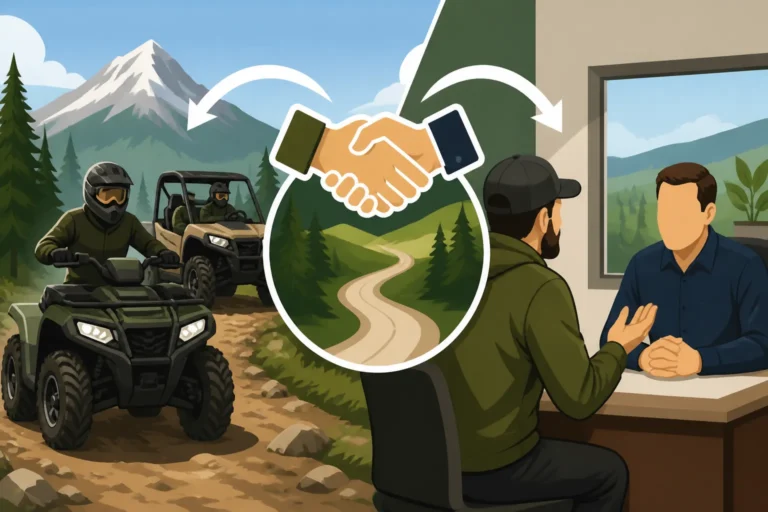
Many timber companies, recognizing the public's desire to access their lands for recreation, offer various forms of permits or managed access programs. These can range from annual permits for a fee to free, seasonal day-use permits. The type of permit, its cost, and the areas it covers will vary significantly by company and location. Some companies might only offer access for specific activities like hunting or hiking, while others might include motorized recreation.
When contacting them, clearly state your intent: you're an ATV/UTV rider interested in accessing their roads for recreational purposes. Ask about their permit programs, specific rules (e.g., [Washington Rules for Riding Private Timberland], fire restrictions, seasonal closures), and any restrictions on machine types or widths. Be prepared to follow all their rules strictly. Remember, obtaining a permit means you've entered into an agreement to respect their property and guidelines. Some companies may provide a specific gate key or a combination for locks if you have an active permit, which is far better than trying to guess a combination or, worse, break in.
Looking for Designated Public Access Points
Not all roads on timber company land are completely off-limits. Some roads might be part of easements or agreements that allow public access, especially if they lead to state or federal lands beyond the private property. The Washington Department of Natural Resources (DNR) and other public land management agencies often have maps or online resources that denote public access roads, even if they traverse private timberland. These access points are typically clearly marked with signage indicating public use.
For instance, certain "Green Dot" roads, managed by the Washington Department of Fish and Wildlife (WDFW), are designed to provide dispersed recreational access for hunting and other activities, and some of these may run through private timber holdings with an agreement. It's crucial to consult up-to-date maps from the DNR or Forest Service, in conjunction with county parcel maps, to understand which roads truly are public. Don't assume. Always check. If you're looking for open roads, focus on resources like [Where to Ride an ATV in Washington] which often highlight areas with established public access.
Utilizing Commercial Services
If navigating permits and land ownership feels too complicated, or if direct access is simply not available for your desired area, consider using commercial services. Many guided tour operators, particularly those specializing in ATV or UTV tours, have established relationships and access agreements with private timberland owners. They’ve often secured the necessary permits and insurance to operate on these lands, providing a hassle-free way for you to experience otherwise closed areas.
Additionally, some private landowners or outfitters might lease access to their property for recreational use. This could be a seasonal lease for hunting or a specific arrangement for groups of riders. While these options often come with a cost, they guarantee legitimate access and often come with the benefit of local knowledge and well-maintained trails. This is also where investing in reliable equipment, like robust winches from SuperATV, becomes even more valuable, ensuring you're prepared for whatever these managed trails might throw your way, without ever needing to rely on unauthorized access.
What to Do If You Encounter an Unexpected Locked Gate
Even with the best planning, sometimes you hit an unexpected snag. A gate that was open last year might be locked now, or a map might be slightly out of date. It happens. The key is how you react to it.
Safely Turn Around and Re-route
The moment you realize a gate is locked and you don't have explicit permission or a permit, the correct action is to stop, safely turn your machine around, and re-route. Do not try to force your way through, go around, or park outside the gate and walk in. This is not only illegal but also disrespectful to the landowner. Take a deep breath, accept the change in plans, and start looking for an alternative.
This is where good preparation comes in handy. Always have a backup plan, or at least a flexible mindset. Have your [Washington Trail Maps From DNR] handy, either on paper or a reliable GPS device with downloaded maps. Sometimes, a short detour can lead you to another open area or a different trail system. It's a bummer, for sure, but responsible recreation means adapting to the circumstances and respecting property boundaries. Think of it as an unexpected challenge that leads to discovering a new favorite spot!
Checking Your Maps and Resources
When you encounter a locked gate, use it as a moment to double-check all your available resources. Pull out your detailed maps – DNR maps, Forest Service maps, or a robust GPS app. Look for alternative routes that are clearly marked as public access. Pay close attention to land ownership lines. Many mapping apps can overlay parcel data, allowing you to confirm if you're on private or public land. Products like those from SuperATV, known for their durable accessories, can sometimes include robust GPS mounting solutions, keeping your navigation tools secure and accessible when you're checking your bearings on the trail.
Cross-reference your physical maps with any digital resources you have. Sometimes, roads change status, or temporary closures are put in place due to weather, logging, or fire danger. Websites for the Washington Department of Natural Resources (DNR), the Forest Service, or even specific timber companies often have alert systems or updated maps showing closures. A quick check of your phone (if you have service) or a pre-downloaded map can save you from further frustration and guide you to an open trail. Remember, the goal is always to ride legally and safely.
Reporting Issues or Concerns
In rare cases, you might encounter a locked gate on what you know to be a designated public access road or an established easement. If you have clear evidence (e.g., official maps, signage you've seen previously) that a road should be open to the public but is blocked by a locked gate, you might consider reporting it. However, exercise caution and verify your information thoroughly first.
Do not confront anyone at the gate or try to take matters into your own hands. Instead, note the exact location (GPS coordinates are best), the name of the road, and any identifying features of the gate. Then, contact the relevant authority – this could be the county road department, the local DNR office, the Forest Service, or even the timber company itself if you can confirm it's their gate. Provide them with the details and ask them to investigate. It's possible it's a mistake, a temporary closure you weren't aware of, or an unauthorized blockage. By reporting it calmly and with accurate information, you're helping to maintain public access where it's legally established, contributing positively to the riding community.
Disclaimer
This article is for general informational purposes only and does not constitute professional advice. Laws, prices and regulations vary by location and change over time. Consult a qualified professional for guidance on your specific situation.