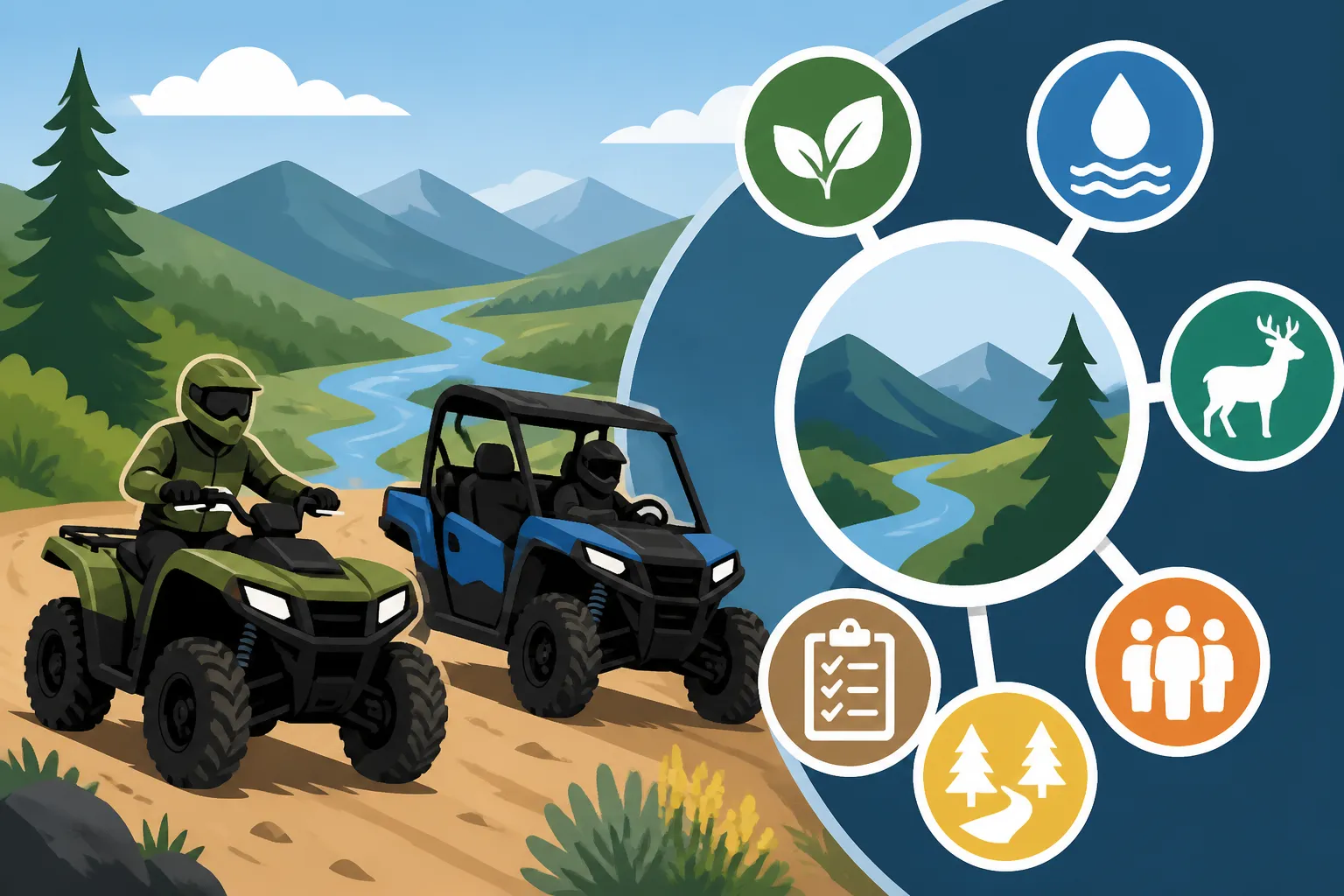
What the Methow Working Group Is Studying
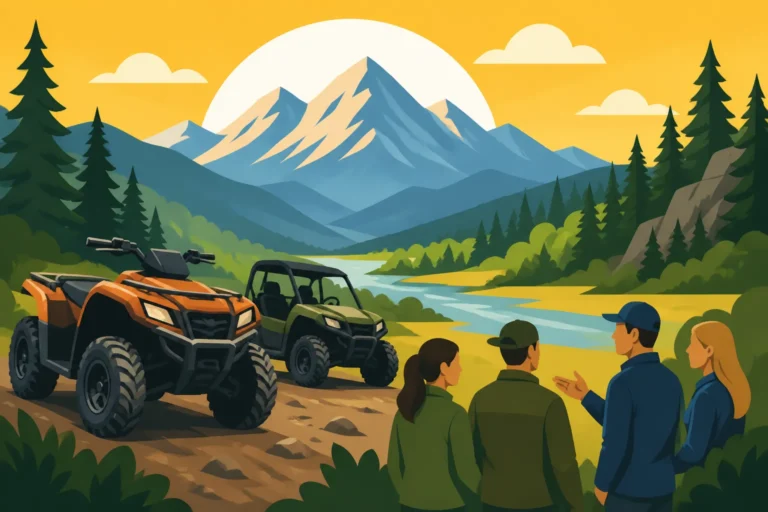
The desire to explore Washington's stunning natural beauty on a quad or side-by-side is a powerful draw, but navigating the complex web of local regulations, especially in areas like the Methow Valley, can be incredibly frustrating. Many riders feel caught between the thrill of the open trail and the uncertainty of where they can legally ride. This guide will shine a light on the Methow Working Group, detailing exactly what they're studying to hopefully pave a clearer path for off-road vehicle enthusiasts in this treasured region.
Understanding the Methow Working Group's Mission
When it comes to allowing off-road vehicles (ORVs) on public roads and trails, especially in highly scenic and ecologically sensitive areas, local communities often grapple with balancing recreation, conservation, and the diverse interests of residents and visitors. The Methow Valley is one such place, famous for its beauty and a wide array of outdoor activities. This is precisely why the Methow Working Group was formed: to delve into these complexities.
The Genesis of the Group
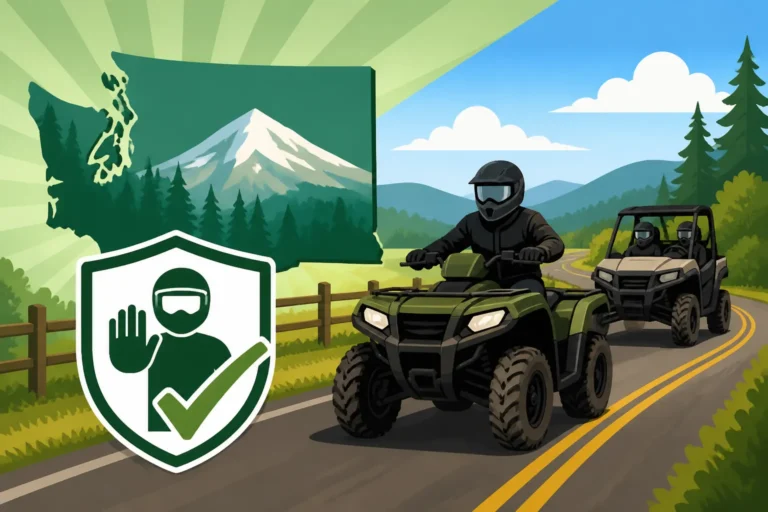
The Methow Working Group didn't just appear out of nowhere; it's a direct response to a statewide law that opened certain county roads to what Washington calls "wheeled all-terrain vehicles" or WATVs. While the state laid out the general framework, it gave counties the power to decide which specific roads within their jurisdiction would be open, closed, or restricted. For many rural counties, this was a straightforward process, but for areas like the Methow Valley, with its strong conservation ethic, existing recreation infrastructure, and robust tourism economy built on non-motorized sports, the decision became far more intricate. The Methow Working Group emerged as a way for the local community to thoroughly examine the implications before any major changes were made to road access for WATVs. Their goal is to ensure that any decisions made are well-informed, consider all perspectives, and ideally lead to sustainable solutions for everyone who wants to enjoy the valley.
Who Sits at the Table?
One of the strengths of any working group lies in the diversity and representation of its members. The Methow Working Group aims to bring together a wide spectrum of voices to ensure that all angles are considered. Typically, such groups include representatives from various sectors. You'll often find local government officials, like county commissioners or planning department staff, who understand the legal and administrative aspects. Importantly, there are representatives from different recreational user groups – this includes ORV advocates who are keen to see more access, but also non-motorized groups such as hikers, equestrians, and cyclists, who want to ensure their experiences aren't negatively impacted. Environmental conservation organizations and land managers, such as the Department of Natural Resources (DNR) or the Forest Service, also play a crucial role in providing expertise on ecological impacts and land use. Local business owners, particularly those in tourism or powersports, contribute insights into economic effects. Sometimes, individual community members, just concerned citizens, are also invited to share their unique perspectives. This multi-stakeholder approach ensures that the eventual recommendations are robust and have considered the full impact on the community and environment.
Navigating the Unique Landscape of the Methow Valley
The Methow Valley isn't just any rural area in Washington; it's a place with a distinct identity, shaped by its stunning natural beauty, a vibrant tourism industry, and a community deeply invested in its future. This unique character means that any discussion about expanding ORV access is met with a level of scrutiny and passion that might not be found elsewhere. Understanding these nuances is key to appreciating the challenges the Methow Working Group faces.
A Tapestry of Recreation and Conservation
Imagine a place where world-class cross-country skiing trails wind through pristine winter landscapes, giving way to mountain biking and hiking paths in the summer that draw visitors from around the globe. That's the Methow Valley. Its identity is deeply intertwined with outdoor recreation, much of it quiet and non-motorized. You have hundreds of miles of trails for hiking, horseback riding, and cycling, as well as renowned fishing spots along the Methow River. The valley is also a gateway to vast wilderness areas, national forests, and state trust lands, each with its own specific rules and management objectives. The challenge for the Working Group is to weave ORV access into this already rich tapestry without unraveling the threads that make the valley so special. It's not just about finding space for ORVs; it's about doing so in a way that respects existing uses, minimizes conflicts, and preserves the serene natural experience that so many cherish. This balance is incredibly delicate and requires thoughtful consideration of where and how ORVs fit into the broader recreational landscape.
Community Voices and Diverse Interests
Go to any community meeting in the Methow Valley when a topic like ORV access is on the agenda, and you'll immediately understand the passion and diversity of opinions that exist. On one side, you have ORV enthusiasts, many of whom are local residents, who simply want more opportunities to enjoy their machines, whether for recreation or to access remote areas for hunting or fishing. They often point to the economic benefits that ORV tourism can bring and the fact that they pay their taxes and registration fees, such as the [Washington Off-Road Tab Cost] and [Washington On-Road Tab Cost], which contribute to trail maintenance.
On the other side, you find residents and visitors who are concerned about noise pollution, dust, safety on shared roads, and potential impacts on wildlife or water quality. These individuals often prioritize the quiet enjoyment of nature and worry that increased motorized use could degrade the very qualities that attract people to the Methow. This isn't just about different hobbies; it's often about deeply held values regarding land use, community character, and environmental stewardship. The Methow Working Group must navigate these strong, often opposing, viewpoints, seeking common ground and trying to find solutions that can gain broad community acceptance. It's a testament to the community's engagement that these discussions are so robust and comprehensive.
Key Areas of Focus: What the Group is Studying
The core mission of the Methow Working Group is to thoroughly investigate all facets of WATV use in the valley. This isn't a simple "yes or no" question; it involves a deep dive into specific issues to create a comprehensive understanding before making any recommendations. Their studies cover a range of critical topics, from how machines will interact with existing infrastructure to their impact on the environment and the local economy.
Balancing Road Access and Trail Connectivity
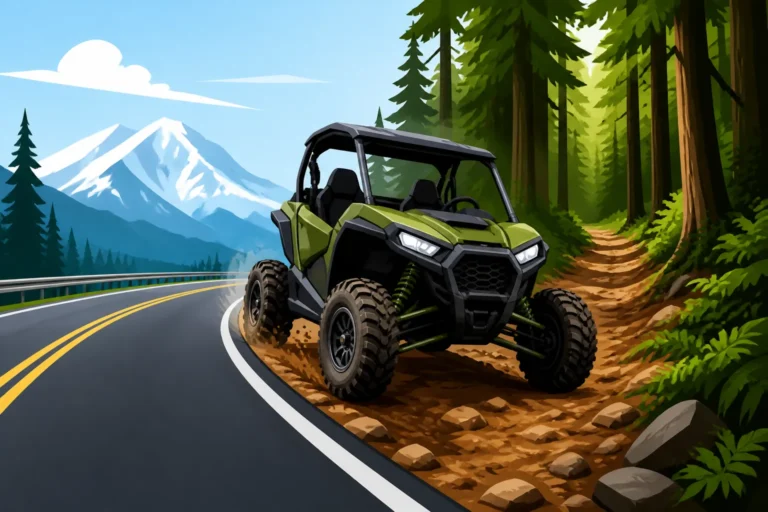
One of the most immediate and tangible issues the group is grappling with is determining which specific roads, if any, should be open to WATVs. The state law allows counties to designate roads, and the Working Group is meticulously reviewing county roads throughout the valley. This involves looking at road classification, speed limits, traffic volume, and proximity to residential areas or sensitive sites. It's not just about opening a road; it's about strategically linking existing off-road trails to create a more cohesive and enjoyable riding experience. Imagine being able to ride your machine, perhaps outfitted with durable accessories from a brand like SuperATV, from your cabin to a trailhead without having to trailer it, or connecting two different trail systems that are currently separated by a short stretch of pavement. This could dramatically enhance the utility and enjoyment of ORVs for many.
However, this also presents challenges. Opening roads means ensuring public safety for all users, including drivers of cars and trucks, cyclists, and pedestrians. It requires careful consideration of posted speed limits and the physical characteristics of the roads. The group is exploring how to implement new signage, what [Washington Rules for Riding a County Road] would apply, and how to educate both ORV operators and other road users about sharing the space safely. They are also looking at how to connect trails across different land ownerships, such as DNR land, national forest land, and private timberland, which can have varying regulations.
Environmental Stewardship and Sound Management
The Methow Valley is renowned for its natural beauty and ecological significance. Therefore, any discussion about increased motorized access inevitably brings environmental concerns to the forefront. The Working Group is rigorously studying potential impacts on wildlife, particularly during sensitive migration or nesting seasons. This includes looking at habitats for species like deer, elk, and various bird species. They are also examining the effects on air and water quality, considering dust generated from gravel roads and potential runoff into sensitive waterways. Noise is another significant factor, especially for residents living near proposed ORV routes or for users of quiet recreational trails.
To address these concerns, the group is exploring various mitigation strategies. This might include seasonal closures of certain roads or trails to protect wildlife, implementing [Washington Sound Limits on Public Land] to reduce noise pollution, or establishing designated staging areas that minimize environmental disturbance. They are also considering best management practices for trail maintenance and erosion control, which are crucial for the long-term health of the ecosystem. The goal is to ensure that any expansion of ORV opportunities is done in an environmentally responsible manner, upholding the valley's commitment to conservation while still allowing for diverse recreational uses.
Economic Implications and Community Impact
Beyond recreation and environmental concerns, the Methow Working Group is also delving into the economic ripple effects of potential changes to ORV access. For many small, rural communities, outdoor recreation, including motorized sports, can be a significant economic driver. The group is studying whether increased ORV tourism could bring new revenue to local businesses, such as gas stations, restaurants, lodging providers, and powersports dealerships selling parts and machines. They might analyze how many visitors specifically come for ORV riding, how much they spend, and how this compares to existing tourism revenue from other activities.
Conversely, the group is also considering potential negative economic impacts. If increased ORV use leads to conflicts with other user groups, or if it detracts from the quiet, pristine image that attracts a different segment of tourists, it could potentially harm existing tourism businesses. They are also looking at the cost implications for the county, such as expenses for road maintenance, enforcement of new regulations, and emergency services. From a community impact perspective, the group is weighing how changes might affect quality of life for residents, including considerations like traffic congestion, noise levels, and the overall character of the valley. Understanding these complex economic and social dynamics is vital for making recommendations that support a healthy and vibrant Methow Valley for all.
What Could the Future Hold? The Group's Potential Influence
The work of the Methow Working Group isn't just an academic exercise; it has very real implications for how residents and visitors will be able to experience the Methow Valley in the years to come. Their findings and recommendations are designed to inform policy and shape the future of ORV use, balancing various interests to create sustainable solutions.
Crafting Recommendations for Policy Makers
Once the Methow Working Group has completed its thorough studies, its primary output will be a comprehensive set of recommendations. These aren't legally binding decisions, but rather expert guidance for local governing bodies, primarily the Okanogan County Commissioners. These recommendations will likely outline specific proposals for road designations, suggesting which [Washington Rules for Riding a City Street] or county roads should be open, conditionally open, or remain closed to WATVs. They might propose specific routes for [Washington Rules for Riding a Forest Road] or suggest areas where [Washington Rules for Riding a Logging Road] could be utilized more effectively.
The recommendations will also detail mitigation measures for environmental impacts, traffic management strategies, and public education campaigns. For example, they might suggest specific times of year certain areas should be off-limits, or propose partnerships with local ORV clubs to help with trail maintenance. The process of [Asking a County to Open a Road] or modifying existing regulations often begins with such detailed studies. These recommendations provide the commissioners with the data and community input they need to make informed decisions that aim to serve the best interests of the entire Methow Valley community, considering both access and preservation.
The Road Ahead for ORV Enthusiasts
For those who love to explore Washington on their ATVs and UTVs, the outcome of the Methow Working Group's efforts could significantly shape their riding opportunities in one of the state's most beautiful regions. If the group recommends opening certain county roads or establishing connecting routes, it could lead to expanded access and a more seamless riding experience. This might mean new opportunities for destination riding, where you can link trails and roads, making longer journeys possible without the constant need to trailer your machine. Riders might also find it easier to access remote hunting or fishing spots, or simply enjoy scenic drives through the valley on their machines. Equipping a machine for this kind of diverse use, with components for both trail and potential road riding from companies like SuperATV, would be a wise investment.
However, even with expanded access, it's crucial for riders to remember that any new rules will likely come with responsibilities. This could mean stricter adherence to speed limits, noise regulations, and staying on designated routes. The group's work is ultimately about creating a sustainable future for ORV use in the Methow, which means riders need to be good stewards of the land and respectful of other users. Being aware of and adhering to guidelines like [Washington Width Limits on a Forest Trail] and understanding the full scope of [Washington ORV Permits Explained] will be more important than ever. The aim is for a future where ORV enthusiasts can enjoy the Methow Valley's incredible landscapes while ensuring its long-term health and beauty for everyone.
| Area of Study | Key Considerations | Potential Impact on ORV Riders |
|---|---|---|
| Road Access & Connectivity | County road designations, speed limits, traffic, existing trail links, safety. | More legal routes, ability to link trails, safer shared use. |
| Environmental Stewardship | Wildlife impacts, air/water quality, noise pollution, erosion, habitat protection. | Seasonal closures, sound limits, designated routes, environmental awareness. |
| Economic Implications | Tourism revenue, local business impact, county costs, property values. | Increased local services (fuel, food), potential for new ORV-focused businesses. |
| Community Impact | Quality of life for residents, noise levels, perceived safety, recreational conflict. | Clearer rules for all users, reduced conflict, better community relations. |
Disclaimer
This article is for general informational purposes only and does not constitute professional advice. Laws, prices and regulations vary by location and change over time. Consult a qualified professional for guidance on your specific situation.