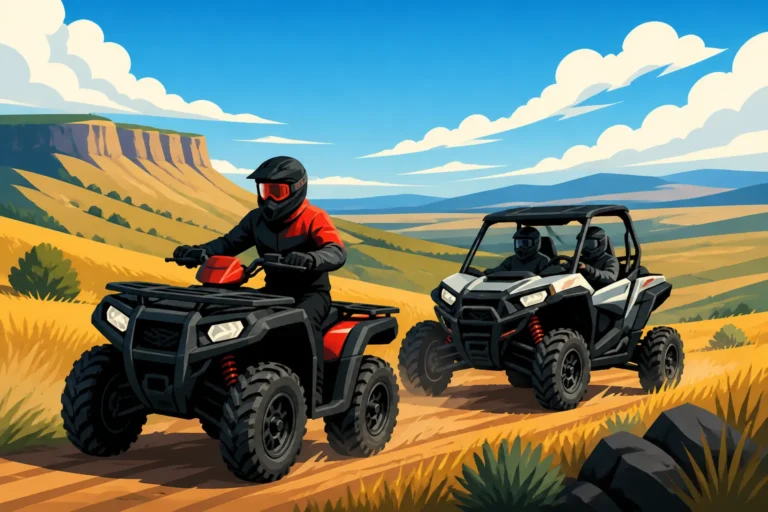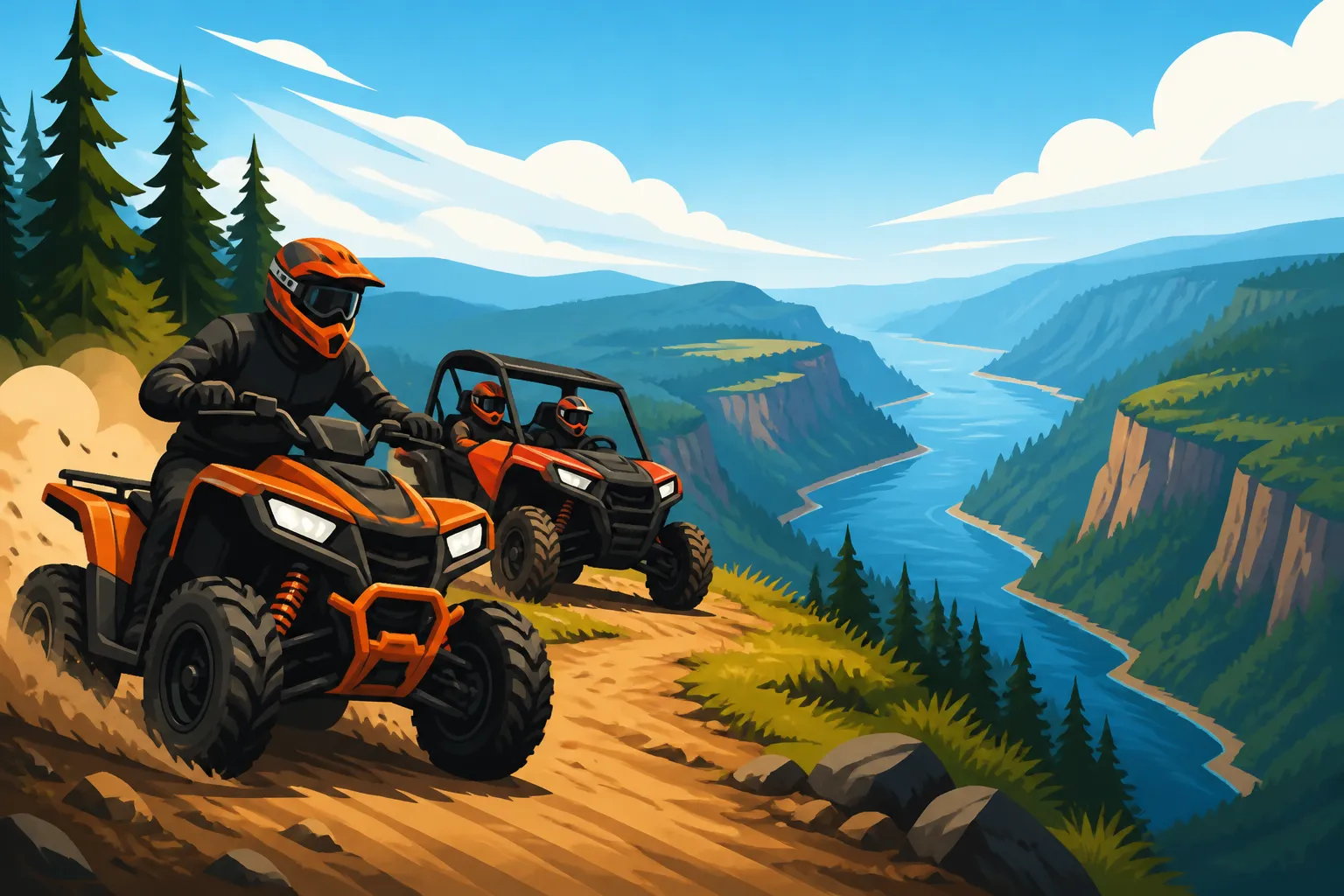
Riding Stevenson in the Gorge
The dream of riding your ATV or UTV through the majestic Columbia River Gorge, with Stevenson, Washington as your base, is incredibly appealing. The dramatic basalt cliffs, the winding river, the sheer natural beauty – it’s a landscape begging to be explored. However, the excitement of hitting the road can quickly turn into frustration if you don't understand the specific local rules that govern off-road vehicle (ORV) use on pavement. This comprehensive guide will walk you through the ins and outs of legally riding your WATV (Wheeled All-Terrain Vehicle) on the streets and county roads in and around Stevenson, ensuring your adventure is both thrilling and compliant.
Navigating Stevenson's WATV Road Access
Stevenson, like many smaller communities in Washington state, presents a unique blend of open access and specific restrictions for WATVs on public roads. It's not a free-for-all, but it's also not entirely prohibitive, making it a popular spot for riders who want to transition from trail to town or connect different riding areas. The key to a hassle-free experience lies in understanding the local ordinances and how they interact with state law. You can't just assume every road is open, especially in such a scenic and often busy area.
First and foremost, remember that Washington state law allows counties with populations under 15,000 to designate all their non-highway roads as open to WATVs by default, unless specifically closed. Skamania County, where Stevenson is located, falls into this category. This means a significant portion of the county's road network, outside of state highways, can generally be used by WATVs, provided your machine is properly equipped and you follow all the rules. This is a huge advantage for riders compared to more populated counties that must explicitly opt-in to allow WATV access.
However, "generally open" doesn't mean "everywhere, always." Cities and towns within these counties, like Stevenson itself, have the authority to pass their own ordinances regarding WATV use on city streets. While Stevenson is known for being relatively friendly to WATVs, it's crucial to be aware of any specific city limits or designated routes. You might find that while county roads surrounding the city are open, certain main thoroughfares or residential areas within Stevenson have tighter controls. Always look for signage or check the city's official website for the most current information. The last thing you want is to be halfway to your destination and encounter a "No ORV Access" sign, forcing a frustrating backtrack.
The speed limit is another critical factor. State law restricts WATV use on roads with a posted speed limit of 35 mph or less. While many county roads in the Gorge area will fit this criterion, you'll need to be vigilant. Just because a road starts out at 35 mph doesn't mean it stays that way. A sudden change to 40 mph or higher means you need to exit the paved surface immediately, or risk a citation. This 35 mph rule is non-negotiable and applies statewide, so keep a keen eye on those speed limit signs, especially as you travel between different sections of the Gorge. It’s easy to get caught up in the scenery and miss a crucial detail like a changing speed limit.
Crossing state highways also comes with its own set of rules. You can't just cruise down a state highway on your WATV. Generally, you're allowed to cross a state highway at an intersection where traffic is controlled by a stop sign or traffic signal, or at an uncontrolled intersection if you have clear visibility. The key here is crossing only, not riding down the highway. State law also dictates that you can cross a highway with a speed limit up to 60 mph, but again, this is strictly for crossing, not for riding on the highway itself. Always be extra cautious when crossing, as highway traffic moves much faster and drivers might not expect an ORV. For more on navigating these intersections, check out [Washington Rules for Getting Across a Road].
Equipping Your WATV for Street Legal Riding in Washington
So, you've got your eyes on Stevenson's roads, and you understand the local access nuances. That's a great start! But before you roll onto any paved surface, your WATV needs to be properly equipped to meet Washington's street-legal requirements. This isn't just about avoiding a ticket; it's fundamentally about safety for yourself, your passengers, and other drivers sharing the road. It can feel like a lengthy checklist, but each item serves a vital purpose.
Let's break down the essential gear:
-
Headlights and Taillights: This might seem obvious, as most machines come with these for trail riding. However, for road use, your headlights must be capable of illuminating the road for at least 200 feet, and your taillights must be visible from 500 feet. If you plan on riding after dusk or before dawn, or even in inclement weather, these need to be in perfect working order. Many riders choose to upgrade their stock lighting for better visibility and safety, especially if they spend a lot of time on back roads. You can find robust lighting kits from companies like SuperATV that not only look good but significantly improve your visibility to others. For a deeper dive, read [Washington Lighting Requirements for WATVs].
-
Turn Signals: This is a big one, and often an aftermarket addition for many off-road machines. Just like a car, you need front and rear turn signals that are visible and clearly indicate your intention to turn or change lanes. Without them, hand signals are technically legal, but they can be incredibly difficult to see, especially from a distance or in traffic. Installing a proper turn signal kit is highly recommended for road use and will be a requirement for passing a safety inspection.
-
Mirrors: You need at least one rear-view mirror, mounted to provide a clear view of the road behind you for at least 200 feet. Many riders opt for two mirrors (one on each side) for enhanced situational awareness, which is always a good idea when sharing roads with larger vehicles. Again, SuperATV offers a range of mirrors designed for WATVs that are durable and easy to install. Don't skimp on visibility; knowing what's behind you is just as important as knowing what's ahead. Learn more about this specific requirement in [Washington Mirror Requirements for Road Use].
-
Horn: A working horn that emits a sound audible under normal conditions from a distance of 200 feet is mandatory. This is your primary way of alerting other drivers or pedestrians to your presence. A polite toot can prevent an accident, especially on winding roads or at blind intersections common in the Gorge.
-
Windshield or Eye Protection: You must have either a windshield or wear adequate eye protection (like goggles or a full-face helmet visor). This protects you from road debris, insects, and the elements, ensuring clear vision while riding. Most helmets will provide this, but if you're riding a utility vehicle without a full cab, a windshield is often a preferred addition for comfort.
-
Seatbelts: If your WATV is equipped with a roll cage and manufacturer-installed seatbelts, you and any passengers must use them while on public roads. This applies especially to side-by-sides. Safety is paramount, and these systems are there for a reason.
-
Spark Arrester: While primarily for fire prevention in off-road areas, a U.S. Forest Service approved spark arrester is also required for road-legal machines. This ensures your exhaust system won't inadvertently cause a wildfire, which is a serious concern in Washington's dry seasons.
-
Muffler: Your machine must have an adequate muffler to prevent excessive or unusual noise. Washington has sound limits, and while the spirit of off-roading is often about raw power, road use demands a more subdued presence.
All of these modifications will be checked during the required safety inspection. Without these items, your machine simply won't be considered road-legal, and you won't be able to get the necessary [Washington's On-Road Tab Explained] for your registration. It's an upfront investment, but it opens up a whole new world of riding opportunities, including exploring the scenic routes around Stevenson.
The Paperwork Puzzle: Registration, Licensing, and Inspection
Getting your machine physically ready is only half the battle; the other half is navigating the necessary paperwork and legalities. This is where many riders get tripped up, but with a clear understanding, it's a manageable process. You can't just add turn signals and hit the pavement; there's a specific order of operations to make your WATV truly street-legal in Washington.
Registering Your WATV: The Two-Tab System
Washington uses a [Washington's Two-Tab System] for WATVs. Every off-road vehicle ridden on public lands (trails, designated ORV areas) needs the standard [Washington's Off-Road Tab Explained]. This is your baseline registration. However, to legally ride on approved public roads, including those in and around Stevenson, you need an additional tab: the on-road tab.
To get the on-road tab, you must first have a current off-road tab. Then, you'll need to submit a [Washington Road Use Declaration Form] and pass a safety inspection. The combination of these two tabs signifies that your machine is registered for both off-road recreation and meets the additional requirements for street use. Remember, the [Washington WATV Registration Cost] will include both tabs if you opt for the road-legal option, and these must be renewed yearly.
The All-Important Safety Inspection
This is the linchpin for road legality. Your WATV must pass a safety inspection performed by an authorized inspector. This isn't just a quick once-over; the inspector will meticulously check for all the equipment mentioned earlier: headlights, taillights, brake lights, turn signals, mirrors, horn, windshield or eye protection, seatbelts (if applicable), spark arrester, and muffler. They'll also check your tires, brakes, and steering to ensure they are in safe operating condition.
The cost of this inspection is capped by state law. For details, refer to [Washington WATV Safety Inspection Cost]. It’s advisable to ensure your machine is in top shape and has all the required equipment before you take it for inspection. Many dealerships or specialized ORV shops can perform these inspections. If your machine fails, you’ll have to fix the deficiencies and have it re-inspected, which can delay your riding plans. It’s always better to be prepared.
Driver Licensing and Age Restrictions
Just like driving a car on public roads, you need a valid driver's license to operate a road-legal WATV in Washington. This is crucial; your off-road certification or training doesn't replace a state-issued driver's license for street use. If you're riding your WATV on a public road, a Washington State Patrol trooper will expect to see a valid license, just as they would from any other motorist.
There are also strict age restrictions, especially concerning passengers and younger riders. Generally, a person operating a WATV on a public road must be at least 16 years old and hold a valid driver's license. For detailed information on age requirements and supervision rules, particularly for passengers or if you're riding with younger family members, consult [Washington Rules for Riders Under 16]. Even if you’re a seasoned off-road rider, the rules shift when you hit the pavement, so make sure everyone in your party is compliant.
Carrying Your Paperwork
Always carry your WATV registration, proof of insurance (if required for road use, which it is), and your driver's license with you when riding on roads in Stevenson or anywhere else in Washington. While you might keep your off-road registration in a bag on the trail, for road use, it’s best to have it readily accessible, perhaps in a waterproof pouch. Troopers and local law enforcement can and will ask for these documents during a roadside stop. Being prepared prevents delays and potential citations.
Here's a quick overview of what you need:
| Requirement | Off-Road Use Only | On-Road Use (with Off-Road Tab) |
|---|---|---|
| WATV Tab | Required (Off-Road) | Required (Off-Road + On-Road) |
| Road Use Declaration | Not applicable | Required (for On-Road Tab) |
| Safety Inspection | Not applicable | Required |
| Driver's License | Not required (age/training rules apply) | Required (valid driver's license) |
| Insurance | Recommended | Required (for street-legal machines) |
| Headlights | Required | Required (DOT compliant, 200ft visibility) |
| Taillights | Required | Required (DOT compliant, 500ft visibility) |
| Turn Signals | Not required | Required (front & rear) |
| Mirrors | Not required | Required (at least one, 200ft rear visibility) |
| Horn | Not required | Required (audible 200ft) |
| Windshield/Eye Prot. | Eye protection generally recommended | Required (windshield or eye protection) |
| Seatbelts | If equipped, recommended | If equipped, required |
| Spark Arrester | Required | Required |
| Muffler | Required (to prevent excessive noise) | Required (to prevent excessive/unusual noise) |
| Helmet | Required for all riders | Required for all riders [Washington Helmet Law for WATV Riders] |
By tackling these administrative and equipment requirements systematically, you'll be well on your way to experiencing the stunning beauty of the Columbia River Gorge from the seat of your legally operating WATV. It requires a bit of effort, but the payoff of seamless transitions from trail to town and back again is absolutely worth it for an unforgettable adventure.
Riding Through the Gorge: Practical Tips for Stevenson and Beyond
Once your WATV is street-legal and all your paperwork is in order, the real fun begins: exploring the incredible landscape around Stevenson. The Columbia River Gorge is a treasure trove of scenic drives, charming small towns, and access points to some fantastic trail systems. However, riding here, especially on mixed-use roads, requires an extra layer of awareness and responsibility.
Share the Road (Respectfully!)
The roads around Stevenson and throughout the Gorge are shared by many different types of users: tourists in RVs, local commuters, bicyclists, and even other ORV riders. It's crucial to maintain a respectful and courteous attitude. Don't hog the road, be mindful of your speed, and always yield the right-of-way when appropriate. Wave to locals, be patient with slower traffic, and understand that while you might be on an adventure, others are just trying to get where they need to go. Your positive interactions contribute to the community's overall perception of ORV riders. Remember, good behavior helps ensure that communities like Stevenson continue to welcome WATVs on their roads.
Watch for Changing Conditions
The Gorge weather can be unpredictable. You might start your day under sunny skies, only for fog or a sudden rain shower to roll in, particularly in the fall and winter months. These conditions can quickly make paved roads slick and reduce visibility. Always ride within your capabilities and adjust your speed and following distance accordingly. If you're using aftermarket parts from a company like SuperATV, ensure they're rated for all-weather performance. If you ride frequently in wet conditions, you might want to explore specific tire compounds designed for better grip on wet pavement.
Furthermore, many of the county roads outside Stevenson transition seamlessly from pavement to gravel or dirt. While your WATV is perfectly capable of handling these changes, be prepared for them. Loose gravel on pavement can be tricky, and the transition from a smooth surface to a washboard gravel road can catch you off guard if you're not paying attention. Reduce your speed, anticipate the change, and adjust your riding style.
Connecting to Trailheads and Scenic Stops
One of the greatest advantages of a street-legal WATV in the Stevenson area is the ability to connect paved county roads to various trailheads or scenic viewpoints. This allows you to truly maximize your exploration without the constant need to trailer your machine. For instance, you might ride out from Stevenson on an approved county road, then peel off onto a forest road that leads to a hidden waterfall or a stunning vista point overlooking the Columbia River.
It’s a good practice to research your route beforehand. Local maps (physical or digital) that show open roads and trail systems are invaluable. Look for designated forest roads or Bureau of Land Management (BLM) roads that allow ORV access. While you can connect between different areas on approved paved roads, always be sure of the specific rules for the off-road sections you plan to visit. Different forests and land management agencies have their own regulations regarding permits, width restrictions, and seasonal closures. For more information on navigating various road types, see [Washington Rules for Riding a County Road].
Fuel and Supplies
Stevenson is a small town, and while it has basic amenities, planning your fuel and supply stops is crucial, especially if you're venturing further into less populated areas of Skamania County. WATVs can be thirsty machines, and running out of gas miles from the nearest station is not an ideal scenario. Always start with a full tank and consider carrying extra fuel in an approved container if your ride is particularly long or remote.
Similarly, pack essentials like water, snacks, a basic first-aid kit, and tools for minor repairs. Cell phone service can be spotty in certain parts of the Gorge, so don't rely solely on your phone for navigation or emergencies. A physical map and compass, or a GPS device with pre-loaded routes, can be a lifesaver. You might also consider investing in some good cargo boxes or bags to secure your gear, perhaps from SuperATV, which makes a variety of storage solutions perfect for extending your adventures.
Riding through Stevenson and the greater Columbia River Gorge on your street-legal WATV offers an unparalleled sense of freedom and access to some of Washington's most breathtaking landscapes. By being informed, prepared, and respectful, you can ensure your adventures are safe, legal, and truly unforgettable.
Disclaimer
This article is for general informational purposes only and does not constitute professional advice. Laws, prices and regulations vary by location and change over time. Consult a qualified professional for guidance on your specific situation.