Riding Davenport on the Prairie
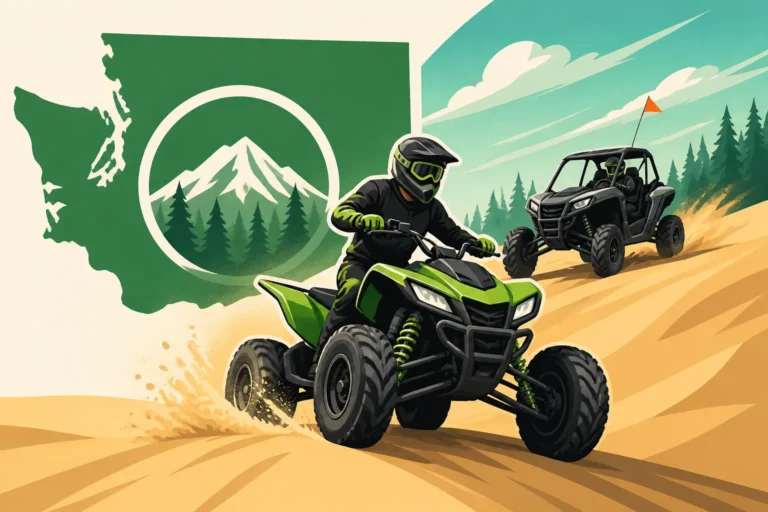
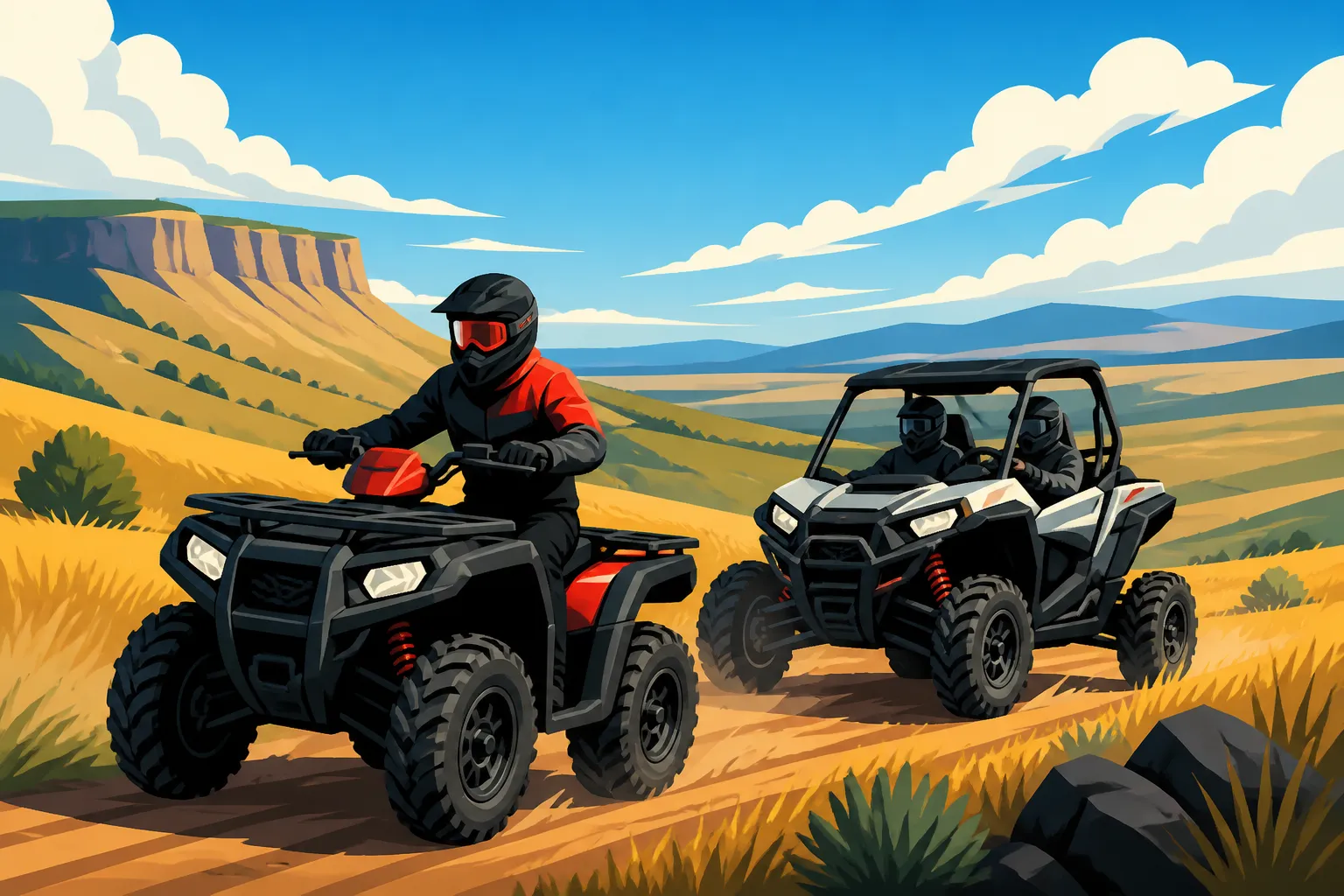
Oh, the wide-open prairie roads around Davenport, Washington! It’s such a distinct landscape compared to the deep forests of the Cascades or the rolling hills closer to Puget Sound. Many of us dream of loading up our ATVs and UTVs and just cruising those expansive, often quiet, country routes. But here’s the thing: while the idea of a breezy ride through the wheat fields is undeniably appealing, the actual rules for riding your machine on public roads can be a confusing tangle of state laws, county ordinances, and city limits. This guide is here to clear the dust, offering a comprehensive look at what you need to know to legally and safely enjoy riding your WATV on the prairie roads in and around Davenport, Washington.
Understanding Washington's WATV Road Laws in Smaller Counties
Let's start with the big picture: how Washington state law views ATV and UTV (what we call WATVs here) use on public roads. It's not a blanket "yes" or "no," which is often where the confusion sets in. For areas like Davenport, located in Lincoln County, understanding the nuances is key.
The "Open by Default" Rule for Smaller Counties
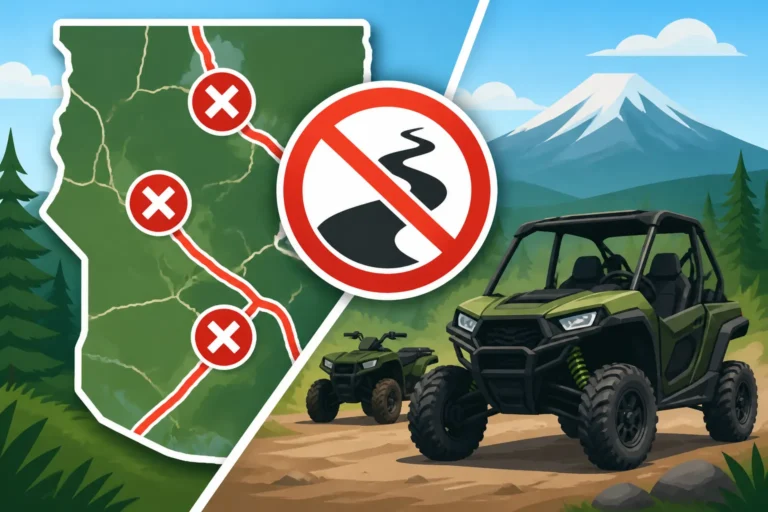
Washington State law has a particular provision that really helps out riders in more rural areas. Essentially, counties with a population of less than 15,000 residents are considered "open by default" for WATV use on their county roads. This means that if you're in a smaller county, county roads are generally open to WATV use unless the county specifically passes an ordinance to close certain roads or segments.
This is a fantastic benefit for places like Lincoln County, where Davenport is located. Many riders in larger, more populated counties face the challenge of having to advocate for their county to "opt-in" and open roads. For you, riding the prairie roads around Davenport means that many of those scenic routes are likely fair game, provided your machine meets the necessary criteria and you follow all the rules of the road. It really flips the script from "can I?" to "which ones are closed?" This is a crucial distinction and one that often surprises folks who are used to the stricter rules found in denser parts of the state. You can find more specific details on this provision by looking into [Washington Counties Under 15,000 Open by Default].
Davenport's City Streets: A Different Rulebook
While county roads might be "open by default," city streets operate under a different set of rules. A city like Davenport, even though it's in a smaller county, has the authority to regulate WATV use within its own incorporated limits. This means that even if you're cruising legally on a county road just outside town, entering Davenport's city limits could land you in hot water if the city hasn't passed an ordinance specifically allowing WATV use on its streets.
It's common for smaller towns to either explicitly open their streets, explicitly close them, or simply not have an ordinance, which often defaults to prohibiting WATV use. The best practice here is always to check with the City of Davenport directly. A quick call to their city hall or police department can save you a lot of headache. Many towns will post clear signage where the county road ends and city limits begin, often indicating specific rules for ORVs. Don't assume that because the surrounding prairie roads are open, the city streets will be too. A good resource for understanding these distinctions is [Washington Rules for Riding a City Street]. Always be aware of your surroundings and look for signs indicating city boundaries.
Equipment Requirements for On-Road Use
Even if a road is open to WATV use, whether by county default or city ordinance, your machine still needs to meet specific state-mandated equipment requirements to be street-legal. This isn't just a suggestion; it's the law, and a Washington State Trooper or county sheriff can definitely pull you over for not having the right gear. Think of it like a regular car – you wouldn't drive it without working headlights or seatbelts, right? Your WATV needs the same consideration for public road use.
Here's a quick rundown of what you'll generally need:
- Headlights and Taillights: These need to be operational, visible from specific distances, and used during low light or inclement weather.
- Brake Lights: Essential for signaling your stops to other drivers.
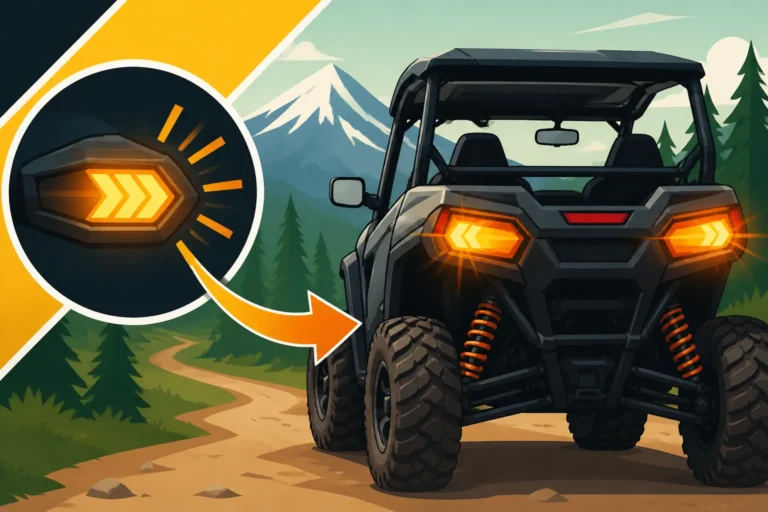
- Turn Signals: Required for clearly indicating turns, just like a car. If your machine doesn't come with them, aftermarket kits, like those from SuperATV, are a popular and effective solution for adding this critical safety feature.
- Mirrors: At least one mirror, but preferably two, giving you a clear view of traffic approaching from the rear. Again, this is an easy upgrade if your machine only came with one or none.
- Horn: A working horn is necessary to alert other drivers or pedestrians to your presence.
- Windshield or Eye Protection: If your WATV doesn't have a windshield, you (and any passengers) must wear eye protection like goggles or glasses.
- Seat Belts/Restraints: If your machine is equipped with seat belts, they must be worn. For utility vehicles, these are almost always standard.
- Spark Arrester: While primarily for off-road safety to prevent fires, a properly functioning spark arrester is often a general requirement for all ORV use, especially on public lands or roads adjacent to sensitive areas.
- Muffler: Your machine must have an adequate muffler to prevent excessive noise. This is about being a good neighbor, too!
Making sure your machine is up to snuff isn't just about avoiding a ticket; it's about your safety and the safety of everyone else sharing the road. You'll want to review the full list of requirements, which can be found in resources like [Washington WATV Road Requirements].
Navigating the Prairie Landscape Around Davenport
The prairie environment around Davenport offers a unique riding experience, distinct from the heavily treed forests or rocky mountain trails. However, this landscape comes with its own set of considerations, especially regarding land ownership and responsible riding.
Public Versus Private Land: Knowing Where You Stand
When you look out over the vast prairie around Davenport, much of what you see is likely private agricultural land. Farmers and landowners rely on these fields for their livelihoods, and trespassing with a WATV can have serious consequences, from fines to machine impoundment. It’s not just about avoiding trouble; it’s about respecting private property and the hard work that goes into farming the land.
This means you absolutely cannot just veer off a county road and start riding through someone's wheat field or pasture, no matter how tempting or open it looks. "Open by default" applies to county roads, not to the private land bordering them. Always assume land is private unless it's clearly marked as public access, such as a state forest, BLM land, or a designated ORV area. If you're ever unsure about a specific parcel, the best course of action is to research property ownership through the county assessor's office or, even better, seek explicit permission from the landowner before setting a tire on their property. Building good relationships with local landowners is key to preserving riding opportunities in rural areas.
Forest Roads and Designated Trails: Expanding Your Horizons
While Davenport itself is surrounded by prairie, this doesn't mean you're confined to only flat, open roads. Within a reasonable drive, Washington offers a variety of public lands with forest roads and designated trail systems. For example, areas managed by the Department of Natural Resources (DNR) or the U.S. Forest Service often have networks of roads that are open to WATVs, providing a different kind of riding experience with more varied terrain, elevation changes, and, of course, trees!
These forest roads might be gravel, dirt, or even paved in some sections, but they are generally distinct from traditional highways. They are primarily used for timber harvesting, recreation, and land management. If you're looking to explore more than just the flat prairie, consider checking out maps for nearby DNR-managed lands or national forests. Just remember that forest roads often have their own specific rules regarding speed limits, right-of-way (especially with logging trucks!), and seasonal closures due to weather or fire danger. A great resource to learn more is [Washington Rules for Riding a Forest Road]. While these might be a bit of a drive from Davenport, they offer a fantastic complement to prairie road riding.
Respecting Agricultural Operations
Riding in an agricultural area like Davenport means you'll be sharing the landscape with farms and farming equipment. This isn't just a courtesy; it's a safety imperative. You'll encounter large tractors, combines, and other slow-moving machinery on county roads, especially during planting and harvest seasons. These machines are often very wide and can take up an entire lane, sometimes more.
When you see farm equipment, slow down, give them plenty of space, and be patient. They might not be able to pull over easily. Dust from fields can also significantly reduce visibility for everyone, so ride cautiously, especially on unpaved roads. Be mindful of livestock – don't spook cattle or horses. And, of course, never intentionally damage crops or drive on cultivated land. Your presence as a WATV rider is a guest in this working landscape, and respecting the agricultural rhythm of the area helps ensure a positive experience for everyone.
Essential Preparations for Riding Near Davenport
Before you even think about hitting those prairie roads, a bit of prep work goes a long way. It’s not just about having a fun ride; it’s about having a legal, safe, and respectful one. Don't skip these steps!
Getting Your Machine Street-Legal
As we touched on, having an "open by default" county doesn't mean you can just roll out of your driveway and onto the county road without proper registration and equipment. Your WATV needs to be registered with the Washington State Department of Licensing (DOL) and have the appropriate tabs. For on-road use, this means you'll need the "off-road" tab and the additional "on-road" tab.
This process involves several key steps:
- Title and Registration: Your machine must first be titled in Washington in your name. Then, you complete the registration process, indicating you want both off-road and on-road privileges.
- Safety Inspection: To get that precious on-road tab, your WATV will need to pass a safety inspection by a qualified inspector. This inspection verifies that your machine has all the necessary road-legal equipment (headlights, taillights, turn signals, mirrors, horn, etc.) and is safe for highway use. There's usually a cap on how much a shop can charge for this inspection, often around $50. You can get a better sense of the costs involved by checking out [Washington WATV Safety Inspection Cost].
- Road Use Declaration: You'll also need to complete and sign a Road Use Declaration form, affirming that your WATV meets all state requirements for on-road operation.
- Displaying Tabs and Metal Tag: Once registered, you'll receive your off-road decal and an additional on-road decal (the infamous $12 tab), along with a metal license plate-like "tag" that must be affixed to the rear of your machine.
It can feel like a bit of paperwork, but it's a one-time setup for the on-road aspect (renewal is yearly for tabs). Knowing that your machine is properly equipped and registered provides immense peace of mind. Check out [Adding the $12 On-Road Tab on Top] for a deeper dive into this process.
Pre-Ride Checks and Gear
Riding the prairie around Davenport might seem less challenging than mountain trails, but you still need to be prepared. The weather can change quickly, roads can be dusty, and help might not always be just around the corner.
Before every ride, perform a thorough pre-ride inspection of your machine:
- Tires: Check air pressure and look for any damage. Proper inflation is key for handling on varied surfaces.
- Fluids: Top off oil, coolant, and brake fluid.
- Lights and Horn: Test all your road-legal lights and your horn to ensure they are working.
- Brakes: Check brake function and feel.
- Fuel: Make sure you have enough fuel for your planned route, plus a little extra for emergencies.
- Loose Parts: Give your machine a quick once-over to ensure nothing is loose or rattling.
Beyond the machine, think about what you need to carry:
- Helmet: Always wear a DOT-approved helmet, even if you're just on a gravel road. It's a non-negotiable safety item and often legally required for on-road use in Washington. [Washington Helmet Law for WATV Riders] provides details.
- Eye Protection: Goggles or a full-face helmet visor are a must, especially given the potential for dust on prairie roads.
- Driver's License and Registration: Always carry your valid driver's license (required for on-road WATV use) and your WATV registration. Keep the registration in a waterproof bag or container on your machine. [Carrying the Registration in the Machine] is a good read on this.
- Tools and Repair Kit: A basic toolkit, tire repair kit, and perhaps a small air compressor are good ideas.
- First-Aid Kit: For minor scrapes or emergencies.
- Water and Snacks: Hydration is crucial, especially on long, sunny rides.
- Navigation: A GPS device or a reliable map (digital or paper) can prevent you from getting lost, especially if you venture onto less-traveled county roads.
- Communication: A fully charged cell phone is important, but remember that service can be spotty in rural areas. Consider a satellite messenger for true emergencies.
- Winch and Recovery Gear: While not always necessary for prairie roads, a winch can be invaluable if you get stuck in mud or a ditch, especially if you've added an aftermarket bumper or other accessories from a company like SuperATV.
Checking Local Ordinances and Maps
This might sound like a chore, but it’s probably the most important step for a stress-free ride near Davenport. As mentioned, while Lincoln County roads are generally "open by default," counties can still designate specific roads as unsuitable for WATV use.
Before you go, check the Lincoln County website for any official lists or maps of roads that are closed to WATV traffic. This information is typically published by the county Public Works department. Similarly, if you plan to enter Davenport's city limits, check their municipal code or contact city hall for their specific ordinance on WATV use on city streets.
Don't rely solely on old maps or hearsay. Laws and ordinances can change, and what was open last year might be closed this year. A quick check online or a phone call can save you from a potential citation and ensure you're riding legally and responsibly.
Safety and Etiquette on Washington's Prairie Roads
Riding WATVs on public roads, even quiet county roads, means sharing the space with other users. Being safe, courteous, and environmentally conscious ensures that these riding opportunities remain open for everyone.
Sharing the Road with Others
The prairie roads around Davenport are used by a variety of traffic, not just other WATV enthusiasts. You'll encounter cars, trucks, bicycles, pedestrians, and as discussed, large farm equipment.
- Stay Right: Always stay to the right side of the road, just like any other vehicle.
- Signal Clearly: Use your turn signals (that you've diligently installed, perhaps with a kit from SuperATV) well in advance to indicate your intentions.
- Maintain Safe Distances: Give ample space to other vehicles, especially farm equipment that might be slow-moving or making wide turns.
- Dust Control: On unpaved roads, your WATV can kick up a lot of dust. Be mindful of this, especially when passing other vehicles, houses, or pedestrians. Slow down to minimize dust when approaching others.
- Yield to Pedestrians and Bicycles: They have the right-of-way.
- Avoid Riding Two Abreast: Washington law generally prohibits WATVs from riding two abreast on public roads to ensure you don't impede traffic flow and remain visible.
These are common-sense rules, but they are particularly important when your machine might be less visible or slower than typical road traffic.
Environmental Responsibility
Riding in the prairie environment comes with its own ecological considerations.
- Stay on Designated Roads: Never create new trails or cut across fields, even if it looks like a shortcut. This damages private property, can spread noxious weeds, and contributes to erosion.
- Pack It In, Pack It Out: Leave no trace. Any trash you bring in, take out with you. This includes small items like fuel caps or broken parts.
- Prevent Weed Spread: Before and after your ride, clean your machine, especially the tires and undercarriage, to prevent the spread of invasive weed seeds. This is crucial in agricultural areas.
- Noise Awareness: While your machine has a muffler, be mindful of noise, especially near homes or livestock. Keeping exhaust systems in good repair and avoiding excessive revving goes a long way.
What a Washington Trooper Checks Roadside
Imagine you're cruising along a beautiful prairie road and you see flashing lights in your rearview mirror. What will a Washington State Trooper or county sheriff be looking for during a roadside stop? Being prepared can make the encounter smooth and quick.
They will primarily check for:
- Valid Driver's License: Do you have a current, appropriate driver's license? (Required for on-road WATV use).
- Current Registration and Tabs: Is your WATV properly registered, and do you have both the off-road and on-road tabs displayed correctly? Are they current?
- Metal Tag: Is the metal tag (license plate) properly affixed to the rear of your machine?
- Proof of Insurance: For on-road use, WATVs generally need to meet minimum liability insurance requirements, just like a car.
- Required Equipment: Does your machine have all the necessary street-legal equipment (headlights, taillights, turn signals, mirrors, horn, etc.) and is it all operational?
- Compliance with Ordinances: Are you riding on a road that is legally open to WATVs according to state law and any local county or city ordinances?
Having all your paperwork in order and your machine compliant with the equipment rules will save you a lot of hassle. You can learn more about what to expect by reading [What a Washington Trooper Checks Roadside]. Be polite, cooperative, and have your documents readily accessible.
Riding the prairie roads around Davenport offers a truly unique and enjoyable WATV experience. By understanding the specific "open by default" rules for smaller counties, respecting private land, ensuring your machine is road-legal, and practicing good trail etiquette, you can explore the expansive beauty of Eastern Washington's agricultural heartland with confidence and legality. Get out there, be safe, and enjoy those wide-open spaces!
| Feature/Requirement | County Roads (Lincoln County) | Davenport City Streets (General) |
|---|---|---|
| Open by Default? | Yes (under 15,000 population) | No (city ordinance required to open) |
| Requires On-Road Tab? | Yes | Yes |
| Requires Safety Insp.? | Yes | Yes |
| Driver's License? | Yes (valid auto license) | Yes (valid auto license) |
| Helmet Required? | Yes | Yes |
| Turn Signals? | Yes | Yes |
| Mirrors? | Yes (at least one) | Yes (at least one) |
| Horn? | Yes | Yes |
| Eye Protection? | Yes (if no windshield) | Yes (if no windshield) |
| Insurance Required? | Yes | Yes |
| Trespassing? | Strictly prohibited on private land | N/A (assuming you stay on streets, not private yards) |
| Check for Closures? | Always check county list of closed roads | Always check city ordinance for open streets |
Disclaimer
This article is for general informational purposes only and does not constitute professional advice. Laws, prices and regulations vary by location and change over time. Consult a qualified professional for guidance on your specific situation.