Washington Windshield or Goggle Rule
It can be incredibly confusing to navigate all the rules and regulations that come with making your Off-Road Vehicle (ORV), or as Washington calls it, a Wheeled All-Terrain Vehicle (WATV), street legal. One area that often leaves riders scratching their heads is eye protection: do you need a windshield, goggles, or both? This guide aims to clear up that confusion, diving deep into Washington's specific requirements so you can ride safely and legally on public roads without fear of an unexpected ticket.
Understanding Washington's Eye Protection Requirements for WATVs
When you decide to take your WATV from the dirt trails to paved county roads or city streets, you're stepping into a different regulatory landscape. The state of Washington is quite specific about what you need to protect your eyes, and it's not always as straightforward as it seems. The core idea is to ensure that anything hitting your face at speed doesn't impair your vision or cause injury, which is a pretty common-sense safety measure when you think about the debris, bugs, and wind you encounter on the road.
The Core Rule: Windshield or Eye Protection
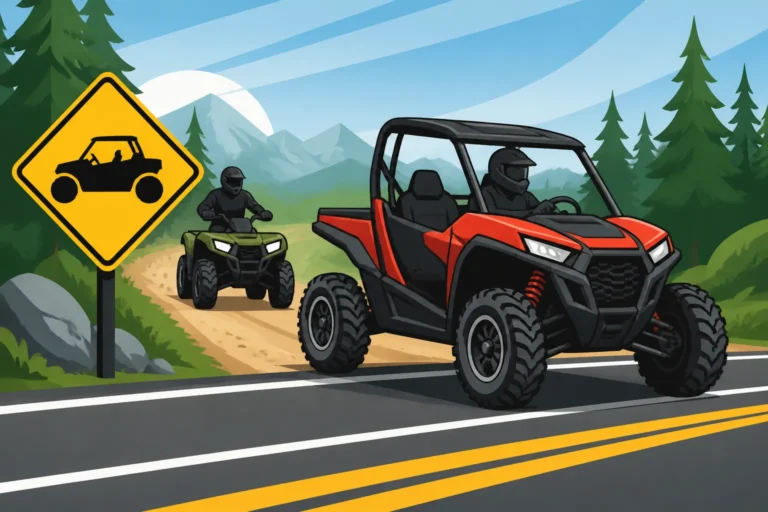
Washington law is designed to be flexible enough for various types of WATVs, from open-air quads to side-by-sides with a cab. The fundamental requirement is that you must have either a windshield or adequate eye protection. It’s an "either/or" situation, not necessarily an "and." This means if your machine has a proper windshield, you might not need additional goggles or safety glasses, and vice-versa. However, understanding what "adequate eye protection" truly entails is where many riders get tripped up.
Consider the practical implications. If you're cruising down a sunny rural road on your quad, the wind might feel great, but a stray pebble kicked up by an oncoming vehicle or a large insect hitting your face at 45 mph can be incredibly disorienting and dangerous. The rule isn't just about preventing injury; it's about maintaining clear vision at all times. A brief moment of blurred vision from a bug smashing into your eye can have serious consequences. This choice between a windshield or eye protection allows you to tailor your setup to your specific machine and riding style, but always with safety as the paramount concern.
What Qualifies as "Eye Protection"?
For those opting out of a full windshield, or for riders on open ATVs, "eye protection" becomes the critical factor. This isn't just any pair of sunglasses you grabbed from the gas station. We're talking about gear specifically designed for riding, built to withstand impacts and provide clear, unobstructed vision. Generally, this means goggles or impact-resistant safety glasses. Goggles are usually the preferred choice for their full seal around the eyes, preventing dust, wind, and debris from getting in, especially during those dusty summer rides or when following another vehicle. Many riders choose goggles that are DOT-approved or meet similar safety standards, ensuring they can withstand significant impacts.
If you're wearing a helmet with a face shield, that shield often satisfies the eye protection requirement, assuming it's in good condition and provides clear vision. This is a common setup for many dirt bike riders who also use their machines on public roads. However, if your helmet is an open-face style, you'll still need separate goggles or a robust pair of safety glasses. Remember, the goal is unimpaired vision. Cheap sunglasses, while they block sunlight, typically don't offer the necessary impact protection or wind resistance to be considered adequate eye protection under Washington law. For more details on helmet requirements, you might want to check out [Washington Helmet Law for WATV Riders].
The Role of a Windshield in Road Use
A windshield fundamentally changes the riding experience, especially for UTV operators. It provides a significant barrier against wind, dust, insects, and road debris, making longer road sections much more comfortable and safer. Think about riding home after a day on the trails, and suddenly a semi-truck passes, kicking up a shower of gravel. A sturdy windshield will bear the brunt of that, protecting you and your passengers. It also helps immensely with reducing wind fatigue, which can sneak up on you during extended road rides, leading to decreased focus and reaction times.
While offering excellent protection, windshields do come with their own set of considerations. Glare, especially from low sun or headlights, can be an issue if the windshield isn't properly cleaned or is scratched. Dust and mud can quickly accumulate, obscuring your view, which means you'll need to maintain it regularly, perhaps even carrying a small cleaning kit. Various types are available, from full windshields that offer maximum protection to half windshields that provide some airflow while deflecting the main rush of wind. Some even come with vents or flip-up options. Brands like SuperATV offer a wide variety of these, allowing riders to choose the level of protection and convenience that suits their needs. Even with a windshield, it's worth considering side protection, as debris can still come from angles.
When is a Windshield Necessary Versus Optional?
The "windshield or eye protection" rule isn't just a simple either/or; it often boils down to the type of machine you're operating and your personal preferences for comfort and safety. While the law provides flexibility, practical considerations often guide riders towards one option over the other, or sometimes a combination, for maximum peace of mind.
Open-Air Machines and the "Goggles" Choice
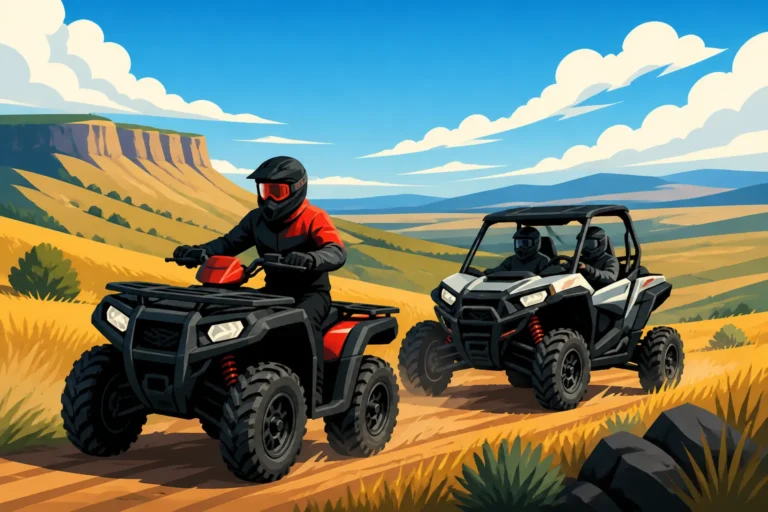
For traditional ATVs (quads) and many open-cockpit side-by-sides, the choice usually leans heavily towards goggles or high-quality safety glasses. These machines are inherently open-air, and while aftermarket windshields are available for some, they aren't always practical or desirable for riders who frequently switch between road and challenging trail riding. On a quad, for example, a full windshield might impede your ability to shift your body weight or feel claustrophobic during dynamic off-road maneuvers. In these cases, a good pair of riding goggles that seal against your face and provide impact protection is the go-to solution.
The key here is comfort and capability. If your riding involves a lot of body movement and exposure to the elements, proper eyewear that stays securely on your face and doesn't fog up is essential. Many quad riders opt for motocross-style goggles worn with a full-face or open-face helmet, ensuring maximum protection from dust, bugs, and wind. The choice between goggles and safety glasses often depends on the level of seal you need; goggles offer a more complete barrier. Remember that good visibility is paramount, whether you're on a busy street or a secluded trail.
Utility Vehicles with Factory Windshields
Modern UTVs, or side-by-sides, often come from the factory with a full or half windshield as standard equipment. If your UTV has a factory-installed windshield that is intact and provides clear visibility, it generally fulfills Washington's eye protection requirement for road use. This is a major convenience for many UTV owners, as it means less hassle gearing up just to cross a road or head into town. However, "intact" and "clear" are crucial. A cracked, heavily scratched, or excessively dirty windshield can impair your vision, making it just as dangerous as having no protection at all.
Regular maintenance is key. Windshields on utility vehicles can take a beating on the trails, collecting mud, dust, and scratches. Before heading onto a public road, make sure your windshield is clean and free of obstructions that could limit your field of vision. A quick wipe-down can make a world of difference. If your factory windshield is damaged beyond repair or has become too cloudy, consider replacing it. Many aftermarket options are available that can even upgrade your protection, such as those with improved scratch resistance or venting. For a broader look at road equipment, check out [Equipment a Washington WATV Needs on a Road].
Aftermarket Windshields: What to Look For
If your WATV didn't come with a windshield, or if you're looking to upgrade, the aftermarket is brimming with options. Choosing the right one can significantly enhance your road-riding experience. The primary considerations are material, fit, and features. Polycarbonate is a popular choice for its extreme durability and impact resistance, far superior to acrylic which can crack more easily. While polycarbonate might scratch more readily without a hard coating, it's less likely to shatter. You'll want a windshield that fits snugly, sealing well against the roll cage or frame to prevent excessive air or debris from sneaking around the edges.
Features like venting systems are a huge plus, especially in Washington's often damp climate, as they help reduce fogging and improve airflow without sacrificing protection. Some designs offer quick-release mechanisms, allowing you to remove the windshield easily for trail riding or to clean it thoroughly. Brands like SuperATV are well-known for their extensive selection of aftermarket windshields, offering various materials, tints, and designs to suit almost any WATV model and rider preference. Investing in a quality aftermarket windshield can be a game-changer for regular road use, combining convenience with essential safety.
Practical Considerations and Safety Beyond the Letter of the Law
While adhering to the letter of Washington's WATV laws is non-negotiable for legal road use, it's equally important to think about the spirit of these regulations. Eye protection isn't just a checkbox on a form; it's a critical safety component that can prevent accidents and enhance your overall riding enjoyment. Going beyond the minimum requirements often leads to a more comfortable and secure experience, especially in the varied conditions you find across Washington state.
Visibility and Maintenance of Eye Protection
Whether you choose a windshield or goggles, maintaining clear visibility is paramount. A scratched windshield can create blinding glare, especially when facing direct sunlight or oncoming headlights. Dirty goggles can make it impossible to see upcoming hazards or even the vehicle in front of you. It's not enough to simply have the protection; it must be effective. Develop a habit of cleaning your windshield and goggles before every ride. For windshields, use appropriate cleaners that won't damage the material (especially if it's polycarbonate, which can be sensitive to harsh chemicals). Many riders carry a small microfiber cloth and a spray bottle of water for quick clean-ups on the go.
Rain and fog present unique challenges. Anti-fog treatments for goggles and windshields can be lifesavers in Washington's frequently wet conditions. Some UTV windshields even offer wiper kits, similar to cars, for sustained rain. If you plan to ride after dark on public roads, your eye protection becomes even more critical, as visibility is already reduced. Ensure any tinting on goggles or face shields is suitable for night riding, or swap to clear lenses. For more on night riding, consider reviewing [Washington Lighting Requirements for WATVs].
The "Why" Behind the Rule: Protecting Riders
It's easy to view regulations as burdensome, but the windshield or goggle rule exists for very practical and crucial safety reasons. Imagine riding at 35 mph on a county road. Even a small rock kicked up by a passing vehicle can become a high-velocity projectile, capable of causing serious eye injury or even permanent blindness. Insects, especially in summer, can hit with surprising force, causing you to flinch or momentarily lose control. Wind fatigue, especially on longer road stretches, can dry out your eyes, cause irritation, and reduce your ability to focus, contributing to overall rider fatigue.
Sudden weather changes, which are common in many parts of Washington, can also pose a threat. A sudden downpour can reduce visibility to near zero without adequate protection. By providing a physical barrier, whether a windshield or goggles, the law aims to mitigate these common hazards. It's about proactive protection, ensuring that your most vital sense for riding—sight—remains unimpaired by external factors that are often beyond your control.
Choosing the Right Protection for Your Ride
Making the best choice often comes down to your specific riding habits and the type of WATV you own. If you primarily ride an open quad and only occasionally hit the pavement to connect trails, high-quality, impact-resistant goggles are likely your best bet. They offer flexibility and are easy to integrate with your existing helmet. However, if you own a side-by-side that sees a lot of mixed-use, including regular trips on paved or gravel roads, a robust windshield will significantly enhance comfort and safety for both you and any passengers.
There's no harm in being over-prepared. Some riders with windshields still keep a pair of goggles handy, especially if their windshield is prone to getting very dirty on the trails. This "better safe than sorry" approach ensures you're always covered, regardless of the conditions or your machine's setup. Understanding [Washington WATV Road Requirements] comprehensively will help you make informed decisions about all your equipment choices.
Enforcement and Common Misconceptions
Understanding the spirit of the law is one thing, but knowing how it's enforced and avoiding common pitfalls is equally important for a stress-free riding experience. Law enforcement officers in Washington are looking for clear compliance with WATV regulations, and eye protection is definitely on their checklist.
What a Trooper Looks For
When a Washington State Trooper, Sheriff's Deputy, or local police officer pulls you over while you're operating your WATV on a public road, they'll conduct a visual inspection to ensure you meet all the legal requirements. This includes checking for proper registration, tabs, and, yes, adequate eye protection. They'll quickly assess whether you have a clear, uncompromised windshield, or if you're wearing appropriate goggles or safety glasses. If you have an open-face helmet and no other eye protection, or if your windshield is so dirty or damaged that it obstructs vision, you could be cited for non-compliance.
It's not about catching you out, but about ensuring safety for everyone on the road. A clear windshield or properly worn goggles indicate that you're taking safety seriously. Officers are trained to spot obvious deficiencies. Being prepared and compliant can turn a potential ticket into a quick wave-off. For a more complete picture of what to expect at a stop, it's worth reviewing [What a Washington Trooper Checks Roadside].
Helmet Face Shields as Eye Protection
One common question is whether a helmet's face shield counts as adequate eye protection. The good news is, generally, yes! If you're wearing a full-face helmet with a face shield that is closed, clear, and in good condition, it typically meets Washington's eye protection requirements. This is because these shields are designed to protect your entire face, including your eyes, from impacts, wind, and debris. They offer a comprehensive barrier that often exceeds what standalone goggles or glasses can provide.
However, the key is "closed and clear." If your face shield is scratched, cracked, or you're riding with it flipped up, it no longer provides the necessary protection. Similarly, an open-face helmet, while providing head protection, still leaves your eyes vulnerable, meaning you'll still need to wear separate goggles or glasses. Always ensure your face shield is clean and free of obstructions that could impair your vision, especially when transitioning from sunny conditions to shaded areas or riding at dusk. [Washington's ORV Helmet Rule Explained] covers more on specific helmet rules.
The "Just for a Minute" Fallacy
Perhaps the most dangerous misconception is the idea that the rule doesn't apply if you're "just going a short distance" or "only crossing the road for a minute." The law doesn't make exceptions based on distance or time. The moment your WATV touches a public road, you are subject to all the legal requirements, including proper eye protection. A short hop across a busy street can be just as hazardous as a long cruise down a county highway if a rock flies up or a bug splatters your unprotected eye.
Think of it this way: accidents don't care about your intentions or how far you're going. They happen in an instant. That quick dash to the general store or the brief connection between two trail segments demands the same level of compliance as a dedicated road ride. Always gear up properly, including your eye protection, before you even consider entering a public roadway. It’s better to take an extra minute to be safe and legal than to risk an accident or a citation.
Here's a quick comparison of the main eye protection options:
| Feature | Windshield (UTV) | Goggles (ATV/Open UTV) | Safety Glasses (Limited Use) |
|---|---|---|---|
| Primary Protection | Full frontal, some side | Full eye seal | Direct frontal |
| Comfort | Reduces wind fatigue, some weather protection | Can cause pressure points, may fog | Lightweight, minimal wind protection |
| Visibility | Excellent if clean; can scratch/glare | Excellent if clear; prone to fogging | Good, but often limited peripheral vision |
| Debris Protection | High impact resistance (polycarbonate) | High impact resistance | Moderate impact resistance |
| Installation/Setup | Requires mounting (factory or aftermarket) | Worn with helmet | Simple to wear |
| Maintenance | Requires cleaning, occasional wiping | Requires cleaning, anti-fog treatment | Requires cleaning |
| Pros | Best overall comfort, weather protection | Excellent seal against dust/wind | Convenient for quick stops, very light |
| Cons | Can get dirty, glare, some airflow restriction | Can fog up, less comfortable for long periods | Minimal protection, not for high speeds/debris |
| Washington Compliance | Yes, if clear and intact | Yes, if impact-resistant and worn correctly | Sometimes, but generally not recommended as primary |
Disclaimer
This article is for general informational purposes only and does not constitute professional advice. Laws, prices and regulations vary by location and change over time. Consult a qualified professional for guidance on your specific situation.