Washington Helmet Law for WATV Riders
Navigating the rules for riding ATVs and UTVs in Washington can feel like traversing a muddy trail with no clear markers, especially when it comes to head protection. Many riders wonder if helmets are always necessary, or if age, vehicle type, or road conditions change the requirements. This guide will cut through the confusion, clearly outlining Washington's helmet law for every WATV rider, every time, so you can hit the trails and roads with confidence and compliance.
The Foundation: Helmets for All Off-Road Riding in Washington
It's a common misconception that helmet laws are primarily for kids or only apply when you venture onto paved roads. In Washington, the reality is far simpler and more encompassing, especially when you're enjoying the vast network of off-road trails and designated riding areas. The state takes head safety seriously for all recreational off-road vehicle (ORV) use on public lands.
The Core Off-Road Rule: Why Everyone Needs Protection
Let's get straight to it: when you're riding an ORV on public lands or trails in Washington, everyone needs to wear a helmet. This isn't just a suggestion; it's the law. This applies whether you're on a zippy dirt bike, a robust ATV, or a spacious side-by-side (which Washington often refers to as a WATV, or Wheeled All-Terrain Vehicle). The idea here is simple: accidents can happen quickly and unexpectedly off-road, and head injuries are among the most serious. A helmet provides that critical layer of protection, greatly reducing the risk of severe injury. You can learn more about the broader regulations in [Washington's Off-Road Vehicle Rules Explained].
Think about it this way: you’re bouncing over roots, navigating rocky terrain, maybe even kicking up a bit of dust or mud. The chances of an unexpected tumble or collision are inherent to the sport, no matter how skilled you are. This universal helmet rule ensures that every rider, regardless of their experience level or the specific type of machine they're on, has that fundamental safety gear in place. It’s about protecting your most vital asset while you’re out having a blast.
What Kind of Helmet Qualifies?
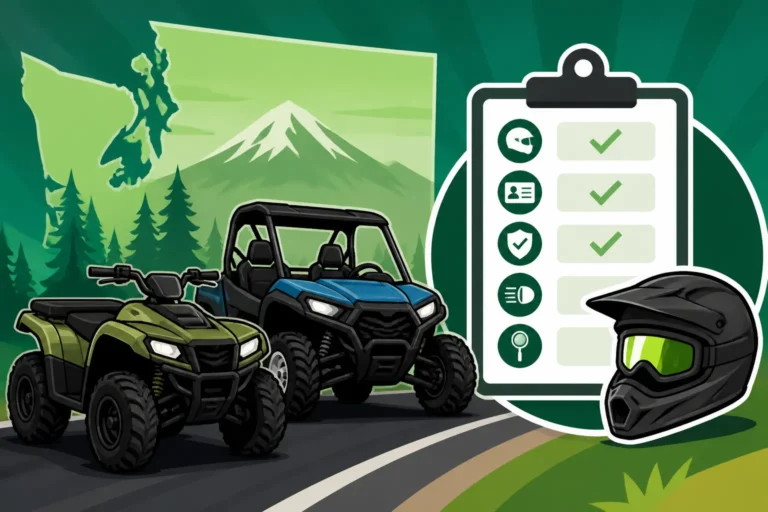
Now that we know a helmet is required, what kind of helmet are we talking about? Washington law specifies that any helmet worn while operating or riding an ORV on public land must be designed for motorized vehicle use and must be equipped with a chin strap. Critically, it needs to meet U.S. Department of Transportation (DOT) standards. You'll typically find a DOT certification sticker on the back of the helmet. This certification means the helmet has passed rigorous testing for impact attenuation and penetration resistance.
While DOT certification is the baseline, many riders choose helmets that offer additional safety ratings, such as Snell or ECE. These certifications often imply even more stringent testing, offering a higher level of protection. For off-road riding, a full-face helmet is often preferred due to its comprehensive coverage of the face and chin, protecting against impacts as well as roost from other riders. If you opt for an open-face helmet, make sure you have adequate eye protection, such as goggles, as your eyes are just as vulnerable to flying debris, dust, and branches. While SuperATV offers fantastic aftermarket accessories like durable windshields that can help deflect debris, remember they don't replace the need for proper eye protection, whether that's built into your full-face helmet or comes from a good pair of goggles. This applies to passengers too, as detailed in [Washington Helmet Law for Passengers].
Riding on Pavement: Helmet Rules for Street-Legal WATVs
Washington has specific provisions allowing certain WATVs to be made "street legal" and ridden on approved public roads, usually county roads with a speed limit of 35 mph or less. This opens up a whole new dimension of riding, allowing you to connect trails or even run errands. However, the helmet rule doesn't magically disappear just because you've traded dirt for asphalt.
Adult Riders: When the Road Tab Comes Into Play
If you've gone through the process of equipping your WATV with the necessary street-legal gear – things like mirrors, turn signals, and a horn – and have obtained the [Washington WATV Road Requirements], you might wonder if the helmet rule changes. For adult riders (those 18 and older), when operating a WATV on a public road, the helmet requirement remains. It's not like riding in a car where an enclosed cab exempts you from a helmet. The law views your WATV as an off-road vehicle operating in an on-road environment, and thus, the foundational safety requirements largely carry over. This ensures consistent head protection whether you're on a gravel forest road or a paved county lane.
Some riders, especially those in side-by-sides with full cabs or windshields, might assume they're exempt. However, the legislation for WATVs on roads specifically maintains the helmet requirement for all occupants. This is a critical distinction from traditional automobiles. So, even if you're comfortable in your cab, buckling up, and using all the road-legal features from brands like SuperATV that enhance your machine's utility, that DOT-certified helmet still needs to be firmly on your head and properly fastened. This is a core aspect of ensuring safety when blending off-road machines with public road traffic.
The Driver License and Helmet Connection
Another point of clarity often sought by riders is the connection between holding a valid driver's license and the helmet law. For adult riders, possessing a valid driver's license is a prerequisite for operating a street-legal WATV on public roads in Washington. However, having that license does not exempt you from the helmet requirement. Unlike operating a street-legal motorcycle, where an adult with a full endorsement might have different helmet options depending on the state, for WATVs in Washington, the helmet rule applies universally to all operators and passengers, regardless of their licensing status or age. You can find more details on [Washington Driver License Rules for WATVs].
This continuity in the helmet rule across both off-road and approved on-road WATV use underscores Washington's commitment to rider safety. It's a clear message: when you're on a WATV, whether it's navigating rugged trails or cruising a low-speed county road, head protection is non-negotiable. This consistent application removes ambiguity and helps foster a culture of safety across all riding environments.
Special Cases: Youth, Passengers, and Exemptions
While the general rule is "everyone wears a helmet," it's helpful to delve into the specifics for particular demographics and situations. The law makes certain distinctions, but often, these reinforce the universal helmet requirement rather than creating exceptions.
Helmets for Young Riders: A Strict Requirement
When it comes to our younger riders, Washington's helmet law is absolutely unambiguous and strictly enforced. Any person under the age of 18 operating or riding as a passenger on an ORV in Washington, whether on public land or approved public roads, must wear a DOT-compliant helmet. There are no exceptions for age or type of riding when minors are involved. This isn't just about protecting them from potential falls; it's about instilling good safety habits from a young age.
Furthermore, if a minor under 16 is operating an ORV, they must be under the direct supervision of a licensed adult. This adult is responsible for ensuring the minor is wearing all required safety gear, including their helmet. This strict rule for young riders reflects the heightened vulnerability they face and the importance of parental or guardian supervision in ensuring their safety. For more details on these rules, you can check out [Washington Rules for Riders Under 16] and [Washington Minimum Age to Ride a Road].
Passengers: Double the Safety, Double the Fun
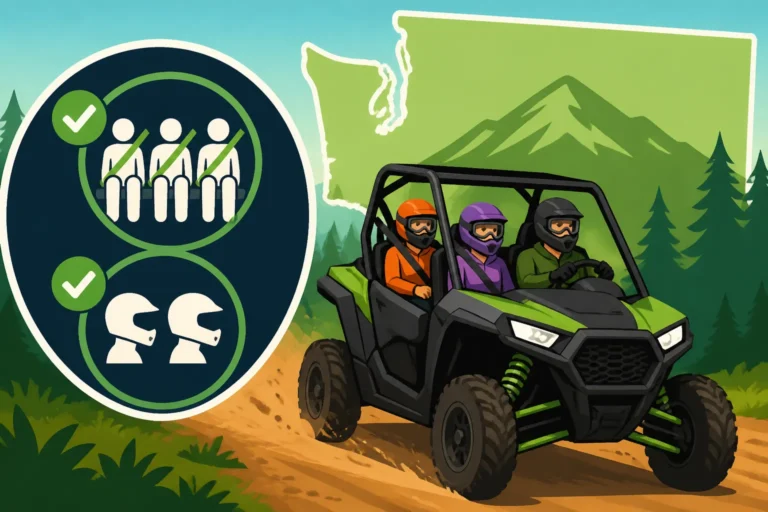
Whether you're riding with a friend or taking your family out for a spin, passengers are an integral part of the WATV experience. And just like operators, all passengers on a WATV, regardless of age, are required to wear a DOT-compliant helmet. This applies to side-by-sides where passengers sit comfortably beside the driver, as well as to ATVs designed for two riders. The risk of head injury is just as present for a passenger as it is for the operator, perhaps even more so if they are not actively bracing for bumps and turns.
Think about a spirited ride down a bumpy trail or an unexpected swerve on a gravel road. A passenger can be thrown around just as easily as the driver. Ensuring every person in your machine is wearing a properly fitted and fastened helmet is not just a legal obligation; it's a moral one. It's about making sure everyone gets home safely after a fun day out. Detailed information on carrying passengers safely is available in [Washington Passenger Rules on a WATV].
Are There Any Exceptions?
For recreational WATV use on public land or approved public roads in Washington, the exceptions to the helmet law are extremely limited and, for all practical purposes, almost non-existent for the average rider. The state statutes are quite clear: if you're on public land designated for ORV use or an approved public road, a helmet is required.
The main scenarios where a helmet might not be legally mandated are typically on private property that is not open to the public for ORV use. If you're riding exclusively on your own private land, or on someone else's private land with explicit permission where that land is truly private and not part of any public access agreement, the state's public land helmet law doesn't apply. However, even in such cases, wearing a helmet is always the smartest choice for personal safety. Never assume an exception, especially when venturing onto roads or trails you're not intimately familiar with. When in doubt, always wear your helmet. It's a small price to pay for significant protection. You might also find some relevant context in [Washington Rules for Riding a Trust Land Road] regarding different land types.
Practical Advice for Helmet Compliance
Beyond simply knowing the law, actually complying with it effectively involves a bit of practical wisdom. A helmet only protects you if it fits correctly, is in good condition, and is worn consistently. Investing in the right helmet and taking care of it is just as important as the act of putting it on.
Sizing and Fit: More Than Just a Rule
Finding the right size and ensuring a proper fit for your helmet is paramount. A helmet that's too loose can shift during an impact, failing to protect effectively, or even come off entirely. One that's too tight will be uncomfortable, distracting, and could even cause headaches, making your ride less enjoyable and potentially less safe. When trying on a helmet, it should feel snug around your entire head, with no pressure points. Your cheeks should feel a gentle squeeze, and when you try to move the helmet from side to side or front to back, your skin should move with it. If the helmet slides independently, it's too large.
Always try on helmets before buying, if possible, or consult sizing charts carefully. Different brands can have slightly different fits. For kids, resist the temptation to buy a helmet they can "grow into." A properly fitting helmet now is crucial for their safety. While considering all the other [Washington ATV Helmet Costs], remember this is an investment in safety that pays dividends.
Checking Your Gear and Maintaining Your Helmet
Your helmet is a piece of safety equipment, and like any other critical gear, it requires occasional inspection and maintenance. Before each ride, quickly check your helmet for any visible cracks, especially in the shell or foam liner. Ensure the chin strap is intact, buckle functions correctly, and there are no frayed edges. The visor or goggles should be clean and scratch-free to maintain optimal visibility.
Helmets do have a lifespan. Over time, the materials can degrade from UV exposure, sweat, and general wear and tear, even if the helmet hasn't been in an accident. Many manufacturers recommend replacing helmets every 5-7 years, or immediately after any significant impact, even if there's no visible damage. An impact can compromise the integrity of the foam liner, making the helmet less effective in a subsequent crash. Proper cleaning – usually with mild soap and water, avoiding harsh chemicals – will help prolong its life and keep it hygienic.
Here's a quick summary of helmet requirements in Washington:
| Rider Type/Location | Helmet Required? | Specifics |
|---|---|---|
| All Off-Road | Yes | DOT-certified, chin strap, all ages |
| Adult On-Road | Yes | DOT-certified, chin strap, for street-legal WATVs on approved roads |
| Minor (Under 18) | Yes | DOT-certified, chin strap, all riding contexts, operator & passenger |
| Adult Passenger | Yes | DOT-certified, chin strap, all riding contexts |
| Private Land | No (Legally) | Highly Recommended for safety, if not open to public use |
Ultimately, wearing a helmet in Washington is about more than just avoiding a ticket for [Washington Fines for an Unregistered WATV] or non-compliance; it’s about making a conscious choice to protect yourself and your passengers. Whether you're navigating the challenging terrain of [Washington Riding Areas Near Seattle] or cruising a quiet [Washington Rules for Riding a County Road], that helmet is your first line of defense. Don't leave home without it.
Disclaimer
This article is for general informational purposes only and does not constitute professional advice. Laws, prices and regulations vary by location and change over time. Consult a qualified professional for guidance on your specific situation.