Stevenson’s Open Streets
For anyone who loves the thrill of exploring Washington on their All-Terrain Vehicle (ATV) or Utility Terrain Vehicle (UTV), one of the biggest head-scratchers is figuring out where you can actually ride street legal. It can feel like a maze of rules, county lines, and city ordinances, leaving many riders scratching their heads. This guide is here to shed some light on places like Stevenson, a charming city that has opened its streets to WATVs, helping you understand what this means for your next adventure and how to navigate these opportunities legally and responsibly.
Understanding Washington's Approach to City Streets and WATVs
It's no secret that Washington state has a unique approach to off-road vehicles. While many states have a blanket rule for or against street legality, Washington gives a lot of power to local jurisdictions – meaning counties and cities – to make their own decisions. This can feel like a patchwork quilt of regulations, making it tough to know where you stand. You might hear stories about one county welcoming WATVs with open arms, while the very next county over has a strict "no riding on roads" policy. It's enough to make you wonder if you'll ever get a straight answer, but thankfully, places like Stevenson have taken clear steps to invite riders.
The Statewide Framework for Local Control
The foundation for this local decision-making comes directly from Washington state law. The state essentially sets the stage by defining what a street-legal "wheeled all-terrain vehicle" (WATV) is and what basic equipment it needs to have. Beyond that, it hands the reins over to local governments, allowing counties with populations over 15,000 to "opt-in" to allowing WATV use on specific public roads. Smaller counties, those under 15,000 residents, actually start with their roads open by default, only closing them through a formal process. Cities operate under a similar principle, needing to pass their own ordinances to permit WATV use within their municipal limits. This framework creates a dynamic landscape where the rules can change dramatically from one town sign to the next, emphasizing the need for riders to do their homework before heading out. It means that while one city might see WATVs as a traffic nuisance, another sees them as a vital part of their tourism and community identity.
Why Stevenson Stands Out
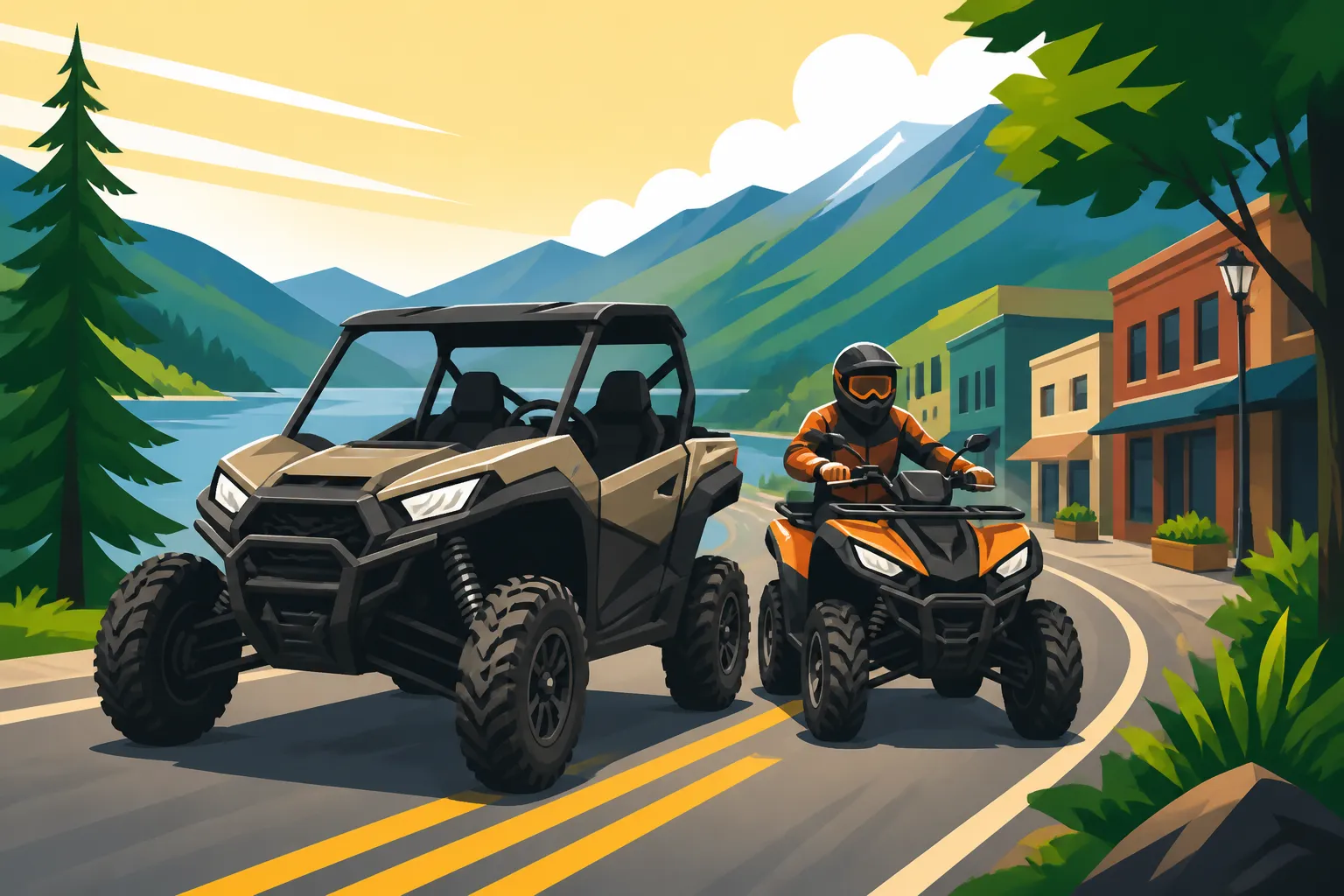
Stevenson, a beautiful town nestled in the Columbia River Gorge, is one of those communities that has actively embraced WATV use on its city streets. Its decision to open its roads isn't just a casual allowance; it's a deliberate choice that often stems from a combination of factors. For many smaller, scenic towns like Stevenson, WATVs represent a significant boon to local tourism. Riders often come from afar, staying in hotels, eating at local restaurants, and buying supplies, all of which injects much-needed revenue into the community. Furthermore, these towns often have a culture that's more aligned with outdoor recreation and rural lifestyles, making the integration of WATVs a more natural fit. Unlike bustling urban centers where traffic congestion and noise are major concerns, Stevenson's smaller footprint and proximity to incredible riding areas make it an ideal hub for off-road enthusiasts. This means that instead of just trailering directly to a trailhead, you might be able to ride your WATV from your accommodation, grab a bite, and then head out to the trails, creating a much more seamless and enjoyable experience.
Navigating Stevenson on Your WATV: What You Need to Know
While Stevenson welcomes WATVs, it's not a free-for-all. Like any privilege, riding on city streets comes with responsibilities and specific rules you absolutely must follow. Ignoring these can lead to fines, citations, or worse, jeopardizing the very access that makes Stevenson such a great destination for riders. It's about being a good ambassador for the off-road community and ensuring that this access remains open for everyone to enjoy for years to come.
Specific Rules and Designated Routes in Stevenson
When a city like Stevenson opens its streets, it typically does so through a specific ordinance that outlines exactly which roads are open, what the speed limits are, and any other unique conditions. For instance, some cities might only allow WATVs on roads posted at 35 mph or less, or they might restrict riding hours to daylight only. It's crucial not to assume that just because one road is open, all roads are. There might be specific designated routes to connect riders to trailheads, or certain main arterial roads that remain off-limits due to higher traffic volumes or safety concerns. Always check the city of Stevenson's official website or reach out to their city hall directly for the most current and precise information. You'll want to look for maps or a list of approved streets. This due diligence ensures you're riding legally and safely within their specific guidelines, preventing any unexpected run-ins with local law enforcement. It's a small investment of time that pays off big in peace of mind.
Essential Equipment for Street-Legal Riding in Washington
Whether you're riding through Stevenson or any other open city street in Washington, your WATV needs to be equipped to meet state-mandated street-legal standards. This isn't optional; it's a requirement to keep you and others safe and to ensure your machine is recognizable as a legitimate road-sharing vehicle. Your machine needs working headlights, taillights, brake lights, and turn signals – just like a car. You'll also need at least one rearview mirror (though two are highly recommended for better visibility) and a horn that can be heard clearly. Many riders choose to upgrade their stock lighting or add aftermarket turn signal kits to ensure they're highly visible and compliant. Brands like SuperATV offer a range of street-legal kits and accessories, from mirrors to horn kits, that can help you get your machine up to snuff. Don't forget a spark arrester for any off-road sections and proper muffling to keep noise levels down, as these are often checked by authorities. For a full rundown, it's worth reviewing [Washington WATV Road Requirements].
Rider Requirements: License, Helmets, and Insurance
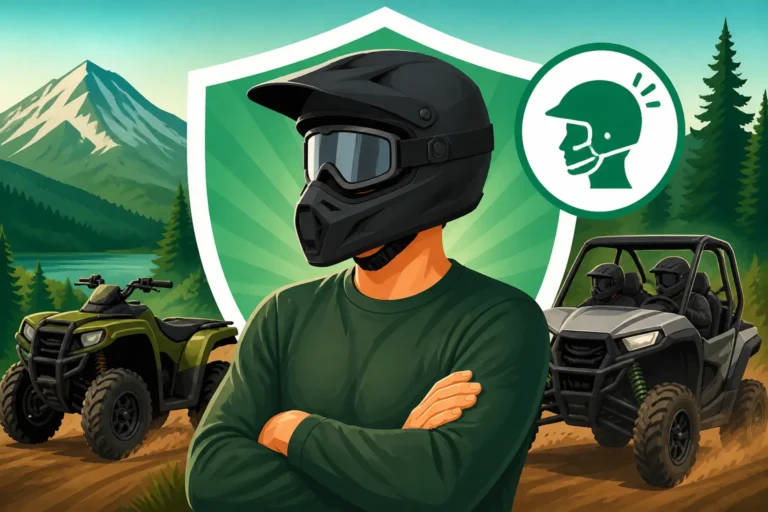
Beyond your machine's equipment, the state of Washington also has clear requirements for the rider themselves when operating a WATV on public roads. First and foremost, you absolutely need a valid driver's license. This isn't a suggestion; it's the law. An instructional permit alone won't cut it. Next up, helmets. Washington's helmet law dictates that all WATV riders and passengers must wear a DOT-compliant helmet, even on city streets. This is for your safety, plain and simple, and it's a rule that law enforcement takes very seriously. You can read more about it in [Washington Helmet Law for WATV Riders]. Finally, insurance. While basic off-road use often doesn't require liability insurance in Washington, if you're riding your WATV on public roads, you must carry minimum liability insurance coverage, just like you would for a car. This protects you and others in case of an accident. Make sure your policy specifically covers WATV use on public roads. Understanding these personal requirements is just as important as knowing your machine's equipment needs. For more details on coverage, check out [Washington WATV Insurance Requirement].
The Broader Implications of Stevenson's Open Streets
Stevenson's forward-thinking approach to WATV access isn't just about a fun ride; it has wider positive impacts on the community and the overall recreation landscape in Washington. It demonstrates a model where communities can successfully integrate responsible off-road use with local commerce and natural attractions, creating a win-win situation for both residents and visitors. This kind of access makes planning multi-day adventures much more feasible and enjoyable.
Connecting to Nearby Trails and Attractions
One of the greatest benefits of a city like Stevenson opening its streets to WATVs is the seamless connection it provides between amenities and the vast outdoor playground surrounding it. Imagine being able to ride from your hotel or campground, grab coffee in town, and then directly access the incredible network of trails in the Columbia River Gorge area without having to load your machine back onto a trailer. This kind of "ride-in, ride-out" convenience is a huge draw for riders, turning Stevenson into a true hub for exploration. It means less time spent trailering and more time enjoying the scenic beauty and varied terrain that Washington has to offer. Whether you're heading to a forest road for a leisurely cruise or tackling a more challenging technical trail, Stevenson's open streets can serve as your launchpad, providing easy access to gas stations, restaurants, and other services before or after your ride. This integration makes the entire adventure more accessible and less logistically challenging.
Supporting Local Economy Through Responsible Riding
When WATV riders visit a town that welcomes them, they don't just ride; they spend money. They fuel up their machines and tow vehicles, buy groceries and meals, stay in local accommodations, and perhaps even shop for gear or souvenirs. This economic activity is particularly vital for smaller communities like Stevenson, where tourism can be a cornerstone of the local economy. By being a responsible rider – following speed limits, respecting private property, staying on designated routes, and keeping noise levels in check – you directly contribute to maintaining a positive relationship between the riding community and the city. Riders who act as good stewards reinforce the value of WATV tourism, encouraging other towns to consider similar open street policies. It's a powerful way for the off-road community to demonstrate its positive impact, proving that outdoor recreation and economic development can go hand-in-hand when approached with respect and consideration. Every dollar spent responsibly helps ensure that future generations of riders will also have these opportunities.
What to Do Before You Ride in Stevenson (or Any Open City)
Feeling excited about riding through Stevenson? That's fantastic! But before you load up your machine and hit the road, there are a few critical steps you absolutely must take. Think of it as your pre-flight checklist for a successful and trouble-free WATV adventure. Rushing into it without proper preparation is the quickest way to turn a fun trip into a headache, potentially involving fines or even an unwelcome tow.
Researching Local Ordinances and Maps
This cannot be stressed enough: always verify the current regulations directly with the city of Stevenson. While this guide provides general information, local laws can and do change. A quick visit to the city's official website, a phone call to city hall, or a stop at the local visitor's center can confirm which specific roads are open, what the hours of operation are, and any other pertinent restrictions. Do they have a published map? Are there any seasonal closures? What are the speed limits on designated WATV routes? Asking these questions upfront will save you from potential citations and ensure you're riding within the bounds of the law. You might find invaluable information about [Finding a County's Approved Road List] for surrounding areas as well. Relying solely on old forum posts or word-of-mouth is a gamble that's simply not worth taking when it comes to legal compliance. Being informed is your best defense against unintended infractions.
Ensuring Your Machine is Compliant and Ready
Beyond knowing the rules, your machine itself needs to be in tip-top shape and fully compliant with all Washington state requirements for street legality. This means double-checking all the equipment we discussed earlier: headlights, taillights, brake lights, turn signals, mirrors, and a horn. Are your tires in good condition? Is your registration current? You'll need both the off-road and on-road tabs properly affixed. [Washington's Off-Road Tab Explained] and [Washington's On-Road Tab Explained] are crucial pieces of information here. Also, ensure your WATV has passed its required safety inspection if it's new or hasn't been recently inspected. Remember that [Washington WATV Safety Inspection Cost] can be up to $50, but it's a necessary step. If you're looking to upgrade or add any of the required street-legal components, check out what SuperATV offers. They have a variety of aftermarket parts designed to help machines meet road-use requirements. Make sure your machine is clean, too; invasive species are a serious concern, and you don't want to transport mud and seeds from one area to another. A well-maintained and compliant machine is not only safer but also represents responsible riding.
| Requirement | Description | Check Before You Go |
|---|---|---|
| Local Ordinance | Specific city or county laws dictating which roads are open, speed limits, and other restrictions. | Consult Stevenson's official city website or call city hall. Look for WATV ordinances, maps, and specific road lists. Understand any time-of-day restrictions. |
| Valid Driver's Lic. | A current, unexpired driver's license is mandatory for operation on public roads. | Ensure your license is valid. Instructional permits are not sufficient for street legal WATV operation. |
| Helmet | DOT-compliant helmet required for all riders and passengers. | Always wear a DOT-approved helmet. Make sure it fits correctly and is in good condition. |
| Insurance | Minimum liability insurance coverage required for road use. | Verify your insurance policy specifically covers WATV operation on public roads. Carry proof of insurance with you. |
| WATV Registration | Current Washington state off-road and on-road tabs are required. The metal tag must also be displayed correctly. | Check that both your off-road and on-road tabs are current and affixed properly. Ensure your metal tag is mounted securely. Don't forget [Washington WATV Registration Cost] involves both tabs. |
| Safety Inspection | If applicable, your WATV must have passed a Washington state safety inspection. | Confirm your machine has a current safety inspection certificate. If not, arrange for one before hitting public roads. |
| Lighting | Headlights, taillights, brake lights, and turn signals must be functional. | Test all lights before each ride. Consider upgrading to brighter LEDs for better visibility. |
| Mirrors | At least one functional rearview mirror is required; two are highly recommended for safety. | Ensure your mirror(s) provide clear rear visibility. SuperATV offers robust mirror options. |
| Horn | An audible horn is required. | Test your horn's functionality. It should be loud enough to alert others. |
| Muffler/Arrester | Compliant muffler and spark arrester for noise and fire prevention. | Check that your exhaust system meets sound requirements and has a spark arrester. This is crucial for both environmental stewardship and legal compliance. |
| Decal Placement | Proper display of registration decals as specified by the Department of Licensing. | Ensure all decals are placed correctly and are clearly visible. See [Washington ORV Decal Placement] for guidance. |
| Carrying Paperwork | You must carry your WATV registration, proof of insurance, and driver's license while riding. | Keep all required documents in a waterproof bag or secure compartment on your machine. [What a Washington Trooper Checks Roadside] can include these items. |
| Speed & Road Rules | Adhere to posted speed limits and all standard traffic laws. WATVs are often limited to roads with a 35 mph speed limit or less. | Understand and follow all traffic laws and posted speed limits. Be aware of the [Washington's 35 mph Road Rule] and any local exceptions or specific signage. |
Comparing Stevenson to Other Washington Cities and Counties
Stevenson isn't alone in its approach, but it does highlight a growing trend in some parts of Washington. The varied landscape of local ordinances means that while you might find open streets here, the next town over could be completely closed. Understanding these differences and the reasoning behind them can help you plan your rides more effectively and appreciate the efforts of communities that welcome WATV enthusiasts. It's a testament to the diverse priorities and needs across Washington's many towns and counties.
Examples of Other Open or Restricted Areas
For every Stevenson, there might be a city like Long Beach that has chosen to ban WATVs from its streets entirely, often due to concerns about high pedestrian traffic, beach access regulations, or historical land use. On the other hand, you'll find other proactive communities. For instance, cities like [Republic, Colville and Kettle Falls] in Eastern Washington have also embraced WATV access, understanding the economic benefits for their rural communities. Some counties, like Lewis County, have passed ordinances ([Lewis County Ordinance 1286]) opening specific unincorporated roads. Pierce County has also opened some of its unincorporated roads, recognizing the recreational value. The key takeaway here is that there's no single "Washington rule." It's a patchwork, and what applies in Stevenson won't necessarily apply in Olympia or Bellingham. This is why local research is paramount for every trip you plan.
The Process for Opening Streets: How it Happens
When a city like Stevenson decides to open its streets to WATVs, it's typically a multi-step process involving local government, public input, and sometimes a bit of trailblazing by local advocates. It usually begins with a proposal, often from a local WATV club, business, or interested citizen, highlighting the potential benefits to the community – such as increased tourism, economic growth, and enhanced recreational opportunities. This proposal is then reviewed by city or county staff, who might study traffic patterns, safety implications, and the experiences of other communities that have opened their roads. Public hearings are often held, allowing residents to voice their support or concerns. This public engagement is a crucial step, as it helps shape the final ordinance and ensures that the community's needs are addressed. If approved, the city or county council then votes to pass an ordinance officially opening designated streets and setting the specific rules. It's a civic process, and knowing how it works can even empower riders to advocate for more access in their own communities by understanding [Asking a County to Open a Road]. This collaborative effort between riders and local government is essential for expanding safe and legal riding opportunities.
Disclaimer
This article is for general informational purposes only and does not constitute professional advice. Laws, prices and regulations vary by location and change over time. Consult a qualified professional for guidance on your specific situation.