Washington Helmets for Riders and Passengers
Trying to figure out Washington's helmet laws for your ATV or UTV can feel like navigating a muddy trail with a blindfold on. It's confusing, frustrating, and honestly, a bit intimidating when you just want to get out and ride safely without worrying about a ticket. There are different rules for young riders, for adults, for pavement, for dirt, and even for passengers! This comprehensive guide is here to untangle all that jargon, cut through the confusion, and give you a clear, realistic understanding of exactly when and why you need to wear a helmet, or ensure your passengers do, when you're enjoying the great outdoors (or cruising a county road) in Washington State.
The Basics of Helmet Law in Washington: Why It's More Complex Than You Think
When it comes to safety gear like helmets, you'd think the rules would be pretty straightforward, right? Wear one, don't wear one, simple as that. But in Washington, much like our winding forest roads, the path to understanding helmet laws for ATVs and UTVs (or, as Washington calls them, WATVs and ORVs) has a few twists and turns. It's easy to get tripped up by the subtle differences, and that's why we're going to break it down, piece by piece, so you can ride with confidence and compliance.
The "WATV" vs. "ORV" Distinction and Helmet Rules
The first hurdle to clear is understanding how Washington state actually categorizes your machine. You might call it an ATV or a UTV, but the Department of Licensing often uses two key terms: "ORV" (Off-Road Vehicle) and "WATV" (Wheeled All-Terrain Vehicle). This isn't just bureaucratic nitpicking; it's a fundamental distinction that dictates everything from how you register your machine to, yes, whether you need to strap on a helmet.
An "ORV" is primarily intended for off-road use. Think forest trails, dune riding, or designated ORV parks. These machines typically only have an off-road tab. On the other hand, a "WATV" is essentially an ORV that has been modified and registered to be street-legal, allowing it to operate on certain public roads. This involves adding specific safety equipment and obtaining a special on-road tab. You can dive deeper into these distinctions by reading [Washington's Off-Road Tab Explained] and [Washington's On-Road Tab Explained]. The moment your machine crosses the line from off-road only to street-legal, the helmet rules often change drastically, aligning more closely with motorcycle laws. This distinction is crucial because what's perfectly legal on a remote trail might get you pulled over on a county road if you're not wearing the right gear.
General Rules for Off-Road Riding (ORVs)
Let's talk about hitting the trails, the mud, and the dunes – the quintessential off-road experience. For most adult riders (16 and over) operating an ORV exclusively off-road on public lands in Washington, the law does not currently mandate a helmet. Yes, you read that right. While nearly every experienced rider, safety advocate, and frankly, anyone with common sense will strongly advise you to wear one, the law itself doesn't make it compulsory for adults in an off-road setting.
However, there's a huge asterisk here: this rule only applies to adults aged 16 and up. For anyone under the age of 16, whether they are operating the ORV or riding as a passenger, a helmet is absolutely, unequivocally required by law. This is a critical point that often gets overlooked, leading to fines and, more importantly, unnecessary risks for young riders. We'll explore this more in depth shortly, but for now, remember that while you might choose to ride helmet-free as an adult off-road, it's a choice that comes with significant risk, and it's never an option for the younger folks in your riding group.
Helmet Requirements for On-Road Riding (WATVs)
Now, let's switch gears to those machines that have gone through the process to become street-legal WATVs. This is where the helmet rules become much stricter and, for many, less ambiguous. If you've added the necessary lights, mirrors, and other equipment, and obtained your on-road tab to legally cruise a county road, then you are now operating under rules very similar to those for motorcycles.
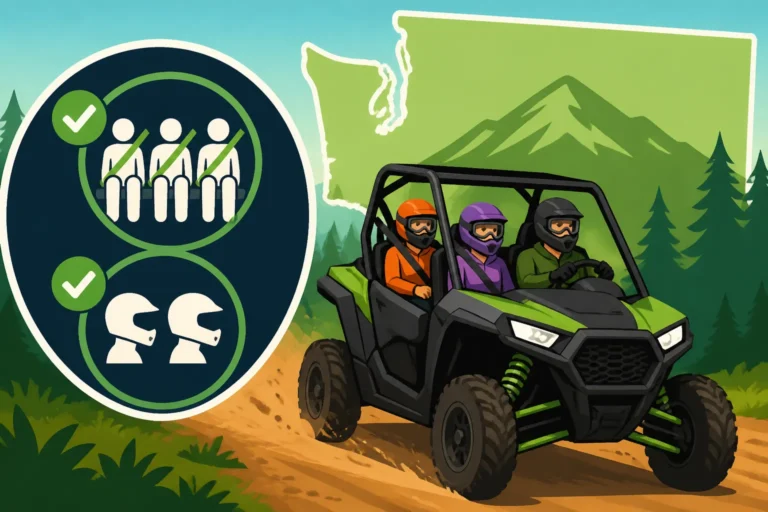
In Washington State, anyone operating or riding as a passenger on a motorcycle or street-legal WATV on a public roadway, regardless of age, must wear a USDOT-compliant helmet. This isn't a suggestion; it's the law. The thinking here is clear: when you're sharing the road with cars, trucks, and other vehicles, the risks increase dramatically, and head protection becomes non-negotiable. Whether you're just crossing a highway to get to a different trail segment or taking your WATV for a spin through a small town that has opened its streets, that helmet needs to be securely fastened. If you're planning on taking your machine out on the pavement, make sure you understand all the [Washington WATV Road Requirements] to stay safe and legal.
Washington's Helmet Law for Riders Under Sixteen
Our younger riders are precious cargo, and Washington State law reflects that by setting very clear, non-negotiable rules for helmet use when minors are involved. There's no gray area here, no matter the terrain or the type of machine. If you have anyone under 16 joining your ride, understanding and enforcing these rules isn't just about avoiding a ticket; it's about safeguarding their future.
The Absolute Rule for Minors on All Terrain
Let's be crystal clear: if a rider or passenger is under 16 years of age, they must wear a properly fitted, USDOT-compliant helmet. This rule applies universally across Washington State, whether they are operating an ORV on a remote forest trail, riding as a passenger in a utility vehicle on private land, or sitting behind you on a street-legal WATV on an approved county road. There are simply no exceptions for minors.
The "why" behind this absolute rule is straightforward and critical: safety. Children and teenagers are still developing, and their heads are particularly vulnerable to injury. Even a low-speed tip-over on a dirt trail can result in serious trauma without proper head protection. Washington lawmakers recognize this, which is why they've made helmet use for minors mandatory in all situations involving ORVs and WATVs. As the supervising adult, this responsibility falls squarely on your shoulders. You can find more details on general youth rider regulations in [Washington Rules for Riders Under 16].
What Kind of Helmet for Younger Riders?
It's not enough to just put any helmet on a young rider; it needs to be the right kind of helmet. Specifically, the law requires a helmet that is certified by the U.S. Department of Transportation (USDOT). This certification ensures that the helmet meets certain minimum safety standards for impact protection. Beyond that, proper fit is paramount. A helmet that's too large will wobble around, reducing its effectiveness and potentially obstructing vision. One that's too small will be uncomfortable and could cause headaches or pressure points.
When choosing a helmet for a younger rider, consider a full-face style. These offer the most comprehensive protection, covering the chin and face in addition to the top and sides of the head. For off-road riding, good ventilation is also key to prevent overheating. Always look for the DOT sticker on the back of the helmet and make sure it fits snugly without being uncomfortably tight. Many helmet manufacturers offer youth-specific sizes and designs that cater to smaller heads, ensuring both safety and comfort for your budding enthusiast.
Supervision and Helmet Compliance
The requirement for minors to wear helmets is often intertwined with Washington's supervision rules for young riders. A licensed adult must directly supervise riders under 16 when they are operating ORVs on public lands. This supervision isn't just about watching them ride; it includes ensuring they are properly equipped for safety, and that absolutely includes wearing a compliant helmet.
Imagine you're out at the Capitol State Forest with your 14-year-old on a quad. You're riding alongside them, keeping an eye on their technique and the trail ahead. A DNR ranger might stop you, not just to check tabs, but to ensure your young rider is wearing appropriate safety gear. If your child isn't wearing a DOT-compliant helmet, both you (as the supervising adult) and the child could face a citation. It's a reminder that responsible supervision extends beyond just presence; it involves actively ensuring all safety regulations, including helmet laws, are being followed. Neglecting this crucial aspect could lead to a minor injury becoming a major one, not to mention the legal consequences.
The Adult Rider: When Do You Really Need a Helmet?
As adults, we often feel we should have the freedom to make our own choices, especially when it comes to personal safety equipment. Washington's helmet laws for adult ATV and UTV riders reflect a blend of personal responsibility and public safety, creating a nuanced set of requirements that depends heavily on where you're riding. This is where a lot of the confusion for experienced riders comes into play.
Off-Road Riding: The Smart Choice, But Is It Law?
Here's a point that often surprises many: if you are 16 years or older and riding an ORV exclusively off-road on public lands in Washington, the law does not mandate you wear a helmet. This is a significant distinction from many other states and even from Washington's own rules for on-road riding. You could be deep in the Ahtanum State Forest, navigating rocky trails, and legally ride without a helmet if you're an adult.
However, just because it's not legally required doesn't mean it's a good idea. We're talking about off-road environments here – unpredictable terrain, hidden stumps, unexpected drops, and other riders. A helmet is, without question, the single most important piece of safety gear you can wear to protect yourself from severe head injuries in a crash or even a simple tip-over. While you won't get a ticket for not wearing one off-road as an adult, you're taking an immense personal risk. We wholeheartedly recommend always donning a DOT-compliant helmet, along with other protective gear, every time you hit the trails. Your brain is worth protecting, and a helmet is cheap insurance against permanent injury. When you're outfitting yourself, think about quality gear from reputable brands; even if SuperATV is more known for machine upgrades, they often feature safety accessories or partner with brands that offer robust protection for all your adventures.
On-Road Riding: The Mandatory Requirement for Adults
Now, let's contrast that with riding your WATV on public roads. If your machine is legally street-registered and you're planning to ride on any public road open to WATVs, then the rules change dramatically. For adult riders (16 years and older) operating a street-legal WATV on public pavement in Washington, wearing a USDOT-compliant helmet is mandatory. This is where [Washington Helmet Law for WATV Riders] kicks in, aligning your WATV with motorcycle laws.
This requirement isn't about the specific type of machine; it's about the environment. Public roads present different, and often higher, speed impacts and interactions with other vehicles. A sudden stop, a swerving car, or an unexpected pothole can send you flying, and the consequences of hitting your head on pavement are dire. Failing to wear a helmet in this scenario can result in a significant fine and potential insurance complications if you're involved in an accident. Always assume that if you're on a public road in Washington, whether it's a bustling city street (if allowed) or a quiet rural county road, your helmet needs to be on and securely fastened. Remember the [Washington's 35 mph Road Rule] and other specific ordinances that govern where you can ride on roads, and always prioritize full compliance.
Passengers and Helmet Requirements
The rules for passengers largely mirror those for the operator, with the same critical age distinction. If your passenger is under 16 years old, they must wear a DOT-compliant helmet, regardless of whether you're off-road or on-road. This is the same absolute rule we discussed earlier – no exceptions for minors.
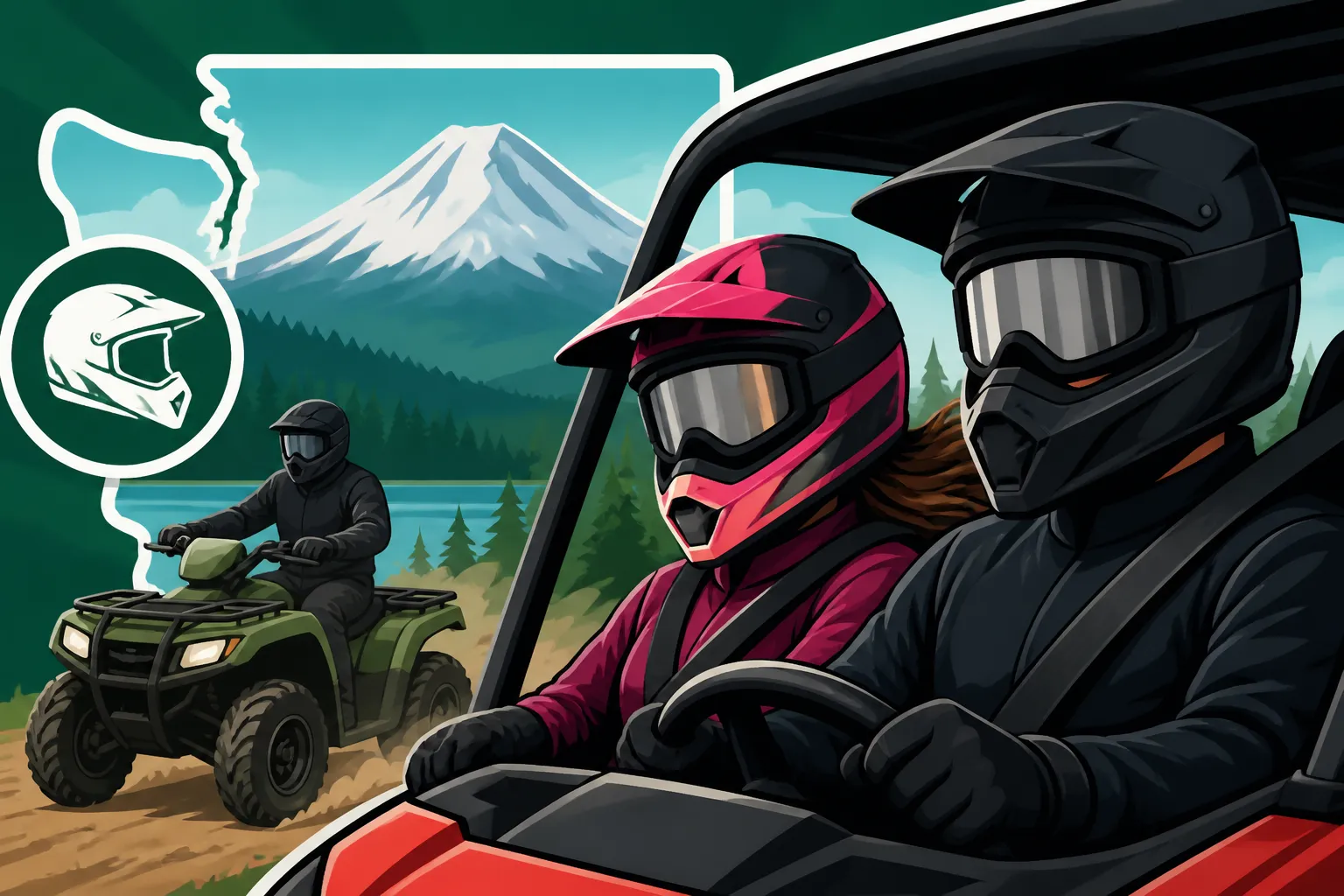
For adult passengers (16 and older), the rules again depend on the riding environment. If you're carrying an adult passenger purely off-road, the law doesn't mandate they wear a helmet (though, again, it's highly recommended for their safety). However, if you're riding a street-legal WATV on a public road with an adult passenger, then that passenger also must wear a DOT-compliant helmet. This falls under the same motorcycle helmet law that applies to the operator. So, if you're heading out for a cruise on your side-by-side on an approved county road, both you and your adult companion need to be wearing helmets. The specific details can be found in [Washington Helmet Law for Passengers]. It's your responsibility as the operator to ensure all occupants are properly geared up according to the law.
Choosing the Right Helmet and Ensuring Compliance
Beyond just knowing when to wear a helmet, understanding what kind of helmet to wear and how to ensure it's offering the best protection is crucial. A helmet is not just a piece of plastic; it's a meticulously engineered safety device designed to save lives and prevent devastating injuries. Making an informed choice and always prioritizing fit and certification will serve you well on every ride.
Understanding DOT Certification and Other Standards
When you're looking at helmets, you'll often see the letters "DOT" prominently displayed, usually on a sticker on the back. This stands for the U.S. Department of Transportation, and it signifies that the helmet has met the minimum safety standards set by the federal government. For riding on public roads in Washington, a DOT-certified helmet is what the law requires. It means the helmet has been tested to withstand certain impacts, has appropriate coverage, and won't shatter or deform in ways that would compromise your safety.
Beyond DOT, you might also encounter other certifications like Snell or ECE. Snell is a private, non-profit organization that conducts even more rigorous testing than DOT, often considered the gold standard for motorsports helmets. ECE (Economic Commission for Europe) is another highly respected international standard. While not legally required for on-road riding in Washington, a Snell or ECE certified helmet often provides a higher level of protection than a basic DOT-compliant one. When you're choosing a helmet, always look for that DOT sticker at a minimum, and consider upgrading to a Snell or ECE certified model if your budget allows for enhanced safety.
Fit, Comfort, and Type of Helmet for ATV/UTV Use
A helmet can only protect you if it fits correctly. A helmet that's too loose will shift around during an impact, potentially exposing your head or even coming off. One that's too tight will be uncomfortable, distracting, and might even lead you to not wear it at all. When trying on a helmet, it should be snug all around your head, without any pressure points. It shouldn't move side-to-side or up-and-down when you shake your head, and the cheek pads should press against your cheeks.
For ATV and UTV use, there are generally two main types:
- Full-face helmets: These offer the most comprehensive protection, covering your entire head, face, and chin. They are excellent for keeping out dust, debris, and branches, and provide superior impact protection. Many off-road specific full-face helmets have large eyeports designed to accommodate goggles, and good ventilation systems to keep you cool.
- Open-face helmets (often with goggles): While they offer less protection for the face and chin, they provide a wider field of vision and can feel less restrictive. If you choose an open-face helmet, always pair it with impact-resistant goggles to protect your eyes from debris, dust, and insects.
When considering helmets, think about features like removable, washable liners for hygiene, good ventilation for comfort on long rides, and compatibility with communication systems if you ride in a group. Even if you're primarily shopping for machine parts or upgrades from a company like SuperATV, remember that they also offer a variety of accessories for your rig that can enhance safety, such as durable roof systems for UTVs that can better protect occupants in a rollover, creating a safer environment even if a helmet isn't legally mandated.
What Happens If You Don't Comply? Penalties and Risks
Ignoring Washington's helmet laws can have immediate and severe consequences, both legally and physically. For instance, if you're an adult riding a street-legal WATV on a public road without a DOT-compliant helmet, you can expect a traffic citation and a fine. The same applies if you're supervising a minor who isn't wearing their required helmet, whether on or off-road. These fines can quickly add up, turning an enjoyable ride into an expensive lesson. You can get a sense of potential costs by looking at [Washington Fines for Illegal WATV Road Use], as helmet violations would fall under similar enforcement actions.
Beyond the financial penalties, the most significant risk is, of course, personal injury. A helmet is designed to absorb impact energy, reducing the force transmitted to your skull and brain. Riding without one, especially in an unpredictable off-road environment or on a busy public road, drastically increases your risk of severe head trauma, including concussions, skull fractures, and even permanent brain damage or death. Even a seemingly minor fall can have devastating consequences without proper head protection.
Furthermore, failing to comply with helmet laws could have implications for your insurance coverage. While [Washington ORV Registration and Insurance Proof] is generally not required for off-road use, it is for on-road use. If you're involved in an accident on the road and weren't wearing a legally required helmet, your insurance provider might dispute or reduce your claim for medical expenses or vehicle damage, arguing that you contributed to your injuries by not following the law. It's a risk that simply isn't worth taking when a helmet provides such vital protection.
Summary of Washington Helmet Laws
To help clarify the various requirements, here's a quick overview of Washington's helmet laws for ATV and UTV (ORV/WATV) riders and passengers:
| Scenario | Rider Age | Location | Helmet Required by Law? | Specifics/Notes |
|---|---|---|---|---|
| ORV Operator | Under 16 | Off-Road (Public) | Yes | DOT-compliant, absolutely mandatory for all public land off-road use. |
| ORV Passenger | Under 16 | Off-Road (Public) | Yes | DOT-compliant, absolutely mandatory for all public land off-road use. |
| ORV Operator | 16+ | Off-Road (Public) | No (Highly Recommended) | Not legally mandated for adults off-road, but strongly advised for personal safety. |
| ORV Passenger | 16+ | Off-Road (Public) | No (Highly Recommended) | Not legally mandated for adults off-road, but strongly advised for personal safety. |
| WATV Operator | All Ages | On-Road (Public) | Yes | DOT-compliant, mandatory for all operators on public roads. Falls under Washington's motorcycle helmet law. |
| WATV Passenger | All Ages | On-Road (Public) | Yes | DOT-compliant, mandatory for all passengers on public roads. Falls under Washington's motorcycle helmet law. |
| Private Land (Any Machine) | All Ages | Private Land | No (Owner's Discretion) | Not legally mandated by state law. Landowner rules or lease agreements may require it. Always recommended for safety. |
Navigating the various rules for riding ATVs and UTVs in Washington State can certainly be a headache, especially when it comes to understanding exactly when and why helmets are required. Our hope is that this comprehensive guide has cleared up the confusion, validated your frustrations with the complexity, and equipped you with the clear, actionable information you need to ride safely and legally. Whether you're hitting the dirt trails or cruising an approved county road, knowing the law, prioritizing a properly fitted, DOT-compliant helmet, and always riding with safety in mind will ensure that your adventures are memorable for all the right reasons. Stay safe out there, and enjoy those Washington trails and roads!
Disclaimer
This article is for general informational purposes only and does not constitute professional advice. Laws, prices and regulations vary by location and change over time. Consult a qualified professional for guidance on your specific situation.