Washington’s ORV Helmet Rule Explained
Navigating the rules and regulations for ATVs, UTVs, and other off-road vehicles in Washington State can feel like trying to untangle a particularly stubborn knot. One of the most common points of confusion, and frankly, frustration, revolves around helmet requirements. Do you always need one? Does it change if you're on a forest road versus a paved county road? This guide is here to cut through the noise and provide clear, detailed answers about Washington's ORV helmet rule, ensuring you and your passengers stay safe and legal on every ride.
Understanding Washington's ORV Helmet Laws: The Basics
When you're out enjoying the incredible trails and diverse terrain Washington has to offer, safety is paramount. And let's be honest, few things are as critical to safety as a good helmet. Washington's laws around helmets for Off-Road Vehicles (ORVs), which include ATVs, UTVs (or side-by-sides), dirt bikes, and snowmobiles, are designed to protect riders and passengers. However, these rules aren't always a simple "yes" or "no" answer; they often depend on who is riding and where. The state makes a distinction between general off-road use and the specific requirements for Wheeled All-Terrain Vehicles (WATVs) when they're allowed on public roads. It's a system that, while well-intentioned, can certainly lead to a lot of head-scratching.
Helmet Requirements for Riders Under 16
For many families who enjoy off-roading, the rules for younger riders are often the first question. Washington State has very clear, strict guidelines for anyone under the age of 16 operating or riding as a passenger on an ORV. This is for good reason; young bodies are more vulnerable, and a helmet provides essential protection against head injuries in case of a fall or collision. It’s not just a suggestion; it’s a legal mandate that carries consequences if ignored.
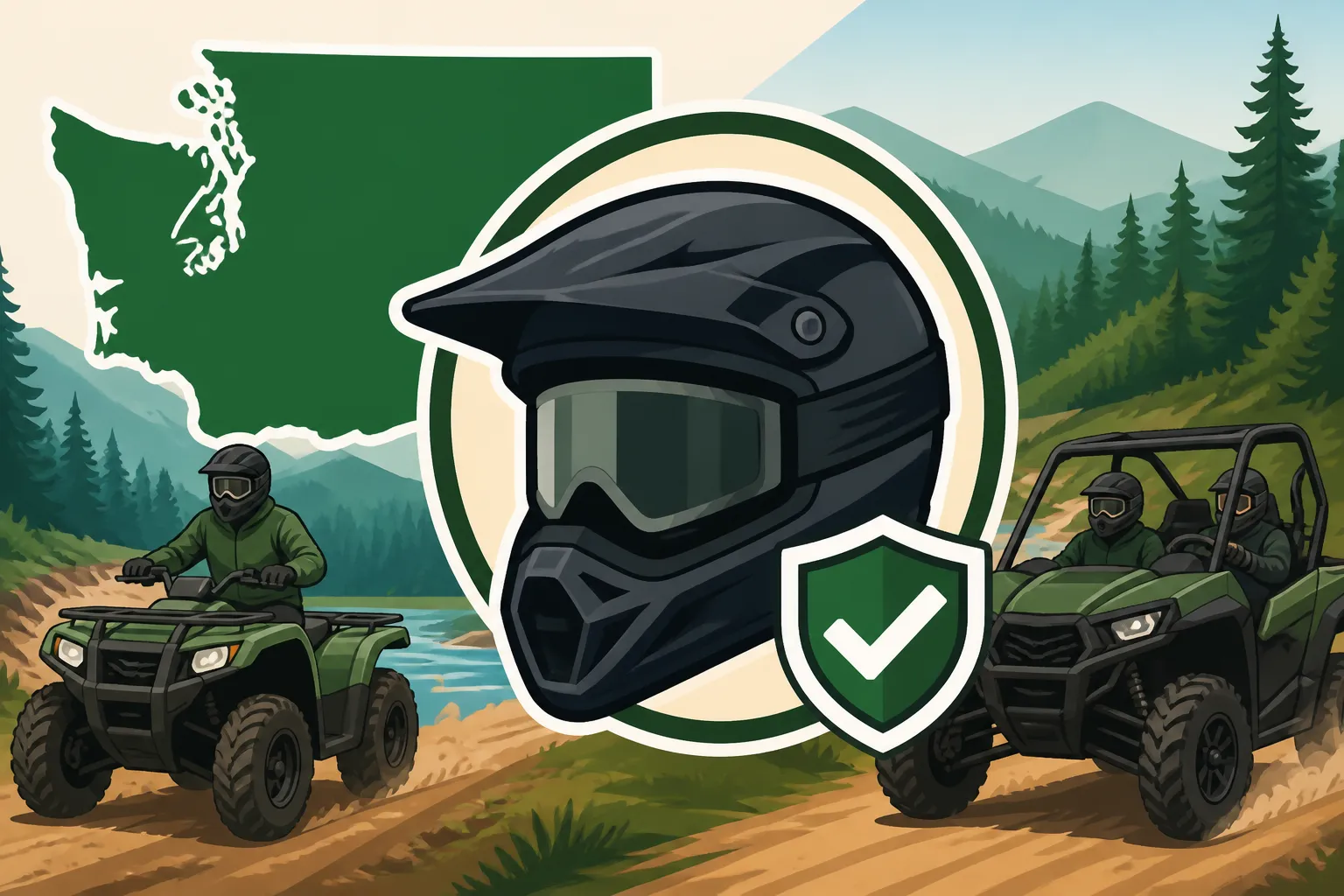
If you have a child who loves to ride, whether they're behind the handlebars of a youth-sized quad or sitting comfortably in the passenger seat of your side-by-side, they must wear a properly fitting United States Department of Transportation (DOT) approved helmet. This rule applies anytime they are operating or riding an ORV on public lands, designated ORV parks, or even on private land where it's open to the public for recreational use. There’s no gray area here, no exceptions based on speed or skill level. The goal is to instill safe riding habits from a young age and protect them from preventable injuries. This commitment to safety also extends to [Washington Rules for a Rider Under 16] regarding supervision.
Helmet Rules for Adults and Passengers Over 16
Now, here's where things get a little more nuanced, and often, where the most confusion arises for adult riders. For individuals aged 16 and older, the helmet requirement in Washington State depends on where you are riding.
For Off-Road Use (Trails, Dunes, Forest Roads not open to WATVs): If you are 16 or older and operating or riding as a passenger on an ORV (including ATVs, dirt bikes, and UTVs) on designated off-road trails, dunes, or forest roads that are not explicitly open to WATV use under the road-use statute, you are generally not legally required to wear a helmet. This might seem counter-intuitive to some, especially those who advocate for universal helmet use, but that's how Washington law is currently written for these specific scenarios. However, while not legally mandated, wearing a helmet is always a smart safety practice. Most experienced riders, even when not required, choose to wear one. After all, a head injury can happen just as easily on a dirt trail as it can on a paved road. Many riders choose to invest in high-quality helmets from reputable brands, recognizing that protection is priceless, regardless of the law.
For On-Road Use (WATVs on County Roads, City Streets, or Highway Crossings): This is where the rules change significantly. If you are operating a WATV (which includes many ATVs and UTVs that meet specific criteria) on public roads or streets where they are legally allowed, all riders and passengers, regardless of age, are required to wear a DOT-approved helmet. This brings WATVs in line with motorcycle helmet laws when they are operating in a similar traffic environment. This rule applies whether you're cruising down a county road that has been opened for WATV access, [Crossing a Highway Posted Fifty], or riding through a city that has adopted an ordinance to allow street-legal ORV use. The rationale is clear: the risk of serious injury in a collision with another vehicle at road speeds is substantially higher, making helmet use a critical safety measure. This is a key part of [Washington WATV Road Requirements] for safety.
When Washington's Helmet Rule Changes: Road Use Specifics
Washington's laws are designed to differentiate between dedicated off-road recreation and the limited on-road use permitted for certain ORVs. This distinction is crucial, especially when it comes to helmet requirements. Thinking of your ATV or UTV as having a dual personality—one for the dirt, one for the asphalt—can help make sense of the regulations.
Helmets for WATVs on Open County Roads and City Streets
If you've gone through the process of making your Wheeled All-Terrain Vehicle (WATV) street legal in Washington, which involves titling, registration with both an off-road and on-road tab, a safety inspection, and often modifications for things like turn signals and mirrors, then you're ready to explore those designated county roads and city streets. But with this privilege comes added responsibility, particularly regarding safety gear.
For WATVs operating on any public road or street where they are permitted by local ordinance or state law, Washington State law requires every occupant, from the driver to every single passenger, to wear a DOT-approved helmet. This isn't just a suggestion; it's a mandatory requirement that mirrors motorcycle helmet laws. This rule applies to everyone, regardless of age, meaning both adults and minors must be helmeted. The logic here is that when you're sharing the road with cars, trucks, and other conventional vehicles, the speeds are higher, and the potential for a severe collision increases dramatically. A helmet provides crucial protection in such scenarios. So, if you're taking your side-by-side on [Riding Unincorporated Pierce County] or navigating the streets of [Riding Through Lake Stevens], make sure everyone has their helmet strapped on correctly. This also ties into [Washington Helmet Law for Passengers] who are riding along.
Eye Protection and Windshields: What's Required?
Closely related to helmet laws, especially for road use, are requirements for eye protection and windshields. In Washington, if you're operating a WATV on public roads, and the vehicle does not have a windshield, you are generally required to wear eye protection. This could be goggles, a face shield integrated into your helmet, or impact-resistant glasses. The goal is to protect your eyes from debris, insects, and wind that could impair your vision and lead to an accident.
However, if your WATV does have a windshield that is in good condition and provides adequate protection from the elements, then separate eye protection may not be explicitly required. This is particularly relevant for many utility terrain vehicles (UTVs) or side-by-sides, which often come with or can be easily outfitted with a full windshield. Many riders opt for quality windshields, perhaps even a full cab enclosure, from accessory providers like SuperATV to enhance comfort and protection from the elements year-round, which in turn can satisfy the eye protection requirement. It's important to remember that the windshield must be functional and clear, not cracked or excessively scratched, to count as adequate protection. Always check the specific wording of the law to ensure your setup complies, especially before you hit the pavement.
Exceptions, Exemptions, and Specific Scenarios
While the general rules are fairly clear, Washington's ORV laws, like many statutes, do have a few specific nuances and conditions that can sometimes act as exceptions or warrant further explanation. Understanding these particular scenarios can help you navigate less common situations without running afoul of the law or compromising safety.
Riding on Private Land and Designated ORV Parks
When it comes to riding on private land, the rules can vary significantly. If you own the land, or have explicit permission from the landowner, and it's not generally open to public recreational use, then state helmet laws typically do not apply to adults (16 and over). The landowner may set their own rules, of course, and for anyone under 16, the state's helmet law still holds. This is because the state's jurisdiction for helmet mandates primarily covers public lands and designated recreational areas.
However, the moment you enter a designated ORV park, even if it's privately owned but open to the public for a fee, the state's rules generally kick back in. This means that if it's a trail designed for off-road vehicle use, adults (16+) are generally not legally required to wear a helmet, but it's highly recommended. For those under 16, a DOT-approved helmet is mandatory, no matter the type of ORV or the private ownership of the park. Places like [Walker Valley ORV in Washington's Skagit County] or [Green Mountain and Tahuya State Forest] (which are state-managed) fall under these public land rules. Always check the specific rules of any private park or riding area, as they may have their own stricter requirements regarding safety gear.
Agricultural and Commercial Use Exemptions
There are specific exemptions in Washington law for the use of ORVs in agricultural or commercial operations. If an ORV is being used strictly for farming, ranching, or other legitimate commercial purposes on private land or on public land where such use is permitted, the standard recreational ORV helmet laws may not apply. This is often because these vehicles are being operated at low speeds, sometimes within confined areas, and are considered tools for work rather than recreational machines.
For example, a farmer moving irrigation equipment with a UTV across their fields, or a utility worker inspecting power lines on a forest service road, might fall under these exemptions. However, it’s critical to understand that this exemption is narrowly defined. It does not apply if the vehicle is being used for recreation, even if it's a machine typically associated with work. The intent and nature of the use are key. If you're using your ATV to haul firewood from your back forty, it likely falls into this exemption. But if you're taking that same ATV out for a joyride after you've finished your chores, the standard ORV rules, including those for minor riders, would apply. These specific scenarios highlight why understanding the nuances of the law is so important, especially when a machine has multiple uses.
Ensuring Compliance: Gear, Inspections, and Best Practices
Staying safe and legal isn't just about knowing the rules; it's about actively implementing them. This means choosing the right gear, understanding how it contributes to your safety, and making sure your machine meets all the necessary legal standards.
Choosing and Maintaining DOT-Approved Helmets
When the law requires a helmet, it specifically calls for a "DOT-approved" helmet. This isn't just a suggestion about quality; it's a regulatory standard. The DOT (Department of Transportation) certification means the helmet has met specific safety tests for impact absorption, penetration resistance, and retention. Look for the DOT sticker on the back of the helmet; without it, even if a helmet looks robust, it might not legally satisfy the requirement. There are also higher standards like Snell and ECE, which offer even greater protection, but DOT is the minimum legal bar.
Choosing the right helmet involves more than just seeing the sticker. It needs to fit snugly but comfortably, without excessive movement, and it should be appropriate for the type of riding you do. An open-face helmet might be fine for a casual cruise, but a full-face helmet offers superior protection for aggressive trail riding or higher-speed road use. Helmets also have a lifespan. The protective materials inside can degrade over time, and any helmet that has sustained an impact, even if it looks okay, should be replaced immediately. Regularly inspect your helmet for cracks, worn straps, or any signs of damage. Remember, a well-maintained, properly fitting helmet, perhaps purchased from a vendor like SuperATV who offers a wide selection, is your most vital piece of safety gear. This also applies to [Washington Helmet Law for WATV Riders] who prioritize their safety.
WATV Safety Inspections and Helmet Rules
For those who wish to ride their WATV on Washington's public roads, a crucial step in the process is the safety inspection. This inspection ensures that your machine has the necessary equipment—like headlights, taillights, turn signals, mirrors, a horn, and proper brakes—to be safely operated alongside conventional traffic. While the inspection itself primarily focuses on the machine's equipment, it's intrinsically linked to the helmet requirement. The very act of undergoing and passing this inspection signifies that your vehicle is being prepared for road use, which then triggers the mandatory helmet rule for all occupants.
The inspection doesn't check your helmet directly, but it's a prerequisite for the registration that allows you to ride on roads where helmets are required. Therefore, preparing for a WATV inspection should also include ensuring you and your passengers have compliant helmets ready for when you hit the road. Think of it as part of a complete package for street legality. No one wants to pass their inspection, get their road tab, and then immediately get a citation for not wearing a helmet. Understanding [Washington WATV Safety Inspection Cost] is part of the overall cost of legal road riding, and helmets should be budgeted similarly.
Table: Washington ORV Helmet Requirements Summary
| Rider Age | Riding Location | Helmet Required? | Specifics / Notes |
|---|---|---|---|
| Under 16 | Off-Road (Trails, Dunes, Forest Roads) | YES | Must be DOT-approved. Applies to both operators and passengers. |
| Under 16 | On-Road (WATVs on County Roads, City Streets) | YES | Must be DOT-approved. Applies to both operators and passengers. |
| 16 and Over | Off-Road (Trails, Dunes, Forest Roads) | NO (but highly recommended) | No legal requirement for DOT-approved helmet, but always a good safety practice. |
| 16 and Over | On-Road (WATVs on County Roads, City Streets) | YES | Must be DOT-approved. Applies to both operators and passengers. Required for [Washington Driver License Rules for WATVs] in this scenario. |
| Any Age | Agricultural/Commercial Use (specific conditions) | Generally NO | Exemptions exist for machines used strictly for work purposes; check specific use case. |
The Role of Enforcement and Potential Penalties
The rules are only as effective as their enforcement, and Washington State Patrol and local law enforcement agencies do monitor ORV activity, both on and off-road. If you are found riding in an area where helmets are required and you or a passenger are not wearing one, you could face a citation. A ticket for a helmet violation can come with a fine, and it can certainly put a damper on your day of riding. These fines are designed to encourage compliance and emphasize the state's commitment to safety, especially for vulnerable younger riders and anyone operating a WATV on public roads.
Beyond financial penalties, there's the far more serious consequence of injury. A head injury can be life-altering, and statistics consistently show that helmets significantly reduce the risk of severe head trauma in accidents. So, while you might be focused on avoiding a ticket, the ultimate goal of these laws is to protect your well-being. Always choose safety first, even when the law gives you a loophole. Riding smart means riding protected. And remember, the rules are often clearer for scenarios like [Riding Pavement With Only the Off-Road Tab], where the answer is typically a resounding "no."
Common Misconceptions and What a Trooper Really Looks For
There's a lot of chatter and anecdotal advice floating around about ORV laws, and sometimes, those bits of misinformation can put riders in a tricky spot. Separating fact from fiction is key to confident and legal riding in Washington.
The "Under-18" Misconception vs. "Under-16" Law
One of the most common misconceptions revolves around the age cut-off for mandatory helmet use. Many riders mistakenly believe that helmets are required for everyone under 18 years old when riding an ORV off-road. While some states do have an "under 18" rule for helmets, Washington's specific law for general ORV use (not on public roads) sets the mandatory helmet age at under 16. This means that once a rider turns 16, they are no longer legally required to wear a helmet when operating an ORV on off-road trails, forest roads, or other designated ORV areas that aren't also open to WATV road use.
However, as discussed, this changes entirely when a WATV is operated on an open public road or street. In that specific scenario, all occupants, regardless of age (even those 16 and older), must wear a DOT-approved helmet. It's a critical distinction: the age threshold for off-road use is 16, but the requirement for road use is universal. Always double-check the location and the age of the rider to apply the correct rule. This nuance is why understanding the [Washington ORV Permits Explained] and their associated rules is so critical.
What a Trooper Checks During a Roadside Stop
When a Washington State Trooper or local law enforcement officer stops an ORV, particularly a WATV on a public road, they're looking for several things beyond just helmet compliance. For road-legal WATVs, they'll verify current registration (both the off-road and on-road tabs), proof of a valid driver's license for the operator, and often proof of insurance, which is mandatory for road use. They'll also check for required equipment like working lights, mirrors, turn signals, and a horn.
Regarding helmets, the officer will visually confirm that all occupants are wearing a helmet and that it appears to be DOT-approved (by looking for the sticker). They'll also ensure it's properly fastened. For those under 16, even on off-road trails, an officer might check if the minor is supervised by a licensed adult as required by law. The overall impression you give – a responsible, prepared rider – can go a long way. Always carry your required paperwork, like your registration and license, in a dry, easily accessible place on your machine, especially if you're riding in an area known for rain. [Keeping Paperwork Dry in the Rain] is a simple but important tip for any rider.
Disclaimer
This article is for general informational purposes only and does not constitute professional advice. Laws, prices and regulations vary by location and change over time. Consult a qualified professional for guidance on your specific situation.