Washington WATV Metal Tag Replacement
It's frustrating when you're all geared up for a weekend ride on your Washington Wheeled All-Terrain Vehicle (WATV), only to realize that crucial little metal tag has gone missing or is so battered you can barely read it. This guide is here to walk you through exactly what that metal tag is, why it's so important for your off-road adventures, and how you can easily replace it so you can get back to enjoying Washington's incredible trails.
Understanding the Washington WATV Metal Tag
For many WATV owners in Washington, the metal tag is a small but mighty piece of identification. It's not just a decorative item; it serves a crucial purpose in ensuring your machine is properly recognized and that you're contributing to the upkeep of the very trails you love to ride. Losing it or having it become unreadable can put a real damper on your plans, but understanding its role is the first step toward keeping everything in order.
What Exactly is the Metal Tag and Why Do We Need It?
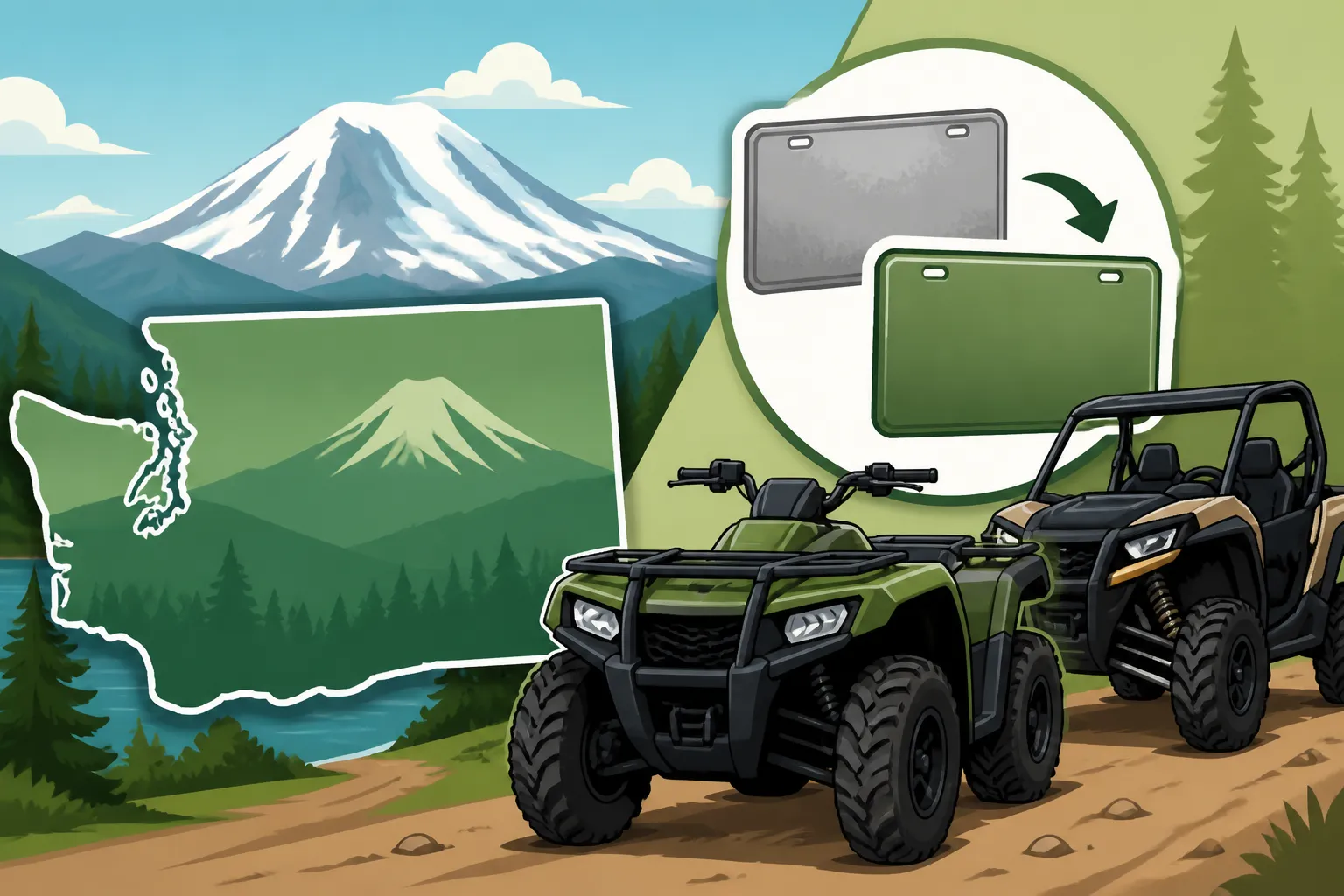
Think of your WATV's metal tag as a miniature license plate, specifically designed for off-highway vehicles. It's a small, usually rectangular, piece of metal with your machine's unique Washington registration number stamped onto it. Unlike the license plates you see on cars, which are designed for on-road visibility, the WATV metal tag is primarily for identification by law enforcement, land managers, and fellow riders. It signifies that your WATV is properly registered with the Washington State Department of Licensing (DOL) and that you've paid the necessary fees to use designated non-highway vehicle routes and lands.
The metal tag is a key part of how Washington identifies registered off-road machines. It's often affixed in a prominent, visible spot, usually on the rear fender or a frame member, so it can be easily checked. This simple tag helps ensure that all riders are contributing their share to the non-highway vehicle account, which funds trail maintenance, land acquisition, and enforcement. Without it, there's no easy way for officials to verify that your machine is compliant, leading to potential fines or issues on the trail. For a deeper dive, check out [The Washington Metal Tag Explained].
The Seven-Year Lifespan of Your Washington Metal Tag
One common point of confusion for WATV owners is the lifespan of the metal tag itself. While your WATV's registration decals need to be renewed yearly, that little metal tag actually has a much longer life. It's issued for seven years, meaning you won't need to get a new one every single year when you renew your registration. This extended lifespan is designed for convenience, reducing the hassle and waste of producing a new metal tag annually.
However, that doesn't mean it's indestructible. Seven years can be a long time in the life of an off-road machine. It sees sun, rain, mud, dust, and vibrations, all of which can take their toll. While the decals change annually, the underlying metal tag is meant to stay with your machine for the better part of a decade. This is a deliberate choice by the state, balancing the need for permanent identification with the wear and tear these machines experience. For more on this, you might find [Why the Tag Is Replaced Every Seven Years] insightful.
Common Reasons You Might Need to Replace Your Tag
Even with its seven-year lifespan, there are several very common reasons why you might find yourself needing a new Washington WATV metal tag sooner than expected. Our machines lead adventurous lives, and sometimes that means bumps, scrapes, or even outright loss.
- Damage: This is perhaps the most frequent reason. Your WATV goes over rough terrain, through tight brush, or even takes a tumble. The metal tag, being exposed, can get bent, scratched, or even ripped off. If the numbers become unreadable, it's as good as gone, because its primary purpose is clear identification.
- Loss or Theft: Sometimes, a tag can simply vibrate loose and fall off on a bumpy trail, or unfortunately, your machine might be stolen, and when recovered, the tag is missing. While less common, tags can also be purposefully removed by others.
- Wear and Tear: Over seven years of exposure to the elements and trail abuse, the stamping on the tag can simply wear down, fade, or become obscured by rust or corrosion, especially if the machine isn't regularly cleaned or stored carefully. A tag that's unreadable serves no purpose and needs replacement.
- Buying a Used Machine: If you've just purchased a used WATV from a private seller, and the existing metal tag is already damaged or missing, you'll need to secure a replacement as part of getting the machine legally registered in your name. It's a good practice to thoroughly inspect the tag's condition before finalizing any purchase. Ensuring all your paperwork, like a clear bill of sale, is in order is crucial, and services like LawDepot can help you draft these kinds of important documents to protect your investment.
The Process of Replacing Your Washington WATV Metal Tag
Once you've identified that your metal tag needs replacing, the good news is that the process is straightforward and typically much simpler than a full initial registration. The Department of Licensing understands that accidents happen and parts get lost, so they've streamlined the replacement procedure. It's all about providing clear proof of ownership and current registration.
When to Act: Identifying the Need for a Replacement
It’s easy to let a slightly bent or faded tag go unnoticed, especially when you’re focused on the fun of riding. However, it’s important to address any issues with your metal tag promptly. The primary indicator that you need a replacement is if the numbers on the tag are no longer clearly legible, or if the tag itself is physically missing from your machine. If a park ranger or law enforcement officer can't easily read your registration number, you could be cited for an unregistered vehicle, even if your annual decals are up to date.
Another trigger for action is if you've recently bought a used machine and, during your inspection, you notice the tag is in poor condition or absent. Don't wait until your first ride to discover this problem. Address it during the registration transfer process. Being proactive saves you headaches down the line and ensures you're always riding legally. When considering any WATV transaction, having proper documentation like a well-drafted bill of sale is critical, and resources like LawDepot can be invaluable for ensuring these records are complete and legally sound.
Gathering Your Documentation for Replacement
Replacing your metal tag requires a bit of paperwork, but it's nothing too onerous. The main goal is for the DOL or subagent to verify that you are the rightful owner of the WATV and that the machine is indeed registered in Washington. Here's what you'll typically need to have on hand:
- Your Current WATV Registration Certificate: This is the most important document. It proves your machine is currently registered and shows the WATV's identification number (VIN) and your owner information. Even if your physical metal tag is missing or damaged, your registration certificate holds all the necessary data.
- Your Photo Identification: A valid driver's license or state ID card is necessary to confirm your identity as the registered owner.
- Information about the Damaged/Lost Tag (if applicable): While not always a specific "document," be prepared to briefly explain the circumstances of the damage or loss. Was it bent? Did it fall off? This helps them log the replacement.
- Any Applicable Forms: While often handled directly at the counter, you might fill out a simple form requesting a replacement. This will usually be available at the licensing office.
The key is to present clear evidence that you are who you say you are, and that the WATV belongs to you and is registered. Having your [Washington WATV Registration Paperwork] organized makes this step a breeze.
Where to Go and What to Expect
When you're ready to get your replacement metal tag, you have a couple of convenient options in Washington state:
- Visit a Vehicle Licensing Office or Authorized Subagent: These are your primary go-to locations. The Washington State Department of Licensing (DOL) operates various offices, and there are numerous privately owned vehicle licensing subagents throughout the state. These subagents are often more conveniently located and offer extended hours. You can usually find one nearby in your community, whether it's in a town like Enumclaw or out in the more rural areas of Ferry County.
- The Process at the Counter:
- Present Your Documents: Hand over your registration certificate and photo ID to the clerk.
- Explain Your Need: Clearly state that you need to replace a damaged or lost WATV metal tag.
- Pay the Fee: There's a small fee for the replacement tag, which covers its cost.
- Receive Your New Tag: In most cases, the replacement tag will be issued to you on the spot. You'll walk out with a brand-new metal tag ready to be affixed to your WATV.
It's a pretty quick transaction, designed to be efficient. You don't usually need an appointment, but checking the office's hours before you go is always a good idea. To learn more about where these services are available, consider reading [Washington ORV Registration at a Subagent].
Costs and Considerations for Your New Metal Tag
Replacing your WATV metal tag is a minor expense compared to the overall cost of owning and maintaining your off-road machine, but it's important to understand what's involved. Beyond the financial aspect, there are practical considerations for properly mounting and maintaining your new tag.
The Affordable Cost of a Replacement Tag
You'll be relieved to know that replacing your Washington WATV metal tag is very inexpensive. We're talking about a nominal fee that barely registers on the budget. This low cost is because you're not paying for a new registration, just for the physical piece of metal. It's a testament to the state's understanding that these items can get lost or damaged through normal use.
While the annual registration for your WATV might involve a slightly higher fee (especially if you opt for both off-road and on-road tabs), the replacement tag itself is usually just a couple of dollars. This small fee covers the administrative cost and the material of the tag, making it truly an accessible and stress-free process. Knowing that [The $2 Tag Replacement in Washington] is all it takes can be a huge relief if you've ever dealt with more expensive replacement vehicle parts. For a broader financial perspective, you can compare this minor cost to the overall [Washington WATV Registration Cost].
Here’s a quick overview of what you might expect when comparing initial registration to a simple tag replacement:
| Item | Typical Cost (Approximate) | Frequency | Notes |
|---|---|---|---|
| WATV Metal Tag | Low, under $5 | Once every 7 years, or as needed | Replaces lost/damaged tag, not registration. |
| WATV Off-Road Tab | ~$30-40 | Annually with registration renewal | Required for off-road riding. |
| WATV On-Road Tab | ~$10-15 (add-on) | Annually with registration renewal | Optional, for street-legal use in allowed areas. |
| Discover Pass | ~$30 (day pass) / ~$80 (annual) | As needed / Annually | For access to WA state recreation lands. |
Please note that these are approximate figures and can change. Always check the official Washington State Department of Licensing website or a local subagent for the most current fees.
Mounting Your New Metal Tag Correctly
Once you have your shiny new metal tag in hand, the next critical step is to mount it correctly on your WATV. The point of the tag is visibility, so securing it in the proper location is paramount. Washington law dictates that the metal tag must be clearly visible from the rear of the machine.
Most WATVs have a designated spot, often on the rear fender, a dedicated bracket, or a frame member, where the tag is designed to be bolted. Use durable fasteners – small bolts, nuts, and washers – to ensure it stays put. Avoid using zip ties or adhesive alone, as these can fail under the stresses of off-road riding, leading to another lost tag.
- Location: Aim for a flat surface on the rear of your machine, away from moving parts or areas prone to heavy mud or impact.
- Visibility: Ensure it's not obscured by cargo racks, bags, or other accessories. It needs to be readable at a glance.
- Security: Double-check that all fasteners are tightened securely. Consider using threadlocker if vibration is an issue on your machine.
Proper mounting prevents loss and ensures compliance. For specific guidance on ideal placement, you can review [Where the Metal Tag Mounts].
Why Keeping Your Documentation Updated Matters
Replacing your metal tag is a good reminder of the importance of keeping all your WATV documentation current and safe. An easily readable metal tag is just one piece of the puzzle. Your annual registration decals and the physical registration certificate that you receive each year are equally vital. It's not enough to simply have the metal tag; you must also have current decals affixed to your machine and carry the registration card with you when you ride.
Imagine getting stopped on a trail by a ranger. They'll check your metal tag, your decals, and ask to see your registration card. If any of these are missing or expired, you could face penalties. Keeping your registration up-to-date and renewing it annually, especially with [Washington WATV Registration Renewal], ensures you're always covered. Furthermore, safeguarding your original purchase documents, like a bill of sale, is crucial for proving ownership, especially if you ever need to process a major insurance claim or if there are disputes. Services like LawDepot can assist you in creating and storing these important legal documents securely. Always make sure your paperwork, including the physical registration card, is [Carrying the Registration in the Machine] in a waterproof container, safe from the elements and readily accessible. It’s a small effort that prevents big headaches.
Disclaimer
This article is for general informational purposes only and does not constitute professional advice. Laws, prices and regulations vary by location and change over time. Consult a qualified professional for guidance on your specific situation.