Washington WATV Metal Tag Cost
Navigating the world of Washington WATV (Wheeled All-Terrain Vehicle) registration can feel like slogging through deep mud – confusing, frustrating, and you're never quite sure what costs are coming next. One common point of confusion is the metal tag: what it is, why you need it, and critically, what it's actually going to cost you. This guide is here to clear up the confusion, explain the metal tag's role, and give you a realistic breakdown of its associated expenses, so you can ride with confidence, not sticker shock.
Understanding the Washington WATV Metal Tag
When you first dive into the world of off-road vehicle ownership in Washington, you quickly learn that it's a little different from registering a car. The state has specific requirements for WATVs, including a unique metal tag. This isn't just a fancy accessory; it's a crucial part of identifying your machine and ensuring it's legally registered for use on approved trails and roads.
What Exactly is the Metal Tag?
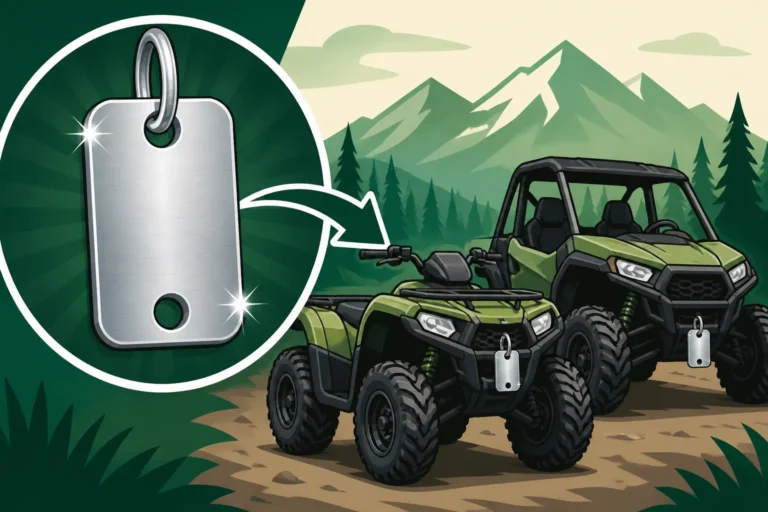
The Washington WATV metal tag is a small, durable piece of aluminum that serves as a permanent identification marker for your off-road vehicle. Unlike the annual registration tabs (decals) that change color each year and stick to your fenders, the metal tag is a one-time issuance designed to last for a much longer period. It carries a unique number that corresponds to your vehicle's registration, acting as a direct link to the Department of Licensing (DOL) records. Think of it as your WATV's birth certificate, but bolted to the frame. It's meant to endure the rigors of off-road riding, from mud and dust to bumps and scrapes, so that law enforcement or land managers can easily identify your machine if needed. Its robust nature is precisely why [Why the Tag Is Replaced Every Seven Years] is usually the case, rather than every year.
Initial Cost When You First Register
When you first title and register your WATV in Washington, the metal tag is part of that initial setup. You're not typically paying for it as a separate, standalone item you pick off a shelf. Instead, its cost is usually bundled into the overall first-time registration fees. This means that when you head to your local vehicle licensing office, you'll pay a total sum that covers the issuance of your title, your initial off-road tab, and the metal tag. It's an administrative fee to get that durable piece of identification issued and linked to your machine. For most riders, this initial charge for the metal tag is quite modest compared to the other fees involved. It’s part of the necessary steps to get your machine legal, right alongside getting your title in your name and securing those yearly decals. You can often find this specific line item detailed as the Washington WATV Metal Tag Cost in the overall fee breakdown.
Why it's Not a Yearly Expense Like Tabs
This is a key distinction that often trips up new WATV owners. Unlike the annual registration tabs – those colorful decals you renew every year and affix to your fenders – the metal tag is generally a one-time charge for its initial issuance. Your annual costs will primarily revolve around renewing your off-road tab, and potentially an on-road tab if you've opted for street-legal use. The metal tag, however, is designed for longevity. It stays with the machine for years, acting as a semi-permanent identifier. The state sees it as an enduring component of your vehicle's identity, much like the VIN on your frame. This structure is intended to simplify things; once it's on, you usually don't have to think about its cost again for a very long time, allowing you to focus on the yearly renewal of your [Washington's Two-Tab System] instead. The intent is for it to be a set-it-and-forget-it item, financially speaking, unless something unforeseen happens.
When You Might Pay for a Metal Tag Again
While the metal tag is designed to be a long-lasting identifier, life happens. Tags can get lost, damaged, or become unreadable over time. In these specific circumstances, you will need to replace your metal tag, incurring a new, albeit usually small, cost.
Replacing a Lost or Stolen Tag
Imagine you've just returned from an epic ride, covered in mud and grinning from ear to ear, only to realize your metal tag is gone. Perhaps it vibrated loose on a particularly rocky trail, or worse, your machine was targeted, and the tag removed. It's a frustrating situation, but it's not the end of the world. When your metal tag is lost or stolen, Washington law requires you to obtain a replacement. The process usually involves a visit to a vehicle licensing office or subagent, filling out the necessary paperwork, and paying a small fee. This replacement fee covers the administrative cost of issuing a new tag and updating your vehicle's records. It’s a minor expense, but an unavoidable one to ensure your WATV remains fully compliant. The good news is that this replacement cost is typically very minimal, often referred to as [The $2 Tag Replacement in Washington]. While you hope it never happens, it's good to know the financial impact is usually negligible.
Replacing a Damaged or Unreadable Tag
Our WATVs are built for adventure, and sometimes adventure takes its toll. Whether it's a fender bender on the trail, a rock flung up by a tire, or just years of exposure to sun, rain, and mud, your metal tag can become damaged or simply unreadable. If the numbers or state identifier on your tag are obscured, bent beyond recognition, or otherwise illegible, it loses its effectiveness as a legal identifier. In such cases, you’ll need to replace it. Think about it from a law enforcement perspective: if they can't clearly read the tag, it's as good as not having one at all. Replacing a damaged tag follows much the same process as replacing a lost one, involving the same modest fee. It’s a necessary step to maintain compliance and avoid potential issues if you're ever stopped or your machine needs identification. The state aims to keep this cost low, recognizing that wear and tear is an inevitable part of off-road riding. Therefore, if your tag has seen better days, don't delay in getting it replaced, especially if it's becoming difficult to read, which is a clear sign that [When a Metal Tag Is Too Worn to Read] has arrived.
Transferring Ownership and the Tag
When you buy a used WATV in Washington, you might wonder if you'll need a new metal tag. Generally speaking, the metal tag is considered to be associated with the machine itself, not solely the owner. So, if the previous owner had a valid metal tag affixed to the WATV, it usually stays with the vehicle when ownership is transferred. Your primary task as the new owner will be to title the machine in your name and register it, which will involve getting new annual tabs.
However, there are situations where you might end up paying for a metal tag even after buying a used machine:
- Missing Tag: If the machine you bought is missing its metal tag entirely. The previous owner might have lost it, or it was never properly issued. In this case, you, as the new owner, will need to apply for a replacement as part of your registration process.
- Damaged/Unreadable Tag: Similar to the scenario above, if the tag is present but heavily damaged or unreadable, you'll be responsible for replacing it.
- Never Registered: Very rarely, you might encounter a machine that was never properly titled or registered, and therefore never had a metal tag issued. This is a more complex situation that requires initiating the full titling and registration process, which would include the initial issuance of the metal tag.
When you're involved in the sale or purchase of a used WATV, whether you're the one engaged in [Selling a WATV in Washington] or you're about to start [Buying a Used ATV in Washington], it's always a good idea to confirm the status of the metal tag. Checking its presence and readability is a crucial step in ensuring a smooth transfer of ownership and avoiding unexpected costs later. You might even find it useful to document the condition of the tag (or its absence) on a bill of sale, and resources like LawDepot can provide templates to ensure all these details are legally captured, protecting both buyer and seller.
Where the Metal Tag Fits into Your Overall WATV Budget
The metal tag's cost, while important to understand, is just one small piece of the larger financial puzzle of owning and operating a WATV in Washington. It's essential to see it in context with all the other fees and expenses you'll encounter.
The Full Picture of Washington WATV Registration Costs
When you add up all the necessary fees for a WATV in Washington, the metal tag stands out as one of the least frequent expenses. Your yearly budget will primarily be concerned with renewing your tabs, which are essential for legal riding. Here’s a quick overview to help you visualize where the metal tag fits:
| Item | Frequency | Typical Cost Type (See DOL for Current Rates) | Purpose |
|---|---|---|---|
| Title Application | One-time | Fee | Establishes legal ownership. |
| WATV Metal Tag | One-time | Fee (initial) | Permanent vehicle identification number plate. |
| Off-Road Tab (Decal) | Annual | Fee | Required for riding on designated ORV trails and non-highway roads. |
| On-Road Tab (Decal) | Annual (Optional) | Fee | Required for legal use on approved public roads (in addition to Off-Road Tab). |
| Sales/Use Tax | One-time | Percentage of purchase price (Varies by location) | Paid upon purchase or initial registration (for private sales). |
As you can see, the metal tag is listed under "One-time" for its initial issuance. This makes it a relatively minor blip on your financial radar compared to the recurring annual costs of your tabs or the significant one-time cost of [Washington WATV Title Requirements] and sales tax. When you consider the [Washington WATV Registration Cost] as a whole, it's those annual tabs – the [Washington Off-Road Tab Cost] and the [Washington On-Road Tab Cost] – that will demand your regular attention. When drafting a bill of sale for a private transaction, remember that services like LawDepot offer templates that can help you properly detail the purchase price for use tax purposes, ensuring you're squared away on all fronts, not just the metal tag.
Avoiding Unnecessary Replacement Costs
Nobody wants to pay for something twice, especially when it’s easily preventable. The metal tag, while durable, isn't indestructible. Taking a few simple precautions can help ensure your tag lasts its full lifespan and avoids the need for early replacement.
- Secure Mounting: The most common reason for a lost tag is improper mounting. Ensure your tag is bolted securely to your WATV’s frame in the designated location. Don’t rely on just one bolt if there are two holes. Use appropriate hardware (lock washers, nylock nuts) that can withstand vibration and impacts. Regularly check the bolts to make sure they haven't loosened during rides. Knowing [Where the Metal Tag Mounts] and ensuring it's properly secured can save you a headache later. Some machines even have specific spots, and understanding [Where the Metal Tag Bolts On a WATV] will prevent issues.
- Mindful Riding: While you’re out having fun, be aware of your tag’s location, especially if you’re navigating through tight brush, deep mud, or over logs and rocks. While minor scrapes are expected, a direct impact could bend or rip the tag off.
- Cleaning, Not Destroying: When cleaning your machine after a muddy ride, be careful around the tag. High-pressure washers can sometimes bend or damage the tag if aimed too closely or directly. A gentle scrub with a brush is usually sufficient to keep it clean and readable.
By being a bit vigilant and proactive, you can help prevent the need for an early replacement, keeping that small but necessary fee safely in your pocket for gas or trail snacks instead.
What Happens If You Ride Without a Valid Tag
Riding your WATV without a properly displayed, valid, and readable metal tag is a non-starter in Washington. Just like riding without current registration tabs, it's a violation of state law. A metal tag serves as a primary identifier for your machine, indicating that it has been properly titled and registered. Without it, or if it's unreadable, you could face several consequences:
- Citations and Fines: Law enforcement officers, whether a Washington State Patrol trooper or a Department of Natural Resources (DNR) ranger, can issue you a citation for riding an unregistered or improperly identified vehicle. These fines can be significant and certainly much more costly than simply paying the replacement fee for a lost or damaged tag. Think of it as a speeding ticket for your WATV registration. Understanding [Washington Fines for an Unregistered WATV] can be quite sobering, making the small cost of a replacement tag seem like a bargain.
- Impoundment: In more severe or repeated instances, or if there are other issues at play, your WATV could potentially be impounded. Getting a machine out of impound is a costly and time-consuming ordeal that no rider wants to experience.
- Loss of Riding Privileges: Depending on the severity and frequency of offenses, you could even face temporary or permanent loss of your riding privileges on public lands.
- Trouble in an Accident: If you're involved in an accident, having an improperly registered or identified machine can complicate insurance claims and legal proceedings, potentially making an already stressful situation much worse.
The bottom line is that the small, infrequent cost of the Washington WATV metal tag is a minor investment in peace of mind and legal compliance. It’s an easy thing to overlook, but the consequences of doing so are far more disruptive and expensive than simply ensuring it's properly affixed and readable. Always make a quick check of your tag and tabs before heading out for a ride.
Disclaimer
This article is for general informational purposes only and does not constitute professional advice. Laws, prices and regulations vary by location and change over time. Consult a qualified professional for guidance on your specific situation.