Washington ORV Registration Processing Time
Oh, the sheer anticipation of getting your new ATV or UTV registered in Washington! You've just bought your dream machine, or perhaps you're finally getting around to titling that side-by-side you inherited, and all you can think about is hitting those incredible trails or cruising down an open county road. But then comes the paperwork, the fees, and that nagging question: how long is this actually going to take? It's frustrating to feel like your adventure is stuck in bureaucratic limbo. This guide is here to shed some light on the processing times for Washington ORV registration, helping you understand the factors involved and how to navigate the system efficiently so you can spend less time waiting and more time riding.
Understanding the Washington ORV Registration Process
Getting your off-road vehicle (ORV), which Washington State officially refers to as a wheeled all-terrain vehicle (WATV), registered and ready to ride involves a series of steps with the Department of Licensing (DOL). It's not always a quick, one-and-done transaction, and knowing the journey your application takes can help you set realistic expectations.
The Initial Application Journey
When you submit your application for ORV registration, you're essentially handing over a package of information to the state. This package typically includes your application for title and registration, proof of ownership (like a signed-off title from the previous owner or a manufacturer's certificate of origin for a new machine), and payment for all applicable fees and taxes. Each piece of this puzzle needs to be in order for your application to proceed smoothly. Imagine trying to assemble a complex piece of furniture with one missing screw – it simply won't work, and your application is much the same. You might need a bill of sale, especially if you're buying a used machine from a private party, and services like LawDepot can be incredibly helpful for creating a legally sound document. This ensures that all the details are captured correctly from the start.
Different Avenues for Submission
In Washington, you generally have a couple of primary ways to submit your registration paperwork: in person at a vehicle licensing office (often called a subagent) or by mail directly to the Department of Licensing. Each method comes with its own set of expectations regarding processing speed. Submitting in person usually feels faster because you get immediate feedback on your paperwork's completeness, and if there's a small error, you might be able to correct it on the spot. However, mail-in applications, while convenient for some, inherently add postal transit time to the overall processing, not to mention the time it takes for DOL staff to open and review everything. It's like choosing between waiting in line at the grocery store or ordering delivery – one gives you immediate gratification, the other offers convenience with a delayed payoff.
Why the Department of Licensing Is Involved
The Department of Licensing (DOL) is the central authority for all vehicle registrations in Washington, including your ORV. They are responsible for processing titles, issuing registration decals, and ultimately, ensuring that all off-road vehicles operating on designated public lands or open roads comply with state laws. Their involvement means a standardized process, but also that your application is one of thousands they handle daily. They don't just rubber-stamp documents; they verify ownership, check for liens, ensure proper taxes are paid, and confirm that all legal requirements are met. This thoroughness is crucial for maintaining accurate records and preventing fraud, but it also means that each step takes a certain amount of time, contributing to the overall Washington ORV Registration Processing Time.
Factors Influencing Processing Times
It’s easy to get impatient when you’re waiting for your ORV registration to come through, but understanding why it might be taking a while can help manage expectations. There are several key factors that can either speed up or slow down the process considerably.
Incomplete or Incorrect Paperwork
This is, without a doubt, the number one culprit for delays. You might think you've got everything covered, but a small oversight can send your application right back to you, adding weeks to your wait. Common issues include:
- Missing Signatures: Did the seller sign in all the right places on the title? Did you sign your application form? Every blank line meant for a signature needs one.
- Incorrect Information: A transposed VIN, a misspelling of a name, or an incorrect date can trigger a red flag. The state is very particular about these details because they are legally binding.
- Missing Documents: Perhaps you forgot to include the original bill of sale, or you sent a copy when an original was required. If you bought from a private seller, having a clear, concise [Washington WATV Bill of Sale Requirements] document, possibly using a template from a reputable source like LawDepot, can make a huge difference here. These details ensure that the transfer of ownership is crystal clear.
- Unclear Ownership Chain: If the previous owner never officially titled the machine in their name, or if you’re trying to register an inherited machine without the proper probate documents, the DOL will require clarification, which can significantly hold things up.
Any of these issues can result in your paperwork being mailed back to you, forcing you to correct it and resubmit, effectively starting the clock all over again.
Peak Seasons and Staffing Levels
Just like any other government service, the DOL experiences peak times. Spring and summer, when the weather is perfect for riding and people are buying new machines, often see a surge in registration applications. This increased volume can lead to longer processing times across the board. Think about how busy the post office gets around the holidays – it's a similar effect. Staffing levels at the DOL also play a role. If there are fewer people available to process applications, even a normal volume can feel like a backlog. It's a natural ebb and flow, but it's important to be aware that submitting your application during these busier periods might mean a longer wait. It's one of those frustrations where you feel like you're caught in a system that doesn't quite move at your desired pace.
The Role of the Title in the Process
The title is the linchpin of your ORV's registration. Washington State wants a title for almost every ORV, establishing clear legal ownership. This is fundamental; without a properly transferred title in your name, you can't register the machine. This is why the article [Why Washington Wants a Title First] is so important. If you buy a used machine and the seller doesn't have a clean title, or if there's a lien on the title that hasn't been properly released, your registration process will grind to a halt. The DOL needs to ensure that the vehicle is legally yours and free from any claims before they can issue you new registration. This can involve waiting for banks to release liens, or for previous owners to track down lost titles.
What to Expect: Typical Processing Windows and Beyond
Once you've submitted your flawless application, the waiting game truly begins. While it's impossible to give exact times (and I can't access live data to do so!), we can discuss general expectations and what to do in the interim.
General Timelines for In-Person vs. Mail
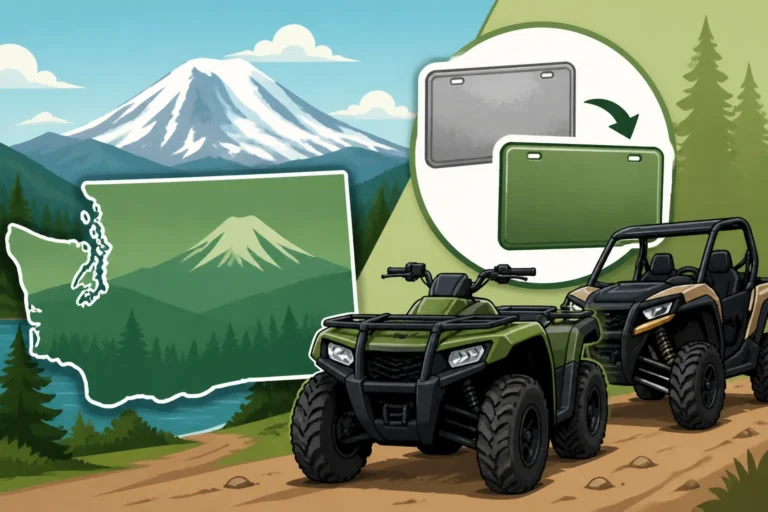
When you submit your paperwork in person at a local vehicle licensing office, often a subagent, the initial review is usually immediate. If everything is correct, you might even walk out with your temporary registration and possibly even your [Washington Off-Road Tab Explained] decals right then and there. The physical metal tag, which is the durable license plate for your ORV, might be mailed to you separately, or available for immediate pickup depending on the location. Typically, for in-person submissions where everything is perfect, you can expect to be fully processed within a few days to a couple of weeks to receive all components.
For mail-in applications, however, the process is inherently longer. You're adding the time it takes for your envelope to reach the DOL, the time it takes for them to open and process mail, the actual review time, and then the time for them to mail everything back to you. This can stretch into several weeks, potentially a month or more, especially if there are any errors or if you submit during a busy period. It's a test of patience, for sure.
| Submission Method | Initial Review | Decals/Temporary Reg | Metal Tag | Total Expected Wait (Approx.) |
|---|---|---|---|---|
| In-Person | Immediate | Immediate (often) | Mailed | Few days to 2 weeks |
| Delayed | Mailed | Mailed | Several weeks to 1 month+ |
What to Do While You Wait
The biggest temptation while waiting is to just take your machine out for a spin, especially if you've paid your fees. However, riding an unregistered ORV on public lands or open roads in Washington is against the law. You could face significant [Washington Fines for an Unregistered WATV] if caught.
If you’re really itching to ride and your permanent registration is delayed, consider applying for a [Washington's $15.75 Temporary ORV Permit]. This permit allows you to legally ride on designated ORV trails for a limited period, typically sixty days. It’s a fantastic stop-gap measure, particularly for new purchases or if you’re a visitor from out of state without reciprocal registration. It won't get you on open county roads, but it will get you onto the trails where the real fun happens, allowing you to comply with Washington law while your full registration is processed.
How to Check Your Application Status
It's natural to want to check in on your application, especially if the typical processing window has passed. The best way to do this is to contact the Washington State Department of Licensing directly. Have all your information ready: your name, the date you submitted your application, the VIN of your machine, and any tracking numbers if you mailed your documents. While they may not be able to give you an exact "your package is here" update, they can often tell you if your application has been received, if it's in process, or if there were any issues that required it to be sent back to you. Patience is a virtue, but persistence (with politeness!) can sometimes help you get the answers you need.
Tips for a Smoother, Faster Registration
Nobody wants to wait longer than necessary to hit the trails or roads with their ORV. By taking a few proactive steps, you can significantly increase your chances of a speedy registration process in Washington.
Pre-Application Checklist
Preparation is paramount when it comes to ORV registration. Before you even think about heading to the DOL or dropping an envelope in the mail, gather every single piece of required paperwork and double-check it. Think of it like packing for a long trip – you don't want to realize you forgot your toothbrush when you're already miles down the road.
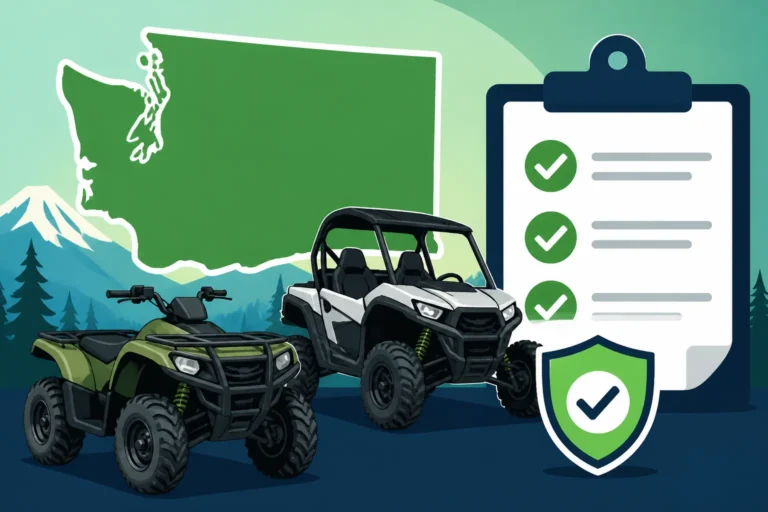
Here’s a basic checklist of what you'll typically need for [Washington WATV Registration Paperwork]:
- Proof of Ownership: This is usually the original title, properly signed over to you by the seller. For new machines, it will be the Manufacturer's Certificate of Origin (MCO). Ensure all previous owner signatures are present and correct, and that there are no visible erasures or alterations.
- Bill of Sale: If you bought your machine from a private seller, a detailed bill of sale is crucial. This document legally transfers ownership and is often used to calculate sales or use tax. Make sure it includes the date of sale, the purchase price, the VIN, and the names, addresses, and signatures of both the buyer and seller. Tools like LawDepot offer excellent, customizable templates for bills of sale that can prevent common errors and omissions.
- Application for Title and Registration: This form (often called an "Application for Certificate of Ownership") needs to be filled out completely and accurately. Pay close attention to all fields, especially your address and the vehicle identification number (VIN).
- Identification: Bring your driver's license or state-issued ID.
- Payment: Be ready to pay the applicable fees, including the title fee, registration fees (for both the [Washington Off-Road Tab Cost] and potentially the [Washington On-Road Tab Cost]), and sales or use tax.
Review every field and signature line. It's often helpful to have another set of eyes look over everything, as it's easy to miss a small detail when you're rushing.
Choosing Your Submission Method Wisely
Your choice of submission method can directly impact your waiting time.
- In-Person at a Vehicle Licensing Office: This is generally the fastest and most reliable method if your paperwork is perfectly in order. You get immediate feedback, can often correct minor issues on the spot, and frequently leave with your decals and temporary registration in hand. Finding a subagent, as detailed in [Washington ORV Registration at a Subagent], can save you a trip to a larger DOL office and potentially offer quicker service due to less foot traffic. While you might still wait for the physical metal tag to arrive by mail, your immediate ability to legally ride is much higher.
- By Mail to the Department of Licensing: This option offers convenience, allowing you to avoid a trip to an office. However, it means adding several days for mail transit each way, and you won't get immediate feedback if there's an error. This method is best for those who are highly organized, confident their paperwork is flawless, and not in a rush to ride. Always send important documents with tracking and consider making copies for your records.
Weigh your urgency against your convenience. If you want to ride soon, going in person is usually the better bet.
Addressing Common Pitfalls
Beyond just incomplete paperwork, there are other common traps that can cause delays:
- The Fifteen-Day Deadline: Washington has a [Washington's Fifteen-Day Registration Deadline] from the date of purchase to transfer ownership without penalty. Missing this deadline can add fines to your registration costs, even if it doesn't directly delay the processing of correct paperwork. Understanding [Fifteen Days From Purchase in Washington] is critical to avoid unexpected fees.
- Incorrect Tax Calculations: If you bought your machine from a private party, you're responsible for paying use tax. Sometimes people miscalculate this or forget it entirely. The DOL will correct any discrepancies, but this can hold up your application. Using the actual purchase price from your LawDepot bill of sale helps streamline this.
- Out-of-State Titles: If you're bringing a machine in from another state, the process can sometimes be more complex, requiring additional verification of the out-of-state title. Ensure your previous state's title is properly released if there was a lien.
- Missing Safety Inspection: If your WATV needs to be registered for on-road use, it may require a safety inspection. Make sure you understand [Washington WATV Safety Inspection Cost] and arrange for the inspection before you submit your registration, as proof of inspection is required.
By diligently preparing your documents, understanding the submission options, and being aware of common pitfalls, you can significantly streamline your Washington ORV registration processing time and get out on the trails faster.
Disclaimer
This article is for general informational purposes only and does not constitute professional advice. Laws, prices and regulations vary by location and change over time. Consult a qualified professional for guidance on your specific situation.