Where Off-Road Tab Money Is Spent
For many of us who love exploring Washington's incredible landscapes on an ATV or UTV, paying that annual off-road tab is a ritual. But if you’re like a lot of riders I know, you might occasionally wonder, "Where exactly does that money go?" It’s a fair question, especially when you’re out on a trail that could use a little TLC. This guide is here to pull back the curtain and show you precisely how your Washington off-road tab funds are utilized to maintain, improve, and even expand our beloved riding opportunities across the state.
The Core Purpose of Washington's Off-Road Tab
When you fork over your hard-earned cash for that off-road tab, you're not just paying a random fee; you're directly contributing to a system designed to support and sustain off-road vehicle (ORV) recreation in Washington. It's easy to feel like government fees just disappear into a black hole, but in this case, the intention is very clear: your money is earmarked specifically for ORV-related purposes.
Funding Nonhighway Vehicle Recreation
Unlike general state taxes that might go towards schools or roads, the funds generated by Washington's off-road tab are funneled into dedicated accounts focused squarely on what we riders need. This means that every dollar you spend is intended to come back to you in the form of better trails, improved staging areas, and enhanced safety. It’s about creating and maintaining a robust infrastructure for those who enjoy nonhighway vehicle use. When you consider [Washington's Off-Road Tab Explained], you'll see it's about providing a distinct funding stream for a distinct recreational activity.
This specific designation helps ensure that ORV needs aren't competing directly with other, often larger, state budget items. Instead, there's a specific pool of money dedicated to the community. While we all want to see more immediate, visible improvements, understanding this structure helps us appreciate that the mechanism for funding our passion is in place, even if the wheels of government sometimes turn slowly. This also applies to the process of [Renewing a Washington ORV Registration Yearly], as each renewal feeds back into this dedicated system.
Why Dedicated Funds Are Crucial
The importance of having these dedicated funds cannot be overstated. Imagine if ORV trails had to compete for funding solely from the general transportation budget or environmental protection funds; our specific needs would likely get lost in the shuffle. Because ORV use has unique requirements—specialized trail maintenance for different types of machines, designated staging areas away from residential zones, and enforcement that understands the nuances of off-road riding—a separate funding mechanism is absolutely essential.
This focused approach allows state agencies, often in collaboration with local communities and ORV clubs, to plan and execute projects that are directly relevant to the rider experience. It means that when funding decisions are made, they are being made with off-road recreation in mind, rather than as an afterthought. This helps explain [Washington Off-Road Tab Cost] and why that fee, while sometimes feeling like just another expense, is actually an investment in the future of our sport.
Diving Into the Nonhighway Vehicle Account (NHVA)
The primary destination for your off-road tab money is what's known as the Nonhighway Vehicle Account (NHVA). This account acts as the central treasury for all things related to off-road recreation funding in Washington. It's where the fees accumulate before being disbursed to various projects and programs across the state.
Where Your Dollars First Land
When you register your machine and pay the off-road tab, that money, along with other related fees, is deposited into the NHVA. This includes not just the annual registration fee but also revenue from sources like [Washington's $15.75 Temporary ORV Permit] that visitors or those needing short-term access purchase. It's a collective pool of funds specifically designated for the ORV community. The Department of Licensing (DOL) handles the initial collection of these fees, acting as the gateway for your money into the NHVA. For more on their role, you can check out [The Department of Licensing and Washington ORVs].
It's vital to remember that this isn't discretionary spending. The funds are legally bound to be used for nonhighway vehicle recreation. This transparency helps ensure that the money benefits the people who pay it – the riders. Knowing this can ease some of the frustration you might feel when handing over your registration payment, understanding that it's going into a dedicated fund for our collective passion.
The Pillars of NHVA Spending
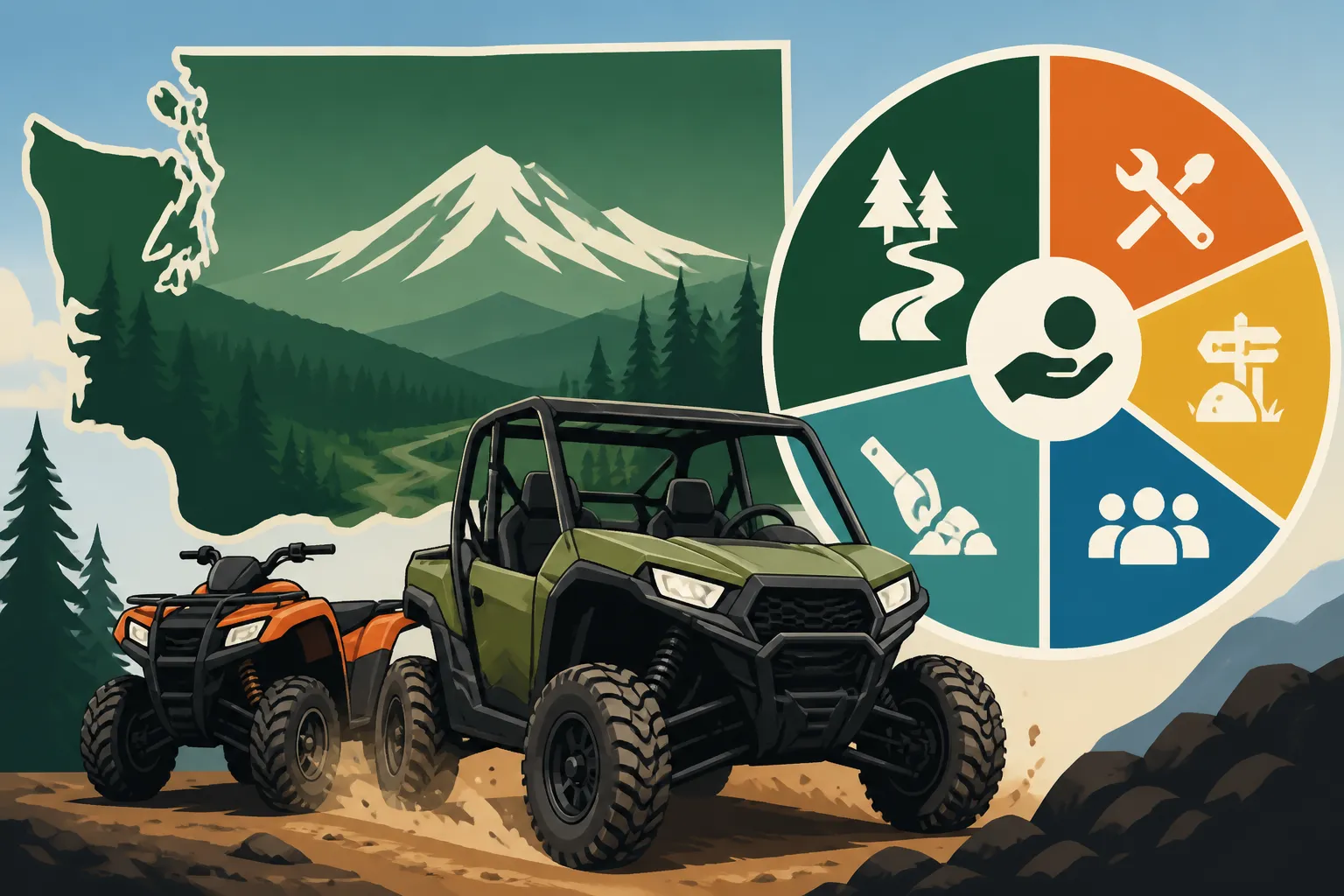
Once collected, the NHVA funds are allocated to several key areas, directly impacting the quality and availability of riding opportunities. These allocations are carefully planned to address the diverse needs of Washington's ORV community.
Trail Development and Maintenance
This is arguably the most significant portion of NHVA spending and what most riders hope their money supports. These funds are used for everything from cutting new trails to essential upkeep on existing ones. Imagine a bridge on your favorite trail breaking down; NHVA funds are often what pay for its repair. This also covers erosion control to prevent environmental damage, maintaining proper drainage to keep trails rideable, and installing crucial signage to guide riders and prevent trespass. This work directly keeps miles of trail open, safe, and enjoyable.
Think about the effort involved after a winter storm, when countless trees might fall across trails. NHVA money pays for crews to clear these blockages, ensuring that when the riding season opens, you're not met with impassable routes. This proactive and reactive maintenance is the lifeblood of our trail system.
Staging Area Improvements
A great ride often starts at a well-maintained staging area. NHVA funds contribute to improving these critical access points. This could mean grading gravel parking lots to prevent potholes, installing or maintaining vault toilets, improving loading ramps for easier offloading of machines, or setting up informational kiosks with maps and rules. These amenities, while perhaps not as exciting as a new section of singletrack, are vital for a comfortable and convenient riding experience.
Many of these improvements also address safety and environmental concerns. Properly managed staging areas help concentrate vehicle traffic and minimize environmental impact, protecting the surrounding natural beauty.
Enforcement and Safety Education
Nobody likes rules, but we all want to be safe and ensure our riding areas are protected. A portion of the NHVA funds goes towards enforcement and education. This supports Washington State Patrol (WSP) officers and Department of Natural Resources (DNR) rangers who patrol ORV areas, ensuring compliance with rules like spark arrester requirements or speed limits. These officers also help respond to accidents and educate riders on safe practices.
Additionally, funds are used for safety education programs, promoting responsible riding and minimizing accidents. These programs are often aimed at new riders and youth, instilling good habits from the start. While you might not always see an enforcement officer, their presence and the educational efforts funded by your tab are crucial for maintaining order and safety on the trails.
Administrative Costs
Yes, a portion of the funds does go towards administrative costs – the less glamorous but necessary part of running any large program. This covers everything from the personnel who process your registrations to those who manage the NHVA budget and plan future projects. While it might seem like bureaucracy, efficient administration ensures the program runs smoothly and that the other, more visible spending categories are well-managed.
Transparency in these administrative costs is key, and state agencies typically provide reports outlining how these funds are allocated. It's the engine that keeps the entire ORV funding vehicle running.
Grants for Local Communities and Organizations
One of the most impactful ways NHVA funds are spent is through a robust grant program. A significant portion of the money doesn't stay solely with state agencies but is distributed to local communities, counties, cities, and even non-profit ORV clubs. This empowers local groups to develop and maintain their own ORV recreation facilities and trails. You can learn more about these efforts through [Trail Grants Funded by Tab Money].
These grants allow for a grassroots approach to ORV development. For example, a local county might apply for funds to create a new ORV park, or a volunteer club might receive a grant to purchase equipment for trail maintenance in their specific riding area. This decentralization helps tailor projects to local needs and ensures that a wider variety of riding experiences are supported across the state. Organizations applying for these grants often use resources like LawDepot to ensure their club bylaws, partnership agreements, or other necessary organizational documents are properly drafted and legally sound, which can be a critical step in securing funding for local projects.
Who Manages and Benefits from These Funds?
The flow of off-road tab money involves several key players, primarily state agencies and various community stakeholders. Understanding who is responsible for what helps clarify how decisions are made and where your money ultimately impacts the ground.
Department of Natural Resources (DNR) and State Parks
The Washington State Department of Natural Resources (DNR) and Washington State Parks are two of the biggest beneficiaries and managers of NHVA funds. They are the primary stewards of many of Washington's public lands, including vast state forests and parks where ORV riding is permitted. These agencies receive funds to manage, develop, and maintain the trails and staging areas under their jurisdiction. From [Washington's DNR Forests Compared] to specific state parks, these entities are on the front lines of trail management.
DNR, for instance, manages hundreds of miles of ORV trails in areas like Capitol State Forest, Walker Valley, and Reiter Foothills. The funds they receive from the NHVA directly support their crews who build new trails, repair bridges, clear storm debris, and manage visitor access. State Parks uses its share of the funds for similar purposes in designated ORV areas within the state park system.
Collaborative Efforts and Stakeholder Input
The allocation of NHVA funds isn't just an internal state agency decision. Washington has a strong tradition of involving ORV user groups, environmental organizations, and local governments in the planning process. Advisory committees, public meetings, and direct input from rider associations play a crucial role in determining funding priorities. This collaborative approach ensures that the spending reflects the needs and desires of the ORV community.
When a county considers opening roads for ORV use, as in [Asking a County to Open a Road], the broader context of ORV funding and community impact is often discussed. Similarly, ORV clubs, which may register as non-profit organizations and apply for grants, are often critical advocates for how these funds are spent. These groups often use online resources, such as LawDepot, to draft the formal documents required to establish their non-profit status or to formalize agreements with land managers, strengthening their ability to advocate for and receive grants. A club looking to register its machines might also consider [Washington ORV Registration for a Club Machine] as part of its operational planning.
The Visible Impact: What Riders See on the Ground
Ultimately, the goal of the off-road tab funding is to create a tangible, positive impact on your riding experience. While not every dollar is immediately visible as a new trail, the cumulative effect of this funding system is profound.
Real-World Improvements
Your off-road tab money translates into concrete improvements you can see and feel. It means well-maintained trails in [Where to Ride an ATV in Washington], with clear signage and fewer hazards. It means staging areas with adequate parking, trash receptacles, and sometimes even pit toilets. You might ride a newly built bridge over a stream, or notice that a particularly muddy section of trail has been graveled and improved. These small but significant details add up to a much more enjoyable and safer ride.
These funds also contribute to managing complex issues like seasonal closures. For example, [Washington Riding Seasons by Forest] are often managed with funds from the NHVA, ensuring trails are protected during sensitive periods while still providing access when conditions are suitable.
Ensuring Sustainable Riding Opportunities
Beyond immediate improvements, the NHVA plays a critical role in ensuring the long-term sustainability of ORV recreation in Washington. By funding erosion control measures, responsible trail design, and habitat protection efforts, the money helps mitigate the environmental impact of riding, keeping our trails open for future generations. It’s an investment in conservation as much as it is in recreation.
Funds also support efforts to manage and communicate [Washington Trail Closures to Check First], ensuring riders are informed and that trails are protected during periods of high fire danger or after significant weather events. This proactive management, funded by your tabs, prevents more severe damage and longer-term closures.
The Role of the Multiuse Roadway Safety Account
While the focus of the off-road tab is firmly on nonhighway recreation, it's worth briefly touching on the related "Multiuse Roadway Safety Account." This account, primarily funded by the additional $12 on-road tab, supports the costs associated with allowing WATVs on certain public roads. While separate from the NHVA, it's part of the broader system that enables comprehensive ORV access in Washington. The off-road tab itself is distinct and focused on trail systems, but the existence of both accounts reflects a thoughtful approach to managing different aspects of ORV use.
The money you pay for your off-road tab is a direct investment in the trails, staging areas, and responsible management that make Washington such an incredible state for ORV enthusiasts. It's a commitment to ensuring that the roar of engines and the joy of exploration can continue for years to come.
Disclaimer
This article is for general informational purposes only and does not constitute professional advice. Laws, prices and regulations vary by location and change over time. Consult a qualified professional for guidance on your specific situation.