When a Metal Tag Is Too Worn to Read
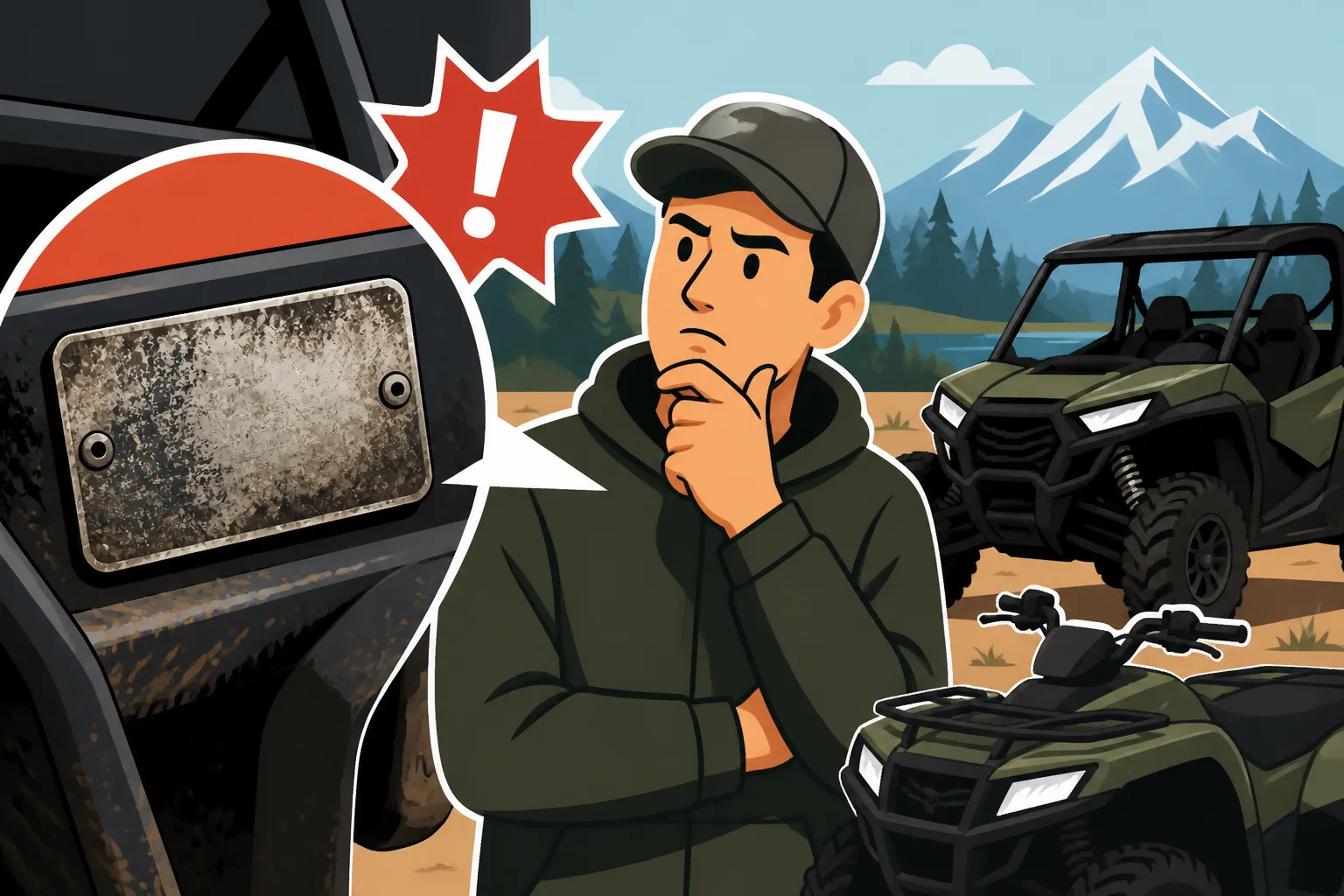
There's nothing quite like hitting the trails on your Washington all-terrain vehicle (WATV) or utility terrain vehicle (UTV), feeling the wind, splashing through puddles, and enjoying the incredible scenery our state has to offer. But eventually, after countless adventures, you might notice that little metal tag on the back of your machine isn't looking quite as crisp as it used to. It's faded, scratched, or maybe even bent, making the numbers hard to make out. This can lead to a lot of frustration and questions about what you should do next, and even worry about potential fines. This guide will walk you through everything you need to know about what makes a metal tag "too worn to read" and how to get it replaced, keeping you legal and worry-free on Washington's roads and trails.
The Purpose and Placement of Washington's WATV Metal Tag
That small metal tag on the back of your quad or side-by-side isn't just decoration; it's a critical component of your machine's legal identity in Washington State. It serves multiple purposes, from identification to ensuring compliance with state regulations. Understanding its role and proper placement is the first step in appreciating why keeping it legible is so important.
Why Your WATV Needs a Metal Tag
Think of your WATV's metal tag as its permanent identification mark, much like a vehicle identification number (VIN) but in a more visible format for law enforcement and park rangers. While you also have annual decals that get renewed, [The Washington Metal Tag Explained] is designed to be a more durable, long-term identifier. It's directly linked to your machine's registration, confirming that it's properly accounted for with the Department of Licensing (DOL). This tag helps authorities quickly verify that your machine is legal to operate on the roads and trails where it's permitted. Without a clear, readable tag, it becomes incredibly difficult for anyone to confirm your machine's registration status, which can lead to unnecessary stops and potential fines, even if you have all your paperwork in order. It's a way to quickly identify your machine, especially if it's involved in an incident or if there's a question about its legal status.
Moreover, the metal tag is distinct from the annual decals you receive. Those decals expire and are replaced yearly, but the metal tag is intended to stay with the machine for a much longer period, typically replaced only if it becomes damaged or lost. This permanence underlines its importance as a consistent identifier. It's a testament to your commitment as a responsible rider to have your machine properly registered and identifiable, contributing to the overall safety and management of Washington's vast network of trails and roads.
Where the Metal Tag Is Supposed to Be Mounted
The placement of your metal tag isn't arbitrary; it's designed for maximum visibility and security. Typically, the metal tag is meant to be mounted on the rear of your machine, clearly visible from behind. This ensures that any officer or ranger can easily spot and read the tag as you pass by or if they need to approach you from the rear. [Where the Metal Tag Mounts] specifically addresses this, usually recommending a sturdy, flat surface that minimizes vibration and protects the tag from direct impacts. For many ATVs, this means bolting it onto the rear grab bar or a dedicated mounting plate. For UTVs, it's often on the tailgate or a similar rear panel.
The challenge, of course, is that these machines are used in rugged environments. The very places you ride – through brush, over rocks, across muddy terrain – are often actively trying to conspire against your tag's pristine condition. A tag mounted too low might get snagged or scraped on obstacles. One mounted in a high-vibration area could work itself loose or get damaged over time from the constant jostling. Proper mounting isn't just about adhering to the rules; it's about prolonging the life of the tag itself. Using sturdy hardware and ensuring it's securely fastened can make a big difference in how long your tag remains readable and in place. A well-placed tag is less likely to suffer damage, which means fewer headaches for you down the line.
Recognizing a Worn or Unreadable Metal Tag
So, you've been out riding, and your trusty WATV has seen its share of adventures. You look at the metal tag, and it just doesn't quite look right anymore. But when does "a little worn" become "too worn to read"? It's a question many riders ponder, and it has real implications for your legality on the trail or road.
What "Too Worn to Read" Actually Means
"Too worn to read" isn't just about aesthetics; it's a legal standard. Essentially, if a reasonable person, such as a law enforcement officer, park ranger, or even another concerned rider, would struggle to clearly and quickly identify the numbers on your metal tag, then it's considered too worn. This can manifest in several ways:
- Faded or Obscured Numbers: Perhaps the paint or stamping has worn off, making the digits hard to distinguish. Mud, grime, or even sun fading can also contribute to this.
- Physical Damage: The tag might be bent, crumpled, creased, or scratched deeply enough that parts of the numbers are missing or distorted. This often happens from impacts with branches, rocks, or even getting backed into something in the garage.
- Corrosion: Especially in Washington's often damp environment, corrosion can eat away at the metal, making the numbers illegible.
During a routine stop, [What a Washington Trooper Checks Roadside] includes ensuring your identification is clear. If an officer has to squint, bend down, or use a flashlight in broad daylight to try and decipher your tag, it's a problem. An unreadable tag can lead to the officer needing to spend more time verifying your registration through other means, which can be inconvenient for everyone involved. Worse, if they cannot verify your registration, it could be treated similarly to having no registration at all, potentially leading to fines or other penalties, even if you have valid paperwork inside your machine. The goal is easy, unambiguous identification. If that's not possible, it's time to consider a replacement.
Common Causes of Tag Damage on Washington Trails
Washington's diverse riding environments, from the muddy trails of Capitol State Forest to the sandy dunes of Moses Lake, present numerous challenges to the longevity of your WATV's metal tag. These machines are built for adventure, and sometimes that adventure takes a toll on their accessories.
One of the most frequent culprits is trail debris. Rocks kicked up by your own tires or those of riders ahead, low-hanging branches in wooded areas like Reiter Foothills, or even just dense brush along the edge of the trail can scrape, bend, or chip away at your tag. Imagine cruising down a narrow trail, and a branch you didn't see just right whips across the back of your machine, leaving a permanent crease in your metal tag. It's a common scenario.
Weather exposure also plays a significant role. Washington is known for its rain, and constant exposure to moisture can lead to rust and corrosion, especially if the tag's protective coating starts to wear thin. Mud and dirt, while fun to ride through, can cake onto the tag and, if not cleaned promptly, can contribute to erosion of the finish or simply make it impossible to read. The intense summer sun, though less prevalent than rain, can also fade painted numbers over time.
Finally, accidental impacts are always a risk. Backing your machine into a tree in a tight parking spot, a minor fender-bender with another machine in a crowded staging area, or even just the constant vibration of off-road riding can slowly degrade the tag's integrity or loosen its mounting hardware. If the tag isn't mounted securely, the continuous vibrations can cause it to rub against its mounting point, leading to wear and tear. It's the cumulative effect of these small abuses that eventually renders a tag unreadable, reminding us that even the toughest components have their limits in the face of Washington's rugged terrain.
The Process for Replacing a Worn Washington Metal Tag
When you realize your WATV's metal tag is no longer clearly readable, don't panic. The Washington Department of Licensing (DOL) has a straightforward process for getting a replacement. It's far better to proactively replace a worn tag than to risk a citation.
When to Decide It's Time for a Replacement
Deciding when to replace your metal tag is ultimately about preventing potential legal issues and ensuring your machine is properly identified. A good rule of thumb is to ask yourself: "If a police officer or a park ranger stopped me right now, would they have any trouble reading this tag quickly and easily?" If the answer is anything but a confident "no," then it's time to act.
Don't wait until you're pulled over or cited. Imagine being deep in [Capitol State Forest Near Olympia, Washington] or traversing [Ahtanum State Forest] and getting stopped by a ranger. If they can't read your tag, even if you have all your other paperwork, it immediately raises a red flag. It can prolong the stop, cause frustration, and in some cases, lead to a warning or even a fine for an unidentifiable machine. If the numbers are so faded they look like smudges, if it's bent so severely that a digit is obscured, or if corrosion has eaten through a crucial part of the identification, it's time. Proactive replacement ensures smooth sailing during any interaction with authorities and demonstrates you're a responsible rider. It's also a smart move to replace it before any planned inspections or big trips where visibility of your tag might be more scrutinized.
Steps to Get a New Metal Tag
Replacing your worn Washington metal tag is a relatively simple process. You'll need to visit a local vehicle licensing office, which can be found in most towns across the state. These offices act as subagents for the Department of Licensing (DOL).
Here’s a general rundown of the steps:
- Gather Your Documents: You'll typically need your current WATV registration certificate, which proves ownership and that the machine is already registered in your name. Bring a valid form of personal identification, such as your driver's license. While LawDepot is great for helping you create things like a [Washington WATV Bill of Sale Requirements] or other legal documents, for this specific process, you'll need the official DOL registration paperwork.
- Visit a Licensing Office: Head to your nearest vehicle licensing office. You can usually find a list of these on the DOL website. Explain that you need to replace a worn or damaged WATV metal tag.
- Complete the Necessary Paperwork: The clerks at the office will provide you with a form to fill out, usually a "Vehicle/Vessel/Mobile Home Change of Status" or similar application, indicating you're requesting a replacement tag.
- Pay the Fee: There is a nominal fee for replacing a metal tag. [The $2 Tag Replacement in Washington] is designed to cover the administrative cost of issuing a new one. This fee is relatively small compared to the potential fines or inconvenience of riding with an unreadable tag.
- Receive Your New Tag: In most cases, you'll receive your new metal tag on the spot. It will typically bear the same registration number as your old tag, maintaining continuity for your machine's identification.
Once you have the new tag, remember to securely mount it on your WATV in a visible location, just as you did with the original. This simple process helps keep your machine compliant and ready for your next adventure.
What to Do While You Wait for Your New Tag
In most cases, you'll receive your new metal tag immediately at the licensing office. However, there might be rare occasions where there's a delay, or perhaps you realized your tag was unreadable over a weekend when offices are closed. During this interim period, it's crucial to understand what you can and cannot do to avoid issues.
First and foremost, always carry your current registration paperwork with you when you ride. [Carrying the Registration in the Machine] is a legal requirement, and it becomes even more critical if your physical metal tag is unreadable or missing. This paperwork is your primary proof that your WATV is legally registered. You might consider using a sturdy, waterproof holder to protect these documents, as discussed in [Keeping Paperwork Dry in the Rain]. While the paperwork helps, it doesn't entirely negate the requirement for a visible, readable metal tag.
If your metal tag is completely unreadable or missing, it's generally advisable to limit or avoid riding on public roads or designated trails where law enforcement might be present, especially if you anticipate a delay in receiving a new tag. While your paperwork proves registration, the visible tag is the quick identifier. If an officer cannot readily identify your machine from the tag, even with your documents, they might still issue a warning or a citation for an unidentifiable machine. [Washington ORV Registration Processing Time] is usually quick for a replacement tag, but planning is key. If you absolutely must ride, stick to private property with permission, where the visible tag requirements might not be enforced in the same way. The best course of action is to get that replacement as soon as possible and avoid putting yourself in a questionable legal situation on public land.
Avoiding Future Damage to Your Metal Tag
You've gone through the process, and your WATV is sporting a shiny new metal tag. Now, the goal is to keep it readable and intact for as long as possible. A little bit of proactive effort can save you the hassle and cost of another replacement down the road.
Tips for Protecting Your Metal Tag on the Trail
Protecting your metal tag requires a combination of smart mounting and mindful riding habits. Given the rugged nature of WATV use, completely preventing all wear and tear is unrealistic, but you can certainly mitigate much of the common damage.
- Secure Mounting: Ensure your tag is bolted on tightly using appropriate hardware. Loose tags vibrate more, which can lead to fatigue, cracking, or rubbing against other parts of the machine. Consider using lock washers or thread-locking compound to prevent bolts from loosening over time due to vibration. [Where the Metal Tag Bolts On a WATV] emphasizes choosing a sturdy, stable location, often the rear grab bar or a dedicated mounting plate, to minimize movement and exposure to impacts.
- Strategic Placement: If possible, mount the tag in a location that is visible but somewhat recessed or protected from direct impacts from trail debris or backing into obstacles. Some riders use aftermarket tag brackets that offer a bit more protection. Avoid mounting it in a spot where it's easily snagged by branches or directly in the line of fire for mud and rocks.
- Regular Cleaning: After every dirty ride, take a moment to rinse off your metal tag. Caked-on mud and grime can hold moisture against the metal, accelerating corrosion and making the numbers harder to read. A quick spray with the hose and a gentle wipe down can do wonders for its longevity.
- Mindful Riding: Be aware of your machine's rear end when navigating tight spots, dense brush, or rocky terrain. While you're focusing on the trail ahead, remember what's behind you. A moment of caution can prevent a bent or scratched tag. Think about how [Why a WATV Metal Tag Lasts Seven Years] is only true if you take care of it!
By taking these small but effective steps, you can significantly extend the life of your metal tag, ensuring it remains clearly readable and compliant for many adventures to come.
Ensuring Your Registration Paperwork Is Also Protected
While the metal tag is your machine's visible identifier, your registration card is the official proof of ownership and compliance. Just like the tag, this paperwork can suffer from the elements and wear and tear, and it's equally important to keep it in good condition.
One of the biggest threats to paper documents on the trail is moisture. Washington trails are often wet, and even a slight drizzle can turn your paper registration into a soggy mess if it's not protected. Investing in a durable, waterproof container for your registration card is highly recommended. Many riders use small, hard-shell cases, waterproof pouches, or even sturdy Ziploc bags stored in a secure compartment on their machine. As discussed in [Keeping a Registration Card Dry on a Wet Ride], this simple precaution ensures that if a ranger needs to see your documents, they'll be legible and intact.
Beyond physical protection, consider having readily accessible records for your important vehicle documents. While LawDepot doesn't store your official government registration, it can be a valuable resource for creating and managing other critical documents, such as a [Washington WATV Bill of Sale Requirements] if you're buying or selling a machine, or even a basic inventory of your gear. Getting into the habit of organized document management for all your WATV-related papers, official or otherwise, can simplify your life. You might also consider keeping a clear, legible digital photo of your registration on your phone as a backup, though it's crucial to remember that a physical copy is usually required by law. The idea is to be prepared: a clear metal tag and pristine paperwork are your best defense against any questions about your WATV's legality.
Washington WATV Tag Condition and Recommended Action
| Tag Condition | Legibility Assessment | Recommended Action | Potential Consequences (if ignored) |
|---|---|---|---|
| Clearly Visible & Intact | Numbers and letters are sharp, clear, and easily readable. | No action needed. Continue to ensure secure mounting and occasional cleaning. | None. |
| Slightly Faded/Scratched | Numbers and letters are somewhat faded or have minor scratches, but all characters are still clearly discernible with a quick glance. | Monitor closely. Clean regularly to prevent dirt buildup. Consider preventive measures like better mounting or a protective cover if wear seems to be accelerating. | Increased risk of future illegibility. |
| Significantly Faded/Worn | Numbers and letters are difficult to read, requiring close inspection or specific lighting to decipher. | Replace immediately. Visit a vehicle licensing office with your registration and ID. The [Washington WATV Metal Tag Replacement] process is quick and inexpensive (refer to [Washington WATV Metal Tag Cost] for current fees). | Warnings or citations for an unidentifiable machine (e.g., [Washington Fines for an Unregistered WATV]). Prolonged roadside stops. |
| Bent, Damaged, or Obscured | Physical damage (bends, cracks, missing pieces) obscures part or all of the identification numbers. | Replace immediately. This is a clear indicator that the tag is no longer serving its purpose. Follow the same replacement steps as for a significantly faded tag. | High likelihood of a citation for an unidentifiable or damaged tag. |
| Completely Unreadable/Missing | No numbers or letters are discernible whatsoever, or the tag is no longer attached to the machine. | Replace urgently. Do not operate the WATV on public roads or designated trails until a new tag is secured. Carry your registration paperwork at all times, but understand it may not fully mitigate issues if the tag is gone. The [Washington WATV Metal Tag Replacement] process is critical here. | Direct citation for operating an unidentifiable machine. Potential impoundment in extreme cases. |
Disclaimer
This article is for general informational purposes only and does not constitute professional advice. Laws, prices and regulations vary by location and change over time. Consult a qualified professional for guidance on your specific situation.