Buying a WATV From a Neighbor in Washington
Buying a used all-terrain vehicle (WATV) from a neighbor here in Washington can feel like a straightforward deal, a handshake and a few bucks, but skipping the crucial steps can lead to a heap of legal and financial headaches down the road. It's a common frustration to think a casual sale is enough, only to find out later you can't legally register or ride your new machine. This guide is here to walk you through everything you need to know to make sure your private WATV purchase is smooth, legal, and leaves you ready to hit the trails without a worry.
Why a Private Sale Can Be Tricky But Often Worth the Effort
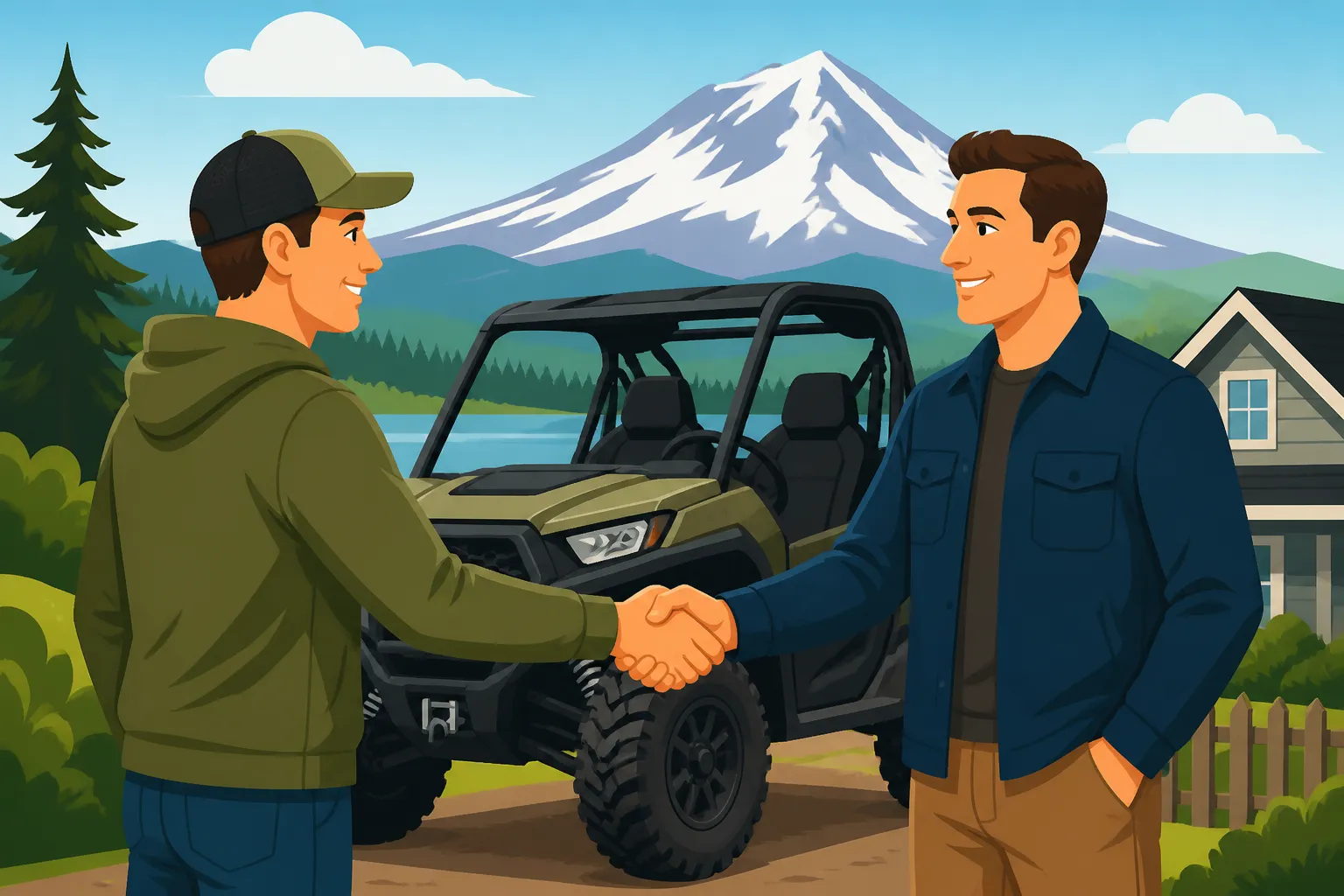
There's a certain charm to buying a WATV from someone you know, maybe a friend down the street or a colleague from work. Often, you get a more personal interaction, potentially a better price, and sometimes even a clearer picture of the machine's history than you might at a dealership. However, this familiarity can also lull you into a false sense of security, making you overlook critical steps that protect both you and the seller. Unlike a dealership that handles all the paperwork, a private sale puts the onus squarely on you to ensure everything is above board.
Think about it: when you buy from a dealer, they're typically responsible for submitting the title transfer, collecting sales tax, and getting temporary tags. With a neighbor, none of that happens automatically. You become the one responsible for checking the title, making sure there are no liens, drafting a proper bill of sale, and understanding your tax obligations. It's easy to just hand over cash and ride off into the sunset, but that shortcut can quickly turn into a headache when you try to get your new-to-you machine registered. The Department of Licensing (DOL) has specific requirements, and if you don't meet them, your new WATV could be sidelined indefinitely, or worse, you could be cited for riding an unregistered machine.
The Essential Paperwork for a Smooth Transfer
When you're buying a WATV from a neighbor, the paperwork might not be as voluminous as a house closing, but it's every bit as important. There are key documents that protect you, prove ownership, and allow you to legally register the machine in your name. Don't let the casual nature of a private sale make you skip these steps; they are your best defense against future problems.
The Clear and Signed Title
The absolute first piece of paper you need to focus on is the title. In Washington, a WATV, like a car, has a title that proves legal ownership. You absolutely need the physical title in hand from your neighbor, and it must be properly signed over to you. Inspect the title carefully for any signs of alteration, tears, or smudges that might make it invalid. Make sure the VIN (Vehicle Identification Number) on the title matches the VIN stamped on the machine itself. This is a critical step; a mismatch can cause major headaches at the DOL.
What if your neighbor says they don't have the title? This is a red flag you cannot ignore. Without a title, you cannot legally register the machine in your name. If the seller says they lost it, they need to apply for a duplicate title with the Department of Licensing before you complete the sale. You should never buy a machine without a clear, transferable title. It’s also important to confirm that the person selling the WATV is indeed the registered owner listed on the title. If they aren't, or if there's more than one name on the title, ensure all parties listed as owners have signed it over. For more on this, you might find [Do You Need a Title for a WATV in Washington?] helpful. And remember, Washington requires a title before you can register your machine, so understanding [Titling a WATV in Washington] is key.
A Comprehensive Bill of Sale
While the title proves ownership, a bill of sale provides crucial details about the transaction itself. This document acts as a contract between you and your neighbor, outlining the sale price, date of sale, and a description of the WATV. It should include the full names and addresses of both the buyer and seller, the make, model, year, and most importantly, the VIN of the WATV. Both parties should sign and date the bill of sale, and it's always a good idea to have a copy for each of you. This document is vital for establishing the purchase price when it comes time to pay use tax at the DOL.
You don't need a fancy lawyer to draft a bill of sale; many free templates are available online. Services like LawDepot offer straightforward, customizable templates that can help ensure you cover all the necessary bases for your specific situation. A robust bill of sale will also often include a clause stating the machine is sold "as-is," which limits the seller's liability for any issues that arise after the sale. While you can sketch something on a napkin, a more formal document from a reputable source like LawDepot offers far more protection and clarity. Learn more about the specific requirements in [A Washington Bill of Sale for a WATV].
Checking for Liens
Before you hand over any money, you need to ensure there are no outstanding liens on the WATV. A lien means someone else, usually a bank or credit union, has a financial claim on the machine. If you buy a WATV with a lien on it, you could inadvertently become responsible for that debt, or the lienholder could repossess the machine, even if you paid for it in good faith. You can typically check for liens through the Department of Licensing or sometimes by contacting the bank directly if the seller provides that information. This step is often overlooked in private sales, but it's a huge risk if ignored. Always make sure the title is clear of any liens before finalizing the purchase. This is a crucial part of [Washington WATV Title Requirements].
Inspecting Your Neighbor's Machine Before You Buy
Just like you wouldn't buy a used car without kicking the tires, you shouldn't buy a WATV without a thorough inspection. Even if you trust your neighbor implicitly, they might not be aware of every minor issue, or some problems might be hidden until you take it out for a real ride. A little due diligence here can save you a lot of money and frustration down the trail.
Visual Inspection: More Than Just a Shine
Start with a comprehensive visual check. Walk around the machine slowly, looking for obvious signs of damage or wear. Are there any cracks in the plastic fenders? Is the frame straight, or does it look bent or repaired in places? Check for fluid leaks — drips of oil, coolant, or brake fluid can indicate significant problems. Look at the tires; are they worn evenly? Are there any missing nuts, bolts, or essential components? A well-maintained machine will often show pride of ownership, while a neglected one might have a host of small issues that add up.
Don't forget to inspect the electrical system. Are the lights working? Do the gauges function? Sometimes, a quick glance isn't enough. Get down on your hands and knees and look underneath. Check for bent A-arms, damaged skid plates, or excessively rusty components. These visual cues can tell you a lot about how the machine has been ridden and cared for. Pay close attention to anything that looks "patched up" rather than properly repaired.
Mechanical Check: Get Your Hands Dirty
Beyond the visual, a mechanical inspection is crucial. If you're not mechanically inclined, consider paying a trusted local mechanic to look at it for you. This small investment can prevent a much larger repair bill later. Here’s a basic checklist:
- Engine: Start it cold. Does it start easily? Listen for any unusual knocking, ticking, or grinding sounds. Does it smoke excessively (blue smoke often indicates oil burning, white smoke can be coolant)?
- Transmission/Drivetrain: Shift through all the gears. Do they engage smoothly? Test both 2WD and 4WD (if applicable). Listen for clunking noises. Check the drive belt on a UTV for cracks or excessive wear.
- Brakes: Test both front and rear brakes. Do they feel firm? Does the machine stop straight? Check brake fluid levels and look for worn pads.
- Suspension: Push down on each corner of the machine. Does it rebound smoothly, or does it bounce excessively? Check the shocks for leaks and the bushings for wear.
- Steering: Wiggle the handlebars or steering wheel. Is there excessive play? Does the steering feel loose or stiff?
- VIN: Double-check the VIN on the machine against the title and bill of sale one last time. Knowing how to locate and verify the VIN is crucial, and you can find more information in [Washington WATV VIN Requirements] and [Checking a VIN Before You Pay].
Take it for a test ride if possible, even a short one. Listen for anything unusual, feel how it handles, and pay attention to how the engine performs under load. This practical experience is invaluable. For more tips on what to look for, the article [Buying a Used ATV in Washington] offers great advice.
The Post-Purchase Steps: Title, Registration, and Use Tax
Congratulations, you've bought your neighbor's WATV! But the journey isn't over yet. Now you need to make it legally yours in the eyes of Washington State. This involves several critical steps at the Department of Licensing to transfer ownership and get your machine ready for the trails and, if you choose, the open road.
Transferring the Title into Your Name
This is the very first thing you need to do. With the properly signed title from your neighbor and your new bill of sale, head to a Washington State vehicle licensing office or a subagent. You'll submit these documents to transfer the title into your name. It's crucial that this happens quickly. Washington has a [Fifteen Days From Purchase in Washington] deadline for transferring titles, after which you might incur penalties. Remember the emphasis on [Why a Title Must Be in Your Name First]; it's the foundation of your legal ownership.
If your neighbor never bothered to title the machine themselves after they bought it, you'll be dealing with a slightly more complex situation. This can happen, and sometimes it can lead to confusion. The article [Buying a WATV the Seller Never Titled] provides guidance on navigating this specific scenario. The DOL will require specific forms and fees to process the title transfer. Once complete, you'll receive a new title with your name on it, solidifying your ownership.
Registering Your WATV
Once the title is officially in your name, you can proceed with registering your WATV. This involves applying for the necessary off-road and/or on-road tabs, depending on where you plan to ride. Washington requires all WATVs operated on public lands or approved roads to be registered. You'll fill out a registration application, pay the registration fees, and potentially other applicable taxes. This is also when you'll deal with Washington's use tax.
The cost will vary based on the tabs you choose. For instance, you might opt for just the off-road tab if you only plan to ride trails, or add the on-road tab if you intend to ride on authorized public roads. For a complete understanding, check out [Registering a WATV in Washington] and [Washington WATV Registration Cost]. The DOL will issue you decals that need to be affixed to your machine, as well as a metal tag if you opt for the road-legal option.
Paying Washington's Use Tax
When you purchase a WATV from a private party in Washington, you are generally subject to Washington's use tax. This is essentially the sales tax you would have paid if you bought the machine from a dealer. The use tax is calculated based on the purchase price of the WATV as stated on your bill of sale, or its fair market value, whichever is greater. This is a common point of confusion for private sales, as many people assume tax is only paid at a dealership.
You will pay this use tax when you register your WATV at the Department of Licensing. It’s part of the financial process of making the machine legally yours. Don’t be surprised by this fee; it’s standard practice for private vehicle sales in the state. Understanding [Washington ATV Use Tax on a Private Sale] will help you budget for this essential cost. Remember, accurate information on your bill of sale regarding the purchase price is critical for calculating this tax.
Disclaimer
This article is for general informational purposes only and does not constitute professional advice. Laws, prices and regulations vary by location and change over time. Consult a qualified professional for guidance on your specific situation.