The Washington Metal Tag Explained
One of the trickiest parts of getting out on the trails with your ATV or UTV in Washington is navigating all the registration requirements. It’s easy to feel overwhelmed by the tabs, titles, and declarations. Among these, the unassuming Washington metal tag often raises a lot of questions. This guide will walk you through exactly what this metal tag is, why it's important, where it belongs on your machine, and what you need to know to keep your registration compliant.
What Exactly Is This Metal Tag, Anyway?
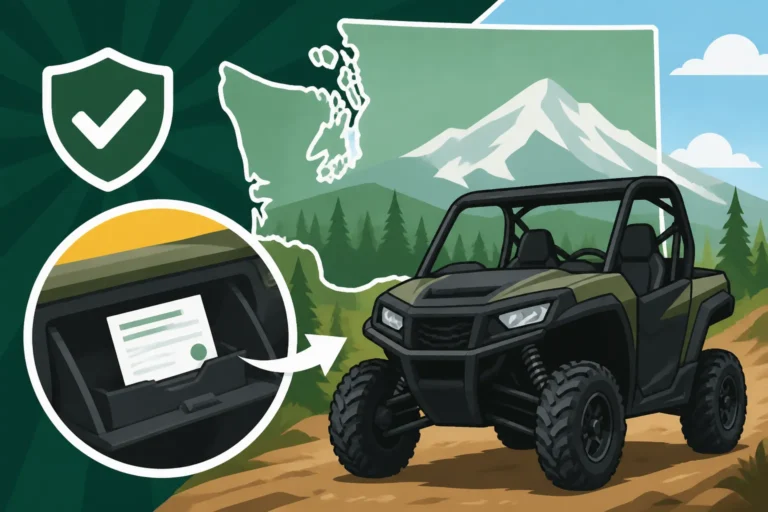
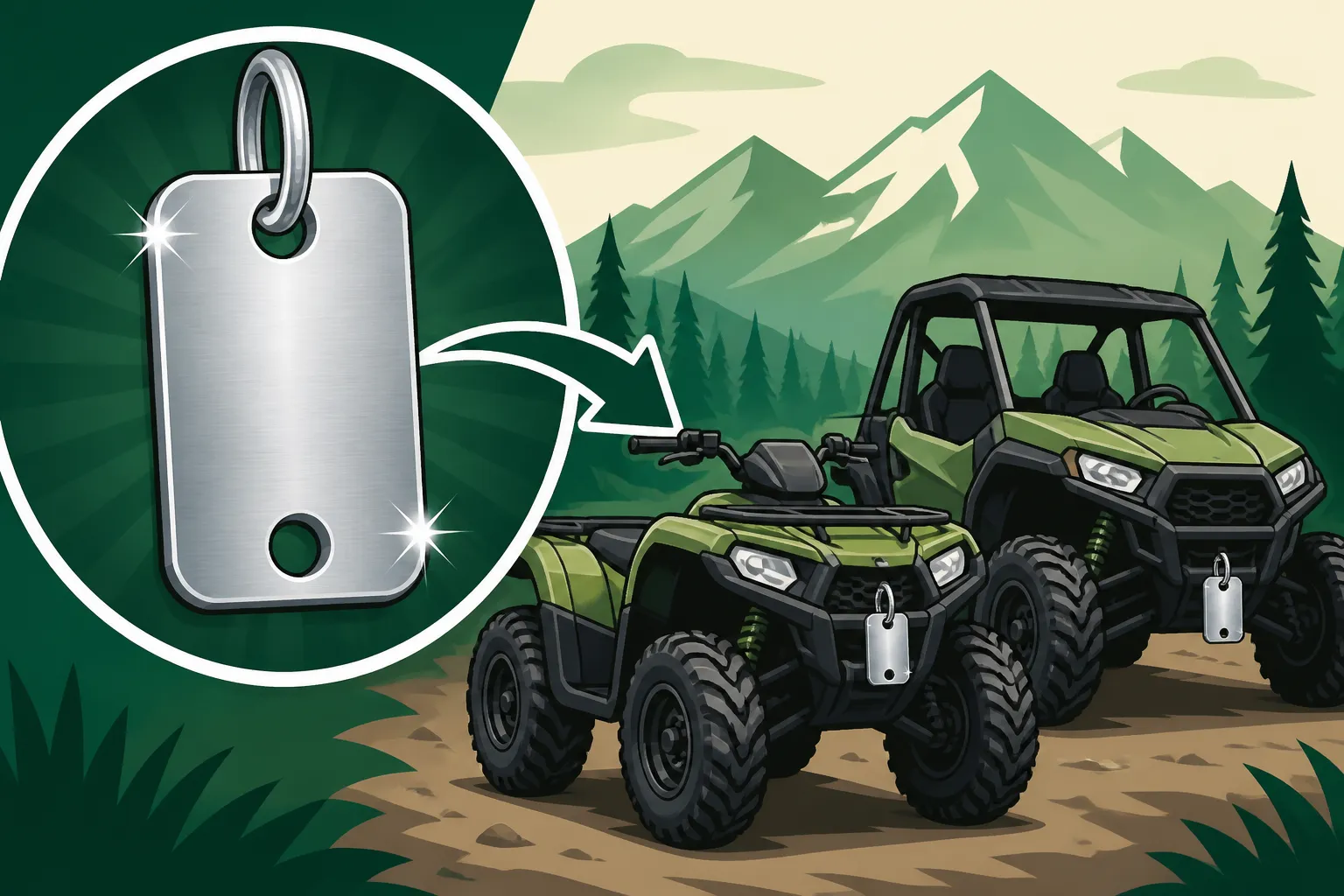
When you first register your wheeled all-terrain vehicle (WATV), dirt bike, or side-by-side in Washington, you’ll receive more than just your annual decals. There’s a small, typically rectangular piece of metal that comes with your initial paperwork – this is your Washington metal tag. It’s a permanent identifier for your machine within the state’s registration system, and it serves a critical role in proving your vehicle is properly registered.
More Than Just a Sticker
Think of the metal tag as a more permanent, robust identification mark for your off-road machine, somewhat akin to a vehicle identification number (VIN) plate, but specifically for registration purposes. Unlike the yearly tabs that validate your registration for a specific period, this metal tag is designed to stay with your machine for the long haul. It doesn't have an expiration date in the same way your annual decals do. Instead, it’s a foundational piece of your machine’s legal identity in Washington.
The purpose of this tag is to provide a durable and easily verifiable physical marker that links your specific machine to its state registration. Imagine you’re deep in the Capitol State Forest, and a Department of Natural Resources (DNR) ranger stops you for a routine check. While they’ll certainly look for your current annual decals, the metal tag provides a consistent and harder-to-tamper-with form of identification that confirms your machine has been properly brought into the Washington ORV system. It’s a distinct item from any temporary permits you might obtain, or even your paper registration card which you’re expected to carry.
The Difference Between a Tag and a Plate
It's common for new riders to wonder why Washington opted for a "tag" instead of a traditional "license plate" like you’d see on a car or even a motorcycle. The key distinction lies in both function and form. A standard license plate typically displays a unique alphanumeric combination that changes with each renewal or transfer of ownership, and it’s usually much larger, designed for easy readability at a distance on public roads.
The Washington metal tag, on the other hand, is smaller and doesn't carry the same kind of highly visible alphanumeric sequence for law enforcement to quickly punch into a system from afar. Its primary role is to serve as a durable, static marker that indicates the machine has undergone the initial [Titling a WATV in Washington] and [Registering a WATV in Washington] process. It pairs with your annual off-road and/or on-road tabs, which are sticky decals placed near the tag, to show current registration. The tag itself doesn't expire annually; it’s the tabs that do. This approach acknowledges that while ATVs and UTVs need to be registered, they often operate in conditions where a large, exposed license plate might be easily damaged or obscured. It’s a practical solution for a machine that spends its life getting splashed with mud, rubbing against brush, and generally enduring rough conditions. For more on this, you might find [Why It Is a Tag and Not a Plate] to be an interesting read.
Why Washington Uses a Metal Tag
The decision to use a metal tag rather than a different form of identification for off-road vehicles isn't arbitrary. It comes down to a blend of durability, unique identification needs, and the specific environment in which these machines operate. The state aims for a system that is effective for identification and enforcement, yet practical for riders.
Durability in the Great Outdoors
Anyone who's spent a weekend riding the trails knows that off-road vehicles endure a lot. They get covered in mud, blasted with dust, soaked by rain, and frequently come into contact with branches or other trailside obstacles. A paper registration sticker, or even a flimsy plastic plate, simply wouldn't hold up to these conditions. This is where the metal tag shines.
Being made of metal, it's inherently more robust. It resists tearing, fading from sun exposure, and dissolving from repeated washings or creek crossings. Imagine trying to keep a paper decal legible after a full season of riding the wet, muddy trails of Tahuya State Forest, or the dusty routes of Ahtanum. It would be a constant struggle. The metal tag is designed to take a beating and remain affixed and readable. This durability is crucial not just for the rider's convenience, but also for law enforcement officials who need to quickly verify a machine's registration status during a roadside or trailside stop, regardless of how much trail grime it’s accumulated. This means fewer frustrations for both you and the ranger.
A Unique Approach to ORV Identification
Washington’s system, which incorporates the metal tag alongside annual decals, represents a unique way of identifying off-road vehicles. Unlike a traditional vehicle where the license plate is the primary identifier, the metal tag acts as a fixed point for your machine’s identity, while the annual tabs provide the current validation. This two-part system helps to streamline the enforcement process. The metal tag confirms the machine has been properly documented and titled in Washington, while the current tabs confirm it’s legal to ride this year.
This approach acknowledges that ORVs are not standard road vehicles, even if some may get the [Adding the $12 On-Road Tab on Top]. The metal tag is a testament to the machine’s permanent registration in the state, establishing a clear link back to the owner and ensuring accountability. This is especially important for tracking ownership, preventing theft, and ensuring that all ORVs operating on public lands have contributed to the funds that maintain those very trails. It’s a pragmatic solution that balances the need for identification with the realities of off-road use, making it distinct from how other states might handle their ORV registration systems.
Where Does the Metal Tag Go on Your Machine?
Once you have your shiny new metal tag in hand, the next logical question is, "Where exactly does this thing go?" Proper placement is key for compliance and for ensuring the tag can do its job effectively. It's not just about getting it on there; it's about getting it on securely and visibly.
Finding the Right Mounting Spot
The Department of Licensing (DOL) generally requires the metal tag to be affixed in a conspicuous place on the rear of your ORV. For many quad riders, this means the rear fender, typically on the left-hand side or in a central location where it won't be easily obscured. For side-by-sides (UTVs), it often goes on the rear bumper or a dedicated flat surface on the back of the machine. Dirt bike riders usually find a spot on the rear fender, often near the taillight if one is present. The key is visibility and security.
You’ll typically need to use bolts, rivets, or strong adhesive, depending on the tag's design and your machine's material. Many riders opt for small bolts with nuts and washers to ensure the tag stays put even over the roughest terrain. Losing your tag mid-ride is a real hassle, and it could lead to questions from law enforcement if you’re stopped. Always make sure it's mounted firmly and isn't just loosely zip-tied or taped, which might seem like a quick fix but won't hold up. [Where the Metal Tag Bolts On a WATV] provides more specific guidance on secure attachment methods.
Visibility and Compliance
The emphasis on a "conspicuous" location isn't just a suggestion; it’s a requirement for legal operation. Law enforcement officers need to be able to quickly and easily see your metal tag, along with your current annual decals, to verify your machine's registration status. If your tag is hidden under a cargo bag, obscured by mud, or mounted in a spot that requires a ranger to get on their hands and knees to see it, you could run into problems.
Before you head out, always double-check that your metal tag is clean and clearly visible. Mud and dirt are part of off-road riding, but if your tag becomes completely caked over, it defeats the purpose. A quick wipe-down at the staging area can save you potential headaches. Proper placement and visibility are crucial components of being a responsible rider in Washington, ensuring you meet the legal requirements and contribute to the smooth operation of our trail systems.
The Lifecycle of the Washington Metal Tag
Unlike your annual registration tabs, the metal tag itself has a unique lifecycle. It’s designed to be a long-term identifier, but it's not entirely maintenance-free or indestructible. Understanding its longevity and replacement process is important for consistent compliance.
Initial Issuance and Cost
When you first register your WATV in Washington, assuming you’ve already gone through the [Washington WATV Title Requirements] process, you will be issued the metal tag. This typically happens at a local licensing agent office or directly through the Department of Licensing (DOL) if you’re handling it by mail. The cost for the metal tag is generally a one-time fee, separate from your annual tab fees. While specific figures can change, it’s a relatively small part of your initial registration expense, designed to cover the manufacturing and administrative costs of this durable identifier.
It's important to remember that this initial fee for the tag is distinct from the ongoing costs of your annual off-road or on-road tabs. The metal tag establishes the permanent record, and the tabs keep it current year after year. For up-to-date pricing information, always check the official DOL website or inquire at your local licensing office. You can find more details on the specific cost components under [Washington WATV Metal Tag Cost].
Replacement and Longevity
One of the most surprising aspects for many riders is how long the metal tag is actually designed to last. Washington’s regulations state that the metal tag itself has a lifespan of seven years. This means you won’t be replacing it every year like your annual tabs. [Why a WATV Metal Tag Lasts Seven Years] stems from its robust design and the idea that it’s a more permanent fixture.
However, even metal tags can get lost, stolen, or become so damaged or worn that they are no longer legible. If your tag disappears somewhere on a particularly gnarly section of trail, or if it gets bent, scratched, or faded to the point where the identifying information is no longer clear, you are required to replace it. The good news is that replacing a metal tag is generally an inexpensive process. The fee for a replacement tag is often a nominal amount, designed to cover the cost of issuing a new one rather than treating it like a brand new registration. You'll typically need to visit a licensing office and provide proof of ownership and identity. For more on this, check out [The $2 Tag Replacement in Washington]. This minimal cost makes it easy to stay compliant even if your tag meets an untimely demise on the trail.
What the Metal Tag Means for Your Riding
Beyond just being a piece of metal on your machine, the Washington metal tag carries significant meaning for your legal riding privileges and how your machine is identified. It’s a core component of your compliance and a safeguard for your ownership.
Your Machine's Permanent Identifier
The metal tag serves as a vital, permanent identifier for your machine within Washington's recreational vehicle ecosystem. It acts as a durable, physical link between your specific ATV or UTV and its official state registration. Think of it as a small, official badge of identity that says, "This machine belongs here, and it's been properly documented." This linkage is crucial for several reasons.
Firstly, it helps law enforcement confirm at a glance that your machine isn't just a randomly found vehicle, but one that has gone through the proper titling and registration channels. This is particularly important in situations where machines might be stolen and then later recovered. The metal tag, in conjunction with your VIN and registration paperwork, creates a robust trail of ownership. If you were ever to sell your machine, the presence of the metal tag, alongside a clear title and proper [Washington WATV Bill of Sale Requirements], helps assure the buyer that the vehicle has a legitimate history in Washington. Ensuring this documentation is solid is where resources like LawDepot can be handy for generating professional and legally sound bills of sale or affidavits.
Roadside Checks and Enforcement
When you’re out riding on designated ORV trails or approved county roads, it’s not uncommon to encounter a DNR officer, sheriff, or State Patrol trooper conducting routine checks. Their primary goal is to ensure all riders are operating legally and safely. The Washington metal tag is one of the first things they'll look for. It’s an immediate visual cue that your machine has been through the initial registration process.
A visible, legible metal tag, along with your current annual decals (either [Washington's Off-Road Tab Explained] or [Washington's On-Road Tab Explained], or both), is essential for passing these checks smoothly. If your tag is missing, unreadable, or improperly placed, it can raise red flags and lead to further scrutiny. At best, this might mean a delay while the officer verifies your registration through other means, like your paper registration card (which you should always carry). At worst, it could result in a citation for operating an unregistered or improperly identified vehicle. [Washington Fines for an Unregistered WATV] can be an unwelcome surprise. Always make it easy for enforcement officers to verify your compliance by keeping your metal tag clean and clearly displayed.
Troubleshooting Common Metal Tag Issues
Even with the best intentions, things can go wrong with your metal tag. It can get lost, damaged, or simply become unreadable over time. Knowing how to address these common issues quickly and correctly will save you headaches and ensure your continued legal enjoyment of Washington's trails.
Lost, Stolen, or Damaged Tags
One of the most frustrating things that can happen is realizing your metal tag is gone. Whether it vibrated loose on a rocky trail, was snagged by brush, or somehow detached, a missing tag needs to be replaced. The process is straightforward, but it does require action on your part.
First, you’ll need to contact your local vehicle licensing office or the Washington State Department of Licensing (DOL). You’ll likely need to provide proof of ownership for your machine, such as your title or previous registration documents. If you have a police report for a stolen tag, that would also be helpful. The licensing agent will guide you through filling out the necessary paperwork to request a replacement. As mentioned earlier, the replacement fee is quite low, making this a manageable process. If you’re ever in a situation where you need to verify ownership for a replacement but perhaps your original bill of sale is missing, or you're dealing with an inherited machine, services like LawDepot can assist you in creating legally recognized documents like a new bill of sale or affidavit to help solidify your claim of ownership. This ensures you have all your ducks in a row for the DOL.
Keeping it Legible and Secure
Prevention is always better than a cure, especially when it comes to something as important as your metal tag. Regularly inspecting your tag and its mounting can help you avoid problems down the line.
Tips for Maintenance and Security:
- Regular Cleaning: After a muddy or dusty ride, give your metal tag a quick wipe-down. This prevents grime from building up and obscuring the information on the tag.
- Check Mounting Hardware: Periodically inspect the bolts, rivets, or adhesive securing your tag. Vibrations from riding can loosen hardware over time. A loose tag is a lost tag waiting to happen. Tighten any loose bolts or, if using adhesive, check for signs of peeling.
- Strategic Placement: When you initially mount the tag, consider areas that are less prone to direct impacts from trail debris or constant rubbing from cargo. While it needs to be visible, it doesn't need to be in the most vulnerable spot.
- Photo Documentation: It's a good idea to take a clear photo of your mounted metal tag when it's new and legible. This can serve as proof of its existence and legibility if you ever encounter an issue or need to report it as lost.
If you notice your tag is becoming severely worn, faded, or bent to the point where the information is difficult to read, don't wait until it's completely illegible or falls off. It’s better to proactively replace it. [When a Metal Tag Is Too Worn to Read] can save you from a potential citation. Staying on top of these small details ensures your rides remain compliant and stress-free.
Here’s a quick comparison of the metal tag and annual decals:
| Feature | Washington Metal Tag | Washington Annual Decals (Tabs) |
|---|---|---|
| Purpose | Permanent machine identification, proof of initial registration | Annual validation of current registration (off-road/on-road) |
| Material | Metal | Adhesive vinyl/plastic |
| Longevity | Issued for 7 years (unless lost/damaged) | Expires annually (typically December 31st) |
| Cost | One-time fee upon initial registration (small) | Annual renewal fee per tab |
| Placement | Conspicuous spot on the rear of the machine | Affixed near the metal tag, on the rear fender/bodywork |
| Visibility | Must be clearly visible | Must be clearly visible and current |
| Replacement | Available for a nominal fee if lost/damaged | Replaced yearly with renewal |
| Legal Importance | Confirms machine is officially registered in WA | Confirms current legal status for riding that year |
Disclaimer
This article is for general informational purposes only and does not constitute professional advice. Laws, prices and regulations vary by location and change over time. Consult a qualified professional for guidance on your specific situation.