Riding Walker Valley in Spring
Spring can make Walker Valley feel like two different riding areas in one day: firm ground near a busy staging area, then slick clay, wet roots, and standing water farther along the trail. A little planning helps you choose a suitable route, avoid worsening muddy sections, and catch access or closure changes before you unload.
Plan your Walker Valley spring ride before leaving home
Check access, parking, and trail notices
Walker Valley ORV Area is in Skagit County, in the foothills east of Sedro-Woolley. Before setting out, confirm which access route and staging area are available for your trip. Road conditions, work activity, and closures can change, and an old map or a familiar turnoff is not proof that a route is open today. Start with the land manager’s current recreation information and check [Washington Trail Closures to Check First] before loading the trailer.
Pay particular attention to the route you plan to use to reach the area. If you are approaching from the north, [Reaching Walker Valley From the North] may help you orient your drive. Then compare that route with current access notices rather than relying on a saved pin or an older set of directions. If you have heard about access changes, including the one described in [Why the South Access Road Closed], verify the situation directly before choosing your entrance.
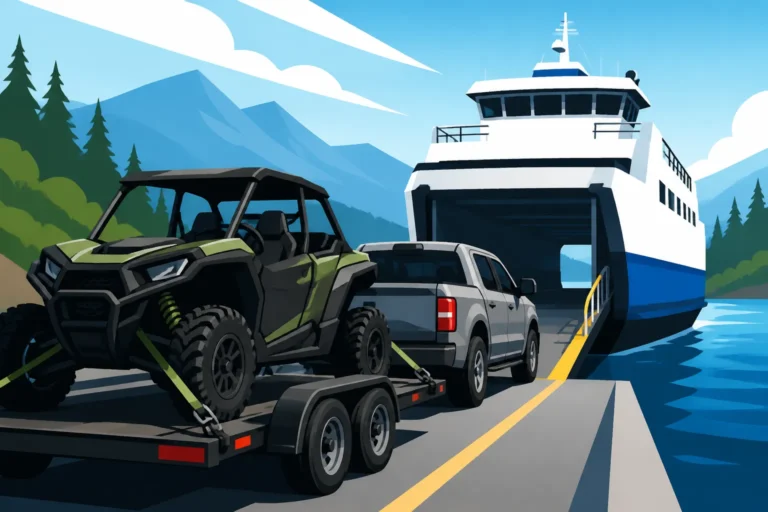
Give yourself extra time for the last part of the drive. Rural roads around the foothills can be narrow, wet, or busy with local traffic, and towing a loaded trailer takes longer than driving a car. Avoid blocking a gate, turnout, or road while you stop to sort out navigation. If the staging lot is crowded, keep your vehicle and trailer within designated parking areas so other riders and land users can pass safely.
Check maps and requirements for your machine
A phone map can be useful for orientation, but it should not be your only source of trail information. Download or save what you need before you leave an area with reliable service, and carry a backup plan for when your battery drains or reception drops. The guide to [Reading a DNR Recreation Map] is a useful starting point for understanding why a recreation map and a general navigation map may show different details.
Apps such as onX Offroad can help you study the surrounding trail network and keep your location visible while you ride. Treat that information as a planning aid, not permission to enter a closed road or trail. Before riding, compare your route with official signs and notices at the trailhead. If a trail is marked closed on the ground, follow the closure even if a digital map still displays a line through that area.
Sort out access requirements before the morning of your ride. Confirm that your ATV or UTV has the registration and tabs required for the riding area, and check whether a Discover Pass or another parking requirement applies to the vehicle you use to reach the trailhead. Keep required documents accessible and make sure your riding group understands which trails are appropriate for each machine. Rules can depend on the land, trail, and vehicle, so do not assume that a setup used at another riding area automatically applies here.
| Before you leave | What to check | Why it matters in spring |
|---|---|---|
| Access | Current route and staging-area notices | Road or facility access can change |
| Trails | Closures, restrictions, and posted signs | Mud, work, or other conditions may affect availability |
| Machine | Required registration, tabs, and equipment | Requirements depend on where and how you ride |
| Parking | Pass or fee requirements for the vehicle | Trail access and parking rules are not always the same |
| Navigation | Offline map, charged phone, and backup plan | Reception and battery life can be unreliable |
| Group | Machine capabilities and agreed route | Riders may have different limits and experience |
Understand spring trail conditions at Walker Valley
Expect wet roots, slick clay, and changing traction
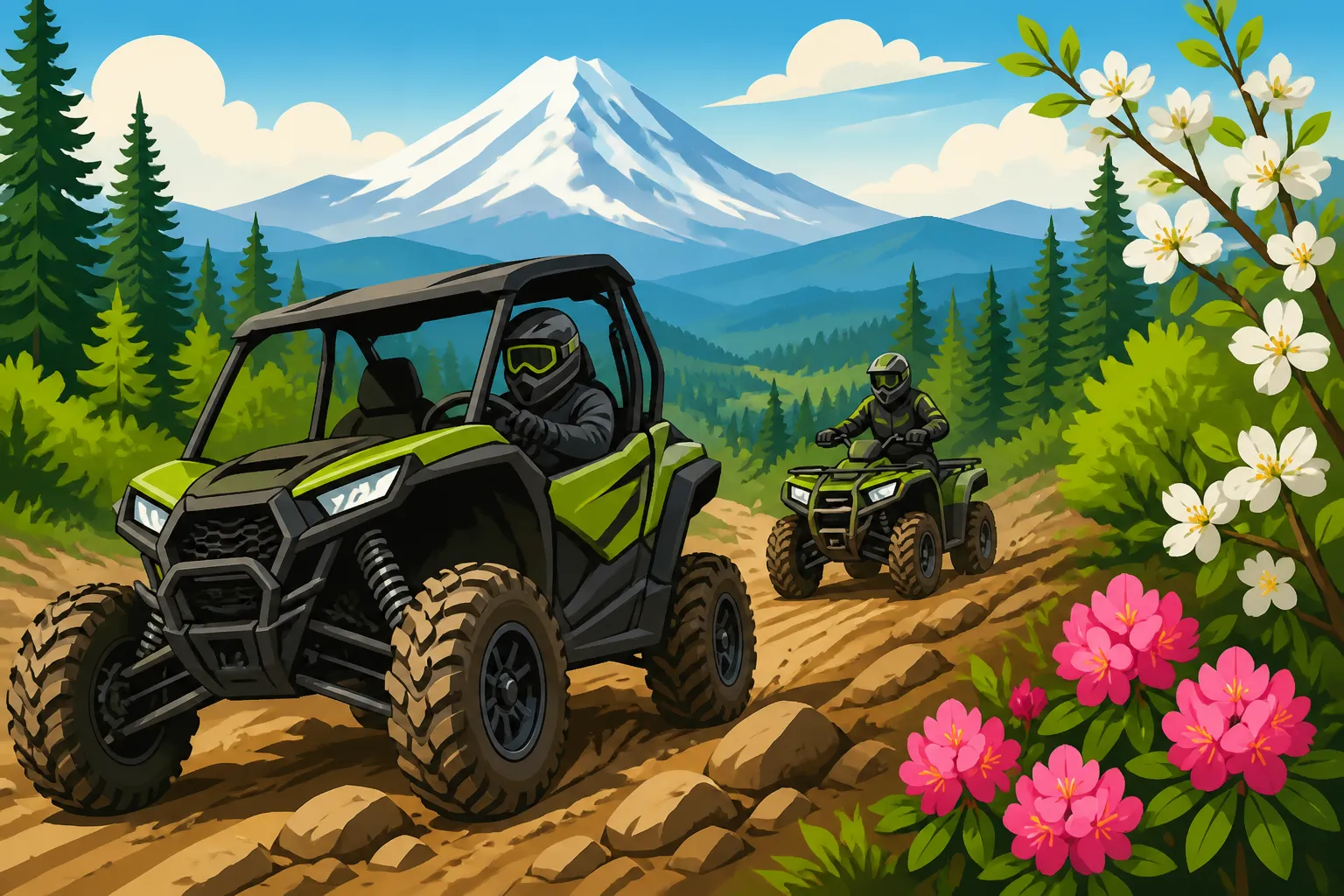
Spring riding at Walker Valley often means dealing with a mix of damp surfaces rather than one consistent kind of mud. A trail can feel manageable where water drains away, then become slippery where runoff crosses the tread or where tires have churned up soft soil. Roots and rocks that seem easy in dry weather may become slick when wet. The practical takeaway is to ride for the ground in front of you, not for how the trail looked the last time you visited.
Mud also changes as more machines pass over it. A shallow soft spot early in the day may turn into a deeply rutted section later, particularly if riders repeatedly spin their tires while trying to climb out. That can make the line more difficult for the next group and increase the risk of getting stuck or damaging the trail. [Washington Riding in the Wet Season] offers broader wet-weather guidance that applies to spring trips as well as rainy-season rides.
Use a steady pace and avoid abrupt throttle or brake inputs on slick ground. When traction is uncertain, slow down early and give yourself room to choose a safer line. Keep enough distance from the rider ahead that you can see their movements and respond if they stop or slide. If you cannot tell how deep a puddle is, do not charge through it: check the edge or choose a clearly safe route around it without widening the trail.
Match your route to the least capable machine in the group
A mixed group should plan around the rider and machine with the narrowest comfort margin. A smaller ATV, a less experienced rider, or a side-by-side with limited clearance may need a different route or a slower pace than a confident rider on a more capable machine. Agree on a turnaround point before the group spreads out. Turning back is a reasonable choice when conditions are worse than expected; it is not a failed ride.
Do not assume every trail is suitable for every ATV or UTV. Trail width, surface, obstacles, and posted restrictions can matter as much as engine size or rider confidence. Review [Washington Trail Difficulty Ratings] and pay attention to trail signs at Walker Valley. If a route looks too narrow, steep, or damaged for your machine, stop in a safe place and reconsider rather than trying to force your way through.
Spring weather can also shift during a ride. A trail that was merely damp in the morning may become harder to navigate if rain increases, while a change in temperature can affect how quickly soft ground dries. Carry suitable layers, water, and basic recovery items, and make sure everyone knows the group’s plan if a machine becomes stuck or someone needs to stop. For a shared route-planning perspective, [Walker Valley on a Saturday] is also relevant when you are thinking about how other trail users and busy conditions can affect the day.
Ride responsibly on soft trails
Protect the trail by avoiding unnecessary wheelspin
The urge to keep moving is understandable when a machine starts to bog down, but more throttle is not always the answer. Spinning tires can dig a deeper rut, throw mud, and leave a damaged section for other riders. If you lose traction, pause and assess the ground. A small adjustment in position or a careful recovery may work better than repeated attempts to power straight through.
Stay on the designated trail. Cutting around a puddle through vegetation can widen the tread and create a new muddy track that others may follow. If an obstacle or soft section cannot be crossed safely without damaging the trail, turn around or ask your group to help you recover the machine along the existing route. Avoid pushing through closed gates, riding around closure signs, or using an unofficial bypass.
Clean mud from your machine before heading to another riding area or storing it. Soil caught in tires, fenders, and underbody panels can carry seeds and plant material, so take a few minutes to inspect and clean the places where debris collects. A quick wash also makes it easier to spot damage after a wet ride, such as a loose fastener, a torn CV boot, or a branch lodged near a component.
Use cautious spacing and clear group communication
Keep enough room between machines to account for sudden stops, splashing, and reduced visibility. In deep mud, a rider may stop unexpectedly or need room to back out. A UTV may also obscure the trail for the machine behind it, so avoid tailgating and make sure everyone can see the rider ahead. Agree on simple signals and a regrouping point before the group leaves the staging area.
Be considerate when you meet other trail users. Slow down, give people space, and follow posted rules for the trail you are on. If you encounter a work crew, a closure, or a trail condition that makes continuing unsafe, stop where you are not blocking the route and follow the directions posted on site. A navigation app, including onX Offroad, can help you understand where you are, but it cannot replace signs, closures, or sound judgment on the ground.
Make the ride easier from staging area to cleanup
Pack for a wet day, not an ideal forecast
Bring waterproof outer layers, gloves you can still operate controls in, eye protection, and a dry change of clothing for the drive home. Spring weather in the foothills can feel colder once you are wet and moving slowly, especially when you stop to help someone recover a machine. Pack water and food where they will stay accessible, and consider carrying a small first-aid kit, basic tools, and recovery gear suited to your vehicle.
Before unloading, do a quick check of tires, brakes, lights, fuel, and any equipment you rely on for recovery. Secure loose cargo and make sure helmets and protective gear fit properly. If you are riding with children or less experienced riders, set expectations early: stay with the group, stop at agreed locations, and speak up when a trail feels uncomfortable. A calm conversation at the staging area is much easier than sorting out a disagreement on a muddy slope.
Do not count on phone reception for navigation, emergency communication, or checking a closure notice once you are deep into the riding area. Save maps and key information ahead of time. If you use onX Offroad, open the map and confirm it is available offline before you lose service, then carry another way to orient yourself in case your phone is damaged or its battery runs low.
Finish with a machine and gear check
After the ride, look over the ATV or UTV before putting it back on the trailer. Mud can hide a loose component or damage, so check the tires, wheels, underbody, and visible suspension parts. Clear debris from the radiator area if your machine has one, and look for branches or vegetation caught around moving parts. If anything feels different from the start of the ride, make a note of it before you forget.
Keep muddy gear separate from dry clothing and store wet items where they can air out. Clean the machine before driving to another riding area, particularly if it has picked up soil or plant matter. A little cleanup at the end of the day helps protect the next trail, makes maintenance easier, and saves you from discovering a caked-on mess the next time you open the trailer.
Spring Walker Valley trips are most enjoyable when you leave room to adjust your plan. Check the access and trail notices, choose a route suited to the group, and be willing to turn around when the ground is too soft or the conditions change. That approach helps make a wet day safer for your group and kinder to the trails you came to ride.
Disclaimer
This article is for general informational purposes only and does not constitute professional advice. Laws, prices and regulations vary by location and change over time. Consult a qualified professional for guidance on your specific situation.