Riding Through Lake Stevens
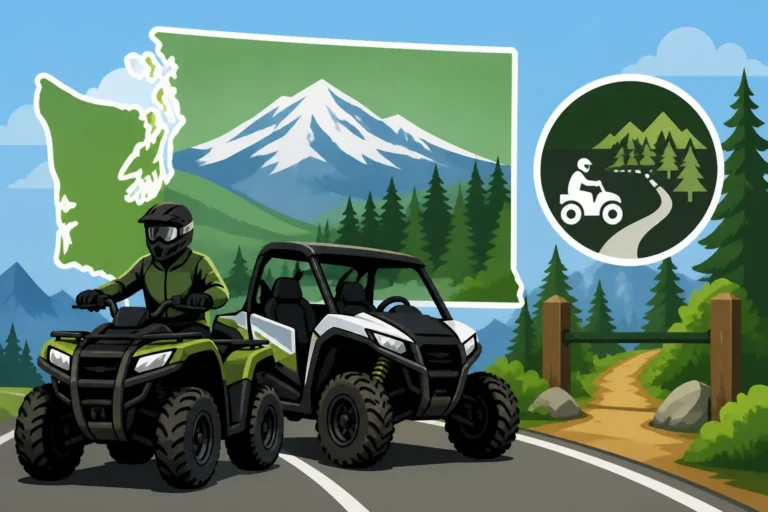
There's nothing quite like the freedom of hopping on your ATV or UTV and hitting the trails, but a common headache for many Washington riders is figuring out how to legally get from point A to point B when those points involve pavement, especially through a bustling city or town. Navigating city streets with your off-road machine can feel like cracking a secret code, and for folks around the Snohomish County area, the question of [Riding Through Lake Stevens] often comes up. This guide is here to untangle the specifics, helping you understand the local rules and requirements so you can enjoy riding in and around Lake Stevens safely and legally, without the constant worry of an unexpected citation.
Understanding Washington's WATV Road Laws
Before we dive into the nitty-gritty of Lake Stevens, it's crucial to grasp the broader framework of Washington State law regarding wheeled all-terrain vehicles (WATVs) on public roads. This isn't just about what your machine can do, but what the law allows it to do, and these rules can vary significantly from one jurisdiction to another.
The Core State Law: WATVs on Roads
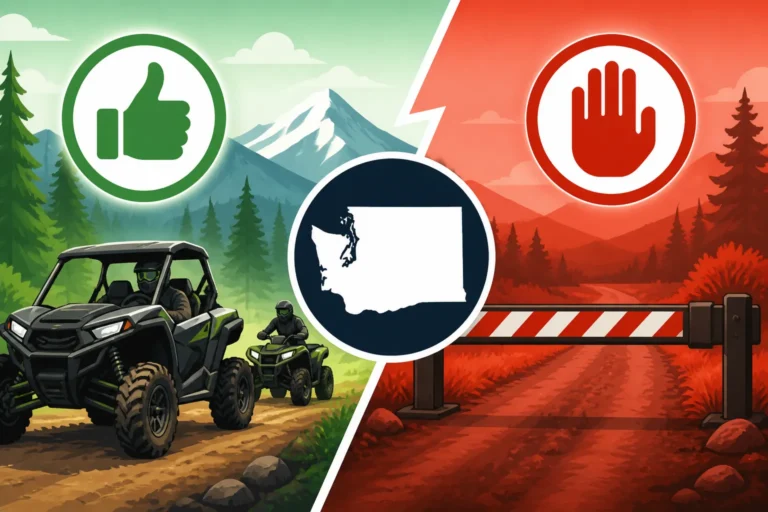
Washington State has a unique approach to allowing ATVs, UTVs, and other off-road machines on paved roads, differing quite a bit from some other states. The general rule is that counties with a population under 15,000 are open by default to WATV use on their county roads, unless they specifically pass an ordinance to close them. Conversely, counties with more than 15,000 residents, like Snohomish County where Lake Stevens is located, are closed by default, meaning they must actively pass ordinances to open specific roads. This means that if you're riding in a populated area, you can't assume a road is open. You have to verify it.
To even consider riding on pavement, your WATV needs to be properly registered with the Department of Licensing and bear [Washington's On-Road Tab Explained]. This isn't just a suggestion; it's a legal requirement that signifies your machine meets the state's minimum standards for road use. Without this crucial tab, any discussion of city or county roads becomes moot, as you'd be riding an unregistered vehicle on public thoroughfares.
County vs. City Ordinances
Here's where things get a little more complex and can be a source of real frustration for riders. While the state sets the overarching framework, individual counties and cities have the power to enact their own ordinances regarding WATV use on local roads. This means that even if Snohomish County, for example, has designated certain county roads as open, a city within that county, like Lake Stevens, might have a completely different set of rules for its own city streets. It's a patchwork quilt of regulations, and it requires diligence from riders to stay informed.
Many riders find this confusing, as a trail you regularly use might suddenly be inaccessible if the connecting road through a town isn't open to WATVs. It forces you to constantly check local government websites or attend council meetings to keep up. This local control allows communities to address their specific concerns about traffic, noise, and safety, but it places the burden squarely on the rider to understand the hyper-local nuances of [Washington Rules for Riding a City Street] or county thoroughfares.
Equipment Requirements for On-Road Use
Making your WATV street-legal isn't just about getting the right registration tabs; it's also about equipping your machine to meet specific safety standards. This often involves more than what comes standard on many off-road models. Think of it like taking a dirt bike and adding all the necessary lights and signals to drive it on a regular street – it’s a conversion process.
According to state law, any WATV operated on public roads must have specific equipment, including headlights, taillights, brake lights, turn signals, mirrors, a horn, and a windshield or eye protection. Some riders opt for aftermarket solutions from companies like SuperATV to ensure their machines are up to snuff. Products from SuperATV, for instance, often include entire kits designed to convert off-road vehicles for road legality, encompassing everything from proper lighting to mirrors that meet visibility requirements. Don't forget, if your machine doesn't have a windshield, you'll need to wear adequate eye protection. These are non-negotiable items that a law enforcement officer will be looking for during any roadside check.
Lake Stevens Specifics: What the Ordinance Says
So, what about Lake Stevens itself? This is where many riders scratch their heads, hoping to connect trails or simply get from one side of town to another without breaking the law. The City of Lake Stevens, like many municipalities in Snohomish County, has its own rules that you absolutely need to understand.
Which Streets Are Open in Lake Stevens
For a city to open its streets to WATV use, it must pass a specific ordinance. Lake Stevens Ordinance 1045 is the key document here. This ordinance does allow WATVs on specific city streets within Lake Stevens. However, it's not a blanket opening of all roads. Typically, cities will designate certain routes, often connecting different parts of the community or providing access to trailheads, while keeping busier arterial roads closed for safety and traffic flow reasons.
The ordinance clearly outlines the permissible streets, often those with lower speed limits or less traffic. Riders need to obtain a copy of this ordinance or consult the city's official map or list of approved WATV roads. For example, you might find that certain residential streets are open, allowing you to access a specific area, but major thoroughfares like SR 9 or US 2, even within city limits, would likely remain off-limits due to state highway regulations and higher speed limits. Always check the official city website for the most current information, as ordinances can be amended.
Navigating Closed Road Segments
Even within a city that does allow WATVs, you will inevitably encounter segments that are off-limits. This is perhaps the biggest challenge for riders trying to navigate urban areas. A street might be open for several blocks, only to become closed at a major intersection or where it turns into a state highway. The law is very specific on this: [Washington Rules for Getting Across a Road] are different from actually riding on a road. You might be permitted to cross a highway, for instance, but not to travel along it for any distance.
The responsibility falls entirely on the rider to know exactly where these boundaries lie. Imagine you're riding a side-by-side that you've diligently equipped with a SuperATV street legal kit – turn signals flashing, horn ready – but you mistakenly turn onto a prohibited road. Even with all the correct gear, you could still face a fine. It’s critical to plan your route in advance, identifying all open segments and any necessary detours or crossing points. This proactive approach saves a lot of headaches and keeps you on the right side of the law.
Key Restrictions and Requirements Within City Limits
Beyond simply which roads are open, Lake Stevens' ordinance, like others for [Washington Cities That Allow WATVs on Streets], will likely impose additional restrictions. These often include specific operating hours (e.g., no riding between dusk and dawn), speed limits (typically 35 mph or less, depending on the posted limit of the road), and rules about how your WATV must be equipped. For example, [Washington Lighting Requirements for WATVs] are even more critical in an urban setting, ensuring visibility to other drivers.
| Requirement | State Law (General) | Lake Stevens (Ordinance 1045) | Notes |
|---|---|---|---|
| Registration | WATV must have both off-road and on-road tabs. | Required to ride on designated city streets. | Essential for all public road use. [Washington's Two-Tab System] |
| Driver License | Valid driver license required for operator. | Required. | Standard for any motor vehicle on public roads. [Washington Driver License Rules for WATVs] |
| Helmet | Required for all WATV riders and passengers. | Required. | Non-negotiable safety equipment. [Washington Helmet Law for WATV Riders] |
| Insurance | Minimum liability insurance required for on-road. | Required. | Protects you and others. [Washington WATV Insurance Requirement] |
| Speed Limit | Max 35 mph on open roads unless posted lower. | Adhere to posted city speed limits; generally <35 mph. | City ordinances rarely allow higher speeds. |
| Equipment | Headlights, taillights, brake lights, turn signals, mirrors, horn, eye protection/windshield, spark arrester, muffler. | All state requirements apply. | Check your aftermarket accessories from brands like SuperATV meet all local specs. |
| Operating Hours | Generally unrestricted by state, but local cities may impose. | Check Ordinance 1045 for specific hours. | Often restricted to daylight hours in urban areas. |
| Road Type | Only on county/city roads designated by ordinance. | Only on streets specifically listed in Ordinance 1045. | Major highways (SR, US routes) are typically not included. |
You must also carry your registration and proof of insurance with you while riding. Remember, these machines are seen as motor vehicles when on city streets, so rules like [Washington Rules for Riding Two Abreast] will still apply, generally prohibiting it in a single lane of traffic. Being mindful of residential areas and reducing noise levels can go a long way in ensuring WATV access remains available in the community.
Practical Tips for Riding in Lake Stevens
Successfully navigating Lake Stevens on your WATV isn't just about knowing the law; it's about smart planning, safe riding, and being a considerate member of the community.
Planning Your Route Carefully
This cannot be stressed enough: do your homework before you ever put the key in the ignition. Grab a map – a physical one, or use a reliable mapping app – and highlight the designated WATV-friendly streets in Lake Stevens. Identify your entry and exit points, and be aware of any "no-go" zones. Some riders even print out the city's ordinance and map to carry with them, just in case they need to refer to it or explain their route to a curious resident or law enforcement officer.
Consider your destination. Are you just passing through to get to another trail system, or are you trying to reach a specific shop or restaurant? Plan for safe parking once you arrive. Parking your WATV on a busy main street where it might obstruct traffic or cause a hazard is never a good idea. Looking for off-street parking or less congested areas can make your urban riding experience much smoother. Remember, you're not just riding; you're representing the entire WATV community, so make sure your planning reflects that responsibility.
Safety First: Helmets, Insurance, and Awareness
When you're sharing the road with cars, trucks, and even bicycles, safety becomes paramount. Wearing a helmet isn't just a good idea; it's the law in Washington for WATV riders, even adults. This applies regardless of whether you’re on a trail or a city street. [Washington Helmet Law for Passengers] is equally strict, so if you're carrying a friend or family member, make sure they're also properly geared up.
Having the right insurance is also critical. While off-road machines don't always require insurance for trail use, once you hit the pavement, minimum liability insurance is mandatory in Washington. This protects you financially in case of an accident. Beyond legal requirements, riding with heightened awareness is key. Urban environments are dynamic; pay extra attention to turning vehicles, pedestrians, children, and parked cars that might suddenly open doors. Always assume other drivers might not see you, and ride defensively. Keep your speed appropriate for conditions, especially if your machine is primarily designed for off-road use and might handle differently on pavement.
Being a Good Neighbor and Responsible Rider
When riding through a community like Lake Stevens, remember that not everyone is an off-road enthusiast. Noise, dust, and perceived recklessness can quickly turn public opinion against WATV access. Operate your machine respectfully: keep noise levels down, especially in residential areas. Avoid excessive revving or aggressive driving that might disturb residents. If your machine is older or has had modifications, make sure [Washington Muffler Requirements for an ORV] are met to keep sound output within legal and considerate limits.
Park respectfully, don't litter, and adhere to all traffic laws, just as you would in any other vehicle. When encountering pedestrians or cyclists, yield the right-of-way and pass with plenty of room. Being a visible advocate for responsible WATV use will help maintain and potentially expand road access in communities. When riders demonstrate respect for the community and its residents, it fosters a more positive relationship between the city and the riding public.
Beyond Lake Stevens: Other Nearby Opportunities
While Lake Stevens offers some limited street access for WATVs, it's just one piece of the puzzle for riders in Snohomish County and the surrounding areas. Exploring other options can expand your riding horizons.
Exploring Snohomish County's ORV Network
Snohomish County itself, despite being a larger county, has been proactive in certain areas regarding WATV access. You might find designated county roads that connect to various trail systems or provide scenic rides. [Snohomish County Ordinance 17-032], for instance, has opened certain specific roads, which could be part of a larger planned ride for you. It's always a good idea to consult the Snohomish County Public Works department or their website for their official map and list of open roads. These county roads often connect to larger forest road systems or other designated ORV areas, providing a more extensive network than what you might find within city limits.
This can be incredibly helpful for accessing nearby trailheads or linking up different riding zones. For example, some of these county roads might serve as connectors to areas like Reiter Foothills, allowing you to ride directly to or from certain points without having to trailer your machine for every single segment. Always verify road status and check for any temporary closures due to weather, logging operations, or maintenance, which can sometimes impact accessibility on [Riding From a Campground to a Trailhead].
Connecting to Nearby Trails
The real value of being able to legally ride on some Lake Stevens streets or Snohomish County roads often lies in their ability to connect you to fantastic off-road opportunities. Places like [Reiter Foothills State Forest] are hugely popular with ORV riders and are relatively close to Lake Stevens. Being able to ride a short paved segment to reach an access point or staging area for a trail system can save a lot of time and hassle compared to loading and unloading your machine from a trailer multiple times.
Similarly, areas further afield like [Walker Valley ORV in Washington's Skagit County] offer extensive trail networks. While you likely won't ride all the way from Lake Stevens to Walker Valley, connecting to county roads that get you closer can streamline your day. Always make sure you understand the specific rules for each riding area as well – some may require a Discover Pass or other permits, in addition to your WATV tabs.
What to Do if Lake Stevens Isn't for You
If the restrictions and complexities of riding in Lake Stevens or other urban areas feel too daunting, don't despair! Washington has an abundance of incredible off-road riding opportunities where pavement legalities aren't a concern. State forests managed by the Department of Natural Resources (DNR) like [Capitol State Forest Near Olympia, Washington] or [Ahtanum State Forest] offer vast networks of trails and forest roads specifically designed for ORV use.
These areas provide dedicated staging lots, clear trail markings, and an environment where your focus can be entirely on the ride itself, rather than constantly checking your map for legal road segments. For many riders, the pure off-road experience is the primary goal, and if urban navigation detracts from that, there are plenty of alternatives. Exploring these dedicated ORV areas can provide the stress-free, adventurous riding experience you're truly looking for, without the need for a SuperATV street legal kit, unless you plan to ride those areas from pavement.
Disclaimer
This article is for general informational purposes only and does not constitute professional advice. Laws, prices and regulations vary by location and change over time. Consult a qualified professional for guidance on your specific situation.