Riding Abreast and Why It Is Barred
It's incredibly tempting when you're out with a group of friends on your side-by-sides or quads to ride right next to each other, chatting and enjoying the scenery as you traverse a country road. We've all seen it in movies or maybe even on private land, but when it comes to riding legally on Washington's public roads, that dream scenario often bumps up against strict regulations. This guide is here to help you understand precisely why riding abreast – that is, side-by-side – is barred on Washington roads and how to ensure your group rides remain both fun and fully compliant with the law.
The Basics of Washington's WATV Road Rules
Before we dive into why riding abreast isn't allowed, it's really helpful to understand the foundational rules for operating Wheeled All-Terrain Vehicles (WATVs) on Washington's public roadways. Many riders assume that once they get their machine "street legal," they can just hop on any road. But it's a bit more nuanced than that, and there are specific conditions and equipment requirements you absolutely must meet. Ignoring these can lead to a quick conversation with a Washington Trooper, and not the kind you want to have.
Why Washington Has Specific WATV Road Laws
Washington State, like many places, recognized the growing popularity of WATVs and the desire for riders to connect trails or access amenities via public roads. However, these machines weren't originally designed for road travel alongside cars and trucks. This led to the creation of specific laws to integrate them safely into the existing road network. The goal is to allow access while minimizing risks to WATV riders, other motorists, and even pedestrians. These laws aren't there to spoil your fun; they're designed to keep everyone safe. The state had to carefully consider factors like speed differentials, vehicle width, visibility, and driver licensing. It's a balancing act to allow us to enjoy our machines more freely while maintaining public safety on roads not typically built for off-road vehicles. [Washington WATV Road Requirements] go into great detail about what's generally expected.
General Equipment Requirements for On-Road Use
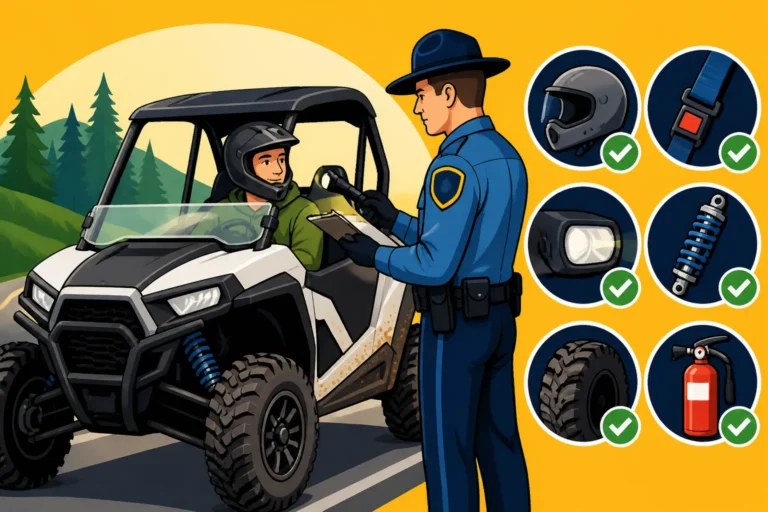
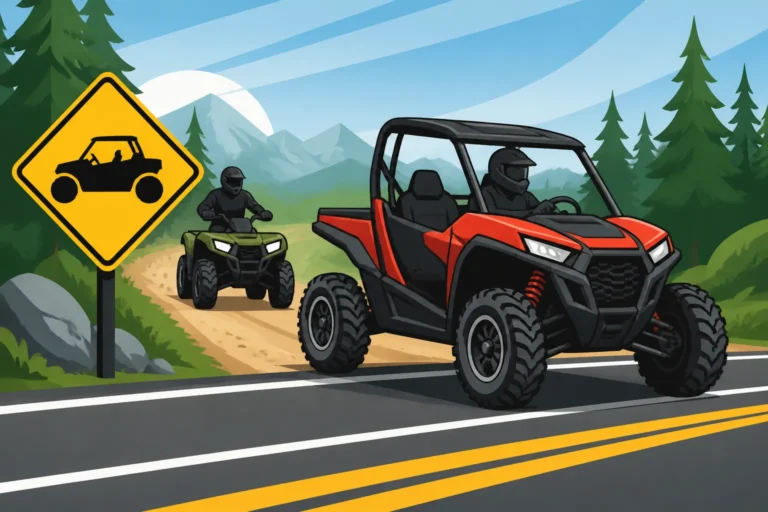
Making your WATV road-legal in Washington isn't just a matter of having the right registration tabs. Your machine needs to be equipped to highway safety standards, which can be a significant investment if your quad or side-by-side didn't come street-ready from the factory. Think about all the standard safety features on your car – WATVs need comparable ones. This includes functioning headlamps, taillamps, brake lights, turn signals, at least one rearview mirror, and a horn. Many aftermarket companies, like SuperATV, offer complete kits to help riders upgrade their machines to meet these requirements. For instance, a quality turn signal kit is non-negotiable, and you'll want robust mirrors that give you a clear view of traffic behind you, not just a blurred reflection. It's not just about having them; they must be in good working order. A flickering brake light or a horn that sounds more like a dying duck isn't going to cut it. Ensuring your machine is up to snuff is the first step toward legal road use, and without it, even riding single file is a no-go. You can learn more about specific lighting requirements in [Washington Lighting Requirements for WATVs].
Here’s a quick overview of essential equipment for on-road WATV use in Washington:
| Equipment Item | Purpose | Notes |
|---|---|---|
| Headlamps | Visibility for rider and to be seen by others | Must be DOT-compliant, active both day and night on roads |
| Tail Lamps | Visibility from the rear | Required for safe operation, especially in low light |
| Brake Lights | Signal slowing or stopping | Essential for preventing rear-end collisions |
| Turn Signals | Indicate intended turns or lane changes | Front and rear, amber or red, clearly visible |
| Rearview Mirror | See traffic behind you | At least one, mounted to provide clear vision for 200 feet |
| Horn | Alert others to your presence | Audible for at least 200 feet under normal conditions |
| Spark Arrester | Prevent wildfires | Mandatory for all ORVs on public lands/roads |
| Windshield/Eye Protection | Protect rider from debris | Windshield or DOT-compliant goggles/face shield |
| Seat Belts | For utility vehicles (UTVs) with seats | Must be worn by all occupants in UTVs |
| Helmet | Protect rider's head (for ATVs/dirt bikes) | [Washington Helmet Law for WATV Riders] mandates this for all ages |
Understanding the Prohibition Against Riding Abreast
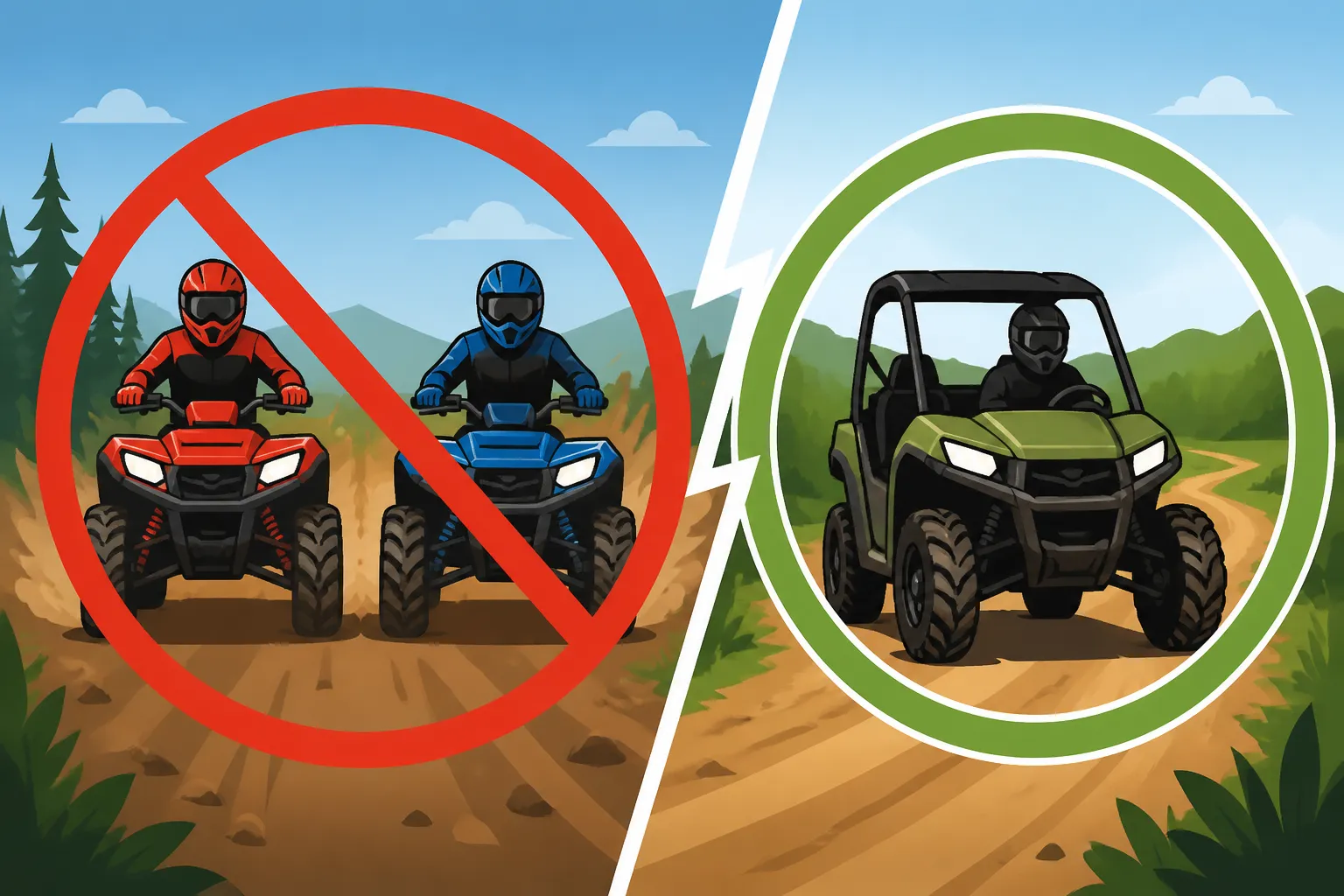
Now, let's get to the heart of the matter: why you can't ride side-by-side on Washington roads. This rule often catches riders off guard because it feels natural to cruise alongside a buddy. However, the law is quite clear, and it's rooted in very practical safety and traffic flow considerations. You might be on a wide, open country road, thinking there's plenty of room, but the state sees things differently, prioritizing standard traffic practices.
The Safety Concerns Behind the Rule
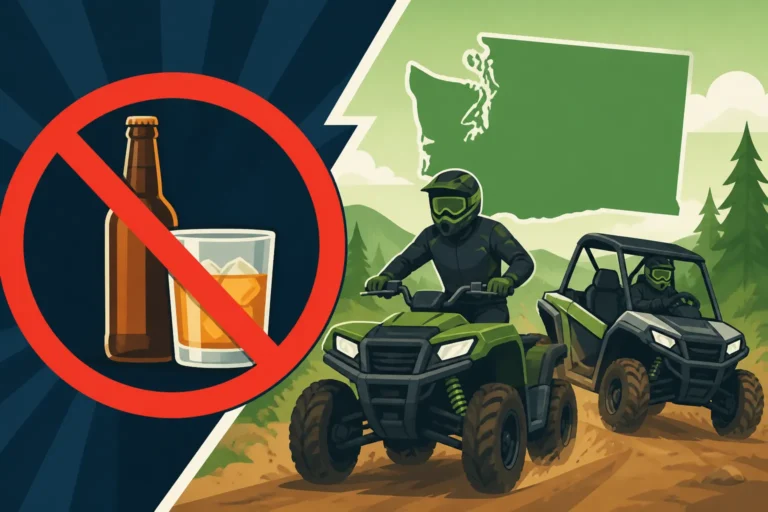
The primary reason for prohibiting riding abreast is safety, plain and simple. When you have two WATVs traveling side-by-side, they take up significantly more space than a single machine. This effectively creates a wider "vehicle" that can impede the flow of traffic, especially on narrower county roads. Imagine a sedan trying to pass two side-by-sides taking up most of a lane; it creates an immediate hazard. Furthermore, riders abreast might be distracted by conversation, reducing their focus on road conditions, oncoming traffic, or signals from other group members. If one rider swerves unexpectedly, it could easily cause a collision with the machine next to them, escalating a minor incident into a more serious multi-vehicle crash. The rule is designed to ensure each machine can operate as an individual unit, maintaining predictable movements within its designated space. This helps reduce the chances of sudden lane deviations or conflicts with other vehicles, which is crucial on roads with mixed traffic.
Lane Width and Sharing the Road
Most roads, even rural ones, are designed with specific lane widths to accommodate standard passenger vehicles and allow for safe passing. Two WATVs riding abreast, especially larger side-by-sides, can easily exceed the width of a single lane. This forces other vehicles, whether they're cars, trucks, or even logging vehicles, to either cross the center line dangerously or slow to a crawl behind the WATVs. This creates frustration for other drivers and, more importantly, heightens the risk of head-on collisions. Washington law generally dictates that vehicles must operate within a single lane and not impede traffic. When you're riding side-by-side, you're effectively creating a barricade, violating the spirit of safe road sharing. It's about respecting the infrastructure and the other road users. Even if the road feels empty, it’s about maintaining standard operating procedures that are universally understood by all drivers, minimizing confusion and potential conflict. [Two Machines Sharing One Lane] further explores the implications of this.
What to Do Instead: Safe and Legal Riding Practices
So, if riding abreast is out, how do you enjoy a group ride on Washington's roads without breaking the law? The good news is that there are perfectly legal and safe ways to ride with your friends. It just requires a slight adjustment in how you think about group formation on paved surfaces. The key is to prioritize visibility, predictability, and compliance with traffic laws, making sure everyone gets home safely.
Riding in a Single File Line
The simplest and most effective solution is to ride in a single file line. This means each WATV follows directly behind the one in front of it, maintaining a safe following distance. This practice ensures that your group occupies no more width than a single vehicle, allowing other motorists to pass safely when the opportunity arises. It also makes your group's movements more predictable for other drivers, as each machine is an individual unit adhering to standard traffic rules. Think of it like a line of motorcycles; each rider is responsible for their own position and spacing. Maintaining proper distance isn't just for avoiding rear-end collisions; it also allows you to react to hazards, see road signs, and observe the vehicle in front of you signal turns. Encourage lead riders to use clear hand signals in conjunction with their [Turn Signals on a Washington Road Machine] to communicate intentions to the rest of the group and other road users. It might not be as social as riding side-by-side, but it’s the only legal way to travel together on Washington roads.
Planning Rides for Group Enjoyment Within Regulations
While you can't ride abreast on the road, you absolutely can still enjoy group rides. The trick is in the planning. Before you head out, have a clear route mapped, discuss your intentions, and designate a lead and sweep rider. Utilize communication systems, like helmet-mounted radios, to chat and stay connected while riding single file. These systems from brands like SuperATV can make a world of difference, allowing for conversation and coordination without compromising safety or breaking the law. Plan specific stops at scenic viewpoints, trailheads, or local eateries where you can all pull off the road, gather together, and socialize. This way, you maximize the social aspect of your ride without risking a citation or a dangerous situation on the pavement. Think of the road segments as necessary connections between the real fun spots, where you can then spread out and enjoy each other's company more freely. Remember, [Washington Rules for Riding a County Road] and [Washington Rules for Riding a City Street] still apply fully to each individual machine.
Consequences of Violating the Abreast Rule
Ignoring the "no riding abreast" rule, like any traffic law, comes with potential consequences. It's not just about getting a slap on the wrist; depending on the situation, it can lead to fines, inconvenience, and even more serious repercussions that could impact your future riding opportunities. Knowing the potential downsides helps reinforce why adherence to the rules is so important.
Potential Fines and Citations
The most immediate consequence of riding abreast illegally is a traffic citation. A law enforcement officer observing two WATVs riding side-by-side on a public road would likely pull you over. The specific fine can vary depending on the jurisdiction and the officer's discretion, but it's generally categorized as an infraction. These aren't just minor annoyances; they can add up, and repeat offenses might lead to higher penalties. Beyond the fine itself, you'll incur court costs, and potentially an increase in your insurance rates if the infraction is reported to your insurance provider. It's simply not worth the risk when riding single file is a perfectly viable and legal alternative. A quick roadside stop to explain the rules and issue a ticket can quickly derail an otherwise fun day out with friends. [What a Washington Trooper Checks Roadside] often includes adherence to traffic laws like this one. For specific penalty information, it's best to look up [Washington Fines for Illegal WATV Road Use].
Impact on Future Riding Privileges
While a single citation for riding abreast might not immediately revoke your WATV privileges, repeated violations or involvement in an incident caused by illegal riding practices could lead to more severe consequences. For instance, if riding abreast contributed to an accident, you could face liability issues, higher legal costs, and potentially even criminal charges depending on the severity of the damage or injury. Beyond that, continuous disregard for rules like this can contribute to negative public perception of WATV riders as a whole. This can lead to tighter restrictions on road access, stricter enforcement, or even the closure of currently accessible road segments. It's a collective responsibility to ride safely and legally to preserve access for everyone. By always riding single file on public roads, you not only protect yourself and your group but also contribute to a positive image for the entire WATV community in Washington, helping ensure that we continue to have places to ride.
Disclaimer
This article is for general informational purposes only and does not constitute professional advice. Laws, prices and regulations vary by location and change over time. Consult a qualified professional for guidance on your specific situation.