Studded Tires in the Cascades
There’s nothing quite like the crisp, still air of the Cascades in winter, but for those of us who love exploring Washington’s vast trail network on our ATVs and UTVs, the icy grip of winter can bring a whole new set of challenges and frustrations. Slippery slopes, hidden black ice, and unforgiving packed snow can quickly turn an exhilarating ride into a white-knuckle ordeal or, worse, a dangerous situation. This guide is here to help you navigate those frosty terrains, specifically by diving deep into the world of studded tires for your off-road machine and whether they’re the game-changer you need for your winter adventures.
The Allure and Reality of Winter Riding in the Cascades
Winter riding in Washington's Cascades offers an experience unlike any other, but it's crucial to understand both its breathtaking beauty and its inherent dangers before you hit the trails.
The Beauty and the Beast: Why Winter Riding Is Both Thrilling and Treacherous
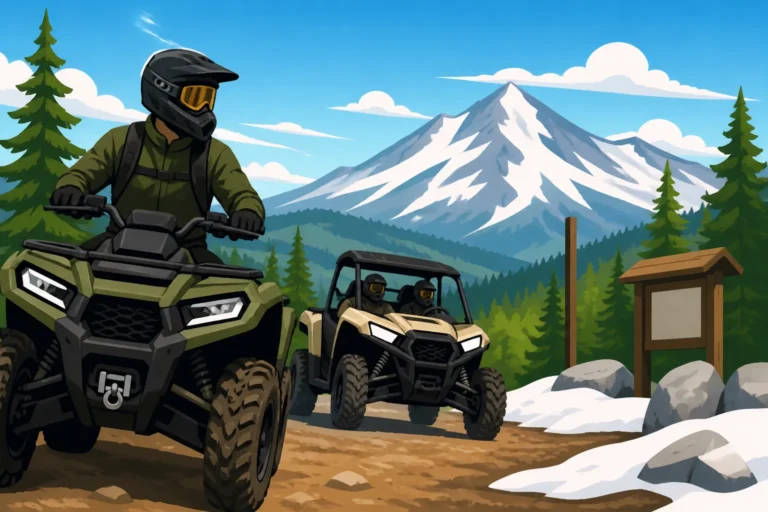
Imagine a landscape transformed: towering evergreens dusted with fresh powder, silent valleys echoing only the hum of your engine, and views stretching for miles across snow-covered peaks that are usually obscured by summer haze. Riding through the Cascades after a fresh snowfall feels like entering a different world. The trails are less crowded, the air is clean and invigorating, and the sheer challenge of navigating the winter terrain adds an extra layer of accomplishment to every mile. For many of us, it's a chance to extend our riding season, to see familiar trails in an entirely new light, and to truly connect with the raw beauty of Washington's wilderness. It's a thrill that speaks to the adventurous spirit, pushing both rider and machine to new limits.
However, this winter wonderland comes with its own set of formidable beasts. The beautiful snow can hide treacherous ice patches, especially in shaded areas or after melt-freeze cycles. A slight incline that’s an easy climb in summer becomes a slick, unforgiving slide in icy conditions. Hidden rocks and roots, easily spotted in warmer months, can be completely obscured by snow, leading to unexpected jolts and potential damage. The cold itself is a factor; not just for the rider, but for the machine, impacting battery life, fluid viscosity, and overall performance. Getting stuck or breaking down in freezing temperatures far from help is a serious concern, making proper preparation and the right equipment absolutely non-negotiable. The stunning solitude can quickly become isolating if things go wrong.
When to Consider Studded Tires: Beyond Just Fresh Snow
When we think of winter riding, often our minds go straight to deep, fluffy snow. While that certainly presents its own challenges, it's actually the ice and packed snow that often make studded tires truly indispensable. If your winter rides frequently involve traversing trails that have seen repeated freezing and thawing, or if you're venturing into higher elevations where temperatures fluctuate, you've likely encountered those slick, glassy sections that feel like riding on glass. These are the prime conditions where studs shine, providing a level of grip and confidence that standard knobby tires simply cannot match. They dig into the ice, finding purchase where unstudded rubber would merely slide.
Consider those forest roads or shared multi-use trails that get compacted by other vehicles or foot traffic, then freeze solid overnight. Or perhaps you're tackling a steep, north-facing slope that rarely sees sun and remains a sheet of ice for weeks. These are not conditions where flotation or aggressive tread patterns alone will save you. This is where the bite of a studded tire can literally mean the difference between maintaining control and a costly, painful spill. While they might not be the ultimate solution for every single winter condition—for instance, deep, fresh powder might be better managed with pure flotation tires—for anything involving a significant amount of ice, hard-packed snow, or even slush that's prone to refreezing, studs become a critical safety and performance upgrade. They allow you to maintain momentum on slippery climbs, stop more effectively on icy descents, and steer with far greater precision, truly opening up access to winter terrain.
Understanding Studded Tires for Your WATV
Diving into the specifics of studded tires can seem a bit technical, but understanding the options available and how they function is key to making an informed choice for your Washington winter adventures.
Types of Studs and How They Work
When it comes to studded tires for your ATV or UTV, you generally have two main approaches: purchasing tires that come pre-studded from the factory or studding existing tires yourself. Pre-studded tires are designed with integrated stud pockets and often use specialized rubber compounds that hold the studs securely. These are typically the most reliable option, as the studs are professionally installed and engineered to withstand the rigors of off-road use. They're ready to go right out of the box, saving you the time and effort of a DIY project. Brands like SuperATV often carry a range of tires suitable for various conditions, and some might even have options for studding or tires that are compatible with specific stud types.
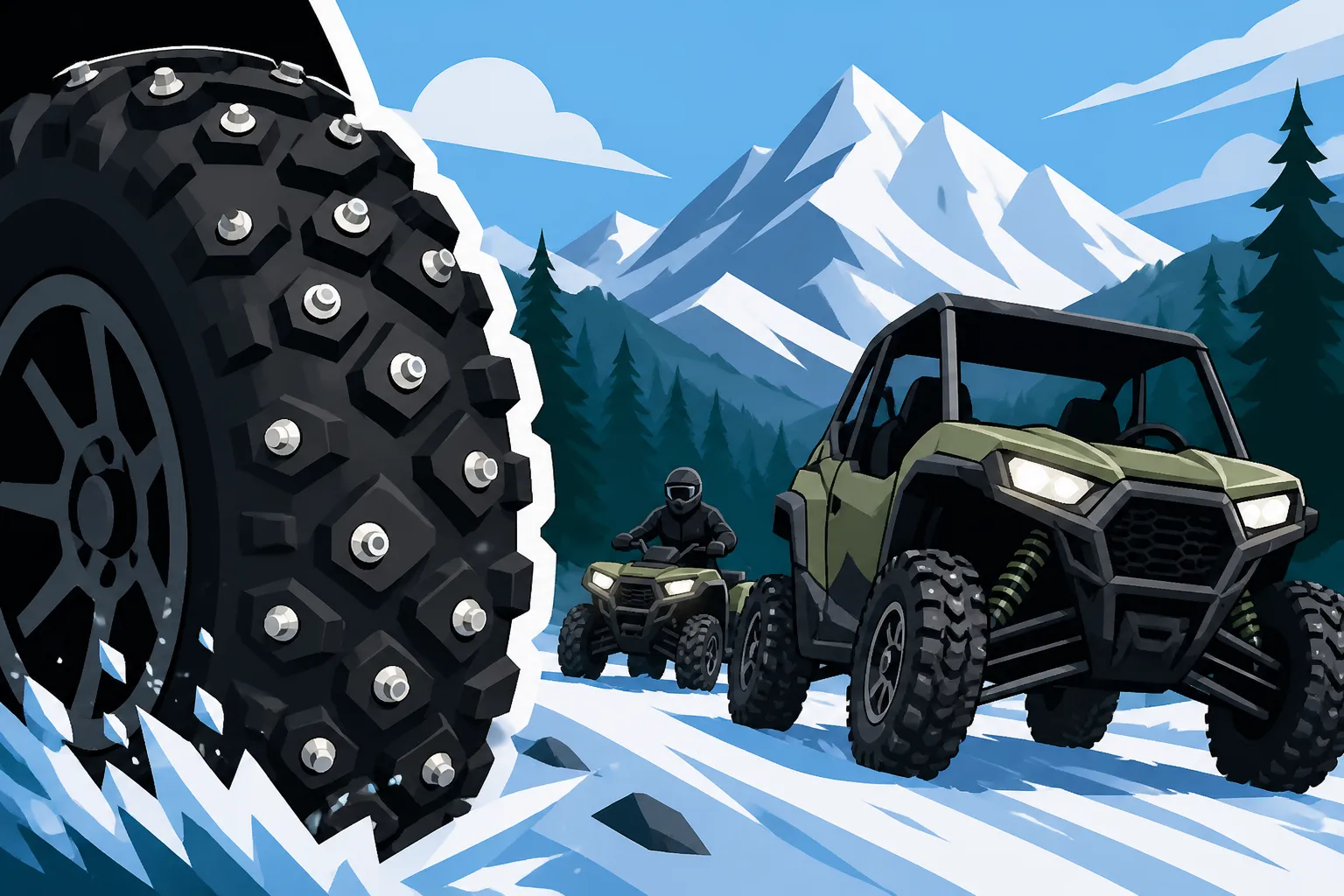
For those who prefer a more hands-on approach or want to convert their existing tires, DIY studding kits are available. These kits usually involve screw-in studs made from various materials, such as carbide or hardened steel. Carbide studs are prized for their extreme durability and exceptional ice-gripping properties, as carbide is incredibly hard and resistant to wear. Steel studs are more economical but may wear down faster, especially if you encounter a lot of rocks or pavement. The studs themselves come in different shapes and lengths, designed to protrude from the tire tread and bite into ice or packed snow. The crucial aspect of how studs work is their ability to concentrate the vehicle's weight onto tiny, sharp points, breaking through the slippery surface layer of ice and finding traction on the more stable material beneath. This mechanical grip is what provides the dramatic increase in control and braking performance on frozen terrain.
Pros and Cons of Running Studded Tires
Like any specialized equipment, studded tires come with their own set of advantages and disadvantages. It's about weighing these against your specific riding needs and the conditions you expect to encounter in the Cascades.
Pros of Studded Tires:
- Superior Grip on Ice and Packed Snow: This is the undeniable champion feature. Studs provide unmatched traction on icy trails, frozen ruts, and hard-packed snow, dramatically reducing the risk of sliding and improving control. You'll feel a significant increase in confidence when navigating treacherous sections.
- Enhanced Control and Braking: With better grip, your steering becomes more precise, and your braking distances shorten considerably on slick surfaces. This is a critical safety benefit, allowing you to react more effectively to unexpected obstacles or changes in terrain.
- Extended Riding Season: For dedicated winter riders, studded tires can effectively lengthen your usable season, opening up trails that would otherwise be too dangerous or impassable during freezing conditions. This means more time enjoying the unique beauty of winter in Washington.
- Increased Confidence: Knowing your machine has maximum traction on icy patches instills a sense of security, allowing you to focus more on the ride and less on fear of losing control. This confidence can transform a stressful ride into an enjoyable one.
Cons of Studded Tires:
- Cost: Studded tires, or the studs themselves, represent a significant investment compared to standard off-road tires. If you're opting for a dedicated set, you'll also need a place to store your non-studded tires during the winter months.
- Wear on Pavement/Hard Surfaces: Studs are designed to dig into ice, not to be run on bare asphalt or concrete. Riding on hard, dry surfaces will rapidly wear down the studs, decrease their effectiveness, and can even damage the pavement itself. This means you need to be very mindful of [Washington Rules for Riding a Forest Road] or other mixed-use paths that might have paved sections.
- Reduced Performance on Dry Trails: On dry dirt or rocky terrain, studded tires offer less traction than dedicated off-road tires. The studs actually lift the main tread blocks slightly, reducing the contact patch of the rubber and making the ride feel less stable. They can also feel squirmy and generate more noise.
- Potential Damage to Soft Terrain: While less of an issue on frozen ground, on softer, unfrozen trails, studs can tear up the surface more than regular knobby tires, leaving deeper ruts. This is why they are specifically suited for frozen conditions.
- Installation Hassle (for DIY): If you choose to stud your own tires, it's a time-consuming and labor-intensive process that requires careful attention to detail to ensure proper stud retention and even distribution.
- Legalities: While generally permissible for off-road use, rules can be complex if your WATV is also registered for road use. Always check local ordinances regarding studded tires on any public road surfaces, even forest roads.
Installation and Maintenance Tips
Whether you opt for pre-studded tires or decide to tackle a DIY project, a little knowledge about installation and ongoing maintenance can go a long way in ensuring safety and longevity. If you're buying a set of pre-studded tires, the installation is straightforward: mount them just like any other tire. However, if you're going the DIY route with screw-in studs, careful attention to detail is paramount. You'll need a stud gun or a specialized driver bit for your drill. It's crucial to install the studs evenly across the tread, typically in the center and shoulder lugs, avoiding the sidewalls. Ensure the stud depth is correct; you want them to protrude enough to bite but not so much that they tear out easily or compromise the tire's structure. Following the manufacturer's instructions for the specific studs you're using is absolutely vital for the best results.
Once installed, proper break-in is recommended. This usually involves a few short, easy rides on varied terrain to help seat the studs firmly into the tire lugs. After each ride, especially through challenging or rocky terrain, it’s a good practice to inspect your tires. Check for any lost or bent studs. While modern studs are quite durable, they can occasionally work their way out, particularly if installed improperly or if subjected to excessive force on hard surfaces. Replacing lost studs promptly helps maintain consistent traction across all four wheels. If you notice significant wear on certain studs, it might be an indication of uneven weight distribution or aggressive riding habits on unsuitable surfaces. When the winter season ends, storing your studded tires properly will extend their life. Clean them thoroughly, remove any debris, and store them in a cool, dry place away from direct sunlight, much like you would your summer tires. Some riders even label their studded tires so they know which way they rotated on the machine to ensure consistent wear patterns each season. Thinking about the overall stress on your machine, especially when tackling rough winter terrain, it's also worth noting that robust components like heavy-duty axles from companies like SuperATV can provide the extra strength and durability needed to complement the enhanced traction of studded tires.
Navigating Washington's Rules and Terrain with Studded Tires
Understanding Washington's unique regulatory environment and its diverse terrain is essential when considering studded tires for your off-road machine. The rules for automobiles don't always directly apply to WATVs, creating a specific context you need to be aware of.
Legalities of Studded Tires on WATVs in Washington
This is where things can get a little nuanced in Washington State. For passenger cars and trucks, there are strict seasonal dates (typically November 1st to March 31st) when studded tires are permitted on public roads. However, these specific dates and restrictions don't directly apply to your WATV when it's being used strictly off-road on designated trails. The state's intent with studded tire laws for conventional vehicles is to prevent damage to paved road surfaces.
The critical distinction for WATVs comes down to where you are riding. If you're exclusively on dirt trails, snow-covered forest paths, or designated ORV parks and recreation areas, the general consensus is that studded tires are permissible for traction and safety. These surfaces are not typically susceptible to the same wear as asphalt. However, the moment your WATV, especially if it's registered for on-road use with an added road tab, ventures onto any paved public road or even a gravel forest road that sees regular vehicle traffic, you need to exercise caution. While a forest road is not a state highway, the spirit of the law about preventing undue wear still applies. It's always best practice to check with the specific land management agency (DNR, USFS, etc.) for any particular area you plan to ride, as local rules can sometimes add another layer of complexity. For instance, if you are utilizing [Washington Rules for Riding a Forest Road] or [Washington Rules for Riding a Logging Road] that might connect to paved sections, you could potentially run into issues if your studs are causing damage. The main thing is to avoid extensive riding on dry pavement.
Specific Cascade Riding Areas and Conditions
The Cascades are a vast and varied mountain range, offering a plethora of riding opportunities, each with its own specific winter conditions. Studded tires can be a game-changer in many of these locales. For example, areas like [Ahtanum's Green Dot Roads in Washington] are known for their extensive network of forest roads and trails, which can become incredibly icy and packed with snow during the colder months. Having studded tires here can mean the difference between confidently navigating a steep, frozen climb and struggling for traction. Similarly, high-elevation trails that open later in spring or close earlier in fall due to snow and ice can often be accessed for longer periods with the added grip of studs.
Consider the challenge of [Riding a Snow-Covered Forest Road]. While a fresh blanket of snow is often soft and manageable, previous tracks can quickly freeze into deep ruts or slick, hard-packed corridors. This is where studded tires truly shine, providing the necessary bite to keep your machine tracking straight and maintaining control. In lower elevations, winter might bring more rain than snow, leading to muddy conditions that freeze solid overnight, creating an uneven and icy surface that's difficult to predict. Studs help in these mixed conditions too. For those considering winter rides, exploring areas listed as [Washington Riding Areas Open Year Round] would still require checking local conditions, as "open" doesn't always mean "easy," especially in January when conditions can be severe, as highlighted by topics like [Washington Riding in January]. Always check the most current trail conditions and closures before heading out.
Equipment Beyond Tires for Safe Winter Riding
While studded tires provide a crucial advantage in icy conditions, they are just one piece of the puzzle for truly safe and enjoyable winter riding in the Cascades. Preparing your WATV and yourself for the cold is paramount. First, a reliable winch is absolutely essential. Getting stuck in deep snow or mud in freezing temperatures is more than an inconvenience; it can quickly become a dangerous situation. A winch, especially a robust one, can be your lifeline. Many riders also enhance their lighting systems with auxiliary LED light bars. Winter days are short, and visibility can drop rapidly, so strong, reliable lights are critical, especially if you find yourself out past dusk. This ties directly into understanding [Washington Rules for Riding After Dark].
Beyond the machine, your personal gear is equally important. Layering is key: start with a moisture-wicking base, add insulating layers, and top with a waterproof and windproof outer shell. Heated grips and thumb warmers are a luxury that quickly becomes a necessity, keeping your hands functional and comfortable. Don't forget proper waterproof boots, warm gloves or mitts, and a quality helmet with a clear, anti-fog visor. Carrying a communication device (satellite messenger, fully charged phone, two-way radio), a first-aid kit, emergency blankets, and extra fuel is not just a good idea—it's critical. Food and water are also easily overlooked. Remember that winter conditions can significantly increase the difficulty of even familiar trails; reviewing [Washington Trail Difficulty Ratings] can help you prepare mentally, but always anticipate that winter makes everything harder.
| Equipment Type | Importance in Winter | Specific Benefit |
|---|---|---|
| Studded Tires | Critical | Superior grip on ice/packed snow, enhanced control, shorter braking distances. |
| Winch | Essential | Self-recovery from snow, mud, or getting stuck; critical for safety in remote areas. |
| Heated Grips/Thumbers | High | Prevents frostbite, maintains dexterity for controls, enhances comfort. |
| Auxiliary Lighting | High | Improves visibility in short winter days, fog, and at night; critical for safe navigation. |
| Layered Clothing | Essential | Regulates body temperature, wicks moisture, provides insulation against extreme cold. |
| Navigation Device | High | Prevents getting lost in unfamiliar, snow-covered landscapes where landmarks are obscured. |
| Emergency Kit | Essential | Addresses unexpected breakdowns, injuries, or prolonged exposure to cold. |
| Communication Device | Essential | Ensures you can call for help if stranded or injured in areas without cell service. |
Making the Decision: Are Studded Tires Right for You?
The choice to invest in studded tires is a personal one, deeply intertwined with your riding habits, local conditions, and what you prioritize in your winter adventures. It’s about more than just buying new rubber; it’s about optimizing your experience and safety.
Assessing Your Typical Winter Riding Conditions
Before you commit to studded tires, take a moment to honestly assess the specific winter conditions you most frequently encounter in the Cascades and surrounding areas. Do you primarily ride immediately after a fresh snowfall, where deep, fluffy powder is the main challenge? In such scenarios, while studs might offer some benefit, a wider tire with an aggressive, open tread pattern designed for flotation might be more effective at keeping you on top of the snow rather than digging in. These conditions often call for maintaining momentum and minimizing resistance, which is where studs are less critical.
However, if your winter riding more often involves compacted snow, icy patches, frozen ruts, or trails that undergo frequent thaw-freeze cycles—turning slush into sheets of glass—then studded tires become an invaluable asset. Think about those areas in the low-lying Cascades where snow melts during the day and refreezes into treacherous ice overnight. Or consider the high-elevation roads that remain perpetually icy in shaded sections. These are the environments where studs genuinely excel, providing the critical bite into slick surfaces that traditional knobby tires simply cannot achieve. If you find yourself white-knuckling it on descents, struggling for traction on climbs, or constantly worried about losing control on black ice, then your riding conditions are probably screaming for the added security that studded tires provide.
Balancing Cost, Performance, and Safety
The decision to equip your WATV with studded tires ultimately comes down to a careful balance of financial investment, performance gains, and the paramount concern of safety. There's no denying that studded tires, whether factory-installed or DIY, represent a greater upfront cost than a standard set of off-road tires. You might even consider the cost of [Washington ORV Registration Cost] and other annual fees, and wonder if adding another significant expense is truly justified. For the casual rider who might only venture out once or twice a winter on light snow, this additional expense might feel hard to justify. In such cases, perhaps a more aggressive set of all-terrain or mud-specific tires might offer sufficient traction for lighter conditions without the specialized investment.
However, for the dedicated winter rider who regularly tackles the icy and snow-packed trails of the Cascades, the investment in studded tires quickly becomes a clear choice for safety and enhanced performance. The ability to maintain control on treacherous ice, to stop effectively, and to climb slick grades with confidence isn't just about fun—it's about preventing accidents and ensuring you make it home safely. The peace of mind alone can be worth the cost. Consider the typical winter conditions where you ride, as discussed above. If those conditions consistently involve significant ice or hard-packed snow, the performance and safety benefits far outweigh the initial outlay. Furthermore, if you’re pushing your machine hard in these conditions, having components that can handle the extra stress is vital. Upgrading to stronger drivetrain parts, like those offered by SuperATV, could be a smart complementary investment to ensure your machine holds up to the increased traction and demands of winter riding. It's about building a capable and safe winter machine from the ground up.
Alternative Traction Solutions
While studded tires are a phenomenal solution for icy conditions, they aren't the only way to enhance traction during winter riding, and sometimes, alternatives might be more suitable depending on your specific needs. One common alternative is tire chains. Similar to those used on trucks, ATV/UTV-specific chains wrap around your existing tires and provide exceptional grip in deep snow and, to some extent, on ice. They are generally less expensive than a full set of studded tires and can be easily installed or removed as conditions change. This flexibility is a big advantage if you frequently transition between snowy and clear terrain. However, chains can be rough on your machine, reducing top speed, and they aren't typically recommended for sustained high-speed riding or for use on hard-packed trails where they can cause excessive wear to tires and potentially damage the trail surface.
Another option is simply investing in aggressive mud or snow tires without studs. These tires feature deep, open tread patterns designed to shed snow and mud, maximizing traction through mechanical grip in soft conditions. While they won't offer the same ice-biting capabilities as studs, their aggressive design can be quite effective in fresh powder or sloppy, wet snow. Many riders find a good set of purpose-built mud/snow tires provides a versatile solution for a range of winter conditions, especially if pure ice is not their primary concern. Ultimately, the "stay home" option is always there if conditions are simply too extreme or beyond your machine's or your skill level's capabilities. There's no shame in postponing a ride when the risk outweighs the reward. Knowing your limits, and those of your machine, is perhaps the most important traction solution of all.
Disclaimer
This article is for general informational purposes only and does not constitute professional advice. Laws, prices and regulations vary by location and change over time. Consult a qualified professional for guidance on your specific situation.