Getting a Gate Key From a Timber Company
There's nothing quite like the feeling of hitting a beautiful, remote forest road on your ATV or side-by-side, only to be met by a sturdy, locked gate. It's a familiar frustration for many Washington riders, blocking access to what looks like prime riding country. This guide is here to walk you through the process of understanding these gates and, hopefully, how to successfully get a key or permit from a timber company so you can explore those tantalizing trails beyond.
Understanding Why Timber Company Gates Are Locked
Before we even talk about getting a key, it’s important to step back and understand why those gates are there in the first place. It's easy to feel like they're just an obstacle, but timber companies have very legitimate, often critical, reasons for controlling access to their lands. These aren't just arbitrary barriers; they're put in place to protect valuable resources, ensure public safety, and manage environmental responsibilities. When you understand their perspective, it helps you approach them with the right mindset, increasing your chances of a positive outcome.
Protecting Timber Resources and Investments
Timber is a crop, and like any crop, it represents a significant investment of time, money, and labor. From planting saplings to harvesting mature trees, there are decades of planning and work involved. Uncontrolled public access can lead to a host of problems that directly impact this investment. Think about it: an open gate can invite anything from illegal logging and firewood theft to vandalism of equipment and property. Gates act as a first line of defense, deterring those who might seek to exploit the land without permission. They help prevent the theft of valuable timber, safeguard expensive machinery left in the woods, and protect infrastructure like bridges and culverts from damage by unauthorized vehicles. It's about securing their livelihood and ensuring the long-term viability of their operations.
Ensuring Public Safety and Mitigating Risks
Safety is a huge, often overlooked, reason for restricted access. Timber company lands are active industrial sites. This isn't a groomed state park trail; you're talking about heavy machinery, active logging operations, and constantly changing hazards. Imagine a rider, unaware, suddenly encountering a massive feller buncher or a log truck on a blind corner. The potential for serious injury or even fatality is incredibly high. Locked gates help prevent these dangerous encounters. Furthermore, active forestry work involves a lot of moving parts and potentially unstable areas, especially after a timber harvest or during road construction. Beyond industrial hazards, there's also the very real risk of wildfires. Washington experiences intense fire seasons, and uncontrolled access can lead to accidental ignitions, whether from a hot exhaust pipe in dry grass or an unextinguished campfire. By limiting access, companies can reduce the risk of human-caused fires and respond more effectively if one does start.
Managing Wildlife and Environmental Stewardship
Many timber company lands are also vital habitats for a variety of wildlife. Unregulated access can disturb these animals, especially during sensitive breeding or nesting seasons. Vehicle traffic can compact soil, spread invasive species, and degrade water quality in streams and wetlands. Timber companies, especially those committed to sustainable forestry practices, often have detailed environmental management plans. These plans might include specific areas designated for wildlife corridors, riparian zones that need protection, or reforestation efforts that shouldn't be disturbed. Gates allow them to control human impact, ensuring that their forestry operations are balanced with ecological responsibilities. It's about protecting the natural resources, not just the timber, and maintaining the delicate balance of the forest ecosystem for future generations.
The Process of Requesting a Gate Key or Access Permit
Okay, so you understand why the gates are there. Now, let's talk about the practical steps to potentially get beyond them. This isn't always a straightforward process, and success often depends on your approach, the specific company, and the nature of the land. But with persistence and a respectful attitude, it's certainly worth trying.
Identifying the Landowner and Their Policies
The very first step is figuring out who actually owns the land behind that gate. This might sound obvious, but it's not always clear. Look for signs posted on or near the gate. Sometimes, they'll explicitly state the company name and even provide contact information. If there are no signs, you might need to do a little detective work. Public county parcel maps (often available online through county assessor or GIS websites) are an invaluable resource. You can often pinpoint the exact parcel, and the map will list the owner's name. Once you have the company name, a quick online search can usually reveal their main office and contact details.
It's also worth researching the company's general stance on public access. Some large timber companies, like Weyerhaeuser or Hancock Forest Management (often operating under names like Campbell Global), have well-established recreation access programs, while others might have a stricter no-access policy. Checking their corporate websites for "recreation," "public access," or "forestland use" sections can give you a lot of insight. You might find information about specific permits, seasonal closures, or even outright bans on motorized recreation. Understanding their existing policies before you even pick up the phone will help you tailor your request and manage your expectations. Always remember, riding on private land without permission is trespassing, and Washington has clear [Washington Trespass Rules for Riders] that you want to avoid violating.
Direct Contact: Who to Call and What to Ask
Once you've identified the company and done a bit of preliminary research, it's time for direct contact. Don't just show up at a remote office or call a general customer service line. Try to find a contact specifically related to land management, forestry operations, or public relations. A phone call is often better than an email for an initial inquiry, as it allows for a more direct conversation.
When you call, be polite, professional, and clear about your intentions. Introduce yourself, state that you're an ATV/UTV rider, and explain that you're interested in accessing a specific area of their land. Have the parcel number or a precise location (like GPS coordinates or major cross-streets) ready. Explain why you want access – perhaps you're interested in wildlife viewing, trail riding, or simply enjoying the outdoors responsibly. Be prepared to answer questions about your machine, your group size, and your planned activities. Ask about their permitting process, if they offer keys, or if there are any specific programs for motorized recreation. If they do offer permits, inquire about the [A Timber Company Permit in Washington] and what it entails.
It’s crucial to understand that even if they grant access, it might come with specific conditions. They might require you to carry certain safety gear – perhaps a small first-aid kit, a winch (many SuperATV winches are great for self-recovery on remote trails), or communication devices. They might also impose strict rules on speed, areas where you can and cannot ride, or specific times of day for access.
Understanding Different Types of Access
It’s rare for a timber company to hand out a permanent, unrestricted key to their gates. More often, you'll be looking at specific types of access that are carefully managed. Being open to these different options can increase your chances of success.
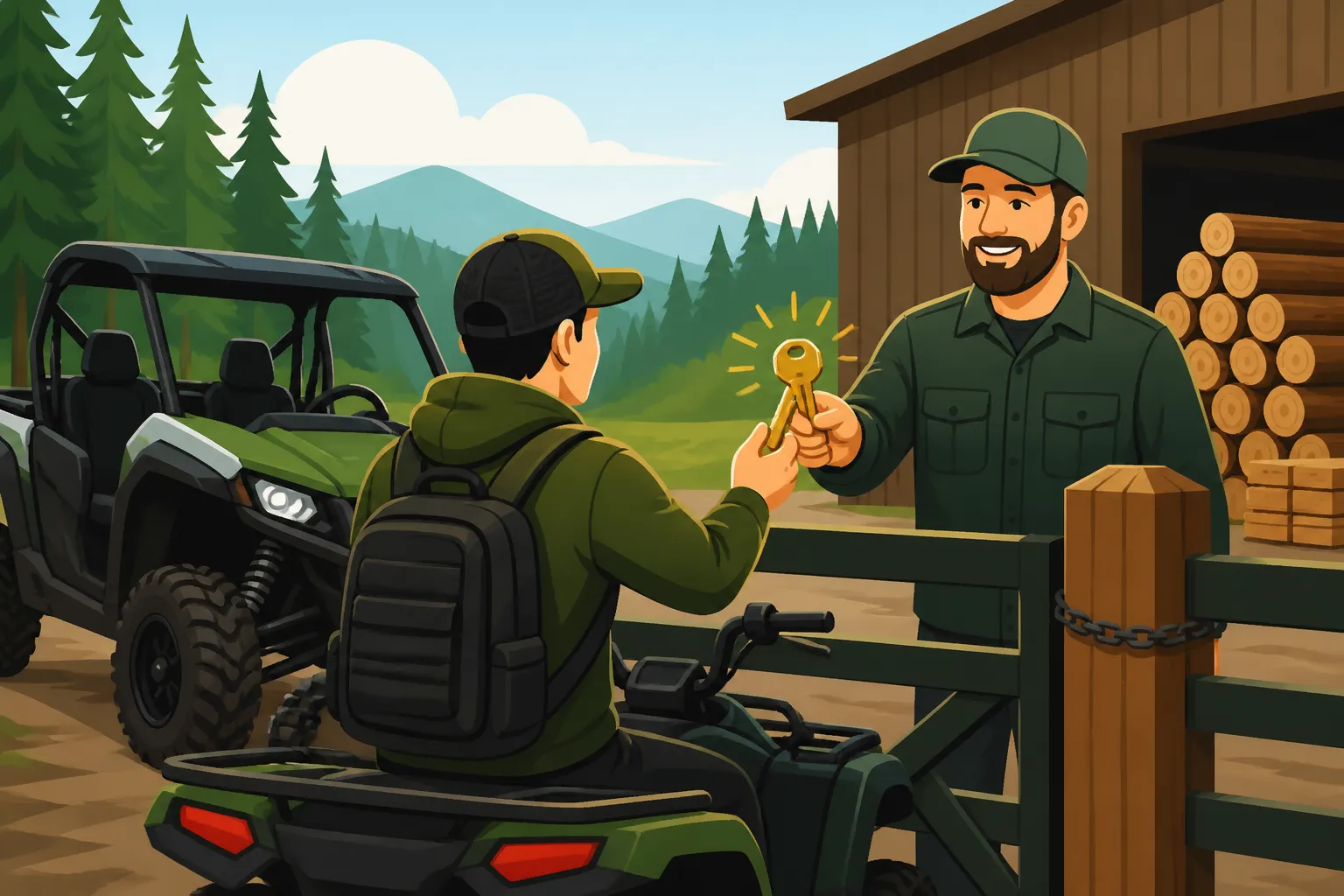
One common arrangement is a temporary permit or a day-use permit. These might be issued for a specific date or a short window, often tied to a particular activity like scouting for hunting, berry picking, or a specific trail maintenance project. You might be given a combination code for a padlock or a key that needs to be returned.
Another possibility is seasonal access. Some companies might open certain roads or areas during specific times of the year when logging operations are minimal and fire danger is low. This could mean access during hunting season or during a particular window in the spring or fall. You might even find opportunities for guided access, where the company offers organized tours or allows access through a licensed outfitter, providing a safer and more controlled environment. This is more common in some regions than others, but it's worth asking about. Don't expect to get a "master key" to all their gates; think in terms of specific, limited, and controlled access. This approach shows respect for their property and their operations, which is often a key factor in their decision-making.
Navigating Common Challenges and Best Practices
Even with the best intentions and a respectful approach, getting a gate key from a timber company isn't always easy, or even possible. It's important to understand the potential roadblocks and to ride responsibly if you do secure access.
When Access Is Denied
It's a tough pill to swallow, but sometimes, despite your best efforts, your request for access might be denied. Don't take it personally. There are many legitimate reasons why a company might say no. They might have active logging operations in the area, critical fire restrictions in place, sensitive environmental projects underway, or simply a corporate policy against recreational use due to liability concerns. Some areas might have historically faced problems with trespass or vandalism, leading to stricter policies. If your request is denied, politely ask for the reasons why. Understanding their concerns might help you reframe a future request or explore alternative options.
Instead of getting discouraged, focus on what is available. Washington has an incredible network of public lands managed by the Department of Natural Resources (DNR), the Forest Service, and State Parks, many of which offer fantastic riding opportunities. Look for designated ORV parks and trail systems like Capitol State Forest or Walker Valley. While you might not get that specific private road, there are plenty of miles of [Washington Rules for Riding a Logging Road] and dedicated trails waiting for your machine. Check out areas known for [Where to Ride an ATV in Washington] to find new adventures. Sometimes, the best strategy is to respect the "no" and seek out the "yes" on public land.
Responsibilities of Permitted Riders
If you're one of the fortunate riders to receive a gate key or permit, congratulations! But with that privilege comes significant responsibility. This isn't just a free pass; it's a trust, and your actions directly impact the chances of future access for yourself and other riders.
First and foremost, adhere strictly to all conditions of your permit. This includes the specific dates, times, and areas of access. Do not deviate from approved routes or push boundaries into closed sections. Respect all posted signs, especially those indicating active operations, hazardous areas, or fire restrictions. Washington often has [Washington Fire Restrictions That Close Trails] during dry periods, and ignoring these can have devastating consequences.
When you're out there, practice Leave No Trace principles. Pack out everything you pack in, and perhaps even a little extra litter you find along the way. Stay on designated roads or trails to prevent erosion and protect vegetation. If you're on an unmarked trail or a rough logging spur, remember that proper tires and adequate ground clearance are essential; consider upgrading to durable SuperATV tires designed for challenging terrain to minimize impact and maximize your safety. Be mindful of noise levels and wildlife.
Finally, secure the gate behind you, both when entering and exiting. This is critical. Leaving a gate open undermines the entire security system the timber company has in place. If you've been entrusted with a key, treat it with the utmost care and responsibility. If you encounter an issue, such as a fallen tree blocking a road or unexpected mud, report it to the company as soon as possible. Your responsible behavior is the best advertisement for continued access. Remember, if you don't secure the gate, you might find yourself answering to questions like [What to Do at a Locked Timber Company Gate].
Building Relationships for Future Access
Beyond simply following the rules, there's an opportunity to build positive relationships with timber companies. This isn't just about one-off access; it's about fostering an environment where future cooperation is possible. Consider joining local ORV clubs or advocacy groups. These organizations often have established relationships with landowners and can act as a collective voice for responsible recreation. They might even organize work parties to help maintain roads or trails, demonstrating a commitment to stewardship.
When you communicate with the timber company, express gratitude for any access granted. Share positive experiences you've had while riding on their land, highlighting how you respected their property and contributed to responsible use. If you notice an issue, report it respectfully rather than complaining. Think of yourself as an ambassador for the entire riding community. By consistently demonstrating respect, responsibility, and an understanding of their needs, you contribute to a positive perception of motorized recreation, potentially opening doors for future opportunities. Sometimes, a thoughtful, proactive approach can lead to much more than just a single key.
| What to DO When Seeking Access | What NOT to DO When Seeking Access |
|---|---|
| Research the landowner & their public access policies. | Show up unannounced or unresearched. |
| Contact the specific land/recreation manager. | Call a general customer service line for specific access. |
| Be polite, professional, & clear about your request. | Be demanding, entitled, or vague. |
| Have specific location details ready (e.g., parcel #). | Ask for "general access" without a specific area. |
| Ask about different access types (day-use, seasonal). | Expect a permanent, unrestricted key immediately. |
| Adhere strictly to all permit conditions & rules. | Deviate from approved routes or ignore closures. |
| Secure the gate immediately after passing through. | Leave gates open or unsecured. |
| Practice Leave No Trace principles (pack it out). | Litter or leave any waste behind. |
| Report issues (e.g., fallen trees) respectfully. | Ignore problems or complain without offering solutions. |
| Be an ambassador for responsible riding. | Assume access is a right, not a privilege. |
Disclaimer
This article is for general informational purposes only and does not constitute professional advice. Laws, prices and regulations vary by location and change over time. Consult a qualified professional for guidance on your specific situation.