Two Machines Sharing One Lane
It's incredibly frustrating when you're out riding with a buddy, enjoying the fresh air and scenery, only to be constantly reminded that you can't ride side-by-side on public roads in Washington. We've all been there, wanting to chat easily with our riding partners, but the law in our beautiful state has specific requirements for how ATVs and UTVs (or as Washington calls them, WATVs) navigate paved and designated multi-use roads. This guide is here to break down exactly what those rules are regarding sharing a lane, why they exist, and how to stay compliant while still making the most of your riding adventures in Washington.
Why You Can't Ride Side-by-Side on Washington Roads
Picture this: you're cruising down a county road, enjoying the view with your friend right next to you, matching speed. It feels natural, conversational, and a great way to experience the ride together. However, Washington state law, designed with traffic safety and flow in mind, sees things differently. The core of it comes down to a clear mandate for how Off-Road Vehicles (ORVs), including our beloved WATVs, must operate on any road segment open to their use.
The "Single File" Rule Explained
When it comes to sharing a lane on any Washington road where WATVs are permitted, the law is pretty straightforward: you must ride in single file. This means one machine directly behind the other, much like a conventional motorcycle or car would follow another. It’s not about how wide your particular machine is; it’s about the number of machines occupying the lane abreast. So, even if your side-by-side takes up most of a lane, that's one machine. Two separate quads or UTVs, however, must line up one after another.
This rule often catches new riders or those transitioning from purely off-road environments by surprise. On many trails, riding two abreast is common, even expected, especially on wider fire roads or open sections where you want to communicate with your fellow riders. But the moment you transition onto a public road, even a gravel county road that's open to WATV use, the rules shift dramatically. This change is crucial for safety and understanding your responsibilities as a road-legal WATV operator in Washington.
The intention behind the "single file" rule is largely about ensuring predictable traffic patterns and minimizing potential hazards for both WATV riders and other vehicles sharing the road. Imagine two machines riding abreast on a narrow country road; it drastically reduces visibility for oncoming traffic and makes passing maneuvers extremely dangerous, if not impossible. It also complicates things if another vehicle needs to pass your group, as they would have to cross into the opposing lane for a much longer distance to clear both machines.
Safety Concerns and Traffic Flow
The state of Washington prioritizes road safety, and this single-file rule for WATVs is a direct reflection of that. Public roads are, by nature, shared spaces, and WATVs often have different performance characteristics, speeds, and profiles than traditional cars and trucks. Riding two abreast could significantly impede the flow of traffic, especially on two-lane roads without wide shoulders. It creates a larger, less predictable obstruction in the roadway, which can lead to impatient drivers attempting unsafe passing maneuvers.
Beyond the impact on other drivers, riding side-by-side on a road can also compromise the safety of WATV riders themselves. If one machine needs to swerve suddenly due to a pothole, debris, or an animal, the proximity to another machine could lead to a collision between the two WATVs. Maintaining a safe distance and riding in single file provides each rider with a larger personal buffer zone and more reaction time, which is absolutely vital when you're traveling at road speeds.
Furthermore, emergency situations become far more complex with machines riding abreast. A single-file formation allows for easier pull-offs to the shoulder in the event of a mechanical issue or an approaching emergency vehicle. It's about creating a predictable, manageable footprint on the road that allows everyone, including you and your riding partners, to navigate safely and efficiently. Ultimately, while it might feel less social, adhering to this rule is about protecting everyone on the road.
What This Means for Your Group Rides
Understanding the single-file rule is one thing, but practically applying it to your group rides can take some adjustment. It fundamentally changes how you might interact with your riding buddies when you hit the pavement, but it doesn't mean the fun has to stop. It just means a different kind of awareness and communication.
On-Road Etiquette for Multiple Machines
When you're riding with a group on Washington's open roads, maintaining proper etiquette is key to a smooth and safe experience. The most important aspect is to always remain in single file. This means establishing a clear leader and ensuring everyone in the group follows diligently, maintaining appropriate following distances. Think of it like a convoy, with each machine having its own space. For more details on what the law says, check out [Washington Rules for Riding Two Abreast].
Communication, even non-verbal, becomes incredibly important. Hand signals for turns, stops, or hazards ahead can be invaluable, especially if you don't have helmet communicators. Before you even set out, a quick briefing with your group about maintaining single file, leaving enough space, and signaling intentions can prevent misunderstandings on the road. Remember, the goal is to be predictable and visible to other drivers, minimizing any potential for confusion or perceived hazard.
Another crucial part of on-road etiquette is being mindful of faster traffic. If you're riding a road where the speed limit allows for faster vehicles, be prepared to pull over safely when possible to let them pass. This isn't just courteous; it helps prevent road rage and keeps everyone safer. While WATVs are allowed on many designated roads, they are still considered slower-moving vehicles in many contexts, and respecting other road users goes a long way.
Where Riding Abreast Is Permitted
Now, while the single-file rule is strict on public roads, it's important to remember that it doesn't apply to all riding environments. Most of us head out on our WATVs for the exhilaration of off-road adventures, and that's where the rules change considerably. On designated ORV trails within state forests like Capitol State Forest or Walker Valley, or on many unimproved forest roads that aren't officially open to WATVs for general road use, riding abreast is often perfectly acceptable.
These off-road environments are designed with a different set of expectations. There's less mixed traffic, lower speeds, and the terrain itself often dictates wider paths where riding side-by-side makes sense for navigating obstacles or enjoying the camaraderie. So, if you're exploring the extensive trail systems of [Washington's DNR Forests Compared] or traversing a logging road in the Olympic National Forest (where permitted), you can typically ride next to your friends, chat, and enjoy the experience as a unit.
The key distinction is the "public road" designation. Once you hit pavement or a specifically signed county or city road that permits WATV use, the single-file rule kicks in. It's vital to know before you go: check local ordinances for counties and cities you plan to ride through, and always be aware of the signs. Many riders will trailer their machines to a trailhead specifically to avoid road sections, or they'll plan their routes carefully to minimize pavement time, reserving the side-by-side riding for the dirt.
Legal Requirements and Consequences of Riding Abreast
It's one thing to understand a rule, but it's another to grasp the legal weight it carries. Washington state law is clear on the matter of riding abreast, and there are tangible consequences for not adhering to it. This isn't just a suggestion; it's a regulation designed to ensure orderly and safe traffic flow.
The Specifics of Washington Law
Washington's Revised Code of Washington (RCW) is quite specific about the operation of ORVs on public roads. While the exact wording might not use "single file" explicitly for every situation, the intent and practical interpretation are clear: you must operate your ORV in a manner that doesn't impede traffic or create a hazard, and riding two abreast in a single lane on a public road is generally considered to violate this principle. The statute regarding [Washington Rules for Riding Two Abreast] makes this explicit. It’s about preventing a situation where multiple vehicles claim space intended for one, potentially leading to congestion or dangerous situations.
When a county or city "opens" its roads to WATVs, they do so under specific guidelines outlined by the state. These guidelines include various safety requirements, such as speed limits, helmet laws ([Washington Helmet Law for WATV Riders]), and the types of equipment your machine needs to be street legal ([Washington WATV Road Requirements]). Implicit in these guidelines is the expectation that ORV operators will follow standard rules of the road, which include not riding two abreast in a single lane. Violating this can be seen as an unsafe operation of a vehicle.
The intent of the law is not to dampen your fun, but to integrate WATVs safely into the existing road infrastructure. Many of the roads open to WATVs are rural, winding, and often lack wide shoulders. Introducing two machines side-by-side into such an environment can severely reduce sightlines for other drivers, making passing treacherous and increasing the risk of head-on collisions. The law aims to mitigate these risks by requiring a more streamlined, single-file presence on the roadway.
What Happens if You Break the Rule
Ignoring the single-file rule can lead to more than just a stern look from an irritated motorist; it can result in a citation. Law enforcement officers, whether it's a county sheriff, state patrol, or local police, are tasked with enforcing traffic laws, and that includes those pertaining to WATVs on public roads. If a trooper pulls you over for riding abreast, they are likely to issue a traffic infraction.
The exact penalty can vary, but typically, an infraction for unsafe operation or failure to obey traffic laws can come with a fine. It might not be as severe as a major moving violation, but it's still an expense and a mark on your driving record. Depending on the officer's discretion and the perceived danger of the situation, they might also give a warning, but that's certainly not something to count on. A quick stop by an officer can definitely put a damper on your ride, so it's best to avoid the situation entirely. For an idea of what roadside stops entail, see [What a Washington Trooper Checks Roadside].
Consider also the broader implications. Frequent violations of these rules by WATV riders could lead to communities reconsidering their decision to open roads to ORVs. Many towns and counties have put in significant effort to create opportunities for WATV access, and demonstrating responsible riding behavior is crucial to maintaining those privileges. Nobody wants to be the reason an entire segment of road or a whole county closes off access again because of perceived safety issues from non-compliance. Let's all do our part to keep these roads open for future rides.
Equipping Your WATV for Compliant Road Use
While the focus here is on how you ride on the road (single file!), it's just as vital to ensure your machine is legally equipped for road travel in Washington. Having the right gear not only keeps you compliant with the law but also significantly enhances your safety and visibility when sharing the road with other vehicles.
Essential Gear for Road-Legal Machines
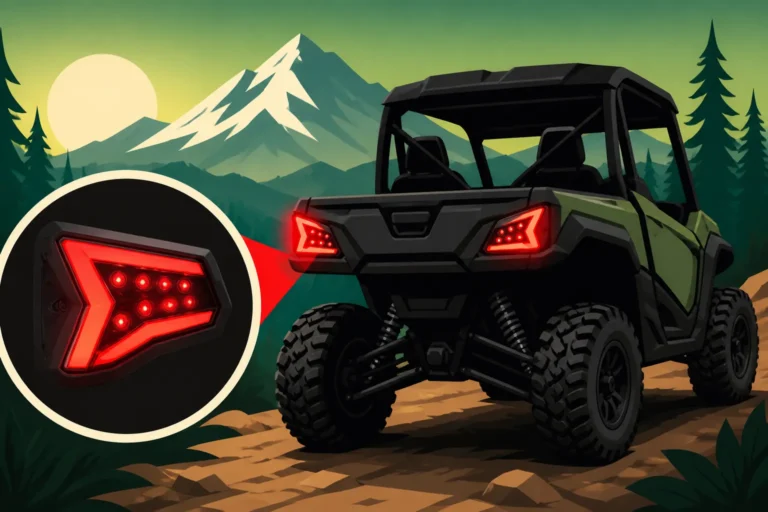
Making your WATV road-legal in Washington involves more than just getting the right tabs. Your machine needs specific equipment to meet state standards, which are designed to make it as visible and predictable as a regular vehicle. First and foremost, you'll need functional turn signals, both front and rear. These are non-negotiable for indicating your intentions to other drivers. Many aftermarket companies, like SuperATV, offer comprehensive turn signal kits specifically designed for a wide range of UTVs and ATVs, making the upgrade process straightforward.
Next up are mirrors. You need at least one rear-view mirror, either mounted on the handlebar for ATVs or typically a side-view mirror on the driver's side for UTVs. Having a clear view of traffic behind you is critical for safe lane positioning and making turns. A working horn is also essential; it's your primary way of alerting other road users to your presence or signaling an immediate hazard. Don't underestimate the importance of a loud, clear horn that can be heard over engine noise and other traffic. For more on these, check out [Turn Signals on a Washington Road Machine] and [Mirrors and a Horn for Washington Road Use].
Finally, proper lighting is paramount, especially if you plan to ride during dawn, dusk, or nighttime hours. This includes headlights (both high and low beams), taillights, and brake lights that are clearly visible. Even during daylight, running with your headlights on increases your visibility significantly. If your factory lighting isn't up to par, or if you want extra illumination for safety, there are many aftermarket options available. To understand all the lighting requirements, refer to [Washington Lighting Requirements for WATVs]. Equipping your machine correctly isn't just about avoiding a ticket; it's about making yourself known and safe on the road.
Ensuring Rider Preparedness and Etiquette
Beyond the machine itself, your own preparedness as a rider is equally important for compliant and safe road use. This starts with having a valid driver's license. Washington law requires that anyone operating a WATV on a public road must possess a valid driver's license. This isn't just for cars; it applies to all vehicles on the road, including your WATV. So, make sure your license is current and in your wallet before you even think about hitting the pavement.
Another critical component is proof of insurance. While it's not always required for off-road-only WATVs, if you've registered your machine for road use and have that special $12 on-road tab, you're generally expected to carry liability insurance, just like any other motor vehicle. This protects you and others in case of an accident. Always have your insurance card readily accessible with your other paperwork. For a deeper dive, check [Washington WATV Insurance Requirement].
And speaking of paperwork, always carry your WATV's registration. Whether it's the official paper copy or an electronic version (check current rules on what's acceptable), you need to be able to present it if requested by law enforcement. Keeping it dry and safe, perhaps in a waterproof pouch in your glove box or a secure cargo box, is a smart move, especially in Washington's often damp climate. [Carrying the Registration in the Machine] is a good article to review. By ensuring both your machine and you are fully prepared and compliant, you contribute to a safer, more enjoyable experience for everyone on Washington's roads.
| Aspect | On-Road (Street Legal WATV) | Off-Road (Designated Trails/Areas) |
|---|---|---|
| Riding Abreast | NOT Permitted (Must ride in single file) | Generally Permitted (Common on wider trails, fire roads) |
| Speed Limits | Posted road speed limits (often 35 mph, crossing up to 60) | Varies, often lower, dictated by terrain/conditions/posted limits |
| Required Equipment | Headlights, Taillights, Brake Lights, Turn Signals, Mirrors, Horn, DOT Helmet | Spark Arrestor, Muffler; Helmet often required; Lights for night |
| Driver's License | Required | Not required (but recommended for experience) |
| Insurance | Required for road-registered machines | Not legally required by the state for off-road only |
| Registration Tabs | Both Off-Road and On-Road Tabs required | Off-Road Tab (and Discover Pass for state lands) |
| Traffic Flow | Must not impede traffic; yield to faster vehicles | Less concern for mixed traffic; focus on trail etiquette |
Disclaimer
This article is for general informational purposes only and does not constitute professional advice. Laws, prices and regulations vary by location and change over time. Consult a qualified professional for guidance on your specific situation.