Why a County Must Publish Its Approved Road List
There's a specific kind of frustration that washes over you when you're geared up, ready to ride your WATV, and you just don't know for sure if the county road ahead is legal territory. Washington State has made incredible strides in opening up more routes for our machines, but with that progress comes a vital question: how do you know which roads are actually open? This guide is here to shed light on exactly why your local county isn't just suggesting where you can ride, but is actually legally obligated to publish an approved list of roads for our off-road vehicles. Understanding this isn't just about avoiding a ticket; it's about being a responsible, informed rider and advocating for access.
The Mandate for Clarity: Why Washington Counties Must Publish Road Lists
When Washington State enacted its laws regarding street-legal WATVs, it wasn't a free-for-all on every paved surface. The legislature, in its wisdom, understood that local conditions vary wildly—from bustling urban fringes to quiet rural routes. To strike a balance between rider access and public safety, they put the onus on individual counties and cities to determine and clearly communicate which roads are suitable for WATV use. This isn't just a polite request; it's a fundamental part of the legal framework that allows you to ride your machine on pavement.
The Legal Foundation for Road Access
At its heart, the requirement to publish road lists stems directly from state law. This law differentiates between counties based on population, creating two distinct frameworks for road access. For counties with a population under 15,000, the default setting is that all county roads are generally open to WATVs, unless the county specifically identifies and posts roads that are closed. This means even small counties have a publishing duty – to clearly state what's off-limits. Conversely, for counties with a population over 15,000, the default is that county roads are closed to WATVs, unless the county affirmatively passes an ordinance and publishes a list of roads that are specifically opened. In both scenarios, the critical element is the published list. Without it, there's no legal basis for riders to know their rights or for law enforcement to fairly enforce the rules. This ensures that when you're looking for [Washington Counties That Allow WATVs on Roads], you're looking for an official, public declaration.
Navigating the Population Divide: Open by Default vs. Opt-In
This population distinction is often where the most confusion lies for riders. Imagine you live in a smaller, rural county. You might assume you can ride almost anywhere. And, in many cases, you'd be right, thanks to the "open by default" rule for [Washington Counties Under 15,000 Open by Default]. However, even these counties can, and often do, identify certain roads as unsuitable for WATV use due to safety concerns, traffic volume, or other factors. For your safety and to avoid a citation, it's crucial that these specific "no-go" roads are clearly listed.
On the flip side, if you're in a more populous county, say near a major metropolitan area, the situation is reversed. These counties must go through a formal process to "opt-in" and open up specific roads. This often involves detailed traffic studies, public hearings, and careful consideration of local impacts. The decision to open a road is not taken lightly, and once made, it must be officially codified and published. This is why you often see counties like Snohomish or Pierce having very specific, detailed lists of approved roads, often broken down into segments and accompanied by specific rules like time of day restrictions. This distinction isn't just legal jargon; it directly impacts where you can and cannot explore.
The Practical Reasons: Why Transparency Protects Everyone
Beyond the legal mandates, there are deeply practical and equally important reasons why a county must publish its approved road list. This isn't about making things complicated for riders; it's about ensuring safety, preventing costly mistakes, and fostering a clear understanding between riders, residents, and law enforcement.
Ensuring Public Safety and Order
Think about it: an off-road vehicle sharing pavement with cars, trucks, and even bicycles requires clear guidelines to ensure everyone's safety. When a county designates a road as open for WATV use, it's often because they've assessed factors like traffic volume, speed limits, sightlines, and existing infrastructure. They might even consider specific times of day or specific segments of a road. Publishing this list provides essential information not just to riders, but also to other motorists and pedestrians, informing them about potential mixed traffic. This transparency helps prevent unexpected encounters and creates a more predictable, safer environment for all road users. Without a definitive list, chaos would ensue, and the likelihood of accidents would skyrocket. This also impacts the kind of safety equipment you'd want to consider; for example, a high-quality mirror kit from a specialist like SuperATV can significantly enhance your situational awareness on shared roads.
Avoiding Confusion and Costly Penalties for Riders
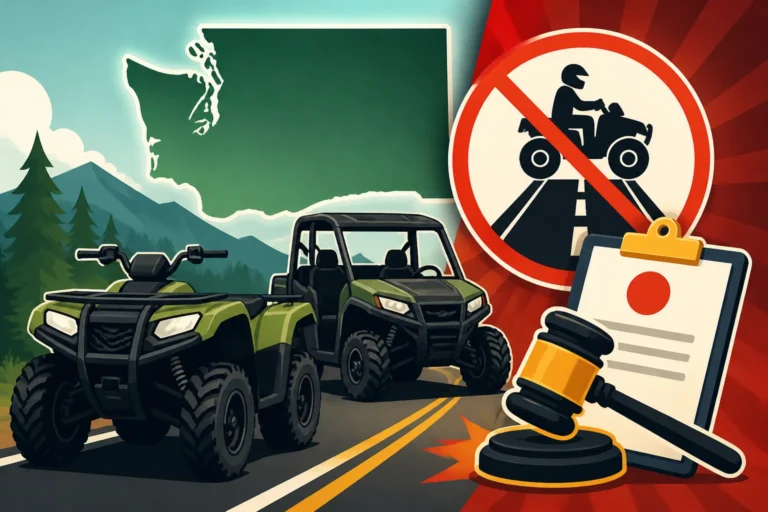
One of the biggest pain points for riders is the fear of inadvertently breaking the law. Imagine pulling onto a county road, thinking it's fine, only to be pulled over by a deputy. A citation for illegal road use can be costly, involving fines and potential impoundment. [What a Washington Citation for No Tabs Costs] or riding on an unapproved road can quickly sour a fun day. A clearly published list removes this ambiguity. It empowers you, the rider, to confidently plan your route, knowing you're adhering to local ordinances. It's your responsibility to know [Washington Rules for Riding a County Road], but it's the county's responsibility to make those rules accessible.
This clarity also extends to law enforcement. When a [Washington Trooper Checks Roadside] and sees a WATV on a county road, their first step is often to verify if that road is approved. A clear, public list provides them with the definitive information needed to determine compliance fairly and consistently. It minimizes subjective interpretation and ensures that enforcement is applied evenly across the county.
Facilitating Informed Ride Planning and Access Advocacy
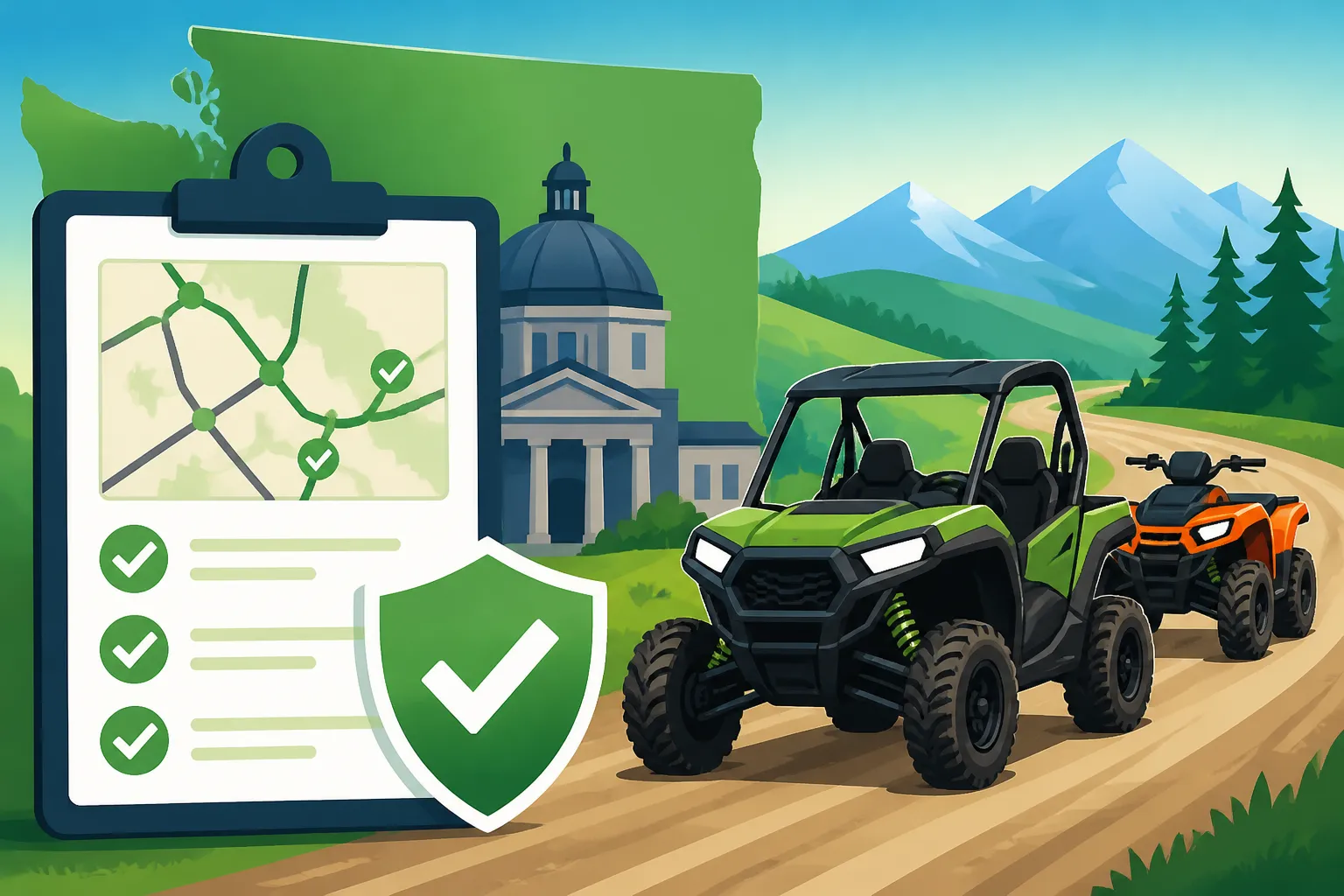
As a rider, having an official, up-to-date list is invaluable for planning your adventures. You can map out routes that connect trails, provide access to amenities like fuel or food, or simply offer a scenic tour on approved pathways. This planning is crucial, whether you're just heading from your camp to a nearby trailhead or embarking on a longer journey that involves multiple road segments. Being able to easily [Finding a County's Approved Road List] means less guesswork and more actual riding time.
Furthermore, these lists serve as a baseline for future advocacy. If you believe a particular road or segment should be open, having the existing list allows you to understand the current situation and make a targeted request. This is particularly relevant if you're considering [Asking a County to Open a Road] or [Speaking at a Council Hearing on a WATV Ordinance]. Informed advocacy leads to better outcomes for the riding community. Companies like SuperATV, which offer a wide range of accessories for customizing machines for both trail and road use, often hear from riders seeking expanded access, underscoring the community's desire for more street-legal options.
How Counties Create and Disseminate These Essential Lists
So, you understand why these lists exist, but how do they actually come into being, and more importantly, where can you find them? The process isn't always quick or simple, but it's designed to ensure thorough consideration and public input.
The Deliberate Process of Road Designation
For counties over 15,000 in population that are opening roads, the process typically involves several stages:
- Staff Review and Assessment: County road departments or planning commissions will often conduct initial assessments of potential roads. They look at traffic volumes, accident history, pavement conditions, speed limits, and the presence of schools or residential areas. Their goal is to identify roads that can safely accommodate WATVs without undue disruption or risk.
- Public Input and Hearings: This is a crucial step. Before any road is officially opened, counties are generally required to hold public hearings. This gives residents, riders, and other stakeholders a chance to voice their opinions, concerns, and suggestions. It's an opportunity for the riding community to show support for expanded access and to address any misconceptions.
- Ordinance or Resolution: Based on the assessments and public input, the county commissioners or council will then vote on an ordinance or resolution to formally designate specific roads or segments for WATV use. This is the legal document that officially changes the status of those roads.
- Publication: Once the ordinance is passed, the county must then publish the approved list. This isn't just a courtesy; it's a legal requirement to ensure the public is fully informed.
For smaller counties (under 15,000 population) that are closing specific roads, a similar process of assessment and public input usually occurs before an ordinance is passed to restrict WATV access on those particular routes. The requirement for [How a Small County Lists Its Unsuitable Roads] is just as important for clarity.
Where to Find Your County's Approved Road List
Finding the actual list can sometimes feel like a treasure hunt, but with a bit of persistence, you should be able to track it down. Here are the common places to look:
- County Website: This is usually your best first stop. Look under departments like "Public Works," "Sheriff's Office," "County Clerk," or "Ordinances/Resolutions." Many counties will have a dedicated section for WATV or ORV information.
- County Clerk's Office: If you can't find it online, the county clerk's office is the official repository for all county ordinances and resolutions. They can provide you with copies of the relevant documents.
- Local Law Enforcement: Sometimes, the local sheriff's department or police department will have easy-to-access information, as they are the ones enforcing the rules. However, always verify their information against the official county ordinance.
- Signage: While not a comprehensive list, some counties or cities may post signs on roads indicating whether WATV use is permitted or restricted. Treat these as helpful guides, but always refer to the official list for the full picture.
When you do find the list, pay close attention to the details. It's not always just a simple list of road names. Often, it will specify:
- Specific Road Segments: For instance, "Main Street from Elm Avenue to Oak Street," not just "Main Street."
- Speed Limits: Roads might be open only if the posted speed limit is 35 mph or less.
- Hours of Operation: Some roads might only allow WATV use during daylight hours.
- Specific Equipment Requirements: Beyond the general state requirements, a county might specify additional equipment for its open roads. You might, for instance, need to ensure your turn signals and mirrors are clearly visible, perhaps with robust aftermarket components.
Table: County Type vs. Road List Publication
To help clarify the requirements, here's a quick overview of how the population difference impacts a county's road list publication duties in Washington:
| County Population | Default Status of County Roads for WATVs | Requirement to Publish List | What the List Contains |
|---|---|---|---|
| Under 15,000 Residents | OPEN | YES, must publish a list of CLOSED roads. | Specific roads/segments that are prohibited for WATV use. |
| Over 15,000 Residents | CLOSED | YES, must publish a list of OPEN roads via ordinance. | Specific roads/segments that are permitted for WATV use (and often conditions like speed limits or hours). |
This table clearly illustrates that every county has a publishing responsibility, just for different purposes, stemming from the state law.
The Consequences of Unclear or Missing Lists for Riders and Counties
While the legal and practical reasons for publishing road lists are clear, sometimes counties fall behind, or the information isn't as accessible as it should be. This can lead to a whole host of problems for everyone involved.
Rider Confusion and Potential Enforcement Issues
Imagine trying to ride in a county where the information about WATV road access is vague, outdated, or simply non-existent. You're left guessing, which puts you at a higher risk of being cited for illegal operation. This is incredibly frustrating for responsible riders who genuinely want to follow the rules. It also creates a difficult situation for law enforcement, who might face challenges in consistently applying regulations if the county's official stance isn't clearly documented and communicated. If an officer can't easily reference an approved list, it can lead to confusion and even disputes on the roadside. It underscores the importance of being able to locate that list before you head out, and carrying [Which Paperwork You Must Carry While Riding] is always a good idea.
Stifled Access and Economic Opportunity
When road access is unclear, riders are naturally hesitant to use those routes. This isn't just about individual inconvenience; it can impact local economies. WATV riders often spend money on fuel, food, and lodging in the communities they visit. When counties don't clearly open roads, they inadvertently limit the opportunities for riders to connect to trailheads or patronize local businesses. For areas trying to boost outdoor recreation tourism, a clear, published list of open roads is a benefit, not a burden. It invites riders to explore responsibly and spend their dollars locally.
Legal Vulnerabilities for the County
From a county's perspective, a failure to publish an approved road list (or a list of prohibited roads for smaller counties) can create legal vulnerabilities. If a rider is cited for illegal road use on a road that was never formally declared closed, or if a rider gets into an accident on a road they believed was open but wasn't officially designated as such, the county could face legal challenges. The state law places the responsibility for clear communication squarely on the county. By diligently maintaining and publishing these lists, counties protect themselves, their residents, and the riding public. This legal grounding is why specific components, like those offered by SuperATV, which are designed to meet road-legal requirements, are so important – they help ensure a machine is compliant wherever it's legally permitted to operate.
Empowering Riders: What You Can Do
Understanding why counties must publish these lists is the first step. The next is to actively engage with the process.
Firstly, always do your homework before you ride on any county road. Search your county's website, or make a call to the county clerk or public works department to request the most current information. If you're planning a trip to a new area, make this part of your pre-ride checklist, just like checking your tire pressure or packing your first-aid kit.
Secondly, if you find that your county's information is unclear, outdated, or non-existent, don't be afraid to politely inquire. Reach out to your county commissioners or council members. Attend local meetings. You can frame your concerns around public safety, economic benefits, and clarity for law enforcement. Responsible riders are valuable community members, and your voice matters. Organizations dedicated to off-road access can also be powerful allies in this effort.
Ultimately, the requirement for counties to publish these lists is a cornerstone of responsible WATV integration into our shared road network in Washington. It protects everyone, from the rider exploring new routes to the family living along a quiet county lane. By understanding the "why," we can all advocate for clearer access and safer riding for years to come.
Disclaimer
This article is for general informational purposes only and does not constitute professional advice. Laws, prices and regulations vary by location and change over time. Consult a qualified professional for guidance on your specific situation.