Washington Rules for a Timberland Road
Picture this: you've loaded up your quad or side-by-side, map in hand, ready to explore what looks like an endless network of tempting gravel roads winding through the Washington forests. But then you see a 'Private Property' or 'No Trespassing' sign, and your heart sinks. Navigating the rules for riding your ATV or UTV on timberland roads in Washington State can feel like trying to solve a puzzle with half the pieces missing, leading to frustration and fear of breaking the law. This guide is here to clear up that confusion, offering clear, actionable advice so you can responsibly and legally enjoy Washington's vast timbered landscapes.
Understanding Washington's Timberland Roads
The term "timberland road" itself can conjure up images of wide-open, dusty trails just begging for an off-road adventure. In Washington State, these roads are indeed a crucial part of our working forests, designed primarily for industrial logging, reforestation, and forest management. However, their accessibility for recreational ATV and UTV riders isn't always straightforward. It's a complex landscape of ownership, purpose, and ever-changing rules that can catch even experienced riders off guard.
When you're out exploring Washington's incredible natural beauty, it's easy to assume that all dirt roads are fair game, especially if they look well-maintained and inviting. But the reality is that many of these roads are on private land, owned by large timber corporations, smaller private landowners, or even managed by the state as trust lands. Each type of ownership comes with its own set of guidelines, access policies, and potential restrictions, making a blanket assumption about access a recipe for trouble.
Public vs. Private Timberland
The first crucial distinction you need to make when looking at a timberland road in Washington is its ownership. Is it truly public land, or is it privately owned? This isn't always obvious from the road itself. Many private timber companies allow some form of public access, often during specific seasons or with certain permits, but it's rarely a free-for-all. State-managed lands, primarily under the Department of Natural Resources (DNR), often have more consistent recreational access, usually requiring a [Discover Pass Cost] and adherence to specific DNR rules.
Private timberlands, especially those owned by large corporations, are actively managed for logging and timber production. These are not recreational parks, and their primary function dictates how and when they can be used by the public. Smaller private landowners might have even stricter rules, often preferring no public access at all, due to concerns about liability, property damage, or privacy. It’s always best to assume a road is private until you can confirm otherwise, rather than risking a trespassing charge.
The Purpose of Timberland Roads
Remember, these roads exist for timber operations first and foremost. This means they're constantly in use by heavy machinery like logging trucks, graders, and reforestation equipment. These aren't your typical recreational trails; they're industrial arteries. Encountering a loaded logging truck around a blind corner on a narrow, dusty road is not only terrifying but extremely dangerous for both parties. The sheer weight and momentum of these trucks mean they cannot stop quickly or swerve to avoid you.
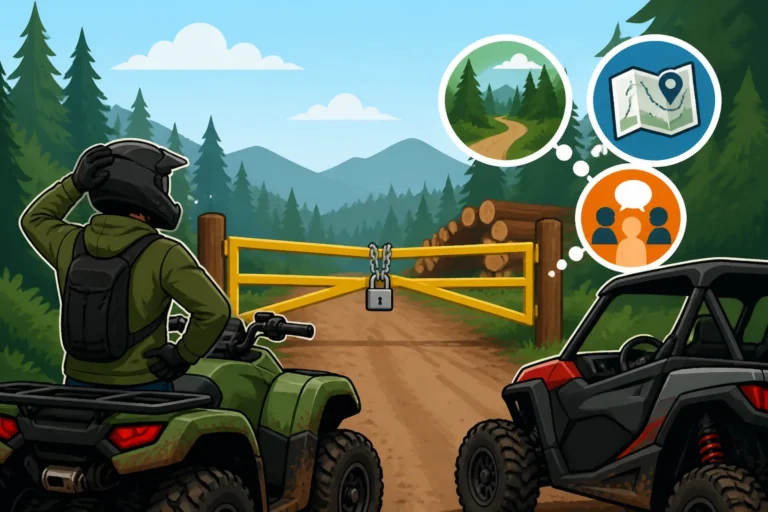
The industrial nature of these roads also means they can be subject to closures without much warning. Active logging operations, road maintenance, fire danger, or even severe weather can lead to gates being locked or areas becoming temporarily off-limits. These closures are for your safety, as well as the safety of the workers and the protection of the resource. Always check for current conditions and closures before heading out, especially on lands known for timber activity. [Washington Fire Season and Trail Access] is a prime example of why closures can pop up suddenly.
Gaining Access to Washington Timber Roads
So, you've identified a timberland road that looks promising. Your next step, and arguably the most important, is to confirm whether you have legal access. This isn't just about avoiding a ticket; it's about respecting private property rights and ensuring the long-term availability of riding areas. Simply driving past a "No Trespassing" sign, even if it looks old or faded, is never an option.
The process of gaining access can range from a quick check online to a formal permit application, depending on the landowner. It requires a bit of detective work and patience, but the reward of knowing you're riding legally and responsibly is well worth the effort. Rushing into an area without confirmation is not only illegal but can also damage the reputation of the entire off-road riding community.
The Golden Rule: Permission is Key
Let's be absolutely clear: if a timberland road is on private property, you must have explicit permission from the landowner to ride your ATV or UTV there. This isn't a suggestion; it's a legal requirement. Without permission, you are trespassing, and the consequences can range from being asked to leave to fines, impoundment of your machine, or even criminal charges. [Washington Trespass Rules for Riders] are serious, and private landowners are often quick to enforce them.
Permission might come in various forms. For state-managed DNR lands, a [Do You Need a Discover Pass to Ride in Washington?] typically grants recreational access, but always check for specific area rules. For corporate timber companies, it might involve purchasing a permit, signing a waiver, or even joining a specific recreational program they offer. For smaller private parcels, it might be as simple as a direct conversation and verbal agreement with the owner, but getting it in writing is always a better idea.
How to Identify Landowners
Finding out who owns the land a specific timber road crosses can feel like a daunting task, but there are resources available. County assessor's offices often have online mapping tools where you can look up parcel ownership by geographic location. Websites like onX Offroad or similar mapping applications can also be invaluable, showing property boundaries and landowner names, though always cross-reference with official county data if possible.
Once you identify the landowner, whether it's a large company like Weyerhaeuser or Hancock Forest Management, or a smaller private individual, your next step is to find their contact information. A quick internet search for the company's public lands or recreation access policies is a good starting point. For private individuals, county records might provide contact details, but always approach with respect and a clear explanation of your intentions.
Obtaining Permits and Keys
If you're dealing with a large timber company, their website is usually the first place to look for information on recreational permits. Some companies offer annual permits for a fee, which grant access to a network of their roads for activities like hunting, hiking, or off-road riding. These permits often come with a list of rules, designated open areas, and dates when roads may be closed for operations.
In some cases, you might even need to obtain a physical gate key. This is more common for specific leases or long-term access agreements. If you are granted a key, treat it with the utmost responsibility; losing it or allowing unauthorized use could jeopardize access for everyone. Always understand the terms and conditions of any permit or key you receive. Remember that these companies are in the business of timber, and recreation is often a secondary, managed use of their property.
Rules for Riding on Washington Timberland Roads
Even once you have permission to ride on a specific timberland road, your responsibilities don't end there. These aren't designated ORV parks, and the rules of the road are often different from what you might encounter on typical trail systems. It’s vital to understand and follow these guidelines, not only for your safety but also to maintain good relationships with landowners and ensure future access for the riding community.
You'll quickly find that the environment on a timber road is much more dynamic than a typical trail. There's active industry, environmental considerations, and often shared use with other types of vehicles. Being prepared for these unique conditions, both with your machine and your mindset, is key to a safe and enjoyable experience. Equipping your rig with robust protection like skid plates and A-arm guards from companies like SuperATV can be a smart move, protecting against debris or hidden obstacles common on these roads.
Company-Specific Regulations
The first and most important set of rules will come directly from the timberland owner. These company-specific regulations often cover a wide range of topics, including allowed operating hours, speed limits, specific areas that are off-limits, and requirements for safety gear. For example, some companies might ban riding during weekdays due to active logging, or restrict access during fire season. They might also have specific requirements for fire extinguishers or spark arresters on your machine. [Washington Spark Arrester Requirement] is a state law, but private companies may have additional scrutiny.
These rules are not arbitrary; they're put in place to protect the environment, ensure worker safety, and minimize liability. Failing to adhere to them can lead to your permit being revoked, or worse, you being permanently banned from their property. Always carry a copy of your permit and the associated rules with you while riding, so you can reference them if needed, or present them if you encounter a company employee or law enforcement.
General Safety and Environmental Considerations
Beyond company-specific rules, general safety and environmental stewardship remain paramount. This means riding at a safe speed, especially on blind corners or stretches with limited visibility. You should always be prepared to encounter other vehicles, wildlife, or even downed trees. A reliable winch, perhaps from a reputable brand like SuperATV, is an excellent piece of recovery gear that can get you out of a sticky situation far from any help.
Environmental considerations are equally important. Stay on designated roads and trails; do not create new ones or venture off-road into sensitive habitats. Practice [Leave No Trace] principles: pack out everything you pack in, and dispose of waste properly. Avoid riding in extremely wet conditions if it means causing excessive rutting or erosion. These lands are managed resources, and leaving them better than you found them ensures their health and access for future generations.
State ORV Rules Still Apply
Even when you're on private timberland with permission, state-level ORV laws in Washington still apply. This includes requirements for ORV tabs, proper lighting, a spark arrester, and helmet laws. For instance, if your machine is over 50 inches wide, you'll still need to ensure it adheres to any [Washington Rules for a Machine Over 50 Inches] if those apply to the specific timber road. [Washington Helmet Law for WATV Riders] is not suspended just because you're on private land; it's a critical safety measure for all riders.
If you plan to cross or briefly ride on any public roads to connect different sections of timberland, you'll also need to ensure your machine is equipped and registered for road use, including the [Adding the $12 On-Road Tab on Top] and required safety equipment like mirrors, turn signals, and a horn. Remember that Washington's on-road rules for WATVs are quite specific, often limiting speed and road types, so always know the rules for the particular [Washington Rules for Riding a County Road] or [Washington Rules for Riding a City Street] you might encounter.
Common Pitfalls and Best Practices on Timberland
Riding on Washington's timberland roads can be an incredibly rewarding experience, offering unique access to vast, beautiful landscapes. However, it's also an environment where mistakes can have significant consequences. Being aware of the common pitfalls and adopting best practices will not only keep you safe and legal but also help preserve access for the entire ORV community.
The success of your ride, and your ability to come back another day, often hinges on the respect you show for the land, the landowners, and other users. It's about being a good ambassador for off-road recreation, understanding that every action reflects on all of us who enjoy these activities.
Trespassing: The Consequences
The most significant pitfall, as we've discussed, is trespassing. Riding on private timberland without explicit permission is illegal and can lead to serious repercussions. Imagine the frustration of a landowner who finds their property damaged or their operations disrupted by unauthorized riders. This can result in gates being permanently locked, access being revoked for everyone, or even legal action against the individual trespasser.
Beyond the legal penalties, trespassing can severely damage the relationship between recreational users and timber companies. These companies are often balancing complex land management objectives, and unauthorized use adds an unnecessary burden. It's far better to invest the time to seek permission, even if it's denied, than to risk the negative fallout of a trespassing incident. Always check current maps and posted signs, and if in doubt, turn around. [Washington Fines for an Unregistered WATV] are significant; trespassing fines can be even higher.
Respecting Operations
When you are granted access to timberland roads, you are entering an active industrial zone. This means you must prioritize safety and respect for ongoing operations. Always assume there could be a logging truck around the next bend, even if it's a weekend. Logging trucks, excavators, and other heavy equipment have the right of way. Pull over, give them plenty of space, and make eye contact with operators if possible. [Meeting a Log Truck on a Gravel Road] is a reality you must be prepared for.
Be mindful of posted signs indicating active logging areas, blasting zones, or road construction. These areas are strictly off-limits for a reason. Ignoring these signs puts you in grave danger and can halt crucial operations. Remember that timber companies are often working under tight schedules and regulations, and recreational disruption is costly.
Leave No Trace for Future Access
Adopting strict [Leave No Trace] principles is not just good etiquette; it's critical for maintaining access to timberland roads. This means packing out all your trash, including any small items like bottle caps or snack wrappers. It also means staying on established roads and trails, avoiding sensitive areas like wetlands or newly reforested sections. Don't disturb wildlife or natural features, and avoid creating excessive noise, especially near residential areas or during quiet hours.
Responsible riding also includes actions like washing your machine before entering and after leaving an area to prevent the spread of invasive species. [Invasive Weeds and a Dirty Machine] can wreak havoc on forest ecosystems, and riders have a role to play in preventing their spread. By demonstrating responsible behavior, off-road enthusiasts build trust with landowners and managers, increasing the likelihood that these precious timberland roads will remain accessible for years to come.
| Timberland Owner Type | Typical Access Policy | Key Considerations for Riders |
|---|---|---|
| Small Private Landowner | Highly variable; direct contact & explicit permission almost always required. | Personal relationships are key; respect privacy, specific rules, and limited riding areas. |
| Large Corporate Timber Co. | May offer annual permits, day passes, or designated recreational areas. | Check company website for current policies, seasonal closures, active logging schedules. |
| State Trust Lands (DNR) | Generally open for recreation with a valid [Washington Discover Pass Cost]; rules vary by parcel. | Consult DNR maps (often "Green Dot Roads"), specific site regulations, and active timber sales. |
| US Forest Service | Often open unless specifically closed; some areas require a [The Northwest Forest Pass in Washington]. | Check forest district maps, road conditions, fire restrictions, and wilderness area boundaries. |
Disclaimer
This article is for general informational purposes only and does not constitute professional advice. Laws, prices and regulations vary by location and change over time. Consult a qualified professional for guidance on your specific situation.