Washington Rules for Riding Two Abreast
It can be incredibly tempting to ride alongside your buddy on a beautiful sunny day, chatting and enjoying the scenery, especially when you're out on a wide-open gravel road. But in Washington State, riding two abreast on your all-terrain vehicle (WATV) or utility terrain vehicle (UTV) isn't just frowned upon; it's generally against the rules and can lead to some serious headaches, not to mention safety risks. This guide will walk you through Washington's specific regulations regarding riding side-by-side, why these rules are in place, and how to stay safe and legal on your adventures.
The Clear Line in Washington Law: Why You Can't Ride Two Abreast
Let's cut right to the chase: Washington State law is pretty explicit about off-road vehicles and their operation on public roadways, even those designated as open for WATV use. The primary concern is safety and the free flow of traffic. When you're driving a four-wheeled vehicle on a road, you expect to share the lane with other four-wheeled vehicles, but not necessarily with two side-by-sides taking up the entire width.
The Revised Code of Washington (RCW) addresses how WATVs can operate on approved public roads. A key part of this legislation specifies that a WATV must be operated in a manner that does not impede traffic or create a hazard. Riding two abreast directly contradicts this principle. Imagine a situation on a narrow county road: two machines riding side-by-side would effectively block the entire lane, making it impossible for another vehicle to pass safely, or even for an oncoming vehicle to navigate the road without a dangerous maneuver. It's simply not how these shared spaces are designed to be used by ORVs.
This isn't just about common sense; it's codified. The law views a single WATV as occupying a certain amount of space, similar to a motorcycle or bicycle in terms of its lateral footprint in a lane. Two WATVs side-by-side, especially wider utility vehicles, dramatically exceed this expectation. You might be on a wide gravel forest road and think there's plenty of room, but the rule applies universally to any road segment open to WATVs, regardless of its specific width or traffic volume at that moment. The intent is to maintain order and predictability for all road users, from the farmer in their pickup truck to the family in their sedan. It's about ensuring everyone has their share of the road and can operate safely without unexpected obstructions. [Washington Rules for Riding a County Road] provides more context on operating on specific types of roads.
Understanding the Spirit of the Rule
When lawmakers craft regulations for off-road vehicle use on public roads, they're often trying to strike a delicate balance: allowing enthusiasts access while protecting the general public and maintaining road safety. The "no two abreast" rule is a perfect example of this. It's not designed to be an inconvenience, but rather a fundamental safety measure.
Think about the dynamics of traffic. Drivers are accustomed to predicting the path and footprint of other vehicles. A single ORV, even a wider side-by-side, generally fits within the width of a standard lane, allowing other vehicles to pass with appropriate clearance. When two machines are abreast, it becomes unpredictable. How wide are they truly? Can a vehicle pass them safely? What happens if one machine suddenly veers? These uncertainties significantly increase the risk of an accident. Furthermore, it creates a situation where other drivers might become frustrated or confused, leading to impatient driving or dangerous passing attempts. The rule helps to standardize expectations and minimize these potential conflicts.
Another aspect to consider is visibility. Even with proper [Washington Lighting Requirements for WATVs] and other equipment, two machines side-by-side can obscure each other, or make it harder for drivers approaching from the front or rear to accurately judge their speed and intentions. For riders, riding abreast can also reduce their individual field of vision, making it harder to spot obstacles, wildlife, or hazards on the shoulder of the road. It forces riders to divide their attention between the trail ahead, their companion, and any surrounding traffic, which is a recipe for reduced reaction time.
The Problem of Lane Impairment
The core issue with riding two abreast is simple: lane impairment. A single lane of traffic on most Washington roads is designed for one vehicle at a time. While a compact car might technically fit two motorcycles side-by-side, WATVs and UTVs are much wider. Even a standard ATV is considerably wider than a bicycle. When two are side-by-side, they will invariably consume more than their fair share of the lane, if not the entire lane.
This isn't just a hypothetical problem. On many of Washington's more rural roads, shoulders might be narrow or nonexistent, and sight lines around curves can be limited. Encountering two WATVs blocking the entire lane in such a situation forces other drivers into dangerous situations, such as braking hard, swerving, or even crossing the centerline into oncoming traffic. The law intends to prevent this, ensuring that while you enjoy your ride, you're not inadvertently putting others at risk. The goal is to make sure that WATVs, when allowed on roads, operate as predictably and safely as any other legal vehicle on that road segment. [Washington Rules for Riding a Forest Road] has similar implications for how you share the space.
Implications for Riding on Designated Roadways
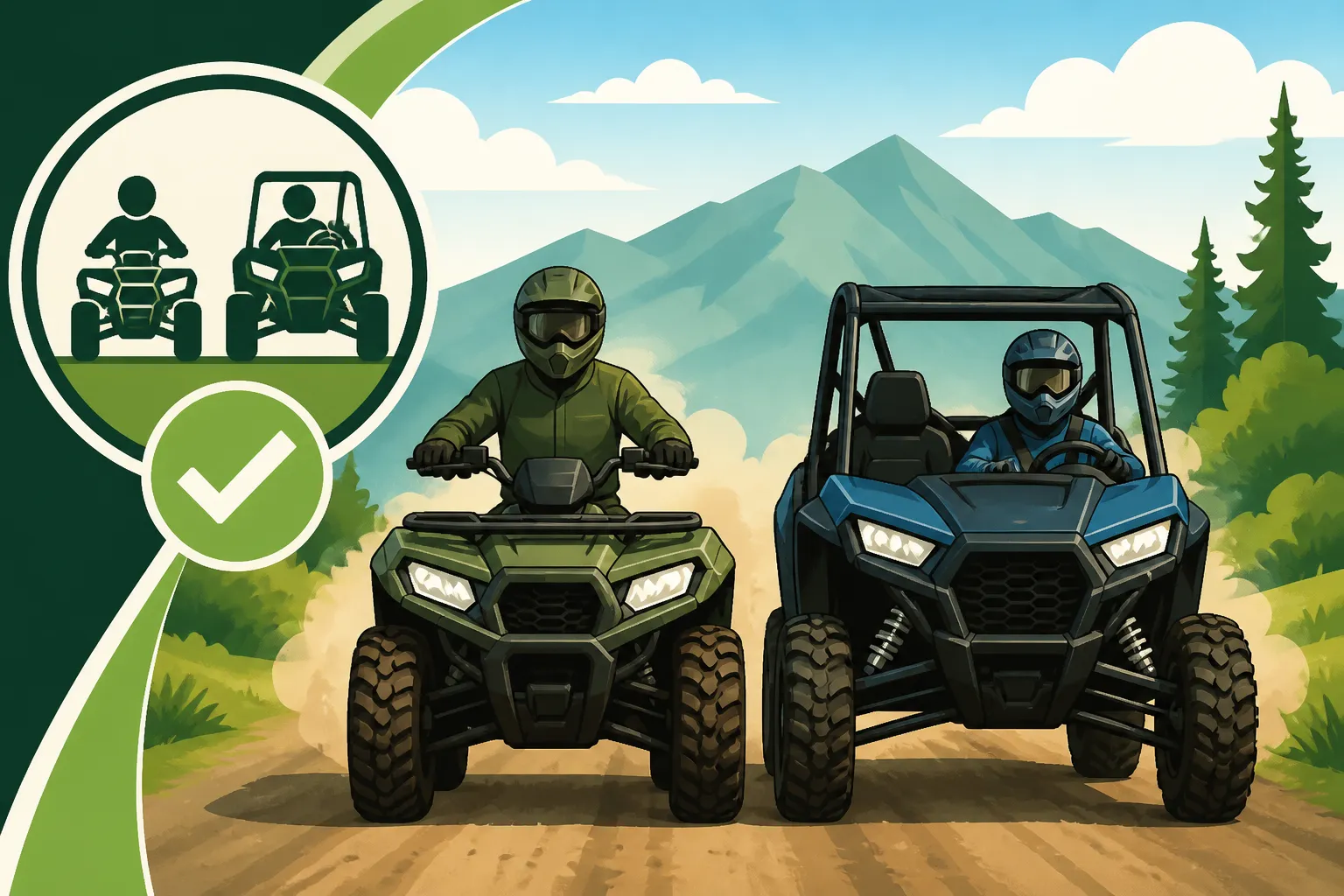
So, what does this mean for your actual riding experience when you're on a public road in Washington that allows WATVs? It means you and your riding partners need to ride single file. This is a fundamental principle of safe and legal WATV operation on any public way.
Whether you're traversing a quiet, open county road or crossing a state highway where permitted, the rule holds. Your machines must follow each other in line. This allows for ample space for other vehicles to pass safely, and it ensures you're adhering to the spirit of the law, which prioritizes the unimpeded flow of traffic and overall safety. It might feel less social to ride single file, especially if you enjoy conversation with your riding buddies, but it’s a non-negotiable aspect of responsible road use.
When you're out there, remember that you're representing the entire WATV community. Adhering to these rules helps maintain the privilege of riding on public roads in Washington. Ignoring them can lead to citations, fines, and potentially even stricter regulations or closures for everyone. [Washington Fines for Illegal WATV Road Use] can be a harsh reminder of what non-compliance costs.
What About Wider Side-by-Sides?
This rule is particularly important for those operating wider side-by-sides (UTVs). While a smaller, older ATV might fit relatively snugly within a lane's typical footprint, many modern UTVs are quite wide, sometimes approaching the width of a small car. Even a single UTV can feel like it's taking up a significant portion of a narrow lane. Two of them side-by-side would undoubtedly consume far more space than is legally or safely permissible.
Some aftermarket parts, like wider A-arms or wheel spacers from companies like SuperATV, can further increase the width of your machine. While these modifications might offer performance or stability benefits for trail riding, they make adhering to the single-file rule even more critical on shared roadways. Always be mindful of your machine's overall dimensions, especially when transitioning from wide open trails to paved or gravel roads.
It’s worth noting that the law doesn't differentiate between the width of different WATV types when it comes to the "two abreast" rule on roads. Whether you're on a compact quad or a full-size UTV, the expectation is the same: single file only on public roads.
Safety Beyond the Law
While legal compliance is essential, consider the practical safety aspects too. Riding single file allows each rider to focus entirely on the road ahead, react to changing conditions, and maintain a safe following distance from the machine in front. This distance is critical for avoiding collisions if the lead rider has to brake suddenly or encounter an unexpected obstacle.
When riding abreast, riders might be tempted to chat, look at each other, or lose focus on their surroundings. This divided attention dramatically increases the risk of accidents. Dust, glare, and varying road surfaces also play a role, making focused attention even more critical. Prioritizing safety means putting legal requirements first, even if it means sacrificing some social interaction during the ride itself. You can always pull over at a safe spot to regroup and chat.
Moreover, if you are riding with passengers, be sure they are adhering to Washington's specific rules for passengers, including helmet laws. [Washington Helmet Law for WATV Riders] applies to all riders, regardless of whether they are drivers or passengers.
Navigating Roads and Trails Legally and Safely
Okay, so we've established that riding two abreast on Washington roads is a no-go. But how do you best integrate this into your group rides, especially when you might be switching between trails and approved road segments? It requires a bit of planning and clear communication within your riding group.
Before you even head out, have a quick huddle with your fellow riders. Discuss the route, especially any road sections you'll be using. Make it clear that when you hit those road segments, everyone needs to fall into a single-file line and maintain appropriate spacing. This kind of proactive communication prevents confusion and ensures everyone is on the same page.
When you transition from a wide-open trail to a public road, make sure there’s a designated spot to safely pull over and regroup if needed. This allows everyone to get into formation, check their mirrors, and ensure they're ready for road operations. Don't just try to merge onto a road two abreast and then sort yourselves out; that's when mistakes happen.
Group Riding Etiquette and Spacing
Good group riding etiquette is more important than ever when you're navigating Washington's diverse terrain, which can include approved roadways. When riding single file, maintain a safe distance from the machine in front of you. This isn't just about avoiding a rear-end collision; it also allows for better visibility of the road ahead and gives you time to react to any changes in the lead rider's behavior or unexpected hazards.
A common rule of thumb is to maintain at least a two-second following distance, increasing to three or more seconds in adverse conditions like dust, rain, or on uneven gravel. This distance also gives other vehicles on the road a clearer view of your group and more space to pass if necessary.
Consider using hand signals or a communication system to alert riders behind you to hazards, turns, or when you plan to stop. This is especially useful when your voice can't carry over engine noise or wind. Even if you have the fanciest intercoms from SuperATV, hand signals are universally understood and always a good backup.
What to Expect from Law Enforcement
Washington law enforcement officers, including county sheriffs, state troopers, and DNR enforcement, are well aware of the regulations governing WATVs on public roads. If a trooper or other officer observes your group riding two abreast on an approved road, they are within their rights to pull you over.
What happens next can vary, but typically, you'd face a citation for illegal operation. The officer would likely explain the rule and emphasize the safety implications. While they might issue a warning for a first offense, don't count on it. Fines can add up, and repeat offenses could lead to more severe penalties. An officer will also be checking for other compliance issues, like proper [Washington ORV Decal Placement], valid registration, and whether you're carrying the required paperwork. [What a Washington Trooper Checks Roadside] gives more insight into what they look for.
The best way to avoid this kind of encounter is to simply follow the rules. When in doubt, always err on the side of caution and ride single file. It keeps you, your buddies, and everyone else on the road safer.
Here’s a quick summary of riding practices for Washington roads:
| Practice | Description | Legal/Safe Status |
|---|---|---|
| Riding Two Abreast | Operating two WATVs side-by-side in a single lane on a public road. | Illegal & Unsafe |
| Riding Single File | Operating WATVs one behind the other in a single lane on a public road. | Legal & Safe |
| Maintaining Spacing | Keeping a safe following distance (e.g., 2-3 seconds) between machines in single file. | Legal & Safe |
| Hand Signals | Using recognized hand signals to communicate with other riders and road users. | Safe Practice |
| Proper Equipment | Ensuring your WATV has all required [Washington WATV Road Requirements] for street legality (lights, mirrors, etc.). | Legal & Safe |
| Focused Attention | Each rider concentrating fully on the road and surroundings, not distracted by conversations or other riders. | Safe Practice |
Remember, the goal is to enjoy the incredible riding opportunities Washington offers while doing so responsibly and legally. By understanding and adhering to the "no two abreast" rule, you're contributing to a safer environment for everyone and helping preserve access for off-road enthusiasts.
Disclaimer
This article is for general informational purposes only and does not constitute professional advice. Laws, prices and regulations vary by location and change over time. Consult a qualified professional for guidance on your specific situation.