Winthrop and the Methow Working Group
Ah, Winthrop and the Methow Valley! It's a place of stunning natural beauty in Washington, drawing outdoor enthusiasts of all stripes. But for those of us who love our ATVs and UTVs, navigating the rules and local sentiments, especially regarding road use, can feel like trying to untangle a particularly stubborn knot. This guide will delve deep into the heart of the matter, exploring the unique dynamics of Winthrop and the role of the Methow Working Group in shaping the future of off-road vehicle access and road use in this beloved region.
The Unique Landscape of Winthrop and the Methow Valley
The Methow Valley, with Winthrop as one of its charming anchors, truly is a gem in Washington State. It’s known for its stunning peaks, winding rivers, vast trail networks, and a community that deeply values its natural surroundings and a certain pace of life. This unique character is precisely why discussions around off-road vehicle (ORV) use, particularly on public roads, tend to be more nuanced and, at times, more contentious than in other areas. It’s not just about rules; it’s about a deeply ingrained sense of place and how various recreational pursuits fit into that tapestry.
A Hub for Outdoor Recreation
From the moment the snow melts, the Methow Valley transforms into a playground for every kind of outdoor enthusiast imaginable. Hikers flock to the high country, mountain bikers descend on hundreds of miles of singletrack, and equestrians enjoy scenic bridle paths. In winter, it becomes North America's largest cross-country skiing area, drawing a different crowd altogether. For those of us with ATVs and UTVs, the surrounding national forests and state lands offer a tremendous amount of riding opportunities, from challenging trails to scenic forest roads. This incredible diversity of users, each with their own idea of outdoor enjoyment, creates a dynamic environment where everyone is vying for their slice of the experience. It's a testament to the region's appeal, but also the source of many of the conversations the Methow Working Group is trying to navigate.
The Core Conflict: Why ORVs on Roads Became a Flashpoint
The tension really heats up when it comes to the idea of ORVs on paved or gravel public roads. For many residents and visitors who come for the peace and quiet, the sight and sound of an ATV or UTV on a county road can feel disruptive, impacting the very tranquility they seek. There are concerns about noise, dust, safety, and the preservation of the valley’s scenic character. For ORV riders, however, using certain roads is often a practical necessity. It allows us to connect trail systems, access amenities like fuel or food in town, or simply enjoy a scenic drive from one trailhead to another. Without road access, many fantastic riding opportunities become isolated or simply unfeasible. This fundamental difference in perspective – the desire for seamless connectivity versus the desire for quiet preservation – forms the bedrock of the challenges the Methow Working Group faces. It's not about right or wrong; it's about finding a workable balance in a landscape beloved by all.
Understanding the Methow Working Group's Mission
When different groups within a community have strongly held, yet conflicting, views on an issue, that's often when a "working group" comes into play. The Methow Working Group wasn't formed on a whim; it emerged from a recognized need to bring diverse voices to the table and tackle the complex question of ORV use in the valley head-on. Their very existence signifies a commitment to finding local solutions rather than waiting for external mandates, which is a common approach in areas facing these kinds of recreational use conflicts.
Who Is Involved and Why
The strength of a working group lies in its representation. The Methow Working Group typically brings together a varied array of stakeholders, each with a vested interest in the outcome. You'll often find local ORV club members, who understand the riding experience and the practical needs of machines for road access. Alongside them are year-round residents, some of whom may appreciate ORV use, others who might be deeply concerned about its impacts. Local business owners are crucial, as they understand the economic implications of tourism, whether it's fueled by silent sports or motorized recreation. Conservation groups and environmental advocates bring perspectives on wildlife, habitat, and resource protection. And, of course, representatives from local government (county commissioners, city council members, law enforcement) are vital for understanding the legal framework and implementation challenges. Each of these perspectives is valid, and the goal of the working group is to create a dialogue where these different "whys" can be heard and understood, moving beyond simple opposition to constructive problem-solving. It’s a delicate dance, but absolutely essential for any lasting solutions.
Striving for Common Ground
At its heart, the Methow Working Group is striving for common ground – a place where the diverse interests of the community can coexist. This isn't about one side "winning" and the other "losing." Instead, it's about crafting solutions that acknowledge the recreational value of ORVs while also protecting the qualities that make the Methow Valley so special. Their mission often involves striking a balance between providing reasonable access for motorized users and maintaining the peace, quiet, and safety of the valley for residents and other recreationalists. This might involve identifying specific roads that could be opened, establishing clear rules for rider conduct, or promoting educational initiatives to ensure responsible use. It’s a difficult task, requiring patience and a willingness to compromise from all participants. Finding common ground also means understanding the regulatory landscape, such as [Washington's 35 mph Road Rule], and how state laws allow for local interpretation and designation of roads. This becomes a cornerstone of their deliberations, as any local solution must operate within the broader state guidelines.
The Challenges and Complexities of Road Use
When you talk about ORVs on public roads in a place like Winthrop, you're immediately entering a minefield of differing opinions and practical challenges. It’s not a simple switch you can flip. The beauty of the Methow Valley is its draw, but also its vulnerability, and any decision about road use carries significant implications for everyone who lives, works, or plays there.
Differing Perspectives on Access
For the dedicated ORV rider, especially those who have outfitted their machines with accessories from reputable brands like SuperATV to enhance performance and safety, the desire for road access is often about more than just convenience. It's about opening up new riding experiences, connecting to a wider network of trails, and being able to explore a region without the constant need to trailer your machine from one staging area to the next. The frustration of hitting a paved section of road and having to turn back, or of seeing a perfect stretch of gravel that could link two incredible trails, is very real. Riders want to responsibly enjoy their sport and believe that with proper regulations and education, road use can be safe and respectful.
On the flip side, many residents and other outdoor enthusiasts see road use as a direct threat to the very essence of the Methow. They value quiet, non-motorized recreation, and the idea of ATVs and UTVs on scenic byways or residential roads can conjure images of noise, dust, and potential conflicts with bicycles or pedestrians. They may worry about increased traffic, safety for children and pets, and the impact on property values or the peaceful enjoyment of their homes. This clash of desires isn't easily resolved; it speaks to deeply held values about how a beloved public space should be used and experienced. The working group's job is to bridge this gap, perhaps by identifying specific routes that minimize impact while maximizing connectivity.
Navigating Washington's WATV Road Rules
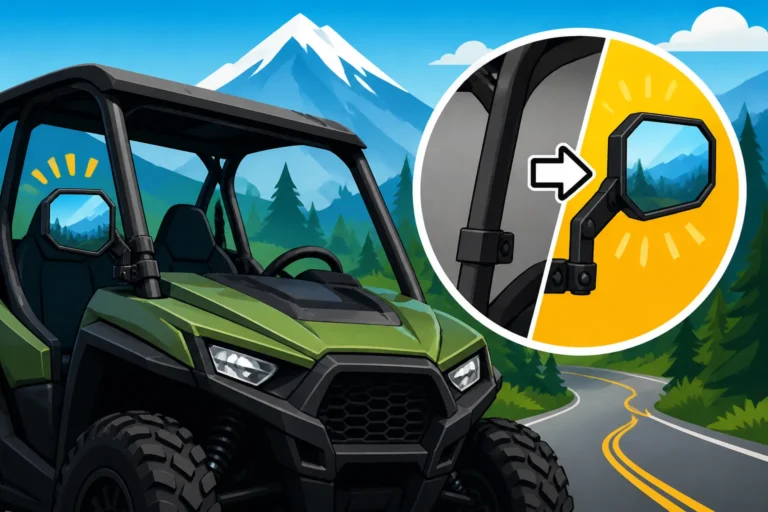
Washington State law provides a framework for street-legal WATV (Wheeled All-Terrain Vehicle) use, but it leaves significant discretion to local jurisdictions. This is where the complexity truly sets in for places like Winthrop. State law generally permits WATVs on roads with speed limits of 35 mph or less, but crucially, counties and cities must "opt-in" by passing ordinances to designate specific roads for WATV use. You can read more about this in articles like [Washington Counties That Allow WATVs on Roads]. This means that even if your machine meets all the [Washington WATV Road Requirements] – like having turn signals, mirrors, a horn, and proper lighting (many of which SuperATV offers) – you still can't just ride on any county road in the Methow Valley.
The Methow Working Group must grapple with these specifics. Which roads are suitable? Which are safe? What impact will it have on local traffic patterns and emergency services? Simply designating a road isn't enough; the designation also needs to be communicated clearly to riders and residents alike. This involves detailed mapping, signage, and public outreach, all while staying within the confines of state statute. It’s a painstaking process, but absolutely necessary to ensure any approved road use is both legal and accepted by the broader community. The goal is to move beyond the abstract idea of "street legal" to the practical reality of "legal here, on this road, under these conditions."
Key Recommendations and Outcomes
The journey of the Methow Working Group is often an evolving one, marked by extensive discussion, compromise, and incremental progress. It's rarely a quick fix, especially when dealing with such a passionate topic. Their recommendations are the fruits of many hours spent weighing different perspectives, examining state laws, and envisioning what a balanced future might look like for the valley.
Proposed Solutions and Their Impact
The types of solutions proposed by such a group can be quite varied, depending on the specific concerns and opportunities identified. One common approach is the designation of specific, limited routes for ORV use. This means identifying certain county roads or segments that can safely and appropriately connect trails, access services, or provide scenic loops without undue impact on residential areas or environmentally sensitive zones. These designated routes often come with strict rules, such as speed limits, noise restrictions, and even specific times of day for use. For riders, this provides clarity and legal access, while for residents, it offers predictability and limits the impact to defined areas.
Another key area is education. A working group might recommend robust public awareness campaigns to inform both riders and non-riders about the rules, promoting respectful coexistence. This could involve signage at trailheads, informational brochures, or online resources detailing [Washington Rules for Riding a County Road] or [Washington Rules for Riding a Forest Road]. For ORV riders, this often includes emphasizing the importance of carrying required documents like your registration (as discussed in [Carrying the Registration in the Machine]) and adhering to all safety and environmental regulations.
Finally, there might be discussions around enforcement – how to ensure that any new rules are followed. This often involves working with local law enforcement to develop a clear plan for monitoring and addressing violations. The impact of these solutions aims to be a win-win: responsible ORV access for riders, and preservation of the valley's cherished qualities for all.
What Riders Need to Know Today
For those of us planning to ride in or around the Winthrop and Methow Valley area, it’s crucial to understand the current lay of the land, as rules can be quite specific to local jurisdictions. As of my last update, riders should assume that most paved and heavily trafficked county roads in the Methow Valley are not open to WATVs unless explicitly designated by local ordinance. It’s not enough to simply have a street-legal machine; the road itself must be open. This means you can't rely solely on your machine's setup, even if you’ve equipped it perfectly with SuperATV’s road-legal kits.
Always, always check the current ordinances from Okanogan County (which Winthrop is in) and the Town of Winthrop before you go. Local government websites are the best source for this information, and they'll typically publish maps or lists of any designated roads. This proactive checking is vital to avoid a citation for illegal road use.
Beyond road designations, remember that all general Washington State ORV rules apply on trails and forest roads. This includes having your [Washington ORV Permits Explained] current, adhering to sound limits, and carrying a spark arrester. Even if the Methow Working Group is discussing future changes, current rules are what you must follow today. It’s always best to err on the side of caution and ensure you're compliant with every regulation, making your ride enjoyable and worry-free.
Looking Ahead: The Future of ORV Use in the Methow
The discussions within the Methow Working Group are not static; they represent an ongoing conversation about how a beloved natural area can accommodate diverse recreational interests. The future of ORV use in the Methow Valley, particularly regarding road access, will likely be shaped by continued community input, evolving recreational patterns, and the careful stewardship of both natural resources and local infrastructure.
Community Engagement and Evolution
The ongoing success of efforts like the Methow Working Group hinges on continued, active community engagement. This isn't a one-time meeting; it's a process of listening, adapting, and finding creative solutions as new challenges or opportunities arise. As the population grows and more people discover the beauty of the Methow Valley, the pressures on its resources, including its roads and trails, will only increase. This means the working group, or similar initiatives, will likely need to re-evaluate guidelines periodically, adjusting to changes in trail conditions, environmental concerns, or shifts in how the community uses its public lands.
Riders, residents, businesses, and conservation groups all have a role to play in this evolution. Participating in public meetings, offering constructive feedback, and advocating for responsible practices are all crucial. The goal is a dynamic system that can evolve while maintaining a balance that respects both the spirit of outdoor adventure and the tranquility of the valley. For example, if there's a need to connect trails, groups might start [Asking a County to Open a Road], which would then lead to renewed discussions and potential ordinance changes.
Preparing Your Machine for Evolving Rules
Regardless of specific local ordinances, one thing remains constant: the need for a well-maintained, compliant machine. As discussions around ORV use intensify in areas like the Methow, there can be increased scrutiny on noise levels, exhaust emissions, and general safety equipment. Riders who equip their machines with quality parts and accessories are not only enhancing their own experience but also demonstrating a commitment to responsible riding.
For instance, ensuring your exhaust system meets [Washington Sound Limits on Public Land] is paramount, as is having proper [Washington Lighting Requirements for WATVs] for any potential road use, even if only for crossings. Many riders turn to aftermarket options from companies like SuperATV for sturdy mirrors, efficient turn signals, and robust skid plates, which help protect the machine while riding varied terrain, ensuring longevity and compliance. Getting ahead of potential future regulations by having a quieter machine, proper safety gear, and an understanding of trail etiquette will always serve you well. It shows a commitment to being a good steward of the trails and roads, which helps foster a positive image for the entire ORV community. This readiness can make a big difference in how our activity is perceived by others in the community.
Table: Stakeholder Perspectives on ORV Road Use in the Methow Valley
| Stakeholder Group | Primary Concerns/Goals Regarding ORV Road Use | Common Ground Opportunity |
|---|---|---|
| ORV Riders/Clubs | – Desire for connected trail systems and access to amenities (fuel, food). – Frustration with having to trailer machines for short distances. – Belief that responsible use with proper equipment (e.g., SuperATV kits) is feasible. – Economic contribution to local businesses. |
– Support for designated, limited road access with clear rules. – Commitment to rider education, noise reduction, and safe practices. – Willingness to adhere to specific speed/time restrictions. |
| Local Residents (Non-ORV) | – Concerns about noise pollution and disruption to quiet enjoyment of homes/nature. – Safety concerns for pedestrians, cyclists, and children. – Dust and environmental impacts. – Preservation of scenic beauty and rural character. – Maintaining property values. |
– Acceptance of limited, well-managed ORV routes that avoid residential areas. – Support for strict enforcement of noise limits and safety rules. – Value for economic benefits if ORV tourism is managed responsibly. – Desire for clear communication and signage. |
| Local Businesses | – Potential for increased tourism revenue from ORV riders. – Balancing diverse customer bases (ORV vs. quiet recreation). – Impact of noise/traffic on business atmosphere. – Support for local regulations that promote harmonious coexistence. |
– Support for designated routes that funnel riders to businesses. – Advocacy for clear regulations that avoid alienating any customer segment. – Interest in promotional efforts that highlight both motorized and non-motorized recreation. |
| Environmental/Conservation Groups | – Protection of wildlife, sensitive habitats, and air/water quality. – Prevention of trail degradation and erosion. – Concerns about noise impacts on wildlife. – Ensuring sustainable recreational practices. |
– Support for ORV use only on designated, hardened trails and roads. – Emphasis on strict adherence to environmental regulations (e.g., spark arresters, no off-trail riding). – Advocacy for education on "Tread Lightly!" principles. |
| Local Government/Law Enforcement | – Ensuring public safety and minimizing traffic conflicts. – Managing infrastructure (road wear, signage). – Legal compliance with state statutes. – Balancing competing community interests. – Resource limitations for enforcement and maintenance. |
– Developing clear, enforceable ordinances for road designation. – Implementing effective signage and public information campaigns. – Facilitating community dialogue to find agreeable solutions. – Prioritizing safety through strategic route selection. |
Registering Your WATV for Use in Washington
Before you even think about hitting the roads (or trails) in the Methow Valley or anywhere else in Washington, getting your WATV properly registered is step one. It's not just a suggestion; it's a legal requirement, and neglecting it can lead to frustrating delays or even fines. The state of Washington has a very specific process for this, designed to ensure all wheeled off-road vehicles are accounted for and that their owners contribute to the maintenance and development of our fantastic riding areas. Many riders new to the state, or new to the sport, can find this process a little confusing, but it's really quite straightforward once you know the steps.
Why Washington Wants a Title First
One of the foundational requirements in Washington is that your WATV must be properly titled before you can get it registered. This often trips people up, especially if they've purchased a used machine and perhaps the previous owner wasn't as diligent with their paperwork. The Department of Licensing (DOL) needs to establish clear ownership of the vehicle. A title acts as the official record of who legally owns the machine, similar to how a car is titled. Without a clear chain of title, it's impossible for the state to issue a registration in your name. This is particularly important for preventing theft and ensuring that all transactions are legitimate. So, if you're buying a used machine, make absolutely sure the seller has a clean title to transfer to you. You can learn more about this in [Why Washington Wants a Title First]. It’s a critical step that you just can’t skip.
The Washington Two-Tab System
Once your WATV is properly titled, you'll then navigate Washington's unique "two-tab" registration system. This system is designed to differentiate between machines used strictly off-road and those that will also be venturing onto approved public roads.
First, there's the standard "off-road tab." This is the basic registration required for any WATV operated on public lands or trails in Washington. The fees associated with this tab go directly towards funding trail maintenance, land acquisition for new riding areas, and enforcement efforts, which benefits all riders. It's your ticket to accessing places like Capitol State Forest or Walker Valley. You'll also receive a metal tag with this registration, which gets bolted to your machine. For more details, check out [Washington's Off-Road Tab Explained].
Second, if you intend to ride your WATV on county roads or city streets that have been legally opened to ORV use (like those the Methow Working Group might be discussing), you'll need to purchase an additional "on-road tab." This is sometimes referred to as the "street legal tab" or "road use declaration." This tab signifies that your machine meets all the additional equipment requirements for road use (headlights, taillights, turn signals, mirrors, horn, etc.) and that you, as the operator, possess a valid driver's license. The fees for this tab contribute to the state's multi-use roadway safety account, helping to fund improvements that benefit all users of these roads. This two-tab system ensures that riders are paying into the specific infrastructure they are using, whether it's trails or roads. Getting both tabs is detailed further in [Paying for Both Tabs in Washington]. It’s a simple distinction but has significant implications for where you can legally ride.
Costs and Renewals for Your Washington WATV
Understanding the costs associated with your WATV in Washington is essential for any rider, new or experienced. It's not just the initial purchase price; there are yearly fees, potential inspection costs, and the occasional need for replacement items. Being prepared for these expenses helps ensure you can enjoy your machine without unexpected financial bumps in the road.
Breaking Down the Washington WATV Registration Cost
The total cost of registering your WATV in Washington can vary slightly depending on whether you need a new title, pay sales tax, or opt for both the off-road and on-road tabs. When you first acquire a machine, especially from a private seller, you’ll likely pay sales or use tax based on the purchase price or fair market value, whichever is higher. This isn't strictly a registration fee but often handled at the same time. The titling fee itself is a one-time cost to get the vehicle officially in your name.
Then come the yearly registration costs. The [Washington Off-Road Tab Cost] is an annual fee that supports our trail systems. If you plan to ride on designated roads, you'll also pay the [Washington On-Road Tab Cost] annually. These two fees together make up the bulk of your yearly expense. There might also be a small service fee if you register through a local licensing subagent. While these costs might seem like another item on the budget, remember that these funds are directly invested back into maintaining the places we love to ride, from trail grooming to signage and ranger patrols. It’s an investment in the future of our sport here in Washington.
The Yearly Renewal Process and What to Expect
Renewing your WATV registration in Washington is a fairly straightforward process, designed to be as convenient as possible. Your off-road and any on-road tabs will expire annually, typically on the anniversary of your initial registration. The state sends out renewal notices, usually by mail or email, well in advance of the expiration date. It's crucial to keep your contact information updated with the Department of Licensing to ensure you receive these notices. You can renew your [Washington WATV Registration Renewal] in several ways: online through the DOL website, by mail, or in person at a local vehicle licensing office or subagent.
When you renew, you'll pay the applicable fees for both tabs you wish to maintain. If you decide you no longer need the on-road tab for a season, you can simply choose not to renew that portion. Conversely, if you only had the off-road tab and later decide you want to add the on-road tab, you can do so during a renewal period or by applying for it mid-year, assuming your machine meets all the necessary [Washington WATV Road Requirements]. It's a flexible system that allows you to adjust your registration to your riding plans. Just be mindful of the expiration date, as riding on expired tabs can result in a citation, which is definitely a buzzkill for any outing!
Disclaimer
This article is for general informational purposes only and does not constitute professional advice. Laws, prices and regulations vary by location and change over time. Consult a qualified professional for guidance on your specific situation.