Republic, Colville and Kettle Falls
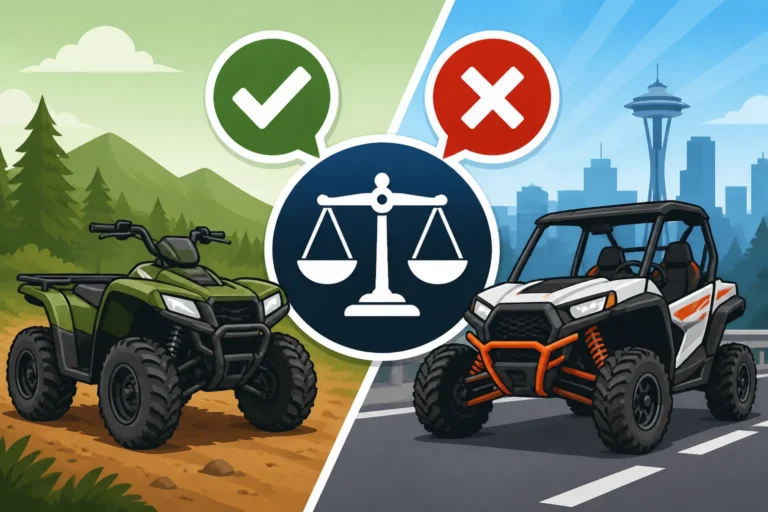
There's nothing quite like the freedom of exploring Washington's stunning landscapes on your ATV or UTV, but the dream can quickly turn into a headache when you want to connect trails or grab a bite in a charming small town. Many riders find themselves scratching their heads, wondering if they can legally ride their off-road machine on city streets, especially in picturesque spots like Republic, Colville, or Kettle Falls. This guide is here to untangle the web of regulations and help you understand how to responsibly and legally enjoy road riding in these specific Washington communities.
Understanding Washington's WATV Road Legalities in Small Towns
Navigating the rules for riding your wheeled all-terrain vehicle (WATV) on public roads in Washington can feel like a maze. While the state provides a general framework, the real specifics often come down to decisions made at the county and city level. This can be incredibly frustrating for riders who just want clear, consistent information.
The Statewide Framework for WATV Road Use
Washington state law, specifically RCW 46.09, sets the foundation for WATV use on public roads. The most important statewide rule to remember is that WATVs can generally only be operated on roads with a posted speed limit of 35 miles per hour or less. Anything higher, and you're typically out of luck unless a specific highway segment has been authorized for crossing by the Washington State Department of Transportation (WSDOT). This 35 mph rule is a critical threshold, and it applies whether you're in the middle of a bustling city or a sleepy rural town.
Beyond the speed limit, to even consider legal road use, your WATV must be properly registered with the Washington Department of Licensing (DOL) and display the necessary tabs. This means you need to have completed the [Washington Road Use Declaration] and acquired the specific [Washington's On-Road Tab Explained] in addition to your off-road tab. Many riders initially just get the off-road tab, thinking it covers everything, but the on-road tab is crucial for any pavement riding. Imagine you're out exploring near Republic, and you see a small, paved county road that looks like a perfect shortcut to the next section of trail. Without that on-road tab, even if the road is technically open to WATVs, you could be facing a citation. It's a simple sticker, but it opens up a whole new world of legal access.
The Critical Role of Local Ordinances
While the state sets the maximum speed limit for WATV road use, it largely delegates the power to open or close roads to WATVs to individual counties and cities. This means that even if a road is posted at 35 mph or less, it's not automatically open to your machine. The local jurisdiction must pass an ordinance specifically allowing WATV use on its roads or streets. This is where the inconsistency many riders experience truly comes from. One small town might be fully open, allowing you to ride right into the heart of downtown, while another, just a few miles away, might have strict prohibitions.
This patchwork of rules means that what's legal in an unincorporated part of Stevens County might be completely illegal once you cross into the city limits of Colville, even if the road type looks identical. The burden falls on us, as riders, to do our homework. It's easy to assume that because a town is small and seemingly rural, its streets are automatically fair game for WATVs. However, making that assumption can lead to a roadside stop and an unwanted conversation with law enforcement. It's a common frustration, especially when you're just trying to figure out if you can ride from your campground to the local diner for breakfast.
Required Equipment for Road-Legal WATVs
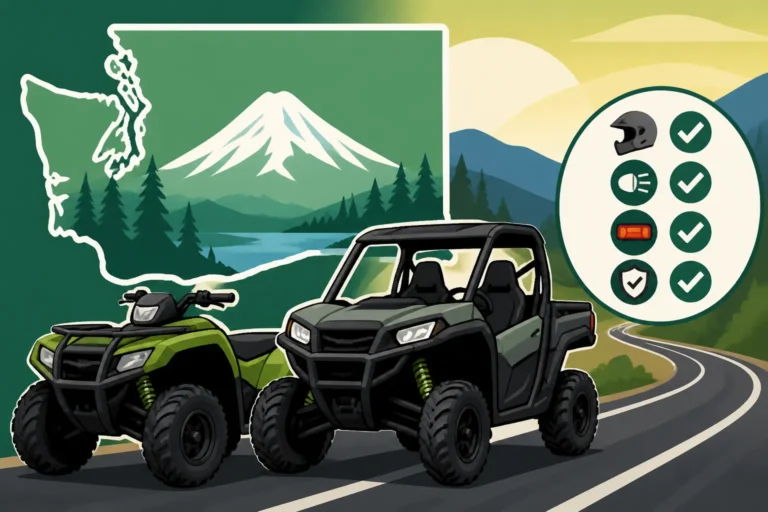
Just getting the on-road tab isn't the end of the story. To legally operate your WATV on public roads, it needs to meet specific equipment requirements to ensure it's safe for shared use with other vehicles. Think of it like bringing a dirt bike up to street-legal motorcycle standards – there are some essential additions.
Your WATV must be equipped with:
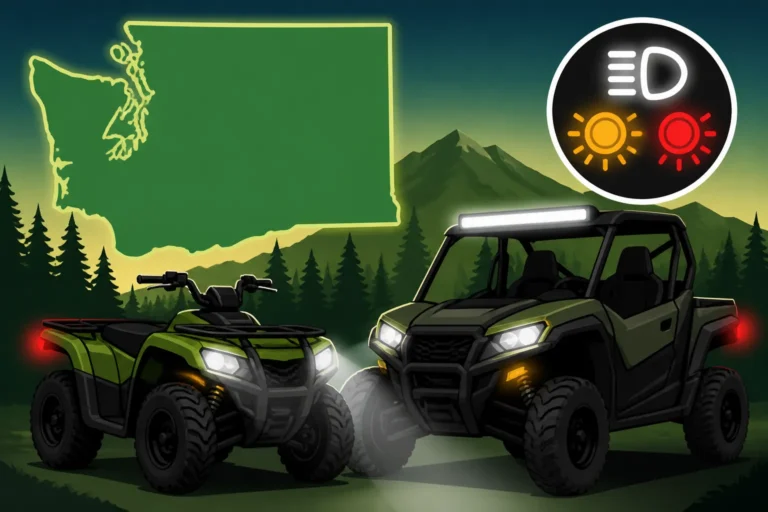
- Headlights, taillights, and brake lights
- At least one rear-view mirror (many riders opt for two for better visibility)
- Turn signals for both front and rear
- A horn
- A windshield or, failing that, you must wear eye protection (goggles or a face shield)
- A spark arrester and a muffler that keeps noise within legal limits
Many manufacturers, like SuperATV, offer a fantastic range of aftermarket parts specifically designed to help you meet these requirements. For example, adding a complete turn signal kit from SuperATV can transform your off-road warrior into a road-worthy machine in one go, often including the horn and proper lighting. It’s not just about avoiding a ticket; it’s about making sure you’re clearly visible and able to communicate your intentions to other drivers when you're sharing the pavement. This ensures safety for everyone on the road. Without these modifications, even with your on-road tab, you're not compliant with [Washington WATV Road Requirements] and risk a citation.
Riding the Streets of Republic, Washington
Republic, nestled in Ferry County, is a prime example of a charming small town that offers access to incredible natural beauty. For many riders, the dream is to ride directly from their lodging or a nearby forest service road right into town.
Republic's Approach to WATV Access
Republic, like many of Washington's smaller communities, has generally embraced the opportunity to allow WATV use on its city streets, recognizing the economic benefits and the convenience for recreationists. This means that, within Republic's city limits, many of its streets are open to properly equipped and registered WATVs. This flexibility is a huge boon for riders, allowing for easier access to fuel, food, and supplies without having to load and unload machines from a trailer every time. It means you might be able to ride your side-by-side from your campsite directly to the local grocery store, or to a café for breakfast before hitting the trails. This makes for a much more integrated and enjoyable experience, truly embodying the spirit of [Riding the Streets of Republic].
However, "generally open" doesn't mean "anything goes." Riders still need to adhere to the statewide 35 mph speed limit for WATVs on roads and, of course, ensure their machine meets all the equipment requirements discussed earlier.
Identifying Permitted Streets and Connecting Routes
While many streets in Republic are likely open, it's always wise to verify current local ordinances. The City of Republic's official website or a quick call to the city clerk's office can provide the most up-to-date information. This is particularly important if you're trying to navigate from a specific trail system directly into town.
The real benefit in Republic often lies in its ability to serve as a gateway. You can use its open streets to connect to the extensive network of forest roads and trails in the surrounding Colville National Forest. Imagine spending a morning exploring the trails north of town, then riding your WATV down main street to refuel, grab a burger, and then head back out for an afternoon loop. It eliminates the logistical hassle of constantly trailering your machine, allowing for more spontaneous and seamless adventures. Local signage, if present, will also be key in identifying which routes are specifically designated or prohibited.
Important Local Considerations in Republic
When riding in Republic, keep a few things in mind to ensure a positive experience for everyone. Noise can be a concern in residential areas, so keep your speed down and avoid excessive revving. Even if your exhaust is within legal limits, a loud machine at slow speeds can still be disruptive. Parking is another consideration; ensure you park legally and respectfully, not blocking sidewalks or storefronts. Treat your WATV like any other vehicle when in town.
Also, be mindful of pedestrian traffic, especially on weekends or during local events. Republic is a friendly town, and maintaining a good rapport with residents is crucial for keeping these street access privileges. A rider zooming unsafely through a downtown area isn't just risking a ticket; they're risking the goodwill that allows all of us to enjoy these privileges. It’s about being a good ambassador for the sport.
Navigating Colville and Its Surroundings
Colville, the county seat of Stevens County, presents a slightly different scenario than smaller towns like Republic. While it's still a relatively small city, its role as a regional hub means it has more traffic and a more structured approach to road use.
Colville City Limits and WATV Riding
For WATV riders, the streets within Colville's city limits typically follow a similar pattern to other municipalities in Washington. Many of the lower-speed city streets are open to properly equipped and registered WATVs, allowing riders to access local businesses, gas stations, and restaurants. However, because Colville is a bit larger and experiences more traffic, there might be specific areas or major thoroughfares where WATV access is restricted for safety or traffic flow reasons. Always check for city ordinances, often available on the City of Colville's official website, to confirm which streets are open. It’s a bit more complex than simply assuming all roads are open.
Imagine you're visiting Colville from out of state, or even from another part of Washington, and you've got your machine registered with the [Washington Off-Road Tab Explained] and the necessary on-road endorsement. You might want to ride into town from a nearby camping spot to pick up some forgotten supplies or grab a meal. Colville's generally open streets can make this incredibly convenient, preventing the need to load your side-by-side onto a trailer just for a quick trip.
County Roads and Connectivity Around Colville
The real advantage for WATV riders around Colville often lies in the surrounding Stevens County roads. Stevens County, being largely rural, is one of those counties that might have many of its county roads open to WATV use by default, or through specific ordinances. This is incredibly valuable for connecting to the vast network of forest roads and trails in the Colville National Forest, which is a major draw for outdoor enthusiasts. [Riding Through the Colville National Forest] offers incredible opportunities, and connecting to them via county roads is often part of the adventure.
A common scenario involves using a short stretch of a lower-speed county road to link two sections of prime off-road trails. This is where your WATV's street-legal capabilities truly shine, offering seamless transitions from pavement to dirt. Riders must still adhere to the 35 mph state speed limit on these county roads. Always consult the Stevens County public works or county commissioner's office for a list of approved roads, or roads that have been specifically closed to WATVs, as some rural roads might be deemed unsuitable for WATV traffic due to safety concerns or other factors. Understanding [Washington Rules for Riding a County Road] is paramount here.
Respecting the Community and Other Road Users
When riding your WATV on Colville's streets or the surrounding county roads, it's particularly important to demonstrate responsible and courteous behavior. Colville is a community with mixed traffic, including cars, trucks, and pedestrians. This means slowing down, being predictable in your movements, and always yielding to traditional vehicles and pedestrians. Kicking up excessive dust on gravel county roads or making unnecessary noise in residential areas can quickly erode local support for WATV access.
Think about the impression you're making: if every WATV rider is considerate and follows the rules, it reinforces the positive image of our sport. If riders are perceived as reckless or disruptive, it creates pressure for local authorities to restrict or even ban WATV road use. It's a small city, and residents will notice how you ride. Ensuring your machine is properly equipped with loud enough signaling equipment (like a SuperATV horn kit) and bright enough [Washington Lighting Requirements for WATVs] helps with safety but also with being seen and heard responsibly.
Exploring Kettle Falls' WATV Opportunities
Kettle Falls, situated north of Colville, also in Stevens County, is another community that acts as a fantastic base for exploring northeastern Washington. Its proximity to Lake Roosevelt and various forest lands makes it a popular spot for recreation.
Kettle Falls City Street Access for WATVs
Much like Republic and Colville, Kettle Falls has likely established ordinances regarding WATV access on its city streets. Given its size and location as a gateway to natural attractions, it's reasonable to expect that many of Kettle Falls' lower-speed streets would be open to properly registered and equipped WATVs. This allows riders to easily access the town's amenities – whether it's grabbing breakfast before a big ride, refueling at a local gas station, or picking up a fishing license. Being able to ride your machine right to these places, rather than trailering, adds immeasurable convenience to your trip.
For specific details on which streets are open or any particular local restrictions, checking the City of Kettle Falls official website or contacting city hall is the best course of action. This diligence ensures you're riding legally and avoid any misunderstandings. It's common for riders to want to know if they can ride from a campground outside town to a restaurant, and Kettle Falls often provides that flexibility, which is why [Riding Kettle Falls to the Trail] is a desirable option for many.
Connecting to the Wider Trail Network
Kettle Falls' strategic location makes it an excellent jumping-off point for exploring the broader region. Its open city streets, combined with accessible Stevens County roads, create a seamless transition to the extensive network of forest roads and trails that wind through the Colville National Forest and surrounding state and private lands. This allows riders to use Kettle Falls as a central hub, staging their adventures directly from town.
Imagine you're planning a multi-day trip. You might use Kettle Falls as your base, riding out each day to explore different areas, returning to town for supplies, meals, and lodging. This integration of town and trail is a major draw for WATV enthusiasts. These connections are invaluable, allowing you to maximize your riding time and minimize time spent loading and unloading your machines.
Specific Rules and Tips for Kettle Falls Riders
When operating your WATV in Kettle Falls, always keep in mind the 35 mph speed limit. This is a statewide maximum for WATVs on any public road, and it's strictly enforced, especially in towns where other vehicles and pedestrians are present. Watch for local signage that might indicate specific routes or areas where WATVs are restricted. The goal is always to minimize impact on residents and ensure safety for everyone.
Given the proximity to Lake Roosevelt, you might encounter more boaters and other recreational traffic during peak seasons. Being extra vigilant, especially at intersections or during busy times, is a good practice. Your [Washington Helmet Law for WATV Riders] applies here, as does the need for proper [Washington Turn Signal Requirements] and [Washington Mirror Requirements for Road Use] to communicate effectively with other drivers. Remember, the privilege of riding in town relies heavily on responsible rider behavior.
Essential Preparations for Small-Town Road Riding
Successfully navigating Washington's small towns on your WATV requires more than just knowing where to ride; it demands thorough preparation. Being ready with the right paperwork, equipment, and a respectful attitude will ensure your adventures are enjoyable and citation-free.
The Must-Have Paperwork and Registrations
Before you even think about putting a tire on a paved road, your WATV must be properly registered for road use in Washington. This is non-negotiable. You'll need:
- Current WATV Registration: This includes your annual [Washington WATV Registration Renewal] and displays your current decals.
- Washington On-Road Tab: This is the specific endorsement that allows for road use, in addition to your off-road tab. You can't just have one; you need both to ride legally on the pavement.
- Valid Driver's License: The operator of the WATV on any public road must possess a valid driver's license. There's no exception for off-road permits or special WATV licenses for adults. If you're riding your machine on a street, you need a full [A Valid Driver License on a Washington Road].
- Proof of Insurance: For WATVs registered for road use, you must carry proof of liability insurance, just like any other motor vehicle.
- Registration Card: Always carry your physical registration card with you on the machine. Keeping it in a waterproof bag is a smart move, especially in Washington's often damp climate. [Carrying the Registration in the Machine] is a good habit.
Neglecting any of these can lead to a roadside stop and a citation, even if you're on a perfectly open road. Imagine riding through Colville, enjoying the scenery, only to be pulled over because your on-road tab expired last month – it's an easy mistake to make but an expensive one to fix.
Gearing Up for Safety and Legality
Beyond the paperwork, your WATV itself needs to be up to snuff. We already touched on the essential equipment, but it bears repeating, especially regarding safety:
- Braking System: Must be fully functional.
- Headlights, Taillights, Brake Lights: Essential for visibility, especially if you plan on [Washington Rules for Riding After Dark].
- Turn Signals: Both front and rear, clearly visible. SuperATV, for instance, offers robust LED turn signal kits that are bright and durable, perfect for the varied terrain and conditions you'll encounter.
- Mirrors: At least one rear-view mirror, properly positioned for visibility. Again, SuperATV has a range of options, from universal mirrors to specific models that integrate seamlessly with your UTV cage.
- Horn: A working horn is critical for alerting other drivers or pedestrians.
- Windshield or Eye Protection: If your WATV doesn't have a full windshield, you must wear goggles or a face shield.
- Spark Arrester & Muffler: To prevent wildfires and keep noise levels within legal limits.
- Helmets: While Washington's helmet law for WATVs specifically addresses riders under 16 needing a helmet on public lands, it's an excellent safety practice for all riders and passengers on public roads, regardless of age, even if the strict legal requirement may vary depending on the road type and age. Safety first!
Investing in quality, road-legal accessories not only keeps you compliant but also significantly enhances your safety. It's not just about meeting the bare minimum; it's about being prepared for unexpected situations on shared roads.
Pre-Ride Checks and Local Research
The final, and perhaps most crucial, step is to always perform pre-ride checks and conduct thorough local research.
- Check Local Ordinances: Before heading out, especially to a new area like Republic, Colville, or Kettle Falls, visit the respective city and county websites. Look for their local ordinances regarding WATV use. These are typically under "Municipal Code" or "Public Works" sections. Local county commissioner meeting minutes can also sometimes reveal upcoming changes or discussions about WATV access.
- Consult Local Resources: Local visitor centers, sporting goods stores, or even local law enforcement (non-emergency lines) can often provide valuable insights into current rules or popular riding areas.
- Map Your Route: Plan your route, identifying which roads are open and which might be restricted. Avoid detours onto roads with higher speed limits or those specifically marked as closed.
- Tell Someone Your Plan: Always let someone know your riding plans, especially if you're exploring new areas.
Being a responsible and informed rider not only ensures your own safety and legality but also contributes positively to the WATV community. When we demonstrate respect for local laws and communities, we help preserve and even expand access for everyone.
| Feature | Republic, Washington | Colville, Washington | Kettle Falls, Washington |
|---|---|---|---|
| City Road Access | Generally open to registered/equipped WATVs | Generally open to registered/equipped WATVs | Generally open to registered/equipped WATVs |
| County Road Access | Ferry County likely open (check for closures) | Stevens County likely open (check for closures) | Stevens County likely open (check for closures) |
| WATV Speed Limit | 35 mph (statewide maximum for WATV road use) | 35 mph (statewide maximum for WATV road use) | 35 mph (statewide maximum for WATV road use) |
| Local Resources | City of Republic website, Ferry County website | City of Colville website, Stevens County website | City of Kettle Falls website, Stevens County website |
| Primary Connection | Trails north and east, Colville National Forest | Colville National Forest, regional hub for services | Lake Roosevelt area, Colville National Forest |
Disclaimer
This article is for general informational purposes only and does not constitute professional advice. Laws, prices and regulations vary by location and change over time. Consult a qualified professional for guidance on your specific situation.