Keeping Paperwork Dry in the Rain
There's nothing quite like hitting the trails in Washington, whether it's the muddy forest roads of the Olympic Peninsula or the dusty paths of eastern Washington. But any seasoned rider knows that our beautiful state often comes with its fair share of rain, mist, or even unexpected creek crossings. One of the biggest headaches for riders is keeping essential paperwork – like your WATV registration, insurance cards, and any necessary permits – from turning into a soggy, illegible mess. It's frustrating to know you have all your documents, only to find them ruined when you really need them. This guide is here to walk you through practical, real-world strategies and dependable storage solutions to ensure your important documents stay perfectly dry and readable, no matter what Washington's weather throws at you.
Why Keeping Your WATV Paperwork Dry Matters in Washington
You might think a little dampness is no big deal, but when it comes to official documents for your Washington all-terrain vehicle (WATV) or utility terrain vehicle (UTV), moisture can quickly escalate from an inconvenience to a real problem. Think about those crucial moments when you need to present your paperwork – a routine stop by a park ranger, an unexpected encounter with a county sheriff on a permitted road, or even worse, an emergency situation where proof of insurance is critical. A smudged, ripped, or ink-blotched document is essentially no document at all in the eyes of the law.
The Legal Ramifications of Damaged Documents
Imagine this scenario: you're out riding in the Capitol State Forest, enjoying a perfect, albeit damp, spring day. A DNR officer pulls you over to do a routine check. You reach into your glove box, pull out what you think is your current registration, only to find the Washington Department of Licensing print is bleeding across the page, making the dates and VIN number unreadable. The officer can't confirm your registration status.
This isn't just an awkward moment; it can lead to serious legal consequences. In Washington, you are required to carry your current registration when operating your WATV on public lands. If your paperwork is unreadable, it's as good as not having it at all. This can result in a citation for operating an unregistered vehicle or for failing to carry proof of registration. These fines can quickly add up and put a real damper on your riding season. The goal here is to avoid those unnecessary penalties and keep your riding experience smooth and worry-free. [What a Washington Citation for No Tabs Costs] is definitely something you want to avoid, and illegible paperwork can be a fast track to one. It’s not just about having the paper; it’s about having readable, verifiable proof.
Practical Issues with Illegible Paperwork
Beyond the legal aspect, there are plenty of other practical reasons why crisp, dry paperwork is essential. What if you need to refer to your own documents? Perhaps you've forgotten your [Washington WATV Registration Renewal] date and need to check it quickly. Or maybe you're out on a group ride and one of your friends needs to borrow your insurance policy number for an unexpected incident. If your insurance card is a pulpy mess, that quick reference becomes impossible, adding stress to an already tense situation.
Consider also the potential for more severe incidents, such as an accident where you need to provide proof of insurance or ownership. If your [Washington WATV Title Requirements] are such that you need to refer to specific information, or if you ever needed to prove ownership on the spot due to a theft or dispute, having clear, undamaged documents is absolutely critical. Even something as simple as needing to call for roadside assistance or help from a fellow rider might involve quickly confirming your vehicle's make, model, or VIN, all typically found on your registration. Having your paperwork in pristine condition ensures you can handle any situation efficiently and effectively, reducing frustration and potential delays.
Choosing the Right Waterproof Storage for Your Machine
Now that we've established why it's so important, let's dive into how to actually keep those precious documents dry. The market is flooded with various storage solutions, and choosing the right one often depends on your machine, your riding style, and the typical conditions you encounter. The key is to find something durable, easily accessible, and, most importantly, truly waterproof.
On-Board Storage Options and Their Effectiveness
Many modern WATVs and UTVs come with some form of integrated storage, often a glove box or a small compartment under the seat. While these are convenient, they are rarely truly waterproof on their own. Water has a sneaky way of finding its way into even seemingly sealed compartments, especially during creek crossings, heavy rain, or when mud flies.
- Dry Boxes: For ultimate protection, a dedicated dry box is a fantastic investment. These are usually hard-sided, latching containers with a rubber gasket seal. They come in various sizes and can be bolted down to your machine's cargo rack or stored within a larger utility bed. Some riders opt for smaller, Pelican-style cases that are impact-resistant and completely watertight. These are fantastic for larger documents like maps, or even your phone and wallet.
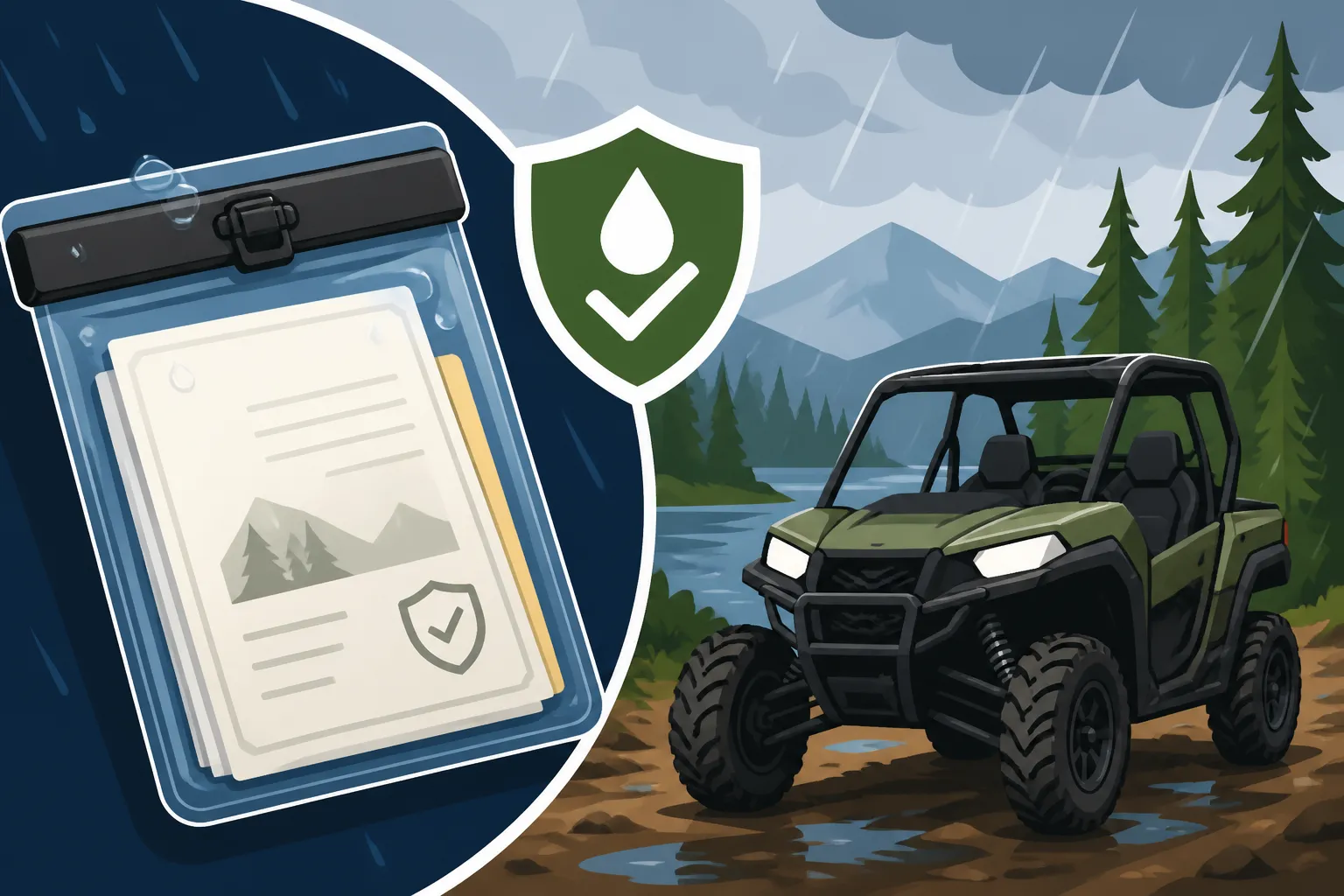
- Waterproof Bags & Pouches: For those who prefer softer storage or need something to fit into an existing compartment, heavy-duty waterproof bags are a great choice. Look for bags designed for boating or kayaking, often made from PVC or TPU, with roll-top closures. These are excellent for smaller items. You can often find compact, fully submersible pouches specifically designed for documents. Think about a durable, clear pouch with a zip-lock style seal, perhaps from a brand known for outdoor gear. These can be slipped into a glove box or a tool kit.
- Map Cases: While typically used for maps, a clear, waterproof map case can be repurposed for your registration and insurance cards. They often have a roll-top or fold-over seal and a lanyard, making them easy to secure and access. They keep your documents visible without needing to remove them from the case.
When selecting an on-board solution, consider where it will be mounted or stored. Will it be exposed to direct spray? Is it secure enough not to bounce open on rough trails? Remember, the goal isn't just to keep water out, but to ensure your documents are protected from physical damage from vibrations and impacts as well.
Personal Carry Solutions for Riders
Sometimes, relying solely on your machine's storage isn't enough, or perhaps your machine doesn't have secure, waterproof compartments. In these cases, carrying your documents on your person offers an extra layer of security and ensures they're always with you, even if you step away from your machine.
- Waterproof Wallet or Pouch: Many outdoor gear companies make slim, waterproof wallets or pouches that are perfect for IDs, cash, and critical documents like your WATV registration and insurance card. These can often fit inside a jacket pocket or a small fanny pack. Look for materials like ripstop nylon with sealed seams or fully submersible designs.
- Jacket Pockets with Zippers: Some riding jackets come with internal pockets that are designed to be water-resistant or even fully waterproof. These are ideal for quick access and keeping things close to your body, where they are less likely to get jostled or soaked. Just make sure the zipper is robust and the pocket truly seals.
- Backpack with a Dry Bag Liner: If you carry a backpack for other gear, investing in a good dry bag liner can turn almost any backpack into a waterproof haven for your documents. Simply place your paperwork inside a smaller dry bag, then put that inside your main backpack. This layering approach offers excellent protection, especially for items you might not need to access constantly.
When choosing a personal carry option, prioritize comfort and accessibility. You don't want something bulky that interferes with your riding, but you also need to be able to retrieve your documents easily if a [Washington Trooper Checks Roadside]. Before you hit the trails, ensure that any essential legal forms or personalized checklists you've prepared, perhaps using a service like LawDepot for clarity and correct formatting, are printed on durable paper before they even go into your chosen waterproof carrier. This ensures the initial quality of the document is high, making it more resilient to any potential moisture that might sneak in.
Best Practices for Protecting Your Documents Against Washington Weather
Having the right gear is only half the battle. Implementing smart habits and performing regular checks will ensure your waterproofing strategy remains effective throughout the riding season. Washington's variable climate means you often start a ride in sunshine and end it in a downpour, so vigilance is key.
Layering Protection: Combining Methods for Ultimate Defense
Think of protecting your documents like dressing for a cold, wet day in the Pacific Northwest: layers are your best friend. Relying on a single waterproof barrier can be risky. A small puncture or a seal failure can compromise everything.
Here’s how layering works for your WATV paperwork:
- Inner Layer – Zip-Top Bags: Start by placing your individual documents (registration card, insurance card, trail permits) inside sturdy, freezer-grade zip-top bags. Squeeze out as much air as possible before sealing. These provide a basic, inexpensive, and often surprisingly effective first line of defense.
- Middle Layer – Waterproof Pouch or Small Dry Bag: Next, place your zip-top bagged documents into a dedicated waterproof pouch or a small, roll-top dry bag. These are designed for more robust protection. This is where you might put all your [Washington WATV Registration Paperwork] together.
- Outer Layer – Hard Case or Waterproof Compartment: Finally, place the waterproof pouch or dry bag into a hard-sided dry box on your machine, a waterproof glove compartment, or a zippered, water-resistant pocket in your riding jacket. This offers physical protection against impacts and abrasions, as well as a final barrier against any lingering moisture.
This multi-layered approach ensures that even if one layer fails (a zip-top bag gets a tiny tear, or a dry bag seal isn't quite perfect), your documents still have multiple layers of protection. It’s a bit like insurance for your insurance paperwork! When preparing these documents, especially for an important legal step like registering an [Registering an Inherited Machine in Washington], ensuring everything is printed perfectly before being layered up is essential.
Regular Checks and Maintenance
Waterproof gear isn't "set it and forget it." Over time, seals can degrade, plastic can become brittle, and fabric can wear. Regular inspection and maintenance are crucial to ensure your protection remains effective.
- Inspect Seals and Zippers: Before each major ride, or at least monthly during active riding seasons, carefully inspect the seals on your dry boxes and the zippers on your waterproof bags and pockets. Look for cracks, tears, or any signs of wear. Gaskets can become brittle and lose their elasticity, while zipper teeth can get clogged with dirt or mud.
- Test for Leaks: Periodically, you can perform a simple leak test. Place a dry paper towel inside your waterproof container, seal it, and then submerge it in a sink or tub for a few minutes. Check the paper towel afterwards. If it's damp, you know you have a leak that needs addressing.
- Clean and Lubricate: Keep seals clean and free of dirt, grit, or debris, which can compromise their effectiveness. Some dry box gaskets can benefit from a light application of silicone grease to maintain flexibility. Zippers on waterproof garments or bags should be kept clean and occasionally lubricated with a silicone-based zipper lubricant to ensure smooth operation and a tight seal.
- Replace Worn Gear: Waterproof gear, especially softer items like bags and pouches, has a lifespan. If you notice significant wear, tears, or repeated failures during leak tests, it’s time to replace it. A small investment in new waterproof gear is far less costly than a fine for unreadable documents or the headache of trying to replace them mid-trip.
By making these checks a routine part of your pre-ride preparations, you'll greatly reduce the chances of encountering soggy paperwork when you need it most. This diligence is especially important for critical information like [Washington ORV Registration and Insurance Proof], which you absolutely need in readable condition.
Beyond Basic Registration: Other Important Documents to Protect
While your WATV registration and insurance card are paramount, don't forget about other vital pieces of paper that might accompany you on your adventures. Washington's diverse riding opportunities often require additional documentation, and keeping these dry is just as important for a smooth and enjoyable experience.
Insurance Cards and Emergency Contacts
Beyond the registration, your insurance card is non-negotiable for proving coverage, especially if you plan on using the road tab for limited on-road access. For example, if you're taking your side-by-side on a county road in Lewis County that permits WATV use, a Washington State Patrol trooper will expect to see valid proof of insurance. A water-damaged card can cause unnecessary delays and potential penalties, even if you are fully insured.
Equally important are emergency contact lists and basic medical information. While not official "documents" in the same vein as registration, having a laminated or waterproof card with names, phone numbers, and any critical medical conditions (allergies, medications) for yourself and your riding partners can be a lifesaver in an accident. Many riders create a small, waterproof emergency kit that includes these contacts, a basic first-aid sheet, and maybe even a copy of their driver's license. You could even use a tool like LawDepot to draft a simple emergency information sheet, ensuring all critical details are presented clearly and legibly before being waterproofed.
Maps and Trail Permits
Washington is a fantastic state for exploring by WATV, with vast networks of trails and forest roads. However, navigating these areas often requires maps, and many specific riding areas, especially on state or federal lands, may require additional permits or passes. For instance, while some DNR lands only require a Discover Pass, other areas might require a specific day-use permit, or even a Northwest Forest Pass for certain federal lands near [Evans Creek ORV in Washington's Cascades].
Trying to read a soggy, disintegrating map in the middle of a dense forest is an exercise in frustration – and potentially dangerous if you get lost. Traditional paper maps are notorious for absorbing moisture, so investing in a waterproof map case is a smart move. Better yet, many maps are now available in durable, synthetic materials that are inherently waterproof and tear-resistant. Combine these with your GPS device for reliable navigation.
For any specific trail permits or passes, treat them with the same waterproofing care as your registration. These often have dates and permit numbers that need to be clearly visible if requested by a land manager or ranger. Imagine riding in [Ahtanum State Forest] with its green dot roads, and being unable to show your permit clearly. Keep all these crucial navigational and access documents in their own waterproof layer, perhaps within the same system you use for your registration, so everything is easily accessible and protected. When planning a trip, remember to check [Washington Trail Maps From DNR] to understand what permits might be needed.
Essential Washington WATV Document Protection Checklist
To help you keep track, here's a handy table summarizing the best practices for protecting your critical WATV documents while riding in Washington.
| Document Type | Importance | Recommended Protection Strategy | Key Considerations |
|---|---|---|---|
| WATV Registration | Legal Requirement | Layer 1: Zip-top bag. Layer 2: Small roll-top dry bag/waterproof pouch. Layer 3: Hard dry box or waterproof jacket pocket. | Must be carried and legible at all times on public land. Avoid fines. |
| Insurance Card | Legal Requirement | Layer 1: Zip-top bag. Layer 2: Small roll-top dry bag/waterproof pouch. Layer 3: Hard dry box or waterproof jacket pocket. | Essential for on-road use (with road tab) and accident reporting. |
| Driver's License | Legal Requirement | Waterproof wallet or dedicated zippered jacket pocket. | Keep on your person. Often a primary ID. |
| Emergency Contacts | Safety Essential | Laminated card or waterproof printout in a small dry bag within a hard dry box. | Crucial for unexpected incidents. Consider using LawDepot for a clean template. |
| Trail/Area Permits | Access Prerequisite | Layer 1: Zip-top bag. Layer 2: Waterproof map case or small dry bag. | Required for specific riding areas. Keep dates and numbers visible. |
| Maps (Paper) | Navigation Aid | Waterproof map case, or use maps printed on synthetic waterproof paper. Store flat to prevent creases that can trap water. | Avoid getting lost! Essential backup for electronic devices. |
| Bill of Sale | Ownership Proof | While not always carried, if needed for a specific scenario, protect it like registration. (e.g., [Washington Bill of Sale Requirements]) | Primarily for ownership disputes, less for routine stops. Store securely at home. |
Remember that proactive protection is always better than reacting to damaged documents. Taking a few extra minutes before each ride to ensure your paperwork is secure and dry will save you a lot of potential hassle and allow you to fully enjoy the incredible riding Washington has to offer. [Keeping the Registration Inside the Machine] is a good start, but proper waterproofing makes all the difference.
Disclaimer
This article is for general informational purposes only and does not constitute professional advice. Laws, prices and regulations vary by location and change over time. Consult a qualified professional for guidance on your specific situation.