Replacing an ORV Decal Lost Off a Fender
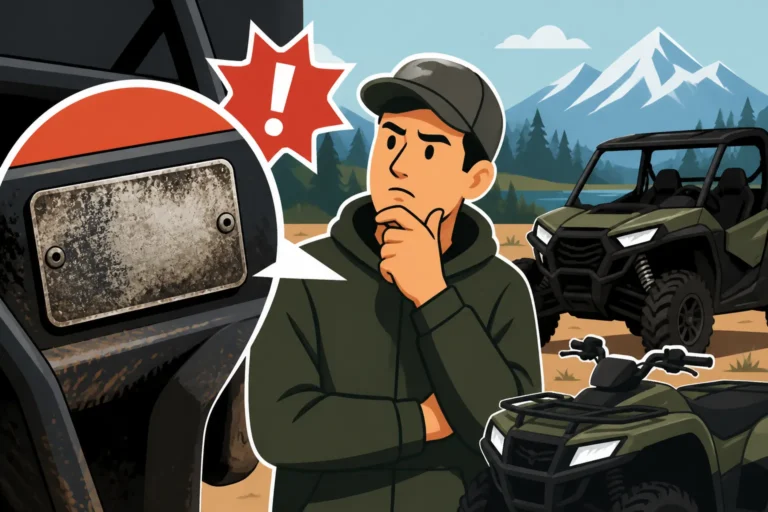
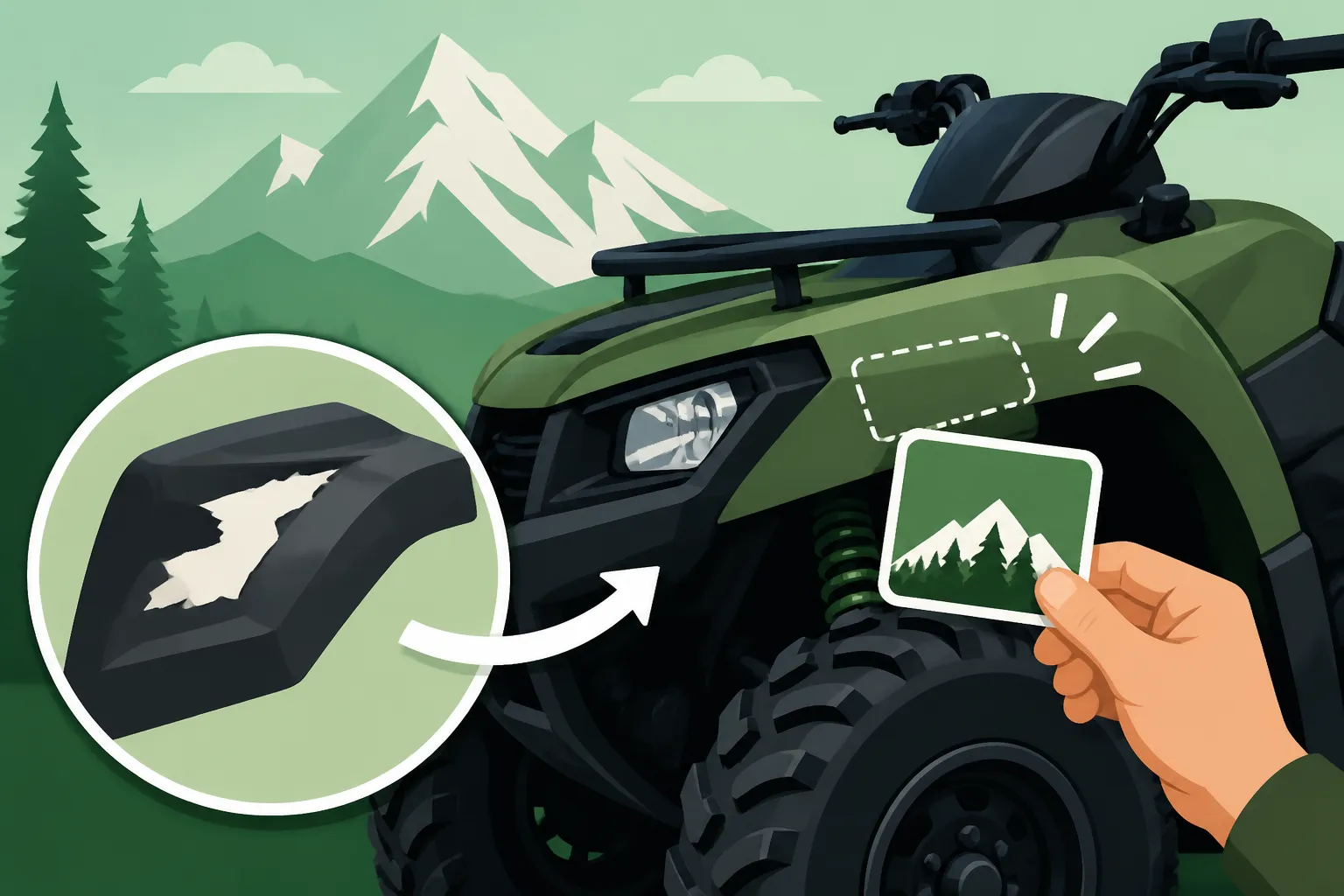
It’s a frustrating moment for any Washington ATV or UTV owner: you’re giving your machine a quick once-over before a ride, or maybe after a particularly muddy adventure, and you notice it. That little yearly registration decal, the one that proves you’re good to go, is simply… gone. Whether it peeled off on a gnarly trail, got scraped by a branch, or just vanished into thin air, riding without it can lead to unnecessary hassle or even a fine. This guide is all about helping you understand why these decals go missing, the straightforward steps to replace a lost Washington ORV decal, what to do in the meantime, and how to keep it stuck securely in the future.
Why Do ORV Decals Go Missing in Washington?
Losing a registration decal isn't just bad luck; it's often a combination of factors related to how and where we ride our machines. These decals are designed to be durable, but the environments Washington ORVs operate in are anything but gentle. Understanding the common culprits can help you be more vigilant and proactive.
The Rigors of Off-Road Riding
Off-road riding exposes your machine to constant vibration, impacts, and extreme weather conditions. Picture traversing a rocky trail in Reiter Foothills, or navigating tight turns in Capitol State Forest – every bump, every scrape, every jostle sends shockwaves through your machine, testing the adhesive bond of that decal. If the fender flexes a lot, or if the decal is placed on a part of the plastic that sees frequent impact from boots, gear, or brush, it's under constant stress. Over time, this relentless physical abuse can cause even the most stubborn adhesive to give way, leading to the decal peeling at the edges and eventually detaching completely.
Then there's the mud, dust, and water. Riding through a deep mud bog in the Black Hills can not only obscure your decal but, as it dries and cracks, it can also pull at the edges of the sticker. Power washing after a particularly dirty ride, while essential for machine longevity, can also be surprisingly aggressive on decals if you get too close or use too high a pressure setting directly on them. Even frequent exposure to rain, snow, and UV rays from the sun can degrade the decal material and adhesive over months and years, making it brittle and less likely to stay put.
Improper Application and Surface Prep
Sometimes, the decal's disappearance isn't about the trail, but about how it was applied in the first place. If the surface of the fender wasn't meticulously clean and dry when the decal was first applied, the adhesive might not have formed a strong, lasting bond. Any residual dust, mud, wax, or even a fingerprint's oil can create a barrier that prevents the sticker from fully adhering. It's like trying to stick a Band-Aid to a dusty knee – it might hold for a bit, but it won't last.
Temperature also plays a role. Applying a decal on a freezing cold day or a scorching hot afternoon can compromise the adhesive's initial tack and long-term performance. The ideal scenario is a clean, dry surface in moderate temperatures, allowing the adhesive to cure properly. If the decal was simply slapped on without care, especially if air bubbles were trapped underneath, those bubbles can become weak points where moisture or debris can creep in, further undermining the adhesive. Make sure you understand [Washington ORV Decal Placement] for the best results.
The Process of Replacing Lost Washington ORV Decals
So, your decal is gone. Don't panic! Washington has a clear process for getting replacements. It might feel like a minor inconvenience, but it's important to keep your registration current and visible. This isn't just about avoiding a ticket; it's about contributing to the funding that maintains the very trails you love to ride.
Necessary Paperwork and Information
The first step in replacing your lost Washington ORV decal is to gather the necessary information about your machine and yourself. You'll typically need your current registration certificate number, the vehicle identification number (VIN) of your ATV or UTV, and your personal identification details. This is where having access to your original [Washington WATV Registration Paperwork] or at least a clear record of your machine's details comes in handy. It’s always a good idea to keep a copy of your registration information in a safe, dry place, separate from your machine, just for situations like this.
If you can't immediately find your registration paperwork, don't fret. The Department of Licensing (DOL) can usually look up your vehicle information using your VIN or your driver's license number. They will verify that you are the registered owner of the machine. This verification step is crucial to prevent fraudulent decal requests and ensure that decals only go to their rightful owners. If your registration is completely expired, you might need to go through the full renewal process, so it’s worth checking your expiration date when you realize the decal is missing.
Where and How to Request Replacements
Once you have your information, you have a few options for requesting replacement decals. The most common and often quickest method is visiting a local vehicle licensing office, also known as a DOL subagent. These offices are scattered throughout Washington and are equipped to handle most ORV registration and decal requests. When you go, be prepared to fill out a simple form, which typically asks for your vehicle details, personal information, and a statement that your decal has been lost or destroyed.
Many states offer online services for this, and while Washington continually updates its digital offerings, it’s always best to check the current DOL website for the most up-to-date options for [Replacing Lost Washington Decals]. Sometimes, for a lost decal, a physical visit or mailing in a request might still be the most reliable route, especially if additional verification is needed. There's usually a small fee associated with replacing a decal, which covers administrative costs and the decal itself. This fee is typically separate from your annual registration fee for [Washington WATV Registration Cost].
What About the Metal Tag?
It's important to distinguish between the yearly registration decals (the colorful stickers that go on your fender) and the metal tag. The metal tag is a permanent fixture on your ORV, similar to a license plate, though it's much smaller and specific to off-road vehicles. While the yearly decals often peel off, the metal tag is bolted on and rarely goes missing unless it's physically broken off or stolen. If your actual metal tag is missing or damaged, that's a different replacement process than just the decals, usually involving a more significant fee and perhaps even a police report if it was stolen. The good news is that [Why the Metal Tag Lasts Seven Years] means you won't be replacing it often.
The process for replacing the metal tag involves proving ownership and ensuring the vehicle's record is updated. You wouldn't simply get a replacement sticker for a lost metal tag. Instead, you'd apply for a duplicate or replacement metal tag entirely. The annual decals are designed to be replaced each year upon renewal of your registration, indicating that your machine is current and authorized for use.
What to Do While You Wait for Replacement Decals
Losing a decal doesn't mean your riding season has to come to a screeching halt. While it's always best to have current and visible registration, there are practical steps you can take to minimize potential issues while your replacement decals are en route.
Riding Legally Without a Decal
This is a common concern: can you still ride if your decal is missing but your registration is otherwise current? The short answer is, it's a bit of a gray area, and it's always safer to have your visible decal. However, if your registration is current in the system, and you are simply waiting for a replacement decal, you have a defense. The most important thing is to be able to prove that your machine is properly registered.
This means [Carrying the Registration in the Machine] at all times while riding. Keep the physical registration certificate (the paper document) in a waterproof bag or container that's securely stored on your ATV or UTV. If a ranger or law enforcement officer stops you, you can present this document as proof of valid registration, explaining that you've already requested a replacement decal. While they might still issue a warning or even a citation depending on the specific circumstances and their discretion, having that physical proof significantly strengthens your position and shows you've made a good-faith effort to comply. It's much better than having no proof at all, which could lead to a fine for [Washington Fines for an Unregistered WATV].
Estimated Wait Times for Replacements
The time it takes to receive replacement decals can vary. If you visit a DOL subagent in person, they might be able to print a temporary decal or provide the replacement on the spot, depending on their procedures and inventory. However, if they need to order them or if you apply by mail, it could take a week or two for the decals to arrive. This timeframe can be influenced by processing volumes at the DOL and postal service delivery times.
During peak seasons, such as spring and early summer when many riders are getting their machines ready for the trails, wait times might be a bit longer. If you’re planning a big trip, it’s wise to check the status of your registration online or call the DOL to inquire about potential delays. Proactivity here can save you a lot of stress. If you’re really in a bind for a specific ride, some offices might be able to expedite the process or offer advice on riding with proof of pending replacement.
Preventing Future Decal Loss
Nobody wants to go through the hassle of replacing decals repeatedly. A little bit of extra effort during application and some ongoing vigilance can go a long way in keeping those important stickers right where they belong.
Proper Surface Preparation and Application
The key to a long-lasting decal is starting with a perfectly clean surface. Before applying new decals, thoroughly wash the fender area where they will be placed. Use a degreaser or rubbing alcohol to remove any waxes, oils, or residues that could interfere with the adhesive. Rinse well and allow the area to air dry completely. Even a small amount of moisture can prevent proper adhesion.
Once the surface is clean and dry, apply the decal slowly and carefully. Begin by peeling back only a small portion of the backing, aligning the decal, and then slowly pressing it down, working out any air bubbles as you go. A squeegee or even a credit card can be helpful for this, pushing from the center outwards. Take your time; rushing this step is often the cause of premature peeling. Applying decals in a warm, dry environment (above 50°F / 10°C) allows the adhesive to bond most effectively.
Protective Measures for Decal Longevity
Even with perfect application, the Washington wilderness can be tough on decals. Consider adding an extra layer of protection. Some riders apply a clear, heavy-duty vinyl overlay specifically designed for graphics over their decals. These protective films are highly resistant to scrapes, UV damage, and pressure washing, essentially creating a shield for your registration stickers. They are often used by motocross riders to protect elaborate graphics and can be cut to size to cover just your decals.
Another strategy is to be mindful during cleaning. When pressure washing your machine, avoid directing the high-pressure stream directly at the edges of your decals. Keep the nozzle a safe distance away and use a wider spray pattern around the decal area, or even hand-wash that specific spot. Regularly inspect your decals for any signs of lifting or peeling edges. If you catch a loose edge early, you can often press it back down firmly or even add a tiny dab of super glue (being very careful not to get it on the paint or surrounding plastic) to secure it before it fully detaches. Regularly [Renewing a Washington ORV Registration Yearly] will also mean you get fresh, sticky decals each year, helping you avoid issues with old, brittle ones.
Conclusion
Losing an ORV registration decal in Washington is a common inconvenience, but it doesn't have to be a major setback. By understanding why decals go missing, following the proper steps for replacement through the Department of Licensing, and taking proactive measures to protect your new decals, you can keep your machine trail-legal and avoid unnecessary headaches. Remember, a valid and visible decal isn't just a formality; it’s a commitment to responsible riding and helps ensure that Washington's incredible trail systems remain open and maintained for all of us to enjoy.
Disclaimer
This article is for general informational purposes only and does not constitute professional advice. Laws, prices and regulations vary by location and change over time. Consult a qualified professional for guidance on your specific situation.