Checking a VIN Before You Pay
You've finally found it: that perfect used ATV or UTV that seems to check all the boxes. The price is right, the paint gleams, and the seller seems like a stand-up person. But before you get swept up in the excitement and hand over your hard-earned cash, there's one absolutely critical step you cannot afford to skip: checking the machine's Vehicle Identification Number (VIN). Skipping this crucial due diligence can lead to a heap of expensive, heartbreaking, and even legally perilous problems down the road. This guide is here to walk you through exactly why and how to check a VIN in Washington, ensuring your dream machine doesn't turn into a nightmare.
Why a VIN Check is Your Best Friend When Buying Used
Buying a used ATV or UTV, or any off-road vehicle for that matter, can feel like navigating a minefield. You're trying to find a good deal without inheriting someone else's problems. And let's be honest, not everyone is upfront about every little detail. This is where the VIN comes in, acting as your machine's unique fingerprint and a powerful tool for uncovering its true story. Without a thorough VIN check, you could unknowingly buy a stolen machine, one with a secret lien, a salvaged wreck, or even a different model year than what the seller is claiming. It’s a situation that makes your stomach drop, isn't it?
Imagine pulling up to a trailhead, ready for an epic day of riding in, say, the Capitol State Forest, only to have a DNR officer or State Trooper walk up, ask for your paperwork, and then inform you that your "new" machine was reported stolen two years ago. Or perhaps you go to register your new-to-you quad at the Department of Licensing (DOL) and find out there's an undisclosed lien on the title from a bank the previous owner never paid off. These aren't just minor inconveniences; they're situations that can cost you the machine, the money you paid for it, and potentially even lead to legal trouble, all because a quick VIN check wasn't performed. You don't want to be caught in that kind of bind. Doing your homework upfront protects your investment and your peace of mind. It's truly your best defense against potential scams and hidden problems, especially when you're looking to acquire a pre-owned machine. For more on navigating the used market, take a look at our guide on [Buying a Used ATV in Washington].
What Information a VIN Reveals About an ATV or UTV
The VIN is far more than just a random string of numbers and letters; it's a meticulously structured code designed to provide a wealth of information about a vehicle. Think of it like a secret decoder ring for your prospective new ride. Understanding what this code means and how to interpret it is fundamental to making an informed purchase, ensuring you know exactly what you're getting into before you sign on any dotted lines.
Decoding the VIN
Every ATV and UTV, just like a car, has a 17-character Vehicle Identification Number (VIN). This alphanumeric code is a global standard, designed to be unique to each individual machine. The characters aren't just random; they each hold specific data. For instance, the first three characters usually identify the world manufacturer, while subsequent characters reveal details about the machine's make, model, body style, engine type, and safety features. One of the most critical pieces of information embedded in the VIN is the model year, typically found in the 10th position. This is invaluable for verifying the seller's claims and ensuring you're not paying 2020 prices for a 2015 model. The last several characters form the sequential production number, making that particular machine truly unique. Knowing how to decipher this code can help you confirm the machine's specifications, which is vital for ordering parts, ensuring compatibility with accessories, and even getting accurate insurance quotes down the line. It's all about knowing what you own, or what you're about to own.
Uncovering the Machine's History
Beyond basic identification, a VIN acts as a gateway to the machine's entire documented history. When you run a VIN check through various services, it can reveal critical information that sellers might be tempted to conveniently forget to mention. This includes details about past ownership, whether the vehicle has ever been reported stolen, and most importantly, any "brands" on its title. A title "brand" is a permanent notation that indicates significant events in the machine's life, such as a salvage title (meaning it was declared a total loss by an insurance company), a flood title (it sustained significant water damage), or a rebuilt title (it was salvaged and then repaired). For instance, a machine with a salvage title might be significantly cheaper, but it could come with hidden structural damage or ongoing mechanical issues, and it might even be harder to get insurance for.
A comprehensive VIN check can also flag outstanding liens, meaning a bank or other lender still has a financial claim on the machine. Imagine buying an ATV, only to find out later that the previous owner defaulted on their loan, and now the bank wants to repossess your new ride. That's a headache no one wants. Checking the VIN is crucial for understanding these potential liabilities and making sure the title is truly clear when you buy it. It's your deep dive into the machine's past to protect your future enjoyment. Our guide on [Checking a Used Machine in Washington] offers even more tips for evaluating a pre-owned ORV.
How to Actually Perform a VIN Check in Washington
Knowing why to check a VIN is one thing, but knowing how to do it effectively is another. It's a fairly straightforward process, but it requires diligence and knowing where to look and what resources to use. Don't skip these steps! It’s like double-checking your packing list before heading out on a multi-day trip into the mountains – you want to be sure you have everything you need and aren't forgetting something critical.
Where to Find the VIN
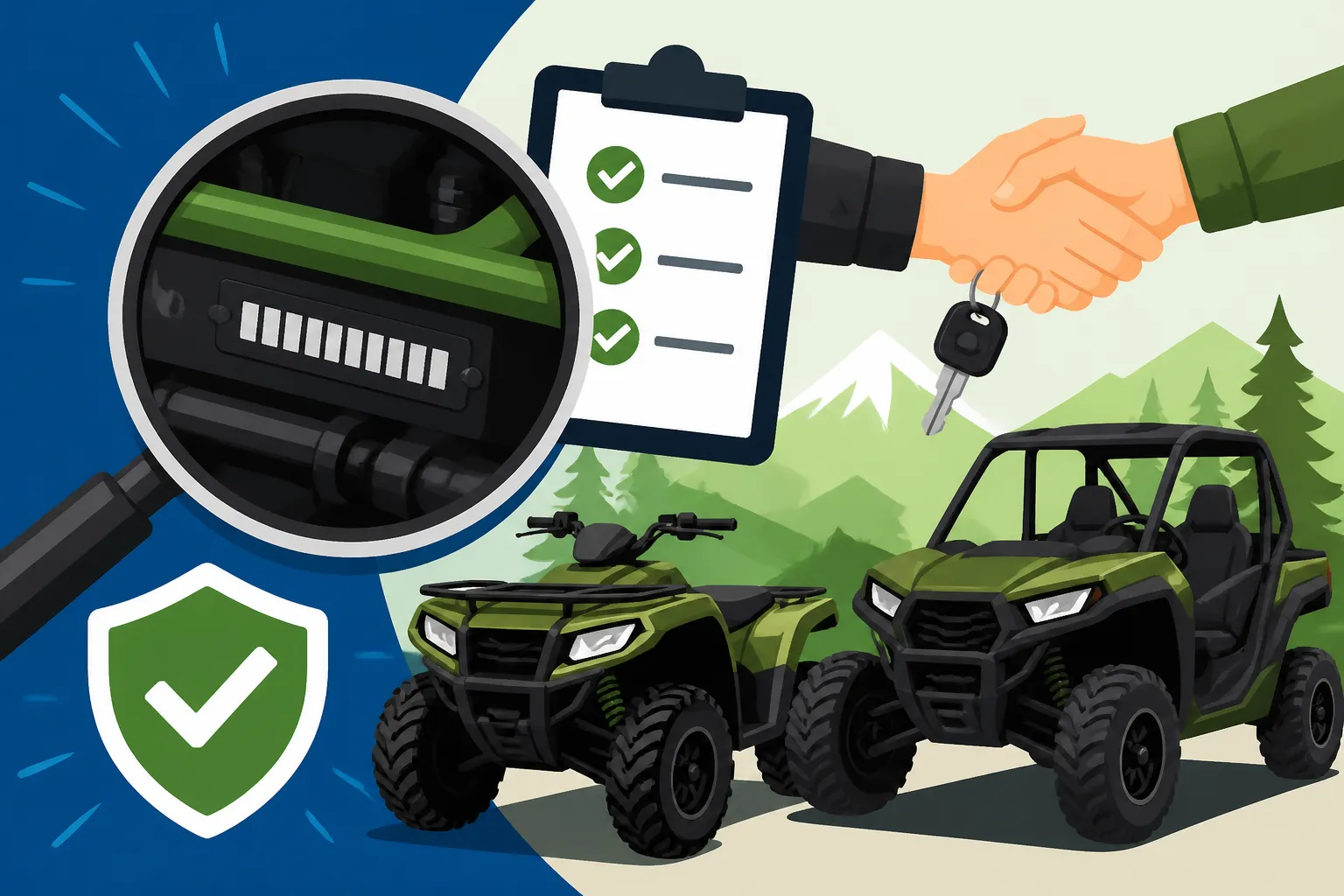
First things first, you need to locate the VIN on the actual machine. This isn't usually hidden, but its exact placement can vary slightly depending on the make and model of the ATV or UTV. Generally, you'll find the VIN stamped directly onto the frame, often near the steering head, on one of the frame rails, or sometimes on a durable sticker in an easily accessible location like under the seat or on a crossmember. Some manufacturers also place a VIN decal on the engine block.
When you find it, compare the VIN on the machine to the VIN listed on the seller's title document. They absolutely must match perfectly. If the VIN on the machine appears to be tampered with—scratched, painted over, ground down, or any numbers look altered—that's an immediate, flashing red warning sign. Walk away. Seriously. A tampered VIN almost always indicates a stolen vehicle or an attempt to conceal its true identity. It’s better to miss out on a good deal than to end up with a huge legal headache. Always ensure the VIN is clear, legible, and untampered before moving forward.
Tools and Resources for VIN Checks
Once you have the VIN in hand, it's time to put it to work. There are several ways to perform a VIN check, ranging from free options to paid, more comprehensive reports. For a quick, initial check, you can often find free online VIN decoders that will confirm basic information like the manufacturer, model year, and sometimes even trim level. These are good for verifying the seller's basic claims.
For a deeper dive, however, you'll want to consider paid VIN check services. These services typically pull data from various sources, including insurance companies, law enforcement databases, and sometimes even repair shops. They can provide detailed history reports that flag prior accidents, title brands (like salvage or flood), reported odometer fraud (though less common on ORVs than cars), and most importantly, any active liens or stolen vehicle reports. While these services cost a small fee, the peace of mind and protection they offer are invaluable. Always remember to cross-reference any information you gather with the physical machine and the seller's documentation. When it comes to generating official documents for the sale, especially a robust bill of sale, resources like LawDepot can be incredibly helpful for drafting a clear, comprehensive agreement that includes the VIN and other critical details, adding a layer of protection for both parties. Having a formal document is key for [Washington WATV Bill of Sale Requirements].
What to Do If the VIN Check Raises Red Flags
So, you've run the VIN check, and something doesn't quite sit right. What now? This is where your careful diligence pays off. The absolute best-case scenario is a completely clean VIN check, matching all seller claims. But if red flags appear, you have a few clear courses of action:
- Undisclosed Liens: If the VIN check reveals an active lien, do not proceed with the purchase unless the seller immediately provides verifiable proof that the lien has been satisfied and a lien release document has been issued by the lender. A common practice is for both buyer and seller to go to the bank to ensure the lien is paid off at the point of sale, with the lien release handed directly to you. This is a big one; never assume a verbal promise will suffice. Our article [Washington ATV Lien Check Before Buying] delves deeper into this.
- Stolen Vehicle Report: This is a non-negotiable red flag. If the VIN comes back as reported stolen, walk away immediately. Do not confront the seller directly; instead, contact your local law enforcement agency and provide them with the VIN and the seller's information. Getting involved in a stolen property situation, even unknowingly, can lead to serious legal complications.
- Salvage, Flood, or Rebuilt Titles: If the machine has one of these brands, and the seller didn't disclose it, you have every right to reconsider. If the seller did disclose it and the price reflects the condition, then it's a judgment call. However, always be extra diligent with your physical inspection if a title is branded. A machine that was rebuilt might have hidden issues, and obtaining proper registration for a [Buying a Machine With No Title] can be a real headache.
- Discrepancies in Year/Model: If the VIN decode shows a different model year or even a different model than what the seller is advertising, you have a negotiation point or a reason to walk away. It indicates either a mistake (unlikely) or an intentional misrepresentation.
Never feel pressured to buy a machine with a suspicious history. There are plenty of good ATVs and UTVs out there with clean records. Your vigilance here will save you a world of trouble. Remember, if it seems too good to be true, it probably is.
Beyond the VIN: Other Critical Steps Before Handing Over Cash
While a VIN check is your first line of defense, it's not the only step you should take before finalizing a private sale. Think of it as the foundational layer of your due diligence. To fully protect yourself and ensure a smooth ownership experience, you need to build upon that foundation with a few more critical checks and documents. This comprehensive approach will give you confidence in your purchase and prevent future headaches, ensuring your new Washington trail machine is legally yours and ready for adventure.
Verifying Ownership and Liens
This is where the rubber meets the road. Even after a clean VIN check, you still need to verify that the person selling you the ATV or UTV is the rightful legal owner and that there are no hidden financial claims against the machine. The primary document for this is the certificate of title. In Washington, you absolutely need a clear, unencumbered title to register your new off-road vehicle.
Here’s what to look for:
- Seller's Name on Title: The name on the title must match the seller's photo ID (driver's license). If it doesn't, or if they claim they're selling it for a friend or family member, proceed with extreme caution. The registered owner needs to be present to sign the title over to you.
- Clean Title: Inspect the title document for any stamps or notations indicating a salvage, rebuilt, or flood status. While a VIN check should reveal this, it's good to double-check the physical document.
- No Active Liens: Ensure the "lienholder" section on the title is blank or marked as "none." If a lienholder is listed, you need that lien to be officially released before you exchange money. The best practice, as mentioned, is to conduct the transaction at the lienholder's bank to ensure the payoff and release are handled immediately. You really don't want to get stuck trying to clear a lien that isn't yours to clear. This is why our piece on [Why a Title Must Be in Your Name First] is so important. Also, be sure to understand all [Washington WATV Title Requirements].
The Bill of Sale and Its Importance
Even after you've verified the VIN and confirmed ownership, a handshake agreement simply isn't enough, especially for a significant purchase like an ATV or UTV. A well-drafted bill of sale is a non-negotiable document for any private vehicle transaction. It serves as your legal record of the sale and is essential for transferring ownership and registering the machine with the Washington Department of Licensing.
A robust bill of sale should clearly state:
- Buyer and Seller Information: Full legal names, addresses, and contact details for both parties.
- Vehicle Information: The make, model, year, and crucially, the full 17-character VIN.
- Purchase Price: The agreed-upon amount. This is important for calculating Washington's use tax, which you'll pay when you register.
- Date of Sale: The exact date the transaction took place.
- "As-Is" Clause: Most private sales are "as-is," meaning you accept the vehicle in its current condition with no warranties. This should be explicitly stated.
- Signatures: Both the buyer and seller should sign and date the document. It's often a good idea to have it witnessed or even notarized, especially for higher-value machines, as this adds an extra layer of legal validity.
Resources like LawDepot can provide excellent, customizable templates for a bill of sale, ensuring all necessary legal language and critical details are included. Using a professional template from a reputable source like LawDepot helps avoid omissions that could cause issues later. Without a proper bill of sale, you might face difficulties proving ownership or even registering your machine. It’s a small step that offers immense protection. For more details on what needs to be included, refer to [Washington WATV Bill of Sale Requirements] and [A Washington Bill of Sale for a WATV]. You'll need this document when you take care of all your [Washington WATV Registration Paperwork].
Physical Inspection and Test Ride
The VIN check and paperwork verification tell you the machine's story on paper, but nothing replaces a thorough physical inspection and a test ride. This is your chance to see if the machine's actual condition matches its documented history and the seller's description.
Here's what to focus on:
- Match the VIN: First, visually confirm that the VIN on the machine matches the VIN on the title and bill of sale. This sounds basic, but it's a critical final check.
- Overall Condition: Look for signs of significant damage, rust (especially on the frame), bent components, or shoddy repairs that might indicate a harder life than disclosed. Check the tires, suspension components, brakes, and lights.
- Fluid Leaks: Inspect the engine, transmission, and differentials for any signs of active leaks.
- Engine & Drivetrain: Start the engine cold (not pre-warmed by the seller). Listen for unusual noises, smoke, or hesitation. Test all gears, including reverse, and check that four-wheel drive engages properly.
- Test Ride: If possible and safe, take it for a test ride. Pay attention to how it steers, brakes, and handles. Are there any strange vibrations or noises? Does it pull to one side? Ensure all controls work smoothly.
A physical inspection can reveal mechanical issues that a VIN check won't. If you're not mechanically inclined, consider paying a trusted mechanic specializing in ATVs/UTVs to inspect the machine for you. It's a small investment that can save you from a major financial headache down the line. Combining a thorough [Checking a Used Machine in Washington] with your VIN verification is the smart way to buy.
Disclaimer
This article is for general informational purposes only and does not constitute professional advice. Laws, prices and regulations vary by location and change over time. Consult a qualified professional for guidance on your specific situation.